

Smart Factory: IoT in Manufacturing
A smart factory connects machines, sensors and IT systems so that production data is available in real time. IoT in manufacturing is used above all for condition monitoring, analysing process parameters, capturing cycle times and utilisation, and for digital documentation. This page lists more than 240 implemented examples.
Verified IoT projects: Production
251 projects from our network, newest first.







Private 5G brings reliable connectivity to harsh environments
Crane operators work under harsh conditions in ports and steel mills. With Private 5G, Siemens provides a stable, low-latency link for operating cranes remotely.
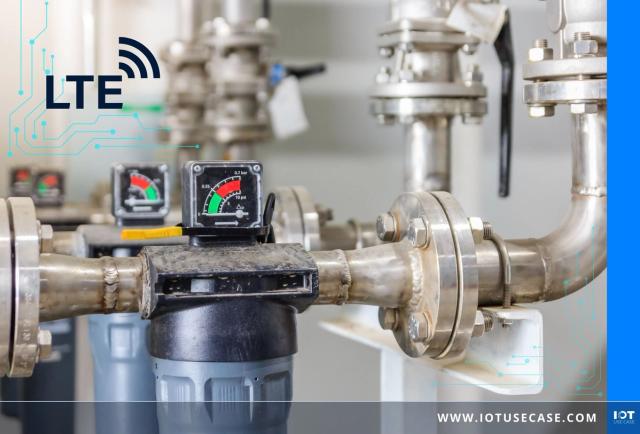


IoT monitoring uncovers energy losses and leaks in compressed air
An LTE sensor from achtBytes measures the pressure in the compressed air system and reveals unnecessary compressor run times, excessive operating pressure and leaks, without any connection to company IT. In one case, the compressor started more than 20 minutes earlier than necessary.
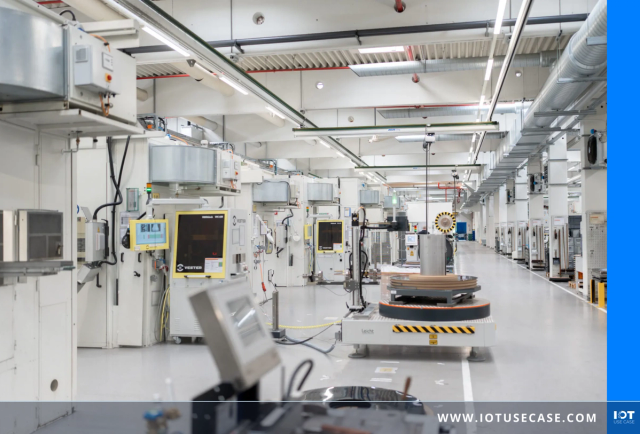


Consolidating fragmented machine communication and separating IT from OT
A manufacturer of electrical connection technology replaces its scattered communication servers with soffico's Orchestra and cleanly separates IT from OT. At the Thuringia plant, around 120 machines were connected in three days.
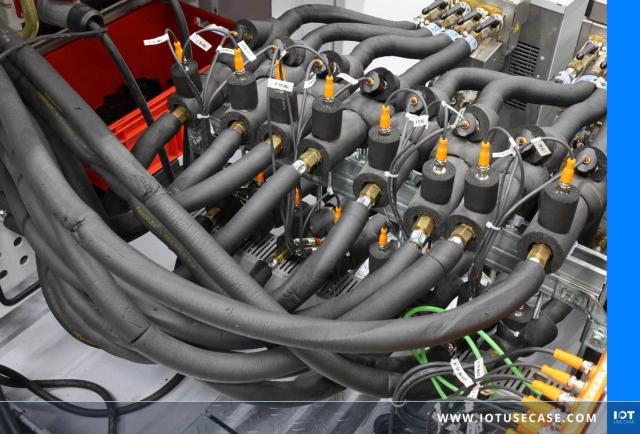





Monitoring injection mould cooling via IO-Link to cut energy use
From gut feeling to hard data: at RAFI in Bad Waldsee, sensors and the moneo IIoT platform make the injection moulding process transparent. Temperatures, flow rates, compressed air and energy consumption are recorded, visualised and analysed continuously.
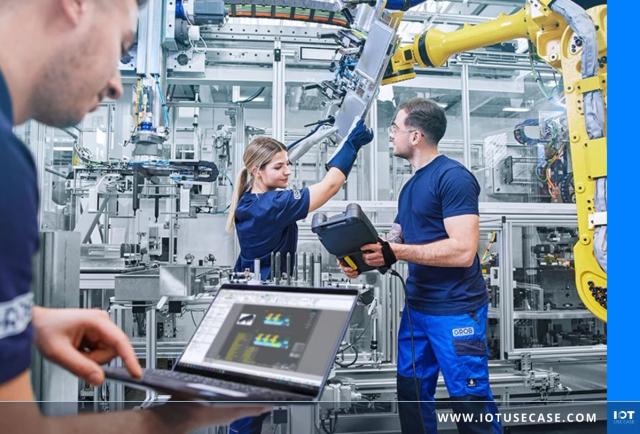




Consolidating project costs and machine data on one central data platform
GROB-WERKE and b.telligent consolidate project costs, forecasts and machine data in Microsoft Fabric. Reports now take seconds instead of manual work.
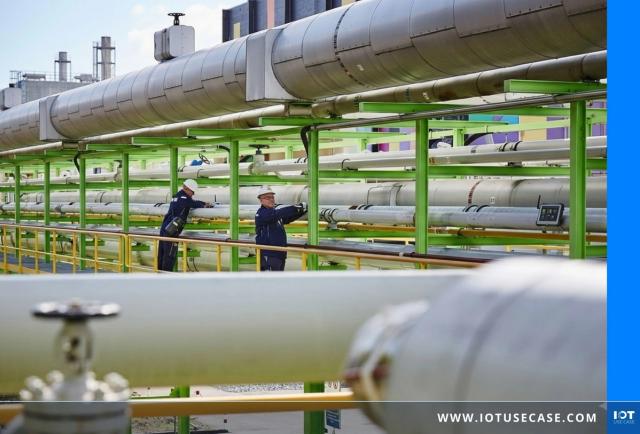





Steam network monitoring with LoRaWAN®: detect losses and optimize generation
At a chemical site, Conneqtive monitors network temperatures and steam traps via LoRaWAN®. Leaks show up early and the power plant runs without unnecessary buffers.
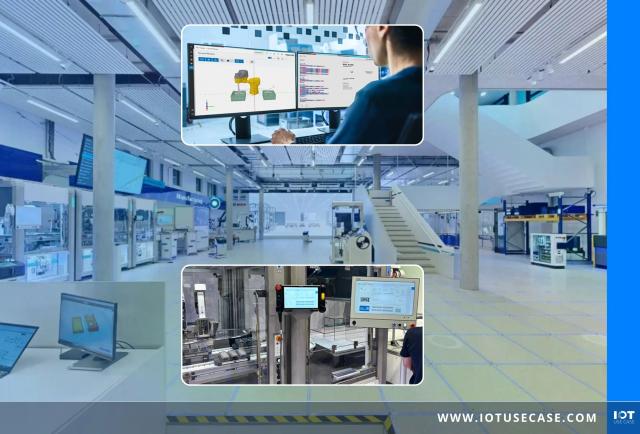





Reconfiguring production lines flexibly with the asset administration shell
At the Bosch Rexroth model factory, the Asset Administration Shell connects machines in a standardised way. XITASO adds brownfield machines with a function block.
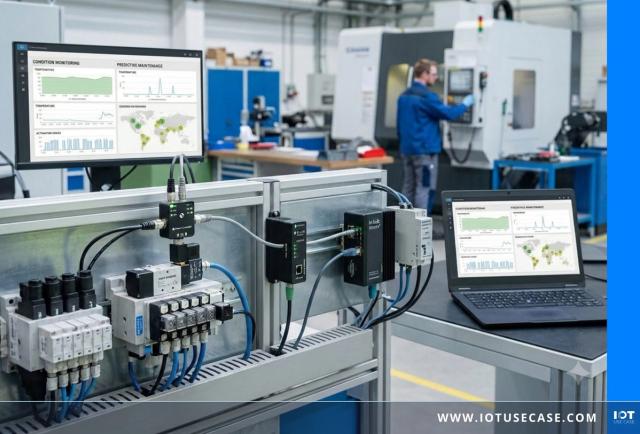





Putting existing IO-Link data to use for condition monitoring
IO-Link devices deliver more than switching signals. nass magnet and in.hub carry diagnostic data from the valve into IT as a basis for condition monitoring.
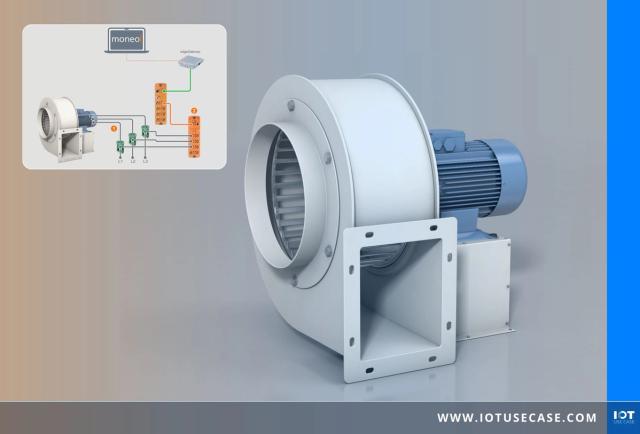
Current consumption enables condition-based fan maintenance
An ifm current transformer and the moneo platform monitor the current draw of fans. Winding damage and stiff bearings show up before the extraction system fails.
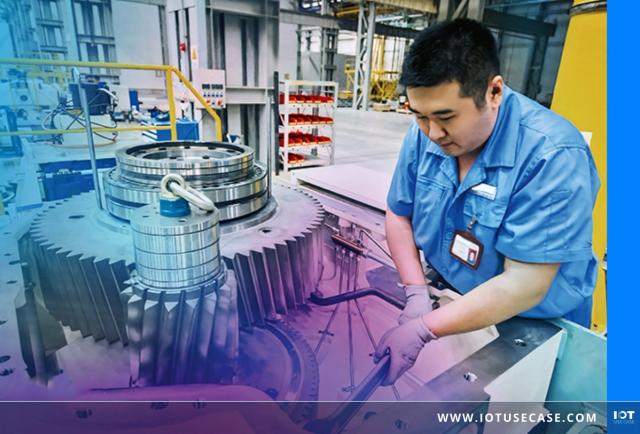



Steering heterogeneous AGV fleets vendor-neutrally via VDA 5050
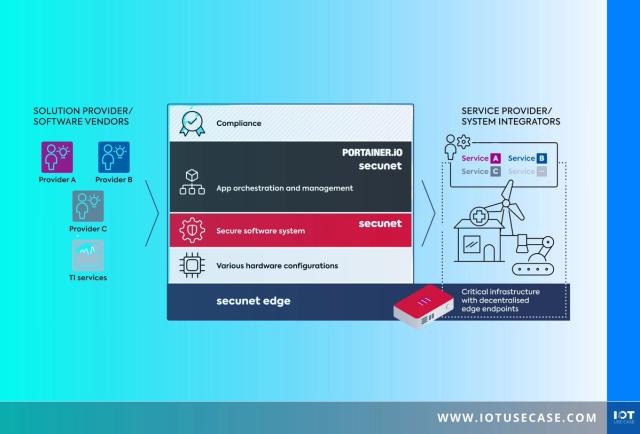






Operating distributed systems securely: with containers and edge platform
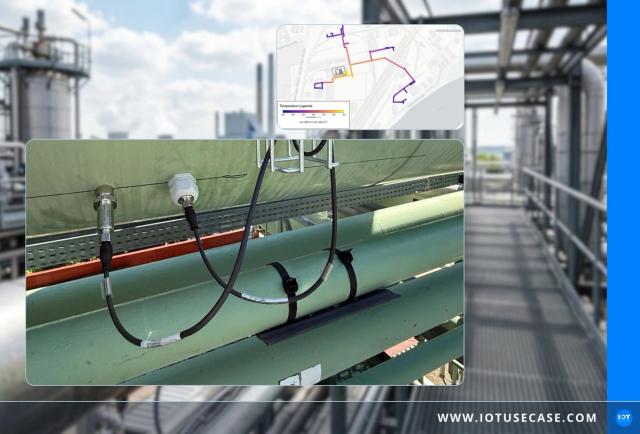
Digital twin for steam pipe monitoring: automated burner optimization
- Automating cleanroom intralogistics in battery production with AGVs
- AI-supported level monitoring of casting resin drums
- Integrate CNC data via OPC UA without system redesign
- Detecting compressor operating states based on current consumption
- Process data analysis reveals the causes of scrap
- Roller chain monitoring via IO-Link to prevent downtime
- Retrofit cooling systems digitally and monitor them in real time
- Ensuring digital batch traceability in ink manufacturing – with ERP integration
- Pump monitoring for predictive maintenance and reduced downtime
- Detecting corrosion under insulation early with IoT monitoring
- Monitor coolant and automate level checks
- Camera-based process monitoring increases the quality and efficiency of vacuum systems
- Digital job traveler closes the gap between shopfloor and IT systems
- Secure OT networks with risk and vulnerability assessment
- Interface connection for CNC machines in live operation
- Autonomous guided vehicles (AGVs) with IoT and real-time data for efficient material flows
- OEE transparency in packaging production – 15% fewer downtimes
- Reducing complaints in adhesive tape production through process data analysis
- Automated PKI certificate management for secure energy infrastructure
- Standardised machine connectivity and secure integration via Edge Layer
- Proving material origin – with ECLASS and standardised product data for the wood and furniture industry
- OPC UA creates the semantic foundation for digitalization in manufacturing
- OPC UA Andon visualisation keeps assembly and logistics in sync
- Compressed air monitoring in a food plant – 17% lower energy demand
- From machine to customer portal – clear data interfaces for service and customer integration
- Automatic standby management in machining
- Shopfloor visualisation of SAP and non-SAP data for transparent logistics
- IoT-based HMI platform modernises remote maintenance in leak testing
- Packaging printing with real-time data: more first-time-right, fewer downtimes
- IoT energy monitoring: transparent consumption data for measurable savings
- Modbus retrofit makes legacy systems secure and IoT-capable
- Process monitoring with on-premises IoT improves safety and quality
- Energy efficiency in plastic injection moulding – 11% lower energy consumption per part
- IoT-supported heat chamber for optimised chemical production and processing
- NIS-2 gap analysis at a machine manufacturer strengthens IT security
- Standardised IT/OT integration with OPC UA for scalable production
- IT/OT integration for a unified data foundation – using PCB manufacturing as an example
- Securely capturing machine KPIs and process data from production
- Operating compressed air compressors efficiently with remote monitoring
- Optimising packaging lines with IoT-based OEE monitoring
- VDA 5050: Unified control layer for AGV fleets, centrally in real time
- OT security risks in production lines made visible
- Private 5G networks as the foundation for industrial digitalization
- Make production data usable for AI and ML with OPC UA
- IoT system for pressure monitoring of mobile concrete pumps
- OT security monitoring & risk assessment in chemical production
- Capturing expert knowledge in production with AI assistance systems
- Automated Energy Consumption Measurements in Residential Buildings
- Standardizing machine data in food production with OPC UA – hardware-independent and scalable
- Condition-based maintenance of drive motors for higher plant availability
- Reducing energy costs through targeted compressed air monitoring
- Condition monitoring of fans in steel manufacturing
- From compressor to smart product – how data-driven services open new business fields in mechanical engineering
- Smart shopfloor integration with IIoT and Kubernetes
- Integrating production data into SAP S/4HANA – in real time and without interfering with the controller
- Secure product development in mechanical engineering with DevSecOps
- Saving energy with IoT compressed air monitoring in production
- Evaluating energy data live in the plant – creating visibility without coding
- Maintenance at 1000°C – using condition data instead of stopping plants
- Asset management using conveyor systems as an example – scaling IoT without own platform development
- Build a smart factory – with seamless IT/OT integration and event-driven architecture
- Optimizing manufacturing processes with machine learning – without changes to IT and machines
- Smart factory without code – six lines integrated, from SCADA to dashboard
- Making inaccessible machine data visible – reducing rejects, increasing quality
- Fragmented data stops innovation – buy-and-build strategy for sustainable asset management
- Seamlessly integrated down to field level – including hazardous areas: Ethernet-APL networks the process industry
- Industrial radio data connects decentralized plants via mobile network
- Lifetime monitoring solution for pump testing
- Track production orders in real time with RFID and moneo Track & Trace
- Making data-based decisions – with real-time monitoring and system integration
- Fast track to the smart factory: with Cumulocity to a modular IIoT platform for SMEs
- IT/OT integration: secure remote maintenance for improved machine management
- Preventing complaints – process optimisation in minutes instead of days
- IIoT Kubernetes platform – managing real-time machine data with MQTT
- OT security in energy supply: defense-in-depth for critical infrastructure
- IoT retrofit for legacy equipment: efficiency boost through part counting and process optimisation
- Bottleneck LED display boards: how real-time dashboards optimise production control
- Increasing delivery reliability with real-time applications.
- Efficient process data visualisation for industry
- From in-house development to flexible solution: CLAAS optimises assembly processes with Peakboard
- AI-supported energy management for municipalities and companies
- Additive manufacturing becomes economical through CC-Link IE TSN
- Traceability: IoT gateway for greater traceability in automotive production
- Digitalising production processes via network adapter
- Detecting unused compressor runtimes and leakages with a scalable IoT platform
- Smart supply chain: development of the batch size 1 production line
- Efficient IoT data transmission: MQTT and container solutions for smooth IT/OT integration
- Optimising Industry 4.0: efficient software container management as the key to peak production
- Quality improvement: optimising production processes at FORVIA HELLA
- Optimising traceability: practical approaches for data-driven manufacturing
- Detecting anomalies for improved machine availability
- Embedded AI: automated spare parts identification increases productivity
- Transparent pressing process – benefits of stroke monitoring for development and series production
- A data standard for the digital product passport
- Increasing machine availability by monitoring hydraulic power units in test rigs
- Localisation systems, geofencing and real-time data in production control
- Filter systems: monitoring and data management solution from practice
- How to safeguard your processes with digital data acquisition
- Condition monitoring with precise vibration monitoring
- Determining the optimal maintenance time – predictive filter monitoring of a material distribution system
- Efficient energy management with intelligent compressed air sensors
- Intelligent pump monitoring using artificial intelligence
- Integration of old and new machines through IIoT in the textile industry
- Automated quality assurance for coating systems
- Water consumption, leakages and cooling performance
- Condition-based filter monitoring in production
- Improving the eco-balance of production and reducing emissions
- Optimising human-machine interfaces (HMI) in filling processes
- Unlocking OT data access and efficient network communication with Kepware
- Automated quality controls: the possibilities and potential of optimisation
- shopfloorGPT: productivity boost in the dairy by AI agents
- Volkswagen – Digital Production Platform Service: Shopfloor Integration Management
- Greiner Packaging standardises connectivity to improve quality and OEE
- Brembo drives digital transformation with innovative IoT use cases
- Increased efficiency through data-based machine monitoring
- Optimising industrial processes with the Industrial IoT
- How Unifarco optimises cosmetics production through digital transformation
- CC-Link IE TSN brings movement to the battery industry of tomorrow
- Leading bearing manufacturer NEI digitalises operations with IoT
- CC-Link IE TSN drives innovation in Keller’s industrial printing technologies
- Automatic over-the-air configuration of distributed industrial systems
- Hands-on Modbus Cloud Connect: reducing service and maintenance costs
- Low-code platforms facilitate shopfloor management
- Real-time data transparency in chemical production: the path to modern manufacturing strategies
- The step into the future: TSN revolutionises shoe manufacturing
- Open source: data acquisition and visualisation for sustainable gas production
- Service and after-sales: new business cases through collaboration
- Securing and connecting machines and control systems through integration of a secunet edge
- Efficiency boost through process visualisation and monitoring in chemical production
- Reducing energy consumption with a cloud-based analysis solution
- How medicine benefits from industrial automation solutions
- Retrofit: simple condition monitoring for existing systems
- Electrolux turns connected data into transformative insights
- Goglio MIND – digital service in the packaging sector with IoT integration
- Tefal reduces energy costs and environmental impact with the GENESIS64 platform
- Condition monitoring of machine tools with retrofit sensors
- M2M communication with seamless data exchange
- Efficiency increase at Tofaş with ThingWorx and DVM
- Efficient and accurate: automated quality control with cameras and artificial intelligence
- Production and OEE management in extrusion with real-time information and analysis app
- Data-based production optimisation in injection moulding production
- Customised cyber security for the connected industry
- Continuous production optimisation with KIS.ME
- How data-based process optimisation improves seal production planning
- Networked connectors for efficient troubleshooting
- inray and Portainer: revolutionising deployment in Industry 4.0 on edge devices
- Remote monitoring centres for mining and cement plants worldwide
- WEINIG App Suite
- AQUACHEM filter presses enable fully automated 24/7 operation
- Administration shell in production: the standardised implementation of the digital twin
- Robots for construction chemicals in prefabricated construction
- Same language: laying the foundation for the digital twin
- More transparency: visualise production processes with ease
- ITK Transparency-Toolkit in action: determining OEE at the Bosch Rexroth plant
- Innovative IoT retrofit in the manufacturing industry
- Data communication with OPC UA in mechanical engineering
- Higher employee satisfaction and productivity with real-time data in production
- Digitally leverage optimisation potential in building services engineering
- Precision meets compliance: mastering invoice processing in the machine tool industry
- ZEISS: new integration level regulates data heterogeneity and sets group-wide data standards
- Azure Marketplace: TCS Digital Manufacturing Platform
- Azure Marketplace: Rockwell Automation Industrial IoT platform
- Azure Marketplace: ThingWorx Digital Performance Management
- Azure Marketplace: Sight Machine on Azure
- Intelligent energy chain systems optimise automotive production
- AI facilitates detection of leaks in compressed air systems
- Biotech: how CO.DON ensures stable processes and high quality
- Detecting leaks in compressed air systems with energy monitoring
- Azure Marketplace: Uptake Fusion – Cloud-Native Industrial Data Analytics Hub
- Azure Marketplace: TCS Clever Energy™
- Printed circuit board production: condition monitoring of solder paste
- Predictive Maintenance: every step a great leap forward
- Digital transformation at Groupe Renault
- Smart factory solution creates efficiency and quality improvement in the production process
- IT harmonization as preparation for data-based processes
- Monitor components in the control cabinet with new IoT service
- Optimisation of production and logistics with an efficient simulation toolbox
- Bosch Power Tools streams IoT data with Confluent Cloud
- Condition monitoring in paint shops – new benchmark for Magna group
- Miele digitises washing machine production with OPC UA
- Revolutionary productivity increase through operating point optimisation
- Test benches for development and production
- The human hand as a sensor – worker assistance system with connection to ERP and server structures
- Beer brewers benefit from fermentation monitoring
- Placed on a solid MES footing – more efficient PCB production thanks to a solid database
- Hybrid cloud data architecture in real time at BMW Group
- A uniform information model for manufacturing
- Real-time digital mapping of large data volumes in production
- Rhebo and Bosch Rexroth – the perfect combination for cyber security and stability
- From machine data acquisition to predictive maintenance
- Maximum availability of drive systems in cement production
- Accelerate data pipeline development with a platform
- IIoT building blocks for predictive quality
- When the ventilation starts to ring: IoT platform from ZIEHL-ABEGG monitors devices via Azure
- Making energy consumption visible
- Retrofit can be simple: data connection without intervention in the control system with io-key & apollo
- Data visualisation brings transparency to semiconductor production
- Monitoring and predictive maintenance with smart plastics
- Monitoring of critical plant parameters in copper production
- Tool dispensing from the IoT cloud
- The easy way to networked production: the smart factory as a modular system
- Automatic detection of pneumatic leaks reduces energy consumption
- The edge gateway for machine builders
- Detection and monitoring of particle concentrations in real time
- Dashboard live data on the shop floor: robots optimally utilised
- Data-driven optimisation and seamless monitoring of milling processes
- IoT-enabled pneumatics and electrics reduce production downtime
- Monitor manufacturing in real time and reduce scrap
- Heterogeneous shop floor networking in practice
- RFID tracking in production avoids errors
- Optimising the melting process in the foundry with machine data
- Partnership on the shop floor for outsourced services in robotics
- Avoid downtimes in shredding machines
- Higher beer quality through brewing process with ultrasonic sensors, AI and cloud solution
- Shopfloor networking: Schaeffler Group creates a data acquisition platform
- With a SIM card for plants to new sales and business models
- Cross-system and cross-site PLM data connection with business case
- Connect 12,000 sensors from a wide range of manufacturers
- Quality engineer creates less waste and higher product quality
- AI expertise directly inside the camera – suitable for beginners
- Optimise sawmill production and reduce downtime
- Trained pick-and-place robot with camera eyes reduces complaint and energy costs
- Complete log and legally compliant database of all accesses
- Optimal maintenance timing of conveyor belts thanks to IoT sensors
- High availability in flat steel production
- Building technology digital: control system recognises potential in plant operation
- Clogged filters in the painting process
- Exploiting the potential of networked signal lamps and switches
- More efficient commissioning through data analysis
- Sensor-based monitoring of storage refrigerators
- On the growth path with pay-per-part
- High demand requires additional production capacity
- People and machines: the digital twin in the textile industry
- More transparency with energy data management
- Intelligent automation with AI and IoT increases revenue
- Subscription service for automatic reordering
- Support operators during machine maintenance
- Optical quality inspection with artificial intelligence
- Sensor-based monitoring of punching machines
Podcast episodes: Production
155 episodes of the IoT Use Case Podcast on this functional area, newest first.




OPC UA vs. MQTT – Getting data out of 100+ machines


Data Harmonisation with AIoT: What Do AI Agents Need for the Mapping?



IO-Link to MQTT: Connecting Sensor Data Without Touching the Controller

23 Episodes Condensed: What Really Worked and What Didn't






Data Foundation for AI-Driven Production in Mid-Sized Manufacturing




Asset Administration Shell in the Model Factory: Reconfiguring Production Lines Flexibly
IoT use cases: Production
72 use cases already implemented in this functional area, sorted by number of implementations.
Production data, maintenance logs, and operating manuals are stored centrally in digital archives. This simplifies access and management for employees in production and management.






















IoT-supported analyses examine the relationships between machine settings and product quality. This data helps to identify faulty processes and make targeted adjustments to ensure consistently high quality.









Transparency over production performance and runtimes. By capturing pulse counts, cycle times, utilization, and throughput directly at the machine, production processes become continuously measurable. The resulting data provides a reliable basis for analyzing runtimes, downtimes, and performance deviations of individual assets or production lines.



Digital temperature monitoring, even for extreme conditions. In our network, IoT-based temperature measurements are implemented for steam pipes, for example – using LoRaWAN or mioty® sensors that operate maintenance-free for over 10 years. In condition monitoring and predictive maintenance the data reveals trends and anomalies early; in corrective maintenance it helps locate hotspots and repair defective components in a targeted way.







Automated creation of reports and logs for audits and compliance requirements. Digital systems enable seamless traceability and ensure efficiency in audit processes.



With modern sensor technology and smart data analysis, damage can be detected before it escalates. Whether leaks in water pipes, overheating in electrical systems or mechanical wear – continuous monitoring makes problems visible early. In condition monitoring and predictive maintenance this leaves time for targeted maintenance, in corrective maintenance affected components are located quickly, and in loss prevention it protects assets and infrastructure in the long term.

- Digital Production Logs and Manufacturing Documents
- Digital tracking of products and processes
- Tracking, visualizing, and analyzing energy consumption per unit
- Seamless control throughout production
- Vibration Monitoring
- Waste Reduction
- Leak Detection
- Energy Efficiency Analysis
- Consumption Data Collection and Visualization
- Remote Reading
- Automatic Spare Parts Ordering
- IoT-Based Energy Management System
- Knowledge Retention
- Audit-Reporting in Traceability
- Digitized Order Management
- Effective Risk Management
- Level and Distance Measurement
- Optimize your supply chain (batch traceability)
- Filter Monitoring
- Moisture Measurement
- Shift or Location Comparison
- Inventory Management
- Product Carbon Footprint in Sustainability (ESG)
- Digital Nameplates and Product Data Sheets
- Efficient Material Supply
- Inventory Management and Reorders
- Peak Load Management
- Real-time damage prevention
- Break Detection
- Coating Monitoring
- Container Management – Logistics IoT
- Energy Cost Optimization per Machine
- Insights into Your Entire Supply Chain / Digital Tracking
- Item tracking throughout the supply and manufacturing chain
- Resource Efficiency (Water Management)
- Route Optimization and Route Planning
- Smart Metering in Energy Monitoring
- Tool Wear
- Billing Automation
- Cable and Chain Monitoring
- Humidity and Particle Measurement
- Object Localization in the Industrial IoT
- Object Recognition in Material Flow
- Precise real-time inventory monitoring
- Tension/Thrust Monitoring
- Acoustic Monitoring
- Bolt Monitoring
- Demand Forecasting and Production Planning
- Emissions Management
- Emissions Monitoring (Gas / Fluids)
- Flow measurement, e.g., of air or water
- Hazard detection
- Identification of cargo units using IoT technologies
- Immediate emergency communication
- Invisible Microcracks
- Material Distortion and Deformation
- Parking Space Tracking via IoT Integration
- Protection against counterfeiting and fraud
- PV Yield Management and Self-Consumption Optimization
- Self-sufficient supply of C-parts
- Smart Lighting – Lighting Management
- Smart Procurement and Hedging
- Smart Timing
- Submetering in Energy Monitoring
- Waste Management
- Water Quality and Purity Levels
Industries using IoT in this functional area
Number of projects per entry. The number leads to exactly these projects.
- Mechanical and Plant Engineering80
- Chemicals + Raw Materials38
- Automotive36
- Metal and Electronics34
- Consumer Goods23
- Automation18
- Technology and Telecommunications17
- Energy + Environment13
- Transportation and Logistics6
- Pharmaceuticals and Healthcare5
- Construction Industry4
- Economy, Politics, Government, Leisure, and Society3
- Retail and Wholesale1
Connected assets: Production
165 assets from the projects in this functional area, sorted by number of implementations.
- Compressed air, 15 projects
- Compressor, 11 projects
- Electric motor, 11 projects
- Pump, 11 projects
- Injection moulding machine, 8 projects
- Packaging machine, 8 projects
- Assembly line, 7 projects
- Filter, 7 projects
- Machine tool, 7 projects
- Automated guided vehicle (AGV), 6 projects
- Extruder, 6 projects
- Industrial furnace, 6 projects
- Production line, 6 projects
- Power tool, 5 projects
- Press, 5 projects
- Cutting tool, 4 projects
- Fan, 4 projects
- Process vessel, 4 projects
- Refrigeration system
- Ventilation system
- Workpiece
- CNC machine
- Coating plant
- Filtration plant
- Indoor air
- Industrial robot
- Load carrier
- Milling machine
- Piping network
- Printed circuit board
- Punching machine
- Welding robot
- Beer
- Conveyor belt
- Dosing system
- Drive chain
- Dryer
- Electricity meter
- Energy chain
- Fermentation tank
- Forming tool
- High-bay warehouse
- Hydraulic oil
- Injection-moulded part
- Laser cutting machine
- Machining centre
- Mill
- Mixing plant
- Molten metal
- Plastic granulate
- Printing press
- Raw material batch
- Refrigerator
- Rolling bearing
- Rotary indexing machine
- Sawing machine
- Size reduction machine
- Spindle
- Steam
- Steam boiler
- Test bench
- Timber
- Turbine blade
- Vacuum system
- 3D printer
- Adhesive application machine
- Adhesive tape
- Airbag
- Assembled component
- Autonomous mobile robot (AMR)
- Battery storage
- Belt cleaner
- Blown film line
- Body panel
- Bolted joint
- Bottle
- Burner
- Cathodic dip coating bath
- Chain conveyor
- Coil winding machine
- Concrete pump
- Construction chemicals
- Control cabinet
- Cooling water
- Crane
- Crucible
- Crusher
- Cutting fluid
- Cutting machine (fabric)
- Dispensing machine
- Distribution substation
- Drinking water
- Drum
- Employee badge
- Energy chain cable
- Extruder screw
- Filling line
- Film product
- Gas storage
- Gear wheel
- Gearbox
- Grinding machine
- Grinding roller
- Handling robot
- Heat exchanger
- Honing machine
- Honing ring
- Hydraulic power unit
- Hydraulic tank
- Incubator
- Industrial adhesive
- Industrial door
- Industrial truck
- Isolator
- Job folder
- Kanban rack
- Lathe
- Lighting
- Loading system
- Manufactured component
- Material buffer
- Melting plant
- Nitrogen generator
- Nut (food)
- O-ring
- Oven
- Packaging bag
- Paint shop
- Photovoltaic system
- Pickling line
- Pipe (manufactured product)
- Plain bearing bushing
- Plastic container
- Plastic lid
- Polymer melt
- Potting system
- Power distribution grid
- Power plant
- Pumping station
- Reactor
- Resin and hardener
- Roller
- Sealing ring
- Service water
- Solar module
- Solder paste
- Spare part
- Stamped and bent part
- Steam trap
- Storage tank
- Substation
- Superalloy component
- Tap
- Touch film
- Transformer
- Tugger train
- Tyre
- Vials and single-use syringes
- Wafer bar
- Wastewater
- Wastewater treatment plant
- Water meter
- Welding system
- Wire drawing machine
- Woodworking machine
These challenges are driving IoT projects in production
Unplanned machine downtime and production losses
An unplanned production line shutdown costs anywhere from thousands to hundreds of thousands of euros per hour depending on the industry. Condition monitoring and predictive maintenance detect wear patterns, temperature anomalies, and vibration deviations early – before a failure occurs. This turns reactive repairs into scheduled maintenance windows.
Lack of visibility into machine utilisation and OEE
Many manufacturing operations don't know their actual overall equipment effectiveness (OEE) – because machine data isn't collected or analysed. IoT gateways and retrofit sensors provide real-time data on run times, downtime reasons, and cycle times without replacing existing machines. Even legacy machines without OPC-UA become transparent this way.
High energy consumption without visibility
Energy is the largest cost factor in manufacturing after personnel. Without machine-level energy measurement, energy efficiency is guesswork. IoT-based energy monitoring at machine level reveals peak loads, idle consumption, and savings potential – and simultaneously provides the data for ISO 50001 and CO₂ reporting.
Quality defects and scrap in manufacturing
Quality problems often don't occur randomly – they emerge under specific process conditions such as excessive temperatures, pressure fluctuations, or tool wear. IoT sensors continuously capture these process parameters and correlate them with quality data. The result: early warning systems that reduce scrap before defective batches are produced.
Lack of traceability along the production chain
Regulatory requirements, product recalls, and customer demands make end-to-end traceability of components and batches mandatory. IoT-based track & trace – using RFID, barcode scanners, or vision systems – automatically documents every production step and eliminates manual paper documentation.
Heterogeneous machine landscape and missing data integration
Production facilities are grown structures: machines from different manufacturers, vintages, and protocols stand side by side. Industrial IoT platforms and edge gateways bridge this heterogeneity – from OPC-UA and Modbus to proprietary interfaces – and consolidate data in a unified data layer without replacing existing systems.
Production is the functional area with the highest IoT density in industry – and at the same time the one where mistakes are most expensive. Unplanned machine downtime, creeping quality issues, excessive energy consumption, and a lack of real-time visibility: every production manager knows these challenges.
IoT doesn't transform production through large greenfield digitalization projects, but through the targeted use of sensors, connectivity, and data analytics on existing machines and systems. Condition monitoring, predictive maintenance, energy optimization, and track & trace are no longer buzzwords – they are standard practice in competitive manufacturing operations.
On this page you will find verified real-world examples from the IoT Use Case network: concrete projects from manufacturing, with real numbers, real challenges, and real results. No marketing. Only what actually works.
Smart Factory in Practice: What Actually Works with IoT in Manufacturing
The manufacturing industry is under enormous pressure: rising energy costs, skilled labour shortages, shorter product lifecycles, and growing quality requirements. IoT solutions help make production processes more transparent, more efficient, and more resilient – without completely replacing the existing machine landscape.
Typical Application Areas
Condition Monitoring and Predictive Maintenance
Vibration, temperature, and current sensors continuously monitor the condition of motors, pumps, compressors, and machine tools. Deviations from the normal state are automatically detected and issued as alarms or maintenance notifications. The result: planned maintenance instead of unplanned downtime, longer service lives, and lower spare parts costs.
OEE Monitoring and Machine Visibility
Overall equipment effectiveness (OEE) is the most important metric in manufacturing – but very few operations capture it automatically. IoT gateways and retrofit solutions connect to existing machines via OPC-UA, Modbus, or simple digital I/O signals and deliver run times, output counts, cycle times, and downtime reasons in real time. Dashboards make bottlenecks immediately visible.
Energy Monitoring at Machine Level
Power and energy meters directly on the control cabinet or via clamp-on sensors on cables capture the energy consumption of individual machines and plant sections. This allows peak loads to be specifically reduced, idle periods to be identified, and savings potential to be quantified. The data simultaneously serves as the basis for ISO 50001, CO₂ footprint calculations, and sustainability reporting.
Quality Assurance and Process Monitoring
Temperature, pressure, fill level, humidity, and other process parameters are captured by sensors and correlated with quality outcomes. This creates a data-driven early warning system: when process parameters drift into critical ranges, production is stopped or adjusted – before defective parts are produced. This measurably reduces scrap rates.
Track & Trace in Manufacturing
RFID tags, barcode scanners, and vision systems track workpieces, batches, and containers through the entire manufacturing process. Every step is automatically documented – which machine, which timestamp, which material. This creates complete traceability for audits, product recalls, and quality certifications without manual data entry.
What Sets IoT in Production Apart from Other Areas
In production, milliseconds and cents count. IoT solutions here must not only work, but be robust, low-maintenance, and operational in harsh environments: dust, vibrations, temperature fluctuations, electromagnetic interference. At the same time, they must integrate into existing MES, ERP, and SCADA systems without disrupting production.
The most common mistake: starting too big. The most successful production IoT projects start with a clearly defined problem at one machine or line, demonstrate measurable ROI quickly, and then scale. Pilot over full project – that is the pattern that works.
Real-World Examples from the IoT Use Case Network
In our network you will find concrete, verified solution examples from the manufacturing industry – from condition monitoring on injection moulding machines and OEE dashboards for mid-sized operations to track & trace in automotive supply chains and energy monitoring in food production. Every example shows which technologies were used, what challenges existed, and what was concretely achieved in the end.
No marketing fluff. Only practice.
Frequently asked questions about smart factories
What is a smart factory?
A smart factory is a production site in which machines, equipment and IT systems are connected via the Internet of Things (IoT) and exchange data continuously. Condition, utilisation and quality can be monitored in real time, and decisions are based on data instead of estimates. The term is often used interchangeably with Industry 4.0 or smart manufacturing.
Which IoT applications are there in manufacturing?
The most frequent in our solution examples are digital documentation, meaning files and documents available in a structured way at the machine, the correlation of production parameters and the capture of cycle times, utilisation and throughput. They are followed by condition monitoring with temperature measurement and early damage detection, as well as audits and reporting.
What is the difference between Industry 4.0 and a smart factory?
Industry 4.0 refers to the digital connection of the entire industrial value chain, from development and the supply chain through to service. The smart factory is the part of it that happens inside the plant itself: connected machines, equipment and processes in production.
How do you get started with IoT in manufacturing?
A clearly defined use case on a few machines, such as condition monitoring or utilisation, has proven more effective than a platform for the entire plant. Existing controller data can often be read out directly, and older machines can be connected with retrofit sensors. Once there is a measurable result, the use case is rolled out to further lines and sites.
In which industries is IoT used in manufacturing?
Most of our manufacturing examples come from mechanical and plant engineering, followed by chemicals and raw materials and the automotive industry. In principle, IoT suits any kind of production, from process industries to discrete manufacturing. The overview by industry on this page leads directly to the matching examples.
What is OEE?
OEE (overall equipment effectiveness) measures how much a machine actually produces relative to its potential. It is calculated as availability times performance times quality, so it covers downtime, reduced cycle speeds and scrap. IoT captures these values automatically at the machine instead of on tally sheets. In one of our examples, OEE monitoring in packaging production reduced downtime by 15 percent.
Implementing IoT in production – we can help
Are you planning an IoT project in manufacturing, or do you want to become visible as a solution provider in the production space? We help you find the right partners, present solutions in a practical way, and reach real end users.
Get in touch