

Press
Press monitoring with IoT retrofits existing presses with sensors, counters or software. Operators see part counts, forces and energy consumption in real time, protect the press and die from incorrect loading and reduce base load.
Press at a glance
Most frequent in the solution examples on this page
Use cases
Industries
Users in these examples


Solution examples featuring Press
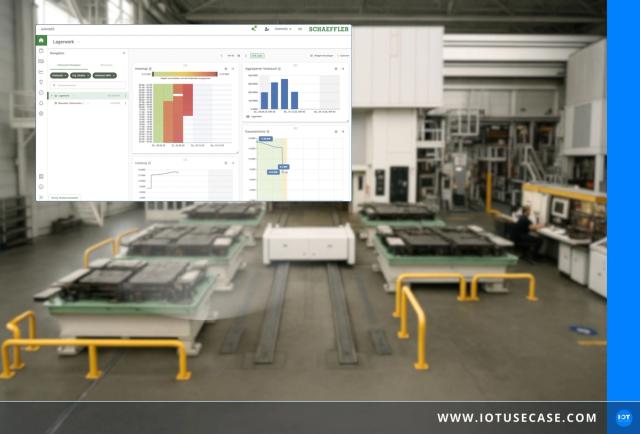




IoT energy monitoring: transparent consumption data for measurable savings






Pharma 4.0 made easy: IT/OT integration for safe, smart GMP solutions







Transparent pressing process – benefits of stroke monitoring for development and series production
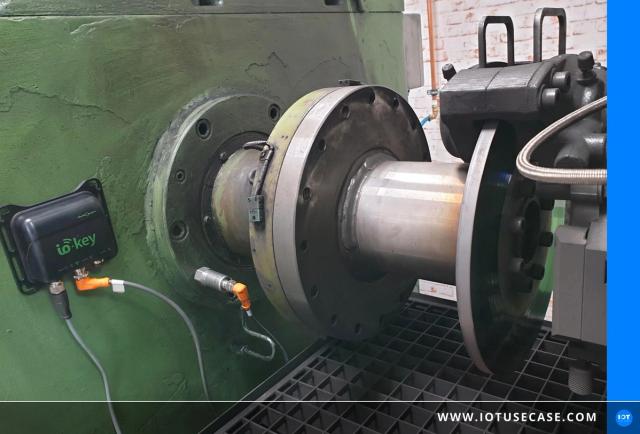



Innovative IoT retrofit in the manufacturing industry



Miele digitises washing machine production with OPC UA
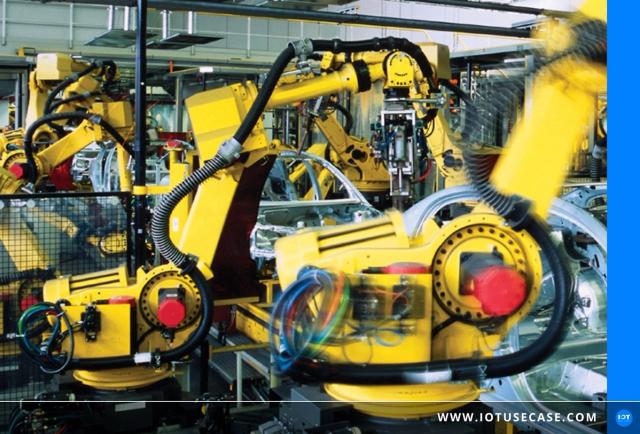






More transparency with energy data management
Press monitoring with IoT: strokes, forces and energy
In the solution examples, four high-precision displacement sensors are retrofitted to all four columns of a servo press. The ifm SmartStamp software combines them with the existing force sensors, die number and stroke count and detects ram tilt and off-centre loading within milliseconds, while the moneo platform raises alarms when limits are exceeded. On hot presses, autosen programs a tamper-proof part counter into the PLC, and the io-key transmits the values to the cloud every ten seconds via IO-Link and cellular network. For energy, meters with M-Bus interfaces record the consumption of individual machines and send it via NB-IoT to a portal, while Schaeffler's autinityE3 software makes the base load of presses visible. Miele connects the presses in its press shop via OPC UA.
The examples come from automotive, mechanical engineering and the home appliance industry, as condition monitoring, part counting and energy monitoring. Brake pad manufacturer FRIMA uses autosen to monitor its presses in real time without a single additional sensor. Automotive Center Südwestfalen analyses every single stroke of its 1,000-tonne servo press with ifm SmartStamp. Using Vodafone Energy Data Management, Magna found savings potential in its compressors and the cooling system of a moulding press and saves around EUR 35,000 a year.
Podcast episodes featuring Press
OPC UA in Practice – About Connecting Old and New Systems and the Context of Data
Energy management via load profile analysis, meters, heat maps and Excel spreadsheets – Connectivity and availability of private 5G campus networks
Remote control and monitoring of imbalances, fill levels, quantities, cycles or temperatures – Innovation in eCommerce | Philipp Uebachs | Autosen GmbH
Press monitoring: frequently asked questions
How can existing presses be retrofitted for press monitoring?
Existing presses can be retrofitted with just a few additional sensors, or even none. For ifm SmartStamp, four displacement sensors on the columns are enough, and force sensors, die number and stroke count come from the existing equipment. At FRIMA, autosen programmed a part counter into the PLC, and an IO-Link distributor connects up to eight data sources to the io-key. The data goes to the cloud via the cellular network, without any changes to the existing IT infrastructure.
What does monitoring press force and tilt reveal?
It detects incorrect loading that damages the guides, bearings, gearbox or crown of the press over time. Excessive ram tilt or off-centre loading, for example after misalignment during a die change, increases the tilting moment. ifm SmartStamp detects this within milliseconds and alerts the operator, who can see from the very first stroke whether the die is mounted correctly. In an emergency, the press can be stopped via moneo.
How can a press counter record part counts automatically?
Part counts can be calculated from the press strokes actually completed and the mould used. At FRIMA, the number of strokes correlates only partly with the finished products, because not every press cycle is completed and moulds produce four or six pads per cycle. autosen therefore programmed a tamper-proof part counter into the PLC. Seven machines are currently equipped, and rollout to all eleven is planned.
How can the energy consumption of presses be reduced?
The first step is to measure consumption for each press rather than only for the whole plant. Schaeffler Digital Solutions' autinityE3 software makes the base load of presses visible, and an eco mode in the PLC then lowers the load outside production hours. Magna records electricity, gas and compressed air down to individual machines and, with Vodafone, quickly found savings potential, including in the cooling system of a moulding press.
More assets in “Machinery and Equipment”

Pump
Pump monitoring with IoT records vibration, temperature, pressure and energy consumption of running pumps. Operators detect damage and faults before a pump fails and plan maintenance by condition rather than at fixed intervals.

Electric motor
Motor condition monitoring with IoT continuously measures the vibration, temperature and current draw of electric motors. Operators detect imbalance, bearing damage or winding faults early and replace motors based on condition rather than after a failure.

Packaging machine
OEE software automatically records run times, downtime, speed and rejects on packaging machines from the machine signals. Operators see where their lines lose performance, and machine builders use the same data for remote access and digital services.

Compressor
With IoT, compressor maintenance follows actual condition: sensors record current consumption, pressure, temperature and running times. Operators detect creeping damage and unused running time early and cut energy and service costs.

Refrigeration system
A refrigeration monitoring system makes service plannable: temperatures, refrigerant circuit pressures, compressor status and energy consumption flow into a platform in real time. Operators and service partners detect faults early, avoid unnecessary site visits and reduce excess consumption.

Air conditioning system
Commercial air conditioning systems in offices, retail branches and data centres can be monitored remotely with IoT. Operators see energy consumption, temperatures and faults in one place, detect failing compressors or refrigerant shortages early and plan service visits precisely.
IIoT Use Case user group
What no solution example tells you
What did the project cost? Which sensor didn't survive in the field? How did you get maintenance on board? 300+ industrial users discuss questions like these with each other every month, openly and without vendors in the room.
Frequent topics in these examples, bring your questions:
- Condition Monitoring
- Digital Documentation
- Energy Monitoring
Online every month
Alternating tech and business focus
Users only
No sales pitches, exchange under NDA
300+ members
OT, IT and IIoT leads from industry