











































































Energy Monitoring

Learn how companies in our network are gaining transparency and identifying opportunities for savings by tracking and analyzing their energy consumption. Could you potentially reduce costs by shifting your energy consumption to times when energy rates are lower?

Industry Challenges – Do These Sound Familiar?

Typical Challenges in Energy Monitoring

  • How do I identify energy consumption drivers in my operations?
  • How do I use energy monitoring to reduce costs and achieve climate goals at the same time?
  • How do I find partners who have successfully implemented energy management?

Our platform provides the answers. Benefit from best practices and connect with experts and technologies that help you increase your energy efficiency – sustainably and economically.

Proven applications for Energy Monitoring

PV Yield Management and Self-Consumption Optimization

3 Solution Examples

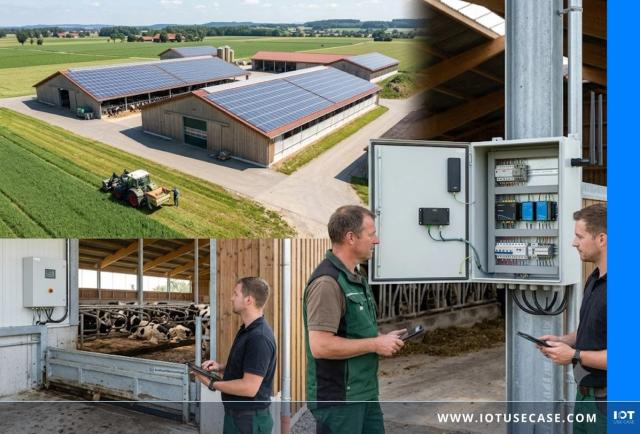
The photovoltaic system is intelligently integrated into energy management. IoT-based forecasts and real-time measurements adapt consumers to yields and electricity prices. This maximizes self-consumption, reduces grid feed-in, and lowers costs in the long term.

Smart Lighting – Lighting Management

6 Solution Examples

Lighting management enables automated control of individual luminaires based on presence, daylight, and time profiles. IoT sensors and addressable controllers not only save energy but also increase flexibility in the use of logistics halls.

Marketing Flexibility in the Energy Market

IoT-based energy management system

24 Solution Examples

The energy management system consolidates all energy flows digitally on a single platform. IoT controllers capture data, while SCADA and cloud systems visualize it. Companies gain transparency, meet ESG requirements, and increase efficiency and supply security through data-driven decisions.

Demand Forecasting and Production Planning

2 Solution Examples

IoT sensors and AI-supported algorithms from our network enable precise prediction of energy demand. This allows smart production planning, shifting energy-intensive processes to periods with lower electricity prices.

Smart Procurement and Hedging

1 Solution Example

Using data-driven forecasts, companies in our network can purchase energy proactively, whether through short-term spot market purchases or long-term PPAs (Power Purchase Agreements).

Energy Efficiency Analysis in Energy Monitoring

17 Solution Examples

Energy efficiency analysis evaluates captured energy data and assigns consumption to individual machines, shifts, or production lines. Based on these evaluations, consumption structures, load profiles, and deviations are analyzed. This enables the systematic identification of inefficient consumption patterns and savings potential.

Leak Detection in Energy Monitoring

13 Solution Examples

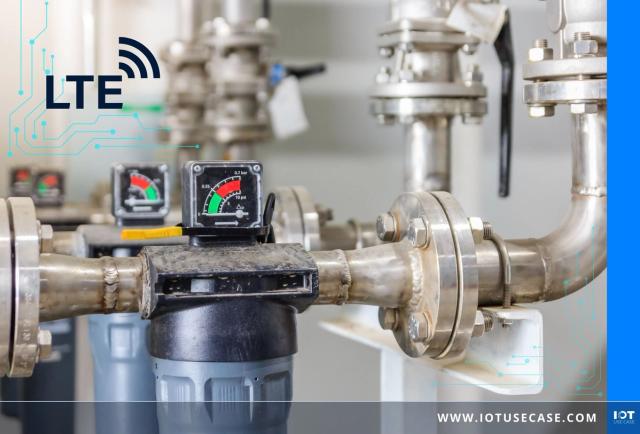
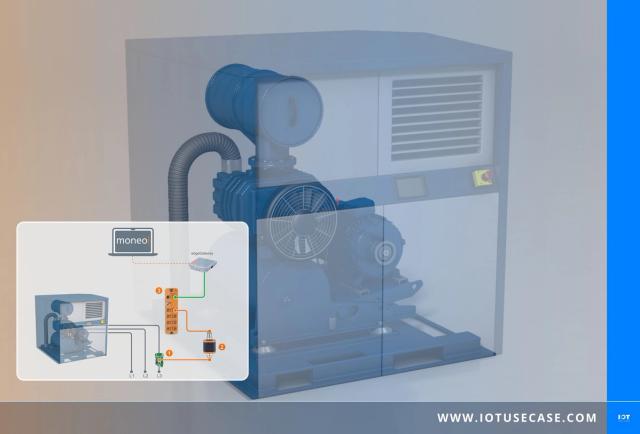
Leakage Detection (Air) Sensors detect air leaks in compressed air systems and machinery. Continuous monitoring enables the localization of losses and the initiation of targeted corrective measures. Leakage Detection (Gas) Sensors identify gas leaks in pipelines and systems. Permanent monitoring supports safe operation and reduces unplanned downtime. Leakage Detection (Water) Sensors detect water escaping from systems and pipelines. Deviations in water flow are identified early to prevent damage and downtime.

Fluctuations in gas flow in Energy Monitoring

An unstable gas flow can significantly affect the quality of coating or melting processes, for example. IoT-based monitoring systems analyze gas pressure and flow in real time and regulate them dynamically to ensure uniform material distribution and optimal process conditions.

Emissions Monitoring (Gas / Fluids) in Energy Monitoring

1 Solution Example

Sensor technology for gas and pollutant detection (e.g. CO₂, NOx, CH₄, VOC)

Consumption Data Collection and Visualization

24 Solution Examples

Consumption data capture continuously collects measured values for energy and media consumption and presents them centrally in a visualized form. Consumption trends and statuses are clearly prepared and made traceable over defined time periods.

Resource Efficiency (Water Management)

6 Solution Examples

IoT-based sensors continuously monitor volume flows of air or water. This data helps to better control consumption, deploy resources in a targeted manner, and sustainably improve the overall energy and resource efficiency of the system.

Remote reading in Energy Monitoring

1 Solution Example

Centralized collection of distributed measurement and status data. Remote reading enables the automated retrieval of operational, status, and consumption data from systems and infrastructure without manual on-site reading.

Battery Storage and Emergency Power Scenarios

2 Solution Examples

Battery storage systems handle load shifting and ensure backup power supply. IoT controllers dynamically manage charging and discharging depending on PV yields or electricity prices. This makes the energy system resilient, reduces costs, and significantly increases supply security.

Energy Cost Optimization per Machine

5 Solution Examples

Companies use IoT-supported systems to make optimal use of their self-generated energy. Surplus energy is specifically used in storage systems or for electric vehicles instead of being fed into the grid. This saves costs and maximizes energy efficiency.

Tracking, visualizing, and analyzing energy consumption per unit

33 Solution Examples

Energy consumption is captured on a per-unit basis, for example per machine, system, device, or usage unit. The measurement data is centrally visualized and evaluated so that consumption trends, peak loads, and deviations are clearly displayed. The analysis enables a structured examination of energy use and consumption development at various levels.

HVAC – Suspended ceilings, heating, cooling

3 Solution Examples

Thermal ceiling sails enable demand-based climate control in individual rooms. IoT sensors capture temperature and occupancy data, which actuators use to control valves and pumps. This enables energy-efficient and comfortable operation in real time.

Peak Load Management

7 Solution Examples

IoT systems detect peak loads and compensate for them using batteries or alternative energy sources. This prevents high grid loads, avoids peak demand tariffs, and saves energy costs in the long term.

Smart Metering in Energy Monitoring

9 Solution Examples

Smart metering refers to the digital capture and transmission of consumption and operational data via intelligent metering systems. Measured values are automatically recorded, assigned to time periods, and made centrally available.

Optimization of self-consumption

Companies with photovoltaic systems use IoT-supported systems to make optimal use of their self-generated energy. Surplus energy is specifically used in storage systems or for electric vehicles instead of being fed into the grid. This saves costs and maximizes energy efficiency.

Smart Charging – Charging Management

3 Solution Examples

Charging infrastructure for electric vehicles is dynamically controlled to avoid peak loads and optimally utilize PV surpluses. IoT systems manage charging priorities and ensure that mobility remains sustainable, cost-efficient, and grid-stable.

Cross-location comparison

7 Solution Examples

Energy monitoring systems make it possible to compare energy consumption across multiple sites. This creates transparency and facilitates the implementation of best practices for maximum efficiency.

Flow measurement, e.g., of air or water

3 Solution Examples

IoT-based sensors continuously monitor volume flows of air or water. This data helps to better control consumption, deploy resources in a targeted manner, and sustainably improve the overall energy and resource efficiency of the system.

Shift or location comparison

9 Solution Examples

Energy monitoring systems make it possible to compare energy consumption across multiple shifts or sites. This creates transparency and facilitates the implementation of best practices for maximum efficiency.

Smart Timing

By analyzing electricity tariffs and real-time prices, companies shift energy-intensive processes to more cost-effective time windows. This significantly reduces energy costs and optimizes utilization.

Submetering in Energy Monitoring

3 Solution Examples

Submetering describes the separate capture of consumption data within a higher-level supply unit. Individual consumers, areas, or usage units are measured separately and clearly assigned. The captured data enables a differentiated view of consumption within buildings, systems, or infrastructure.

Thermal Storage Integration

1 Solution Example

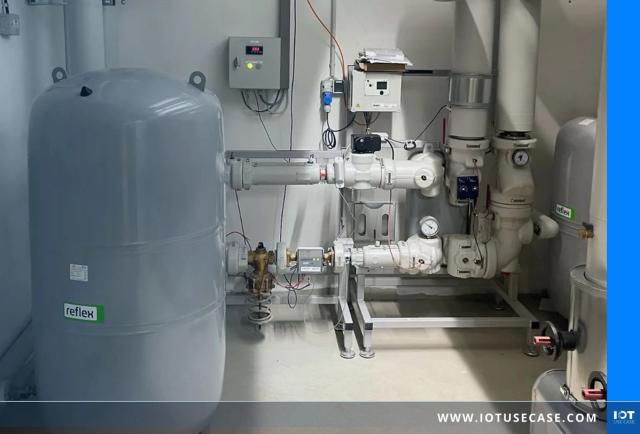
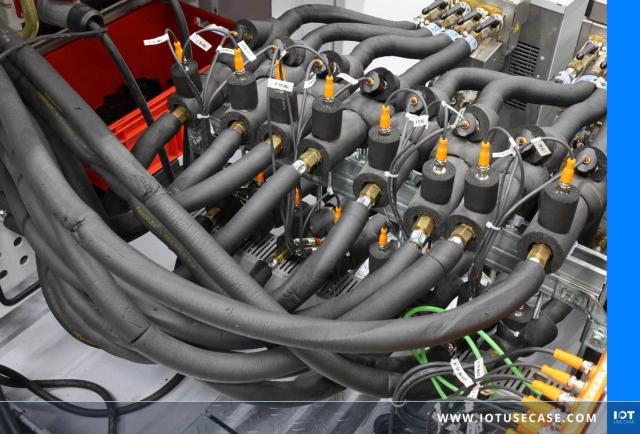
Cold and heat storage systems serve as energy storage and buffers. IoT-controlled hydraulic systems such as the Zortström ensure stable temperature levels and optimize the runtime of heat generators. This enables load shifting and increases supply security.

Benefits of Energy Monitoring

Benefits of Energy Monitoring: Increase Efficiency, Reduce Costs

Cost Reduction Through Real-Time Data

Energy monitoring systems provide you with precise real-time data on your energy consumption. This allows inefficient processes to be quickly identified and optimised, enabling direct savings on energy and operating costs.

Promoting Sustainability and Environmental Awareness

By monitoring energy flows and identifying waste, IoT solutions contribute to a significant reduction in energy consumption. This supports your ESG goals and strengthens your position as an environmentally conscious company.

Efficient Peak Load Management

Avoid costly peak loads through intelligent IoT technologies that balance excess energy from storage or alternative sources. This reduces grid loads and sustainably lowers your energy costs.

Optimised Use of Energy Sources

With features such as time-of-use optimisation, energy-intensive processes can be shifted to time windows with lower electricity tariffs. This saves costs and improves the planning of your operations.

Proactive Maintenance and Leak Detection

IoT sensors identify leaks in compressed air, water or gas systems at an early stage. This enables an immediate response, reduces losses and improves the operational safety of your assets.

Flexibility in Self-Consumption Optimisation

Zero feed-in functions allow you to optimally use renewable energy sources such as photovoltaic systems by storing excess energy in battery storage or other consumers in the micro-grid. This increases energy self-sufficiency and reduces external energy costs.

Questions about Energy Monitoring?

Contact us and learn how you can successfully implement IoT solutions for Energy Monitoring in your company.

Hast du ein konkretes IoT-Vorhaben?

Wir kennen die Anbieter, die es bereits umgesetzt haben.

Your opinion matters
Give feedback
Anonymous · /en/use-cases/energy-monitoring