



































































Quality Management

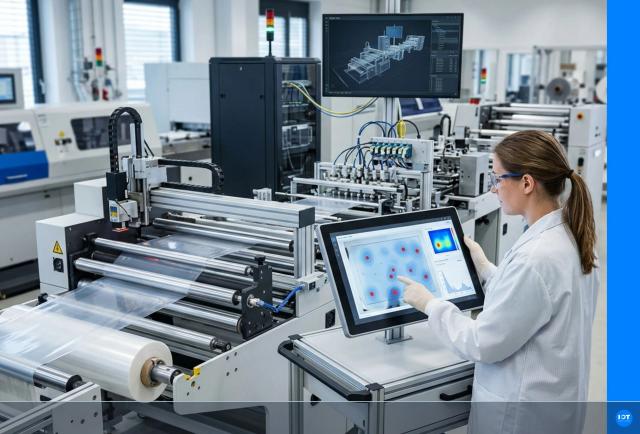
Learn how companies in our network are optimizing their production quality and identifying sources of error early on by using modern IoT sensors and data analysis. Could you potentially reduce scrap by detecting quality deviations in real time and taking immediate corrective action?

Industry Challenges – Do These Sound Familiar?

Typical Challenges in Quality Management

  • How do I detect quality deviations at an early stage?
  • How do I integrate predictive quality systems into existing production processes?
  • Which technologies and partners support me in implementation?

Our platform provides answers. Discover proven IIoT solutions that improve your production quality and reduce errors – supported by leading experts and technologies.

Proven applications for Quality Management

Waste reduction

20 Solution Examples

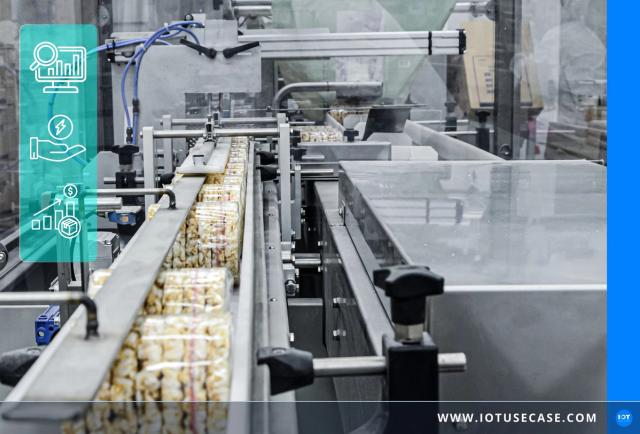
High scrap rates burden production in many operations in our network and increase costs. IoT sensors and data analysis help to identify and eliminate error sources at an early stage. Real-time monitoring of machine parameters minimizes quality fluctuations and sustainably reduces scrap.

Vacuum leaks

In many manufacturing processes – for example in vacuum-based systems – even the smallest leaks are critical as they affect material quality and process stability. IoT sensors continuously monitor negative pressure and immediately detect leaks to prevent production downtime and quality losses.

Invisible microcracks

Microcracks are often not visible to the naked eye but can significantly reduce the load-bearing capacity and service life of components. IoT-supported image recognition and non-destructive testing methods enable early detection of microcracks before they lead to structural problems.

Correlation of Production Parameters

48 Solution Examples

IoT-supported analyses examine the relationships between machine settings and product quality. This data helps to identify faulty processes and make targeted adjustments to ensure consistently high quality.

Material distortion and deformation

Fluctuations in temperature or pressure can cause material distortion and production defects. IoT sensors and associated software monitor critical parameters during production – for example during the coating of turbine blades – and dynamically adjust processes to prevent warping or crack formation.

Water Quality and Purity Levels

3 Solution Examples

Smart IoT sensors monitor water quality in real time. Parameters such as pH value, nitrate content, dissolved oxygen, and conductivity are continuously measured to detect deviations early and ensure compliance with quality standards.

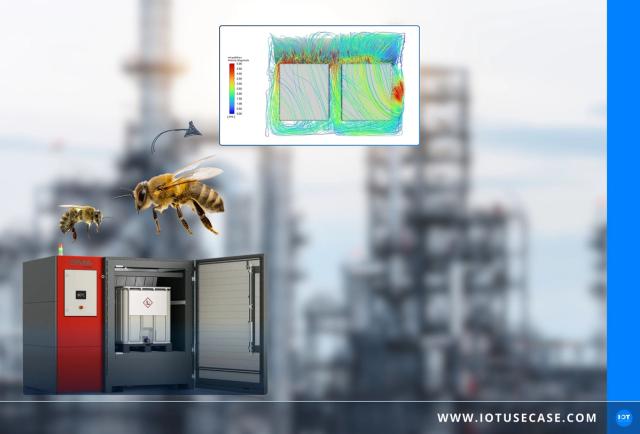
Identify leftover materials

Material residues in containers or larger machines and systems in our network disrupt processes and impair the quality of end products. IoT systems identify residues through optical or chemical analyses and ensure timely cleaning or adjustment of production parameters.

Coating Monitoring

2 Solution Examples

Irregularities in coating processes, for example, lead to quality defects. IoT-supported sensors measure temperature, humidity, and particle concentration in real time. Automatic adjustments to coating parameters ensure a uniform, defect-free coating.

Humidity and Particle Measurement

4 Solution Examples

Fluctuations in humidity or excessive particle concentration can impair production processes and lead to defective coatings or material contamination. IoT sensors measure these environmental parameters in real time and enable automatic adjustment of process conditions to avoid scrap.

Benefits of Quality Management

Benefits of Predictive Quality: Prevent Errors, Ensure Quality

Early Error Detection

IoT sensors monitor parameters such as temperature, pressure, humidity or vibrations in real time. Deviations are detected before they negatively impact product quality. This saves costs by preventing defective production and increases the reliability of your processes.

Optimisation of Production Parameters

Predictive quality enables the analysis and correlation of machine settings and product quality. This allows optimisation potential to be identified and adjustments made to consistently ensure quality.

Error Prevention Through Simulations

Digital twins allow production processes to be simulated to identify potential sources of error in advance. This helps to avoid unwanted production failures and increase efficiency.

Efficient Root Cause Analysis

Predictive quality uses IoT data to analyse the causes of quality problems faster and more accurately. This allows production problems to be systematically eliminated and future errors to be avoided.

Improved Resource Utilisation

Through precise analyses and process controls, predictive quality reduces waste and optimises the use of materials and energy. This lowers costs and increases the sustainability of production.

Questions about Quality Management?

Contact us and learn how you can successfully implement IoT solutions for Quality Management in your company.

Hast du ein konkretes IoT-Vorhaben?

Wir kennen die Anbieter, die es bereits umgesetzt haben.

Your opinion matters
Give feedback
Anonymous · /en/use-cases/quality-management