
Technology and Telecommunications
In telecommunications, IoT mainly monitors data centers, cell sites and cabinets and provides the data needed to lower PUE. Operators also supply NB-IoT, LTE-M and 5G connectivity to other industries. With WAGO, NTT DATA expects to cut cooling energy in its data centers by 35 to 40 percent.
Verified IoT projects: Technology and Telecommunications
47 projects from our network, newest first.
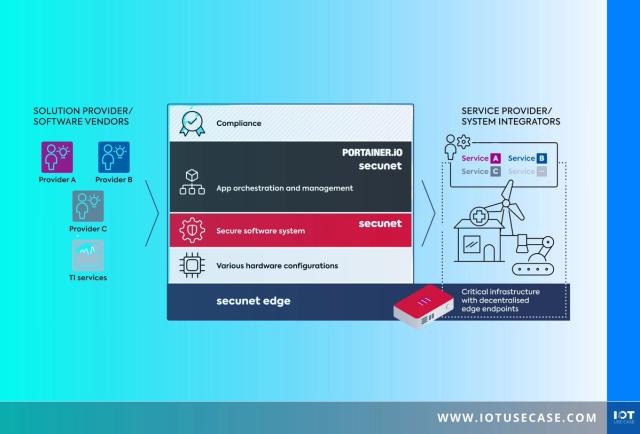







Operating distributed systems securely: with containers and edge platform
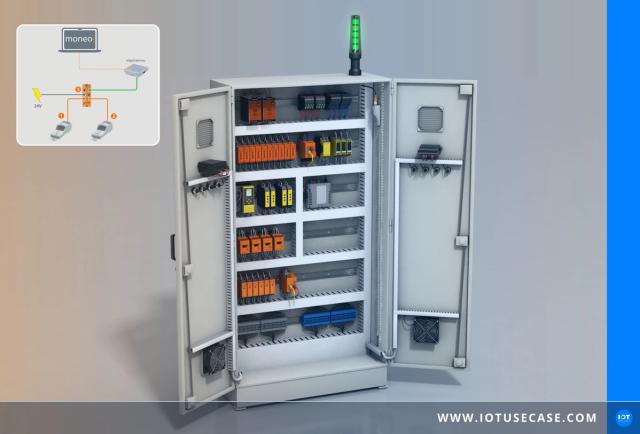

Control cabinet monitoring – protecting and monitoring components
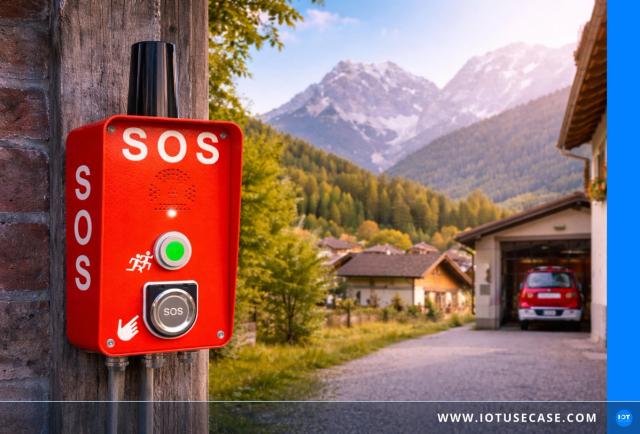







Resilient Emergency Communication for South Tyrol with mioty
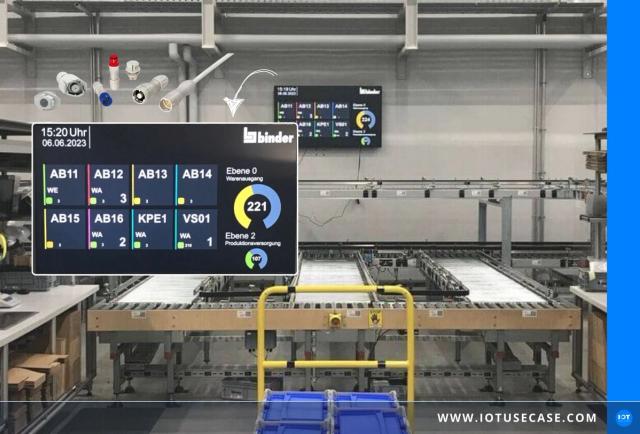



Shopfloor visualisation of SAP and non-SAP data for transparent logistics




5G: Secure remote access via public networks
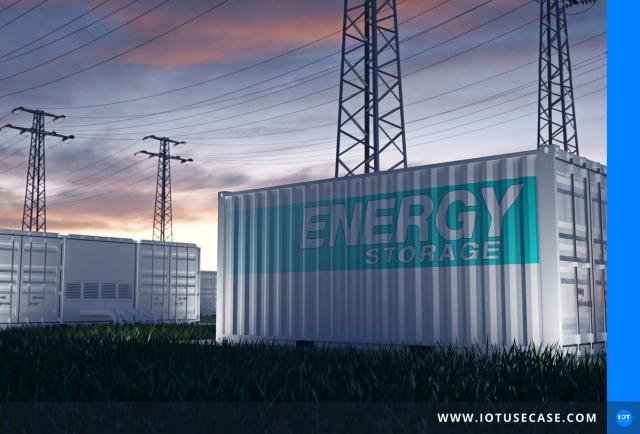


Ensuring plant availability at a manufacturer and operator of smart grid edge devices
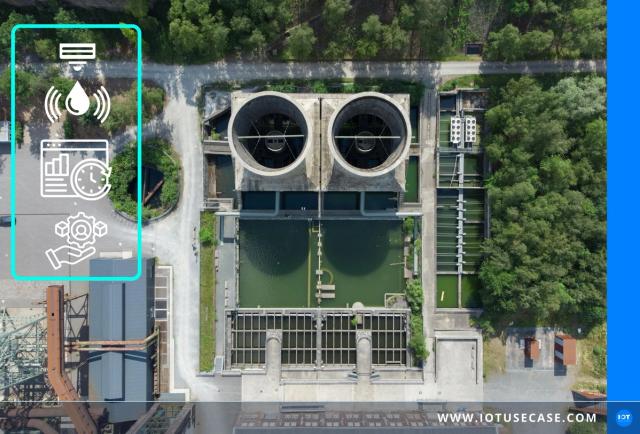


Real-time monitoring for smarter water management with Cumulocity
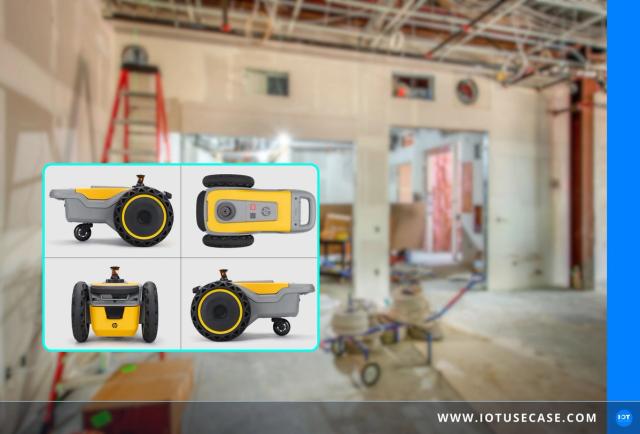



Autonomous printing robot automates layout markings – on construction sites, at trade fairs and more

Scalable HSE (Health Safety Environment) – through central IoT monitoring instead of additional personnel
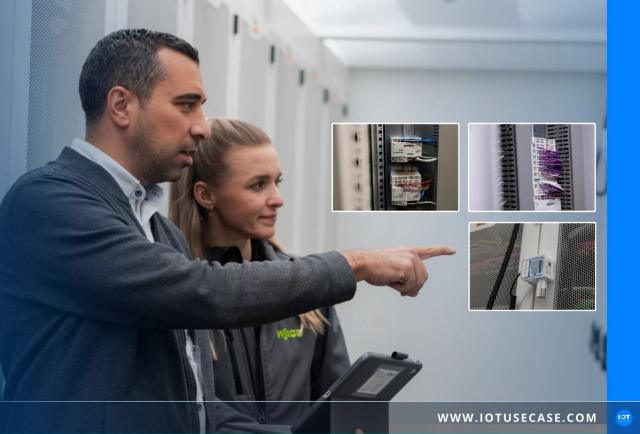



Reducing energy consumption in the data centre with AI & automation

Integrating device data – standardised, scalable, connectable




IIoT Kubernetes platform – managing real-time machine data with MQTT
- Bottleneck LED display boards: how real-time dashboards optimise production control
- PKI in use at R. STAHL AG
- E-Paper displays: smart solutions for every environment
- IoT system digitalises locations of analogue advertising spaces
- Cloud-based lighting control: mastering the challenges of modern building automation
- Smart supply chain: development of the batch size 1 production line
- Efficient IoT data transmission: MQTT and container solutions for smooth IT/OT integration
- How Signify and EMQX redefine intelligent lighting
- Building automation cybersecurity for Leipzig Data Center Campus
- Electrolux turns connected data into transformative insights
- Tefal reduces energy costs and environmental impact with the GENESIS64 platform
- Simplifying the monitoring of residual currents
- Continuous production optimisation with KIS.ME
- Setting off into new galaxies: how DATEV eG uses Confluent to accelerate innovation
- inray and Portainer: revolutionising deployment in Industry 4.0 on edge devices
- Higher employee satisfaction and productivity with real-time data in production
- Reliable GPS tracking through connectivity IoT platform
- Bosch Power Tools streams IoT data with Confluent Cloud
- Miele digitises washing machine production with OPC UA
- Networking of machines via Modbus RTU
- Smart logistics processes with IoT transport box
- Retrofit can be simple: data connection without intervention in the control system with io-key & apollo
- Environmental and energy efficiency in the elevator shaft thanks to IoT
- Automatic detection of pneumatic leaks reduces energy consumption
- Tracking transport tanks for liquid fuels worldwide via IoT
- Smart IoT functions for device fleet
- New security standards for the transport of critical goods
- Smart meter gateways: connectivity and control via mobile communications
- Higher beer quality through brewing process with ultrasonic sensors, AI and cloud solution
- Smart kitchen: automated cooking programs from the cloud
- Sharp robot gaze reduces picking error rate
- Flexible charging solutions with data exchange via the industrial IoT
- Exploiting the potential of networked signal lamps and switches
- Illuminated advertising with cloud connection
- Automated delivery with SAP
Podcast episodes: Technology and Telecommunications
3 episodes of the IoT Use Case Podcast on this industry, newest first.













IoT use cases: Technology and Telecommunications
44 use cases already implemented in this industry, sorted by number of implementations.
Production data, maintenance logs, and operating manuals are stored centrally in digital archives. This simplifies access and management for employees in production and management.








Meet audit requirements effortlessly. In regulated industries such as pharma, food, or chemicals, conformity and certification requirements are particularly demanding. With traceability solutions, you can seamlessly document all relevant data – from the origin of raw materials through production processes to the end consumer. Integration of QR codes on products allows direct access to this data. This promotes transparency in the supply chain, strengthens customer trust, and facilitates cooperation with regulatory authorities.





Digital temperature monitoring, even for extreme conditions. In our network, IoT-based temperature measurements are implemented for steam pipes, for example – using LoRaWAN or mioty® sensors that operate maintenance-free for over 10 years. In condition monitoring and predictive maintenance the data reveals trends and anomalies early; in corrective maintenance it helps locate hotspots and repair defective components in a targeted way.


Automated creation of reports and logs for audits and compliance requirements. Digital systems enable seamless traceability and ensure efficiency in audit processes.
Consumption data capture continuously collects measured values for energy and media consumption and presents them centrally in a visualized form. Consumption trends and statuses are clearly prepared and made traceable over defined time periods.
With modern sensor technology and smart data analysis, damage can be detected before it escalates. Whether leaks in water pipes, overheating in electrical systems or mechanical wear – continuous monitoring makes problems visible early. In condition monitoring and predictive maintenance this leaves time for targeted maintenance, in corrective maintenance affected components are located quickly, and in loss prevention it protects assets and infrastructure in the long term.
- Effective Risk Management
- Smart Lighting – Lighting Management
- Digital Production Logs and Manufacturing Documents
- Inventory Management
- Level and Distance Measurement
- Moisture Measurement
- Object Localization in the Industrial IoT
- Real-time damage prevention
- Track cycle times, utilization, and throughput
- Correlation of Production Parameters
- Digital tracking of products and processes
- Emissions Management
- Precise real-time inventory monitoring
- Protection against counterfeiting and fraud
- Remote Reading
- Route Optimization and Route Planning
- Shift or Location Comparison
- Billing Automation
- Container Management – Logistics IoT
- Digitized Order Management
- Energy Efficiency Analysis
- Hazard detection
- Identification of cargo units using IoT technologies
- Immediate emergency communication
- Insights into Your Entire Supply Chain / Digital Tracking
- Inventory Management and Reorders
- IoT-Based Energy Management System
- Item tracking throughout the supply and manufacturing chain
- Leak Detection
- Object Recognition in Material Flow
- Optimize your supply chain (batch traceability)
- Resource Efficiency (Water Management)
- Seamless control throughout production
- Smart Metering in Energy Monitoring
- Smart Timing
- Tracking, visualizing, and analyzing energy consumption per unit
- Waste Reduction
- Water Quality and Purity Levels
Functional areas in this industry
Number of projects per entry. The number leads to exactly these projects.
Connected assets: Technology and Telecommunications
42 assets from the projects in this industry, sorted by number of implementations.
- Lighting, 4 projects
- Compressor, 2 projects
- Control cabinet, 2 projects
- Cooking appliance, 2 projects
- Pump, 2 projects
- Transport container, 2 projects
- Wastewater, 2 projects
- Advertising installation, 1 project
- Air conditioning system, 1 project
- Assembly line, 1 project
- Beer, 1 project
- Charging station, 1 project
- Circuit breaker, 1 project
- Compressed air, 1 project
- Construction site robot, 1 project
- Crane, 1 project
- Dishwasher, 1 project
- Electricity meter, 1 project
- Emergency call button
- Food and beverages
- Goods in transit
- Heating system
- High-bay warehouse
- IBC
- Indoor air
- Liquid in IBC
- Order picking robot
- Parcel
- Pet
- Power tool
- Press
- Production line
- Refrigeration system
- Refrigerator
- Tap
- Track infrastructure
- Transformer
- Vending machine
- Ventilation system
- Wastewater treatment plant
- Welding system
- Workpiece
The challenges driving IoT projects in technology and telecommunications
Network infrastructure monitoring and outage prevention
Mobile masts, fiber nodes, distribution units, and passive infrastructure must be available around the clock. Sensor-based monitoring detects failure risks early – before customers are affected and SLA penalties apply.
Data center monitoring and infrastructure surveillance
Temperature, humidity, airflow, power supply, and cooling systems in data centers must be monitored without gaps. A single hotspot can cause server failures. IoT monitoring enables proactive intervention before critical thresholds are reached.
Energy efficiency and PUE optimization in data centers
Data centers are among the most energy-intensive infrastructures of all. Granular energy monitoring at rack, row, and building level enables PUE optimization, reduces electricity costs, and provides the data foundation for CO₂ reports and sustainability certifications.
Scalable connectivity for IoT platforms and 5G deployments
Telecommunications companies are themselves IoT enablers – and must connect millions of end devices securely, scalably, and with low latency. NB-IoT, LTE-M, 5G, and private networks must be correctly selected and configured depending on the use case.
Predictive maintenance for network and field devices
Outdoor infrastructure such as mobile antennas, amplifiers, base stations, and overhead line components is exposed to extreme environmental conditions. Sensor-based condition monitoring detects wear and faults before costly on-site deployments become necessary.
Cybersecurity for networked infrastructure and IoT endpoints
With a growing number of connected devices and critical infrastructure, the attack surface increases dramatically. Secure device identities, encrypted communication, and zero-trust architectures are no longer options but mandatory components of every IoT deployment strategy.
IoT in telecommunications means two things: network operators provide the NB-IoT, LTE-M and 5G connectivity the Internet of Things runs on, and they need IoT themselves to monitor cell sites, fiber nodes and data centers. Both are everyday practice at network operators, data center operators and technology companies.
The pressure comes from three sides: network infrastructure must be available around the clock, data centers have to lower and prove their PUE under new energy efficiency rules, and millions of end devices need secure, scalable connectivity.
On this page you will find implemented solution examples from the IoT Use Case network, from data center cooling optimisation and control cabinet monitoring to smart meter gateways and 5G remote maintenance, with the users, providers and technologies behind them.
IoT in Telecommunications: User and Enabler at the Same Time
The technology and telecommunications industry sits on both sides of the Internet of Things. Network operators provide the cellular, NB-IoT, LTE-M and 5G connectivity that IoT solutions in every other industry run on. At the same time, they operate thousands of distributed sites, cabinets and data centers of their own that need to be monitored, maintained and run efficiently.
What sets the industry apart is scale. A network operator manages millions of SIM cards, a data center operator thousands of controllers, and much of this equipment is critical infrastructure. IoT solutions here have to scale, run redundantly and meet high security requirements.
Typical IoT Use Cases in Technology and Telecom
Data Center and Server Room Monitoring
Temperature and humidity sensors on racks, power meters at PDU level, differential pressure sensors on the cooling system and leak sensors under the raised floor form the backbone of physical data center monitoring. The readings flow into a DCIM system (data center infrastructure management) or an IIoT platform. When a value crosses its threshold, an alert goes out automatically, before a hotspot shuts servers down.
The same principle works in a small server room or control cabinet. In the ifm solution example, IO-Link sensors measure temperature and humidity inside and outside the cabinet, a contact probe watches the transformer as a hotspot, and electronic fuses report each of up to 16 circuits of the 24 V supply individually.
Optimising Data Center Cooling and Lowering PUE
PUE (power usage effectiveness) is the ratio of a data center's total energy consumption to the consumption of its IT hardware. A PUE of 1.5 means that every kilowatt hour for servers comes with 0.5 kWh for cooling, power distribution and lighting. Cooling is almost always the biggest lever for data center energy efficiency.
How much can be gained there is shown by NTT DATA and WAGO: Global Data Centers operates 45 data centers in EMEA and is moving 35 of them to AI-based optimisation. Around 2,000 WAGO controllers feed real-time data from chillers, pumps and power distribution via Modbus. The expected result is 35 to 40 percent less energy for cooling, with the investment paying back in under a year of operation.
Regulation is making PUE mandatory. Germany's Energy Efficiency Act (EnEfG) requires existing data centers to reach a PUE of 1.5 by July 2027 and 1.3 by July 2030, and new data centers from July 2026 to reach 1.2. Without continuous energy monitoring at rack, row and building level, this can neither be managed nor proven.
Remote Monitoring of Network Infrastructure and Cell Sites
Sensors on base stations, fiber distribution points and outdoor cabinets report temperature, voltage, humidity and door openings. Deviations are detected before components fail and SLA penalties apply. That saves unplanned site visits, which quickly become the largest operating cost for widely distributed infrastructure.
The solution by Deutsche Telekom IoT and D+H shows how an on-site measurement becomes remote monitoring: a measuring box with an LTE modem connects via 2G, 4G or 5G, depending on the site, to the Cloud of Things and calculates energy losses and CO₂ emissions in real time. The box is shipped by post instead of being installed by a technician.
IoT Connectivity: NB-IoT, LTE-M, 5G or LPWAN
Which wireless technology fits depends on data volume, energy budget and location:
- NB-IoT for small data volumes, long battery life and good building penetration, for example for meters and sensors in basements.
- LTE-M for mobile devices and somewhat larger data volumes, with handover between cells.
- 5G for high data rates and low latency, for example remote maintenance with video or large software updates.
- mioty and other LPWAN networks for very large numbers of battery-powered sensors and applications that must run independently of public networks.
For large fleets, SIM management often matters more than the radio technology. co.met and Telefónica connect smart meter gateways for around four million metering points via a global SIM that automatically switches to whichever network is available, and manage the cards on a multi-tenant platform with an API.
Private 5G, Campus Networks and Secure Remote Access
Network operators and system integrators build private 5G networks for plants, ports, airports and logistics hubs. Not every use case needs a private network, though: Siemens shows how machines at remote sites can be maintained securely over the public 5G network using an industrial router, VPN and a role concept. 5G coverage already exceeds 90 percent in many European countries.
Resilient Communication for Critical Infrastructure
What happens when cellular networks and power fail? The province of South Tyrol and Swissphone built a dedicated mioty network for this: 50 base stations cover 7,400 km² of mountains, 333 public emergency buttons usually reach several stations at once and bridge up to 48 hours of power outage with a backup battery. The backend deliberately runs locally and redundantly rather than in the cloud.
Secure Device Identities with PKI
The more devices on the network, the more important it becomes which of them may connect. R. STAHL issues around 8,000 certificates to phones, access points, servers, mobile devices and machines from a central PKI appliance and validates them with a high five-digit number of checks per hour. Certificates instead of passwords are the foundation of any zero-trust architecture and of IoT security at scale.
What Sets IoT in Telecom Apart from Other Industries
In hardly any other industry does scale dominate like this. A solution that works in a pilot with 50 sensors later has to carry hundreds of thousands of endpoints, with device management, over-the-air firmware updates and automated certificate rotation.
Then there is regulation. Telecom networks and data centers are critical infrastructure, and many operators fall under NIS2 and national energy efficiency rules. IoT components therefore need secure bootstrapping, encrypted communication and traceable access rights, and their data has to hold up as evidence for authorities and customers.
How to Start an IoT Project in a Data Center or at Network Sites
- Start with one metric: PUE, outage minutes, site visits per location or cooling energy cost. It determines which data you need.
- Take stock: which data do building management, UPS and cooling already provide via Modbus, SNMP or BACnet? Retrofitting is often enough, as at NTT DATA, where existing I/O cards were kept.
- Choose connectivity per site: wired inside the data center, NB-IoT, LTE-M or LPWAN in the field, 5G where bandwidth matters.
- Start small, plan for scale: one data center, one site cluster, one metric. Design device management and security from day one so they also carry the rollout.
Real-World Examples and Providers from the IoT Use Case Network
Further down this page you will find all solution examples assigned to this industry, with users, technology providers and the technologies used, from data center cooling and control cabinet monitoring to smart meter gateways and 5G remote maintenance. Every example shows which problem was solved and what came out of it.
Looking for the right partner for your project, or want to become visible as a provider with a reference? Get in touch.
No marketing fluff. Only practice.
Frequently asked questions: implementing IoT in technology and telecommunications
Where does IoT pay off first in data centres and network operations?
Usually in cooling and power distribution, because that is where most energy is consumed apart from the IT itself. Real-time data from chillers, pumps and sub-distribution boards shows where equipment is running unnecessarily. At distributed sites such as cell towers, fibre distribution points and outdoor cabinets, sensors for temperature, humidity, power and door openings save call-outs, because you detect faults remotely and bundle site visits.
How do I lower my data centre's PUE?
First by measuring it accurately. PUE divides total energy consumption by the consumption of the IT hardware, so 1.5 means 0.5 kWh of extra consumption per kWh of IT load. Meters on the incoming supply, cooling, UPS and PDUs show where this extra consumption arises. Levers include higher supply air temperatures, hot and cold aisle containment, demand-controlled pumps and fans, and free cooling. The European Code of Conduct recommends below 1.5 for new data centres.
How do I meet the PUE requirements of Germany's Energy Efficiency Act?
With complete metering and an energy management system. Germany's Energy Efficiency Act (EnEfG) requires existing data centres to reach a PUE of no more than 1.5 from 1 July 2027 and 1.3 from 1 July 2030, while data centres entering operation from 1 July 2026 must reach 1.2. From 2027, electricity must come entirely from renewable sources on a balance-sheet basis. Sensors on cooling, pumps and power distribution provide the evidence and show you where to adjust.
How do you monitor a server room or data center?
With temperature and humidity sensors on the racks, leak sensors on the floor, power meters on PDUs and UPS, and differential pressure on the cooling system. The readings flow into a DCIM system or IIoT platform that raises an alarm automatically when a threshold is exceeded. In control cabinets, IO-Link sensors also monitor hotspots and individual circuits.
Do I need a DCIM system or is an IoT platform enough?
It depends on what you want to manage. A DCIM system also handles racks, capacity, floor space and cabling and pays off mainly for colocation and large data centres. If the focus is on temperature, humidity, leaks, power and alerting, for example in a server room or at distributed sites, an IoT platform with sensors is often enough. Look for open interfaces so that you can transfer the data to a DCIM later.
Which IoT SIM card and network do I need for my project?
That depends on data volume, power supply and installation location. NB-IoT suits small data volumes, long battery life and difficult locations such as basements, LTE-M suits mobile devices, and 4G or 5G suits video or large updates. For devices at many sites, an IoT SIM that can connect to several networks and is managed centrally pays off. You only need your own campus network if latency or on-site coverage must be guaranteed.
How do I secure connected devices in data centres and networks?
With a unique identity for each device, ideally via certificates from a PKI instead of passwords, encrypted communication and a role concept based on zero-trust principles. One manufacturer of explosion protection technology manages around 8,000 certificates centrally this way. Also monitor the communication of your building management system: one data centre operator detects anomalies around the clock and in its first year tracked down and removed unencrypted connections and outdated firmware.
How quickly does IoT pay off in a data center?
For cooling, often within a year. An operator of around 45 data centres expects AI-based optimisation using real-time data to cut cooling energy by 35 to 40 percent and pay back in under a year of operation. The data needed from chillers, pumps and power distribution can often be obtained by retrofitting rather than rebuilding, and existing input and output modules stay in use.
How do I find a provider for IoT in data centres and telecommunications?
The fastest way is through projects that are already up and running. The solution examples on this page name the implementation partner, the technology used and in most cases the user, so you can see who has already delivered a comparable data centre or network project. If you briefly describe your project via the contact form, we will put you in touch with providers who have experience with your exact use case in data centres and telecommunications.
Implementing IoT in technology and telecommunications – we can help
Are you planning an IoT project in the technology or telecommunications industry, or do you want to become visible as a solution provider in this area? We help you find the right partners, present solutions in a practical way, and reach real users.
Get in touch