Modbus Technology Solutions
- 8 verified partners
- 9 solution examples online
- More in our database
- 11 industries
People with Modbus experience in the network
Users and contacts at our partners who have used this technology in their projects. Open a profile to get in touch directly.









What Modbus is used for
Brownfield connection of existing plants via Modbus without modification
Many energy meters, drives, HVAC units and older controllers already have a Modbus interface. A gateway reads it without any modification to the equipment.
Integrating legacy devices into a modern IoT architecture
The gateway translates Modbus registers into MQTT or OPC UA. Values from devices that may be twenty years old end up in the same data model as the newest machines.
The cheapest way to connect old equipment
Modbus is open, licence-free and needs only a two-wire cable or existing Ethernet. Gateways and converters are inexpensive, and the know-how exists in almost every maintenance team.
What is Modbus?
Modbus is one of the oldest and most widely used communication protocols in automation. Developed by Modicon in 1979 for controllers, it is now open and licence-free. A client (formerly master) polls values from a server (formerly slave), which holds its data in four register types: coils and discrete inputs for bits, holding and input registers for 16-bit values. Modbus RTU runs serially over RS-485, Modbus TCP over Ethernet on port 502.
How Modbus is used in the IIoT
Modbus is the brownfield protocol par excellence. Energy meters, frequency drives, inverters, HVAC and refrigeration, compressors, temperature controllers and many older PLCs speak Modbus, often for decades. For IIoT projects this means: instead of installing new sensors, a gateway reads the existing registers and provides the values via MQTT or OPC UA. Typical applications are energy monitoring, supervising auxiliary equipment and connecting machines that lack a modern interface.
Modbus RTU or Modbus TCP?
Both use the same data model but differ in transport. Modbus RTU runs over an RS-485 two-wire line, which can connect up to 32 devices without repeaters and, at low baud rates, cable lengths of up to about 1,200 metres. Modbus TCP uses standard Ethernet and is faster and easier to network. Gateways translate between the two. Compared with OPC UA, Modbus has no semantics at all: only the datasheet tells you which value sits in which register.
How Modbus data gets into the IIoT
In practice, a gateway or edge device sits on the bus or network as a Modbus client. It polls the registers of connected devices cyclically, for example every second or every minute, converts the raw values with the appropriate scaling into physical quantities and passes them on with name and unit via MQTT or OPC UA. Serial devices on RS-485 and devices with Modbus TCP can be combined in the same gateway. Write access to registers is possible but should be enabled deliberately.
What to consider when choosing
Most of the work lies in register mapping. You need the manufacturer's register table for every device and must set data types, scaling and byte order correctly, or implausible values result. Gateways with ready-made device templates save a lot of time here. Because Modbus neither encrypts nor authenticates, it belongs in an isolated network segment and never directly on the internet. With RS-485, clean cabling, termination resistors and unique device addresses determine stable operation.
Solution examples
16 online · more in the databaseFunctional area
Industry





Retrofit cooling systems digitally and monitor them in real time






Interface connection for CNC machines in live operation
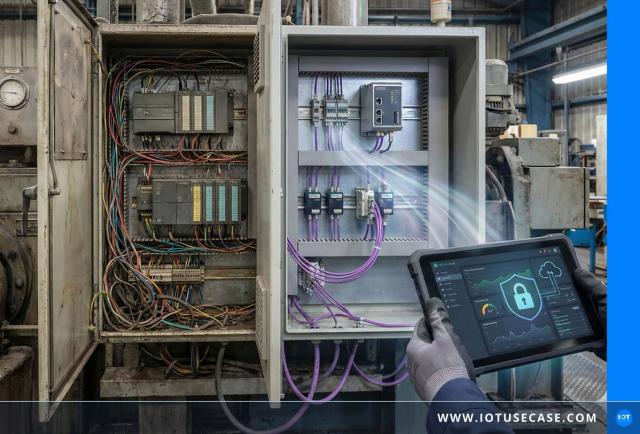






Modbus retrofit makes legacy systems secure and IoT-capable





Operating compressed air compressors efficiently with remote monitoring
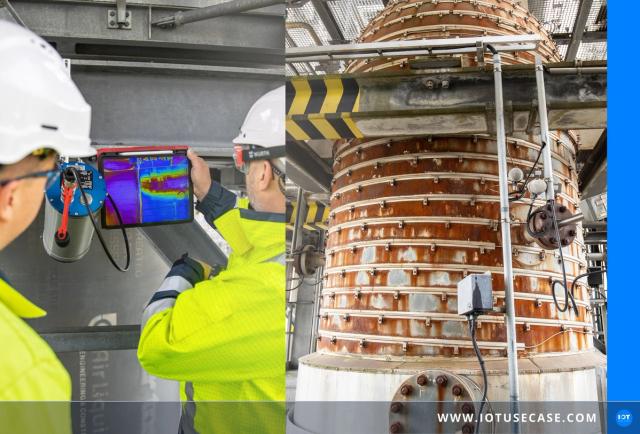



Maintenance at 1000°C – using condition data instead of stopping plants



MQTT broker for utilities and smart transport infrastructures
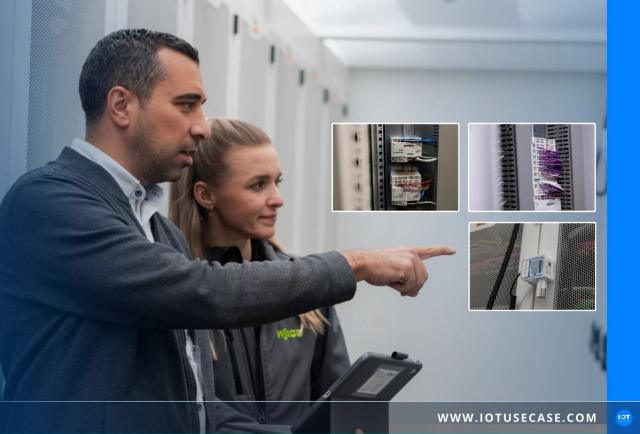


Reducing energy consumption in the data centre with AI & automation
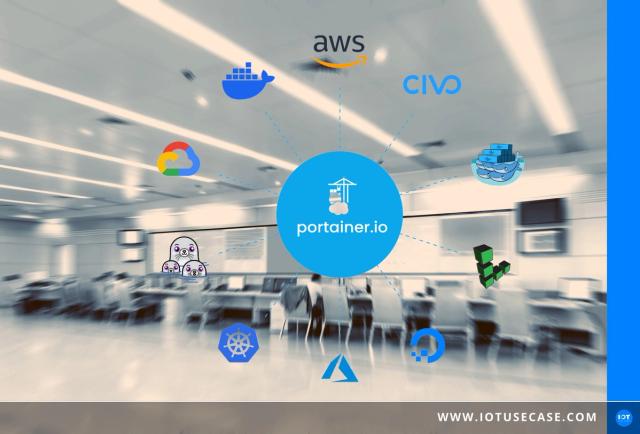




Optimising Industry 4.0: efficient software container management as the key to peak production
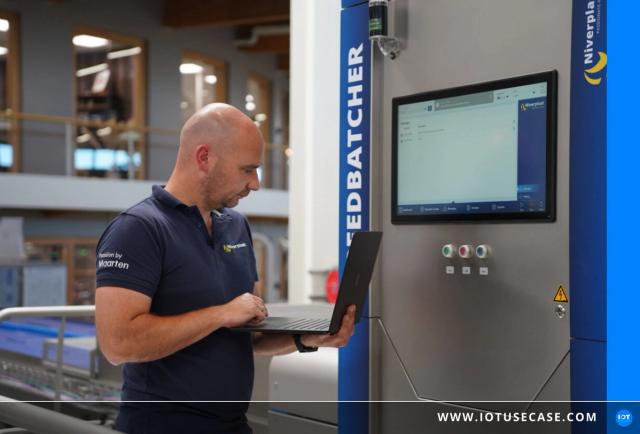



How Niverplast uses IXON for logging data to AWS via MQTT
User Group
Modbus is a topic in the Tech Round (OT/IT/IIoT decision-makers)
300+ practitioners discuss specific questions from their projects every month, including about Modbus. No vendors in the room, honest exchange under NDA. Personal introductory call before admission.
Join the waiting list →Use cases implemented with Modbus
Early Detection of Damage in Condition Monitoring
4 solution examples →
Early Detection of Damage in Corrective Maintenance
3 solution examples →
Structured access to files and documents
3 solution examples →
IoT-Based Energy Management System
2 solution examples →
Leak Detection in Condition Monitoring
2 solution examples →
Remote Reading in Condition Monitoring
2 solution examples →
Temperature Measurement in Condition Monitoring
2 solution examples →
Temperature Measurement in Corrective Maintenance
2 solution examples →
Tracking, visualizing, and analyzing energy consumption per unit
2 solution examples →
Companies implementing Modbus
8 verifiedVendors and integrators whose Modbus projects you can find in our solution examples.








Podcast episodes on Modbus
14 episodesFrom the IoT Use Case Podcast, newest first. Each episode opens its own page with audio, summary and transcript.
- #224Data Harmonisation with AIoT: What Do AI Agents Need for the Mapping?Cumulocity GmbH · 47 min · Sep 23, 2026To the episode
- #205IoT Low-Code on the Shopfloor: Machine Data via OPC UA into ERPPeakboard · Johannes Giesser Messerfabrik GmbH · 33 min · Feb 11, 2026To the episode
- #197Passive OT Monitoring: Detect attacks before they become criticalRhebo OT & IIoT Security · 36 min · Dec 3, 2025To the episode
- #190Retrofit under EU requirements: How Perinet securely connects legacy systemsPerinet GmbH · 33 min · Oct 22, 2025To the episode
- #183Saving Energy at Sea: How IoT Is Making Pump Systems More EfficientExor International SpA · BESI Marine Systems GmbH · 35 min · Aug 27, 2025To the episode
More technologies: IoT Protocols & Fieldbus
All Technology Solutions →Industrial protocols pull data from sensors, controllers and machines. Which protocol a plant speaks determines how easily existing machines can be retrofitted for the IIoT.