

Mechanical and Plant Engineering
Whether predictive maintenance for machine tools, remote monitoring of systems at the end customer, or digital service platforms for OEMs – IoT is fundamentally changing mechanical and plant engineering. Not as a vision of the future, but as everyday practice at machine builders who are already working with it today and developing new business models from it.
IoT solution examples: Mechanical and Plant Engineering
144 solution examples from our network, newest first.
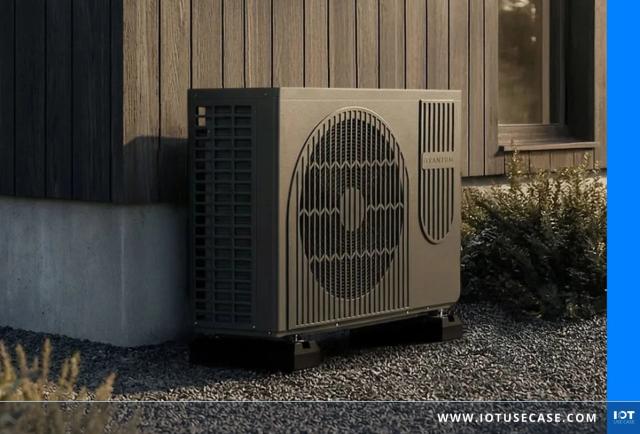



Servicing heat pumps remotely via built-in cellular
Qvantum equips every heat pump with a cellular modem and Telekom IoT SIM at the factory. From the moment it is switched on, the unit is online: installers get remote support, QDoctor flags faults, and an algorithm cuts energy costs by up to 20%.





Monetizing IoT services: from machine connectivity to revenue models
Connected machines alone do not generate revenue. At ZEISS Microscopy and EWE Go, doubleSlash shows how machine data turns into recurring revenue: Connect, Make Smart, Monetize.
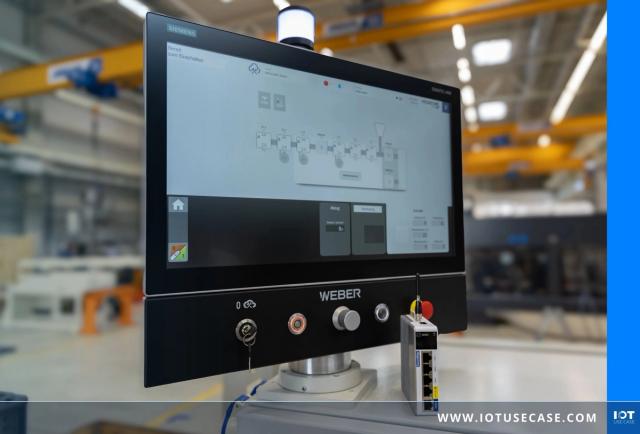



Machine fleet growth: from remote access to a digital service offering
Hans Weber Maschinenfabrik uses the IXON Cloud to turn remote maintenance into a central service platform. Around 50 employees instead of 10 to 12 now work with data from 180 connected machines, and far more issues are resolved remotely.
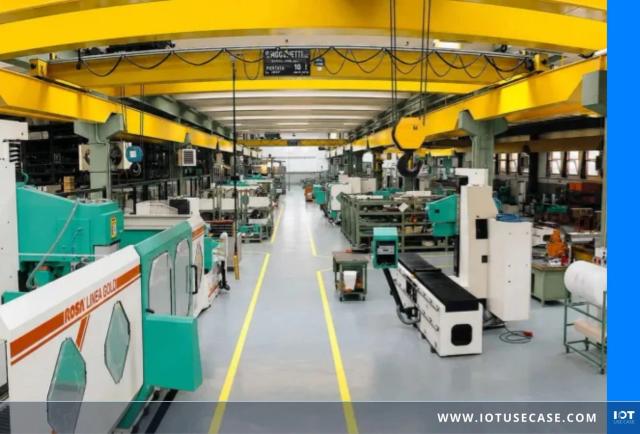




Replacing service silos with one platform to fix faults remotely
Rosa Ermando replaces scattered service silos with the symmedia Hub. Around 60 percent of software problems on its grinding machines are now solved remotely.
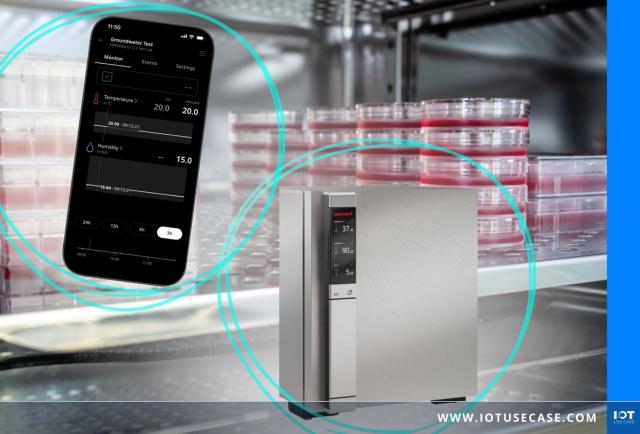



IoT retrofit creates digital services for legacy devices
Memmert connects its climate and temperature control devices with the IoT retrofit by KURZ Digital. Legacy devices can now be monitored remotely via app.
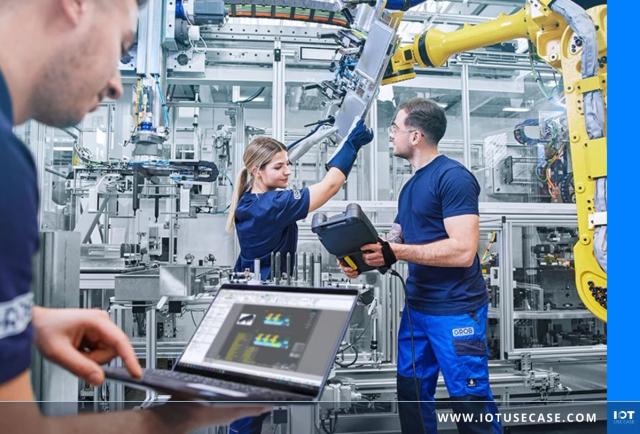




Consolidating project costs and machine data on one central data platform
GROB-WERKE and b.telligent consolidate project costs, forecasts and machine data in Microsoft Fabric. Reports now take seconds instead of manual work.
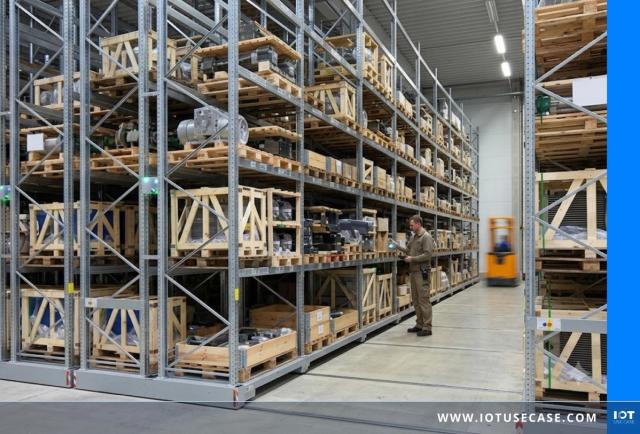



Protecting mobile racking from downtime through condition monitoring
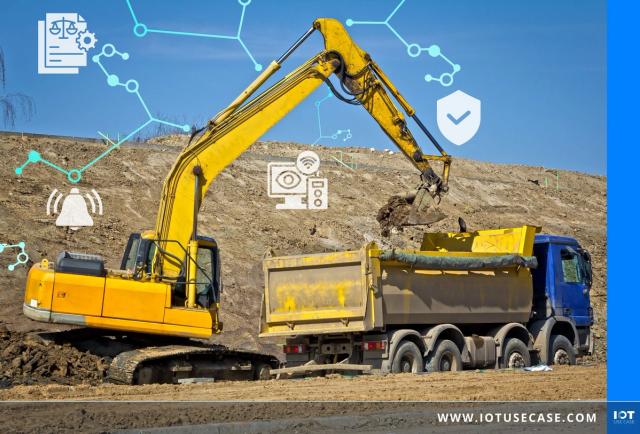

Enabling remote service for construction machinery despite data laws
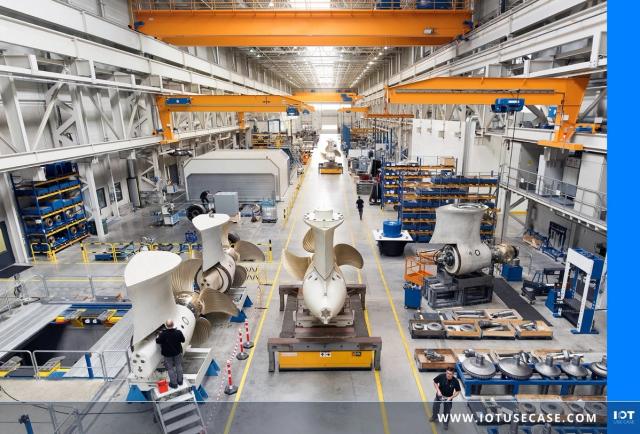



Cyber resilience for ship propulsion via certifiable OT security
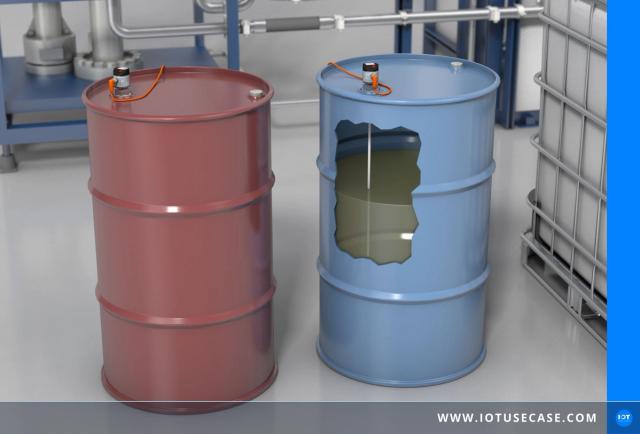


AI-supported level monitoring of casting resin drums
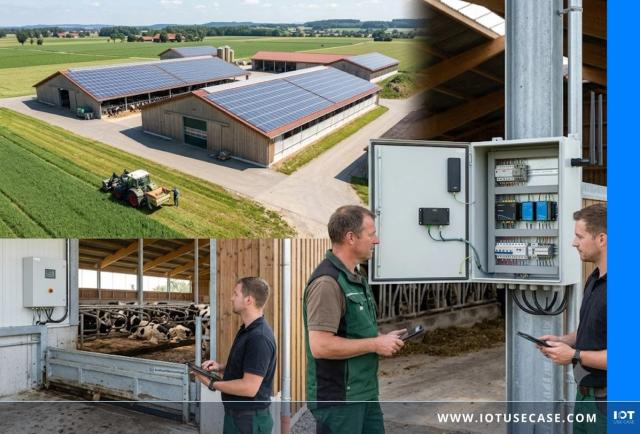

Remote access to control systems: from on-premise VPN to cloud platform






Integrate CNC data via OPC UA without system redesign
- Roller chain monitoring via IO-Link to prevent downtime
- Intelligent industrial automation for faster response times and better support
- Connect high-end microscopy systems – centralized data makes service predictable
- Camera-based process monitoring increases the quality and efficiency of vacuum systems
- Digital job traveler closes the gap between shopfloor and IT systems
- Digital service portal as a white-label solution
- IoT-based returnable management optimizes material flow and replenishment
- Interface connection for CNC machines in live operation
- Remote monitoring of pumps and systems as a digital service
- Standardised machine connectivity and secure integration via Edge Layer
- IoT-based pump control saves energy in maritime shipping
- OPC UA Andon visualisation keeps assembly and logistics in sync
- From machine to customer portal – clear data interfaces for service and customer integration
- Automatic standby management in machining
- IoT-based HMI platform modernises remote maintenance in leak testing
- Modbus retrofit makes legacy systems secure and IoT-capable
- 5G: Secure remote access via public networks
- NIS-2 gap analysis at a machine manufacturer strengthens IT security
- Operating compressed air compressors efficiently with remote monitoring
- Standardizing machine data in food production with OPC UA – hardware-independent and scalable
- PET blow molder becomes IoT-enabled – retrofit without machine rebuild
- From compressor to smart product – how data-driven services open new business fields in mechanical engineering
- Smart shopfloor integration with IIoT and Kubernetes
- Integrating production data into SAP S/4HANA – in real time and without interfering with the controller
- Vibrations that cost money: drift detection for conveying and separation technology
- Secure product development in mechanical engineering with DevSecOps
- Saving energy with IoT compressed air monitoring in production
- Asset management using conveyor systems as an example – scaling IoT without own platform development
- Build a smart factory – with seamless IT/OT integration and event-driven architecture
- Optimizing manufacturing processes with machine learning – without changes to IT and machines
- Lifetime monitoring solution for pump testing
- IoT revenue of a network operator tripled – with device integration and vertical services
- Security gap closed: how XITASO strengthens the cyber resilience of the DMG MORI CELOS X platform
- IT/OT integration: secure remote maintenance for improved machine management
- Pharma compliance implemented with track-and-trace tool – at Uhlmann Pac-Systeme
- Compressed air under control – detecting leaks, avoiding failures
- Smart riveting – how the tool communicates with IT
- IIoT Kubernetes platform – managing real-time machine data with MQTT
- IoT-based service app and real-time monitoring optimise mobile energy systems
- Optimised precision through the ifm moneo Cloud and IO-Link technology
- Secure IoT platform as the foundation for new digital business models and increased efficiency in mechanical engineering
- IoT retrofit for legacy equipment: efficiency boost through part counting and process optimisation
- From reactive to proactive: how digital service platforms prevent downtime
- More efficient intra- and production logistics with IoT button and OX label
- Secure digital identities for networked agricultural machinery
- Central machine data for new service models in food production
- Increasing delivery reliability with real-time applications.
- From in-house development to flexible solution: CLAAS optimises assembly processes with Peakboard
- Additive manufacturing becomes economical through CC-Link IE TSN
- Digitalising production processes via network adapter
- Efficient IoT data transmission: MQTT and container solutions for smooth IT/OT integration
- Detecting anomalies for improved machine availability
- Improving machine performance worldwide with remote access and data analysis
- Localisation systems, geofencing and real-time data in production control
- Filter systems: monitoring and data management solution from practice
- Condition monitoring with precise vibration monitoring
- Efficient energy management with intelligent compressed air sensors
- How Niverplast uses IXON for logging data to AWS via MQTT
- Improving the eco-balance of production and reducing emissions
- Optimising human-machine interfaces (HMI) in filling processes
- Unlocking OT data access and efficient network communication with Kepware
- Automated quality controls: the possibilities and potential of optimisation
- Increased efficiency through data-based machine monitoring
- CC-Link IE TSN brings movement to the battery industry of tomorrow
- CC-Link IE TSN drives innovation in Keller’s industrial printing technologies
- Critical infrastructure systems optimised: IoT as a success driver at Gilardoni
- Automatic over-the-air configuration of distributed industrial systems
- Hands-on Modbus Cloud Connect: reducing service and maintenance costs
- Low-code platforms facilitate shopfloor management
- SECS/GEM interface FabLink® in the backend of the semiconductor industry
- Open source: data acquisition and visualisation for sustainable gas production
- Service and after-sales: new business cases through collaboration
- Securing and connecting machines and control systems through integration of a secunet edge
- Clean water, digital documents, simple audits
- Retrofit: simple condition monitoring for existing systems
- Smart water treatment with local data processing
- Predictive maintenance thanks to connectors with wireless technology
- Goglio MIND – digital service in the packaging sector with IoT integration
- Simplifying the monitoring of residual currents
- Controlled quality: with platform IoT concept into the future of testing
- Networked connectors for efficient troubleshooting
- Remote monitoring centres for mining and cement plants worldwide
- WEINIG App Suite
- AQUACHEM filter presses enable fully automated 24/7 operation
- Remote condition monitoring of mission-critical decanter centrifuges
- How Vecoplan convinces its customers to connect their machines to the cloud
- Innovative IoT retrofit in the manufacturing industry
- Data communication with OPC UA in mechanical engineering
- Precision meets compliance: mastering invoice processing in the machine tool industry
- ConnectedCooking: IoT platform for RATIONAL AG
- Digital services and after sales in special machinery
- More efficiency in additive manufacturing
- Monitor components in the control cabinet with new IoT service
- Optimisation of production and logistics with an efficient simulation toolbox
- Networking of machines via Modbus RTU
- Test benches for development and production
- A mechanical mole, digitally enhanced
- IIoT building blocks for predictive quality
- When the ventilation starts to ring: IoT platform from ZIEHL-ABEGG monitors devices via Azure
- Making energy consumption visible
- Monitoring and predictive maintenance with smart plastics
- Track material flow and improve OEE by 20 percent
- The edge gateway for machine builders
- A platform for drilling rigs is the cornerstone for predictive maintenance
- Dashboard live data on the shop floor: robots optimally utilised
- Data-driven optimisation and seamless monitoring of milling processes
- Robots as asset-as-a-service: a rental model for industry
- 3D data streaming for new industrial applications
- The world's largest machines enhanced with 5G monitoring
- Intelligent inventory management systems replace manual inventory management
- Monitor manufacturing in real time and reduce scrap
- Smart IoT functions for device fleet
- Heterogeneous shop floor networking in practice
- Optimising the melting process in the foundry with machine data
- Avoid downtimes in shredding machines
- Smart and remote services: machine connectivity is the foundation
- Shopfloor networking: Schaeffler Group creates a data acquisition platform
- Proactive customer service with mobile app
- Smart kitchen: automated cooking programs from the cloud
- With a SIM card for plants to new sales and business models
- Digital strategy for the most sustainable food packaging in the world
- Cross-system and cross-site PLM data connection with business case
- Networked product and service innovation for semi-trailers
- Smart services for packaging machines
- Optimise sawmill production and reduce downtime
- Complete log and legally compliant database of all accesses
- Machine builder accompanies on the way to the IIoT business model
- More efficient commissioning through data analysis
- Remote monitoring for groundwater lowering units on construction sites
- Customer portal improves customer communication and project management
- Digital measurement: performance recording in road construction
- Building drying: condition monitoring for heat engineering and plant service
Podcast episodes: Mechanical and Plant Engineering
99 episodes of the IoT Use Case Podcast on this industry, newest first.




Data Harmonisation with AIoT: What Do AI Agents Need for the Mapping?

Cyber Resilience Act for OEMs: From Compliance Evidence to a Lifecycle Service

23 Episodes Condensed: What Really Worked and What Didn't






Data Foundation for AI-Driven Production in Mid-Sized Manufacturing




Asset Administration Shell in the Model Factory: Reconfiguring Production Lines Flexibly


No Cables, No PLC, No IT Project: Simply Connecting Decentralized Assets
IoT use cases: Mechanical and Plant Engineering
61 use cases already implemented in this industry, sorted by number of implementations.
Production data, maintenance logs, and operating manuals are stored centrally in digital archives. This simplifies access and management for employees in production and management.




















With modern sensor technology and smart data analysis, damage can be detected before it escalates. Whether leaks in water pipes, overheating in electrical systems or mechanical wear – continuous monitoring makes problems visible early. In condition monitoring and predictive maintenance this leaves time for targeted maintenance, in corrective maintenance affected components are located quickly, and in loss prevention it protects assets and infrastructure in the long term.








Centralized collection of distributed measurement and status data. Remote reading enables the automated retrieval of operational, status and consumption data from systems and infrastructure without manual on-site reading. The data feeds into condition monitoring and energy monitoring and is documented digitally without gaps at the same time.



IoT-supported analyses examine the relationships between machine settings and product quality. This data helps to identify faulty processes and make targeted adjustments to ensure consistently high quality.




Automated creation of reports and logs for audits and compliance requirements. Digital systems enable seamless traceability and ensure efficiency in audit processes.



Transparency over production performance and runtimes. By capturing pulse counts, cycle times, utilization, and throughput directly at the machine, production processes become continuously measurable. The resulting data provides a reliable basis for analyzing runtimes, downtimes, and performance deviations of individual assets or production lines.

- Digital Production Logs and Manufacturing Documents
- Digital tracking of products and processes
- Temperature Measurement
- Seamless control throughout production
- Vibration Monitoring
- Tracking, visualizing, and analyzing energy consumption per unit
- Audit-Reporting in Traceability
- Leak Detection
- Effective Risk Management
- Knowledge Retention
- Level and Distance Measurement
- Object Localization in the Industrial IoT
- Waste Reduction
- Billing Automation
- Consumption Data Collection and Visualization
- Real-time damage prevention
- Usage Monitoring
- Efficient Material Supply
- Energy Cost Optimization per Machine
- Inventory Management and Reorders
- Item tracking throughout the supply and manufacturing chain
- Optimize your supply chain (batch traceability)
- Precise real-time inventory monitoring
- Automatic Spare Parts Ordering
- Break Detection
- Cable and Chain Monitoring
- Energy Efficiency Analysis
- Filter Monitoring
- Insights into Your Entire Supply Chain / Digital Tracking
- Inventory Management
- IoT-Based Energy Management System
- Moisture Measurement
- Route Optimization and Route Planning
- Self-sufficient supply of C-parts
- Tool Wear
- Coating Monitoring
- Container Management – Logistics IoT
- Digital Goods Receipt with Real-Time Data
- Emissions Management
- Flow measurement, e.g., of air or water
- Groundwater Level Measurement
- Hazard detection
- Humidity and Particle Measurement
- HVAC – Suspended Ceilings, Heating, Cooling
- Identification of cargo units using IoT technologies
- Marketing Flexibility in the Energy Market
- Parking Space Tracking via IoT Integration
- Peak Load Management
- Precise inspection of every incoming shipment
- Product Carbon Footprint in Sustainability (ESG)
- Protection against counterfeiting and fraud
- PV Yield Management and Self-Consumption Optimization
- Shift or Location Comparison
- Smart Timing
- Tension/Thrust Monitoring
Functional areas in this industry
Number of solution examples per entry. The number leads to exactly these examples.
Connected assets: Mechanical and Plant Engineering
126 assets from the solution examples in this industry, sorted by number of implementations.
- Pump, 8 solution examples
- Packaging machine, 7 solution examples
- Compressed air, 5 solution examples
- Electric motor, 5 solution examples
- Compressor, 4 solution examples
- Grinding machine, 4 solution examples
- Milling machine, 4 solution examples
- CNC machine, 3 solution examples
- Control cabinet, 3 solution examples
- Cooking appliance, 3 solution examples
- Extruder, 3 solution examples
- Production line, 3 solution examples
- Spindle, 3 solution examples
- Workpiece, 3 solution examples
- Assembly line, 2 solution examples
- Automated guided vehicle (AGV), 2 solution examples
- Cutting tool, 2 solution examples
- Drilling rig, 2 solution examples
- Energy chain cable
- Fan
- Filtration plant
- Industrial furnace
- Industrial robot
- Industrial truck
- Machine tool
- Microscope
- Mill
- Mixing plant
- Molten metal
- Power tool
- Printing press
- Returnable container
- Test bench
- Welding robot
- 3D printer
- Agricultural machine
- Belt cleaner
- Blade
- Blow moulding machine
- Blower
- Bottle
- Building dryer
- Car
- Circuit breaker
- Cleaning system
- Climate chamber
- Coating plant
- Concrete block
- Concrete block machine
- Construction machine
- Conveyor belt
- Crucible
- Crusher
- Cutting machine
- Decanter centrifuge
- Dishwasher
- Dosing system
- Drive chain
- Drive system
- Drum
- Emergency generator
- Energy chain
- Excavator
- Extruder screw
- Feed material
- Filling line
- Finishing unit
- Fuel tank
- Gas storage
- Gear wheel
- Goods in transit
- Groundwater
- Groundwater lowering system
- Heat pump
- Heating chamber
- Heating system
- High-bay warehouse
- Honing machine
- Honing ring
- Hydraulic oil
- Incubator
- Industrial door
- Injection moulding machine
- Laser system
- Livestock housing system
- Load carrier
- Machining centre
- Manure removal system
- Nitrogen generator
- Packaging material
- Pallet rack
- PET preform and bottle
- Photovoltaic system
- Plastic container
- Potting system
- Press
- Process water
- Production material
- Punching machine
- Recycling plant
- Refrigeration system
- Refrigerator
- Resin and hardener
- Road milling machine
- Rotary indexing machine
- Sawing machine
- Screening machine
- Semi-trailer
- Sewage lifting station
- Ship
- Shredder plant
- Size reduction machine
- Sorting system
- Special purpose machine
- Timber
- Transport container
- Turbine blade
- Vacuum system
- Vibrating conveyor
- Wafer bar
- Water bath
- Water treatment plant
- Wear part
- Welding system
- Woodworking machine
- X-ray inspection system
These challenges are driving IoT projects in mechanical and plant engineering
Lack of transparency on machine conditions at the customer
Machine builders deliver their products worldwide – and often lose contact afterwards. Without real-time data on operating conditions, utilisation, and wear, manufacturers can neither act proactively nor offer data-driven services.
High service costs through reactive maintenance
Service deployments at the customer are costly: travel expenses, speculative spare parts, customer production downtime. Those who act proactively on the basis of sensor data reduce service incidents, shorten response times, and significantly protect the service budget.
Competitive differentiation through digital services
Machine builders increasingly compete with low-cost providers from the Far East. The path to differentiation runs through service platforms, data-driven warranties, pay-per-use models, and digital customer relationships – all built on IoT data.
Commissioning and retrofit for complex systems
New machines must be commissioned quickly and without errors. Older existing machines at the customer must be retrofitted and made IoT-capable – without production downtime, without intervention in the existing controller.
Quality monitoring and process data for product improvement
How does the customer actually use the machine? Which parameters are set how? Which errors occur frequently? This data is gold for product development – but only accessible if the machine continuously delivers data.
Cybersecurity and OT security for connected machines
Connected machines are vulnerable. Industrial espionage, ransomware, and sabotage are real threats for machine builders and their customers. Secure communication architectures, device identities, and encrypted data transmission are a necessity, not an option.
The challenges are real: machines run at customers around the world and the manufacturer often does not know what condition they are in. Service deployments are costly, failures at the customer are a reputational risk, and competition – particularly from Asia – competes on price. Differentiation through data-driven services and digital customer relationships is becoming the decisive competitive advantage.
This is exactly where IoT comes in: sensors continuously deliver machine data directly to the manufacturer, service staff know before the customer visit what is defective, and smart service platforms create a permanent digital connection between manufacturer and end user. The right data at the right time transforms a machine builder into a service provider.
On this page you will find hands-on solution examples from the IoT Use Case network – from machine builders and technology providers who have delivered real projects. No marketing, no promises – only what actually works.
IoT in Mechanical and Plant Engineering: What Actually Works in Practice
No industrial sector faces a similarly radical transformation as mechanical engineering. The product – the machine – was previously a one-time transaction. IoT turns it into a lasting relationship: the manufacturer stays connected to its machine throughout the entire lifecycle, generates recurring revenues through service contracts, and develops its products further on the basis of real usage data.
The difference from other industries: in mechanical engineering, the manufacturer is not just a producer, but after delivery also a service partner, spare parts supplier, and often a software provider. IoT solutions must therefore function across company boundaries – from the manufacturer’s backend to the customer’s network, worldwide and securely.
Typical Application Areas
Remote Monitoring and Remote Diagnostics Worldwide
Machine data flows continuously from the customer location – whether in Munich, Mumbai, or Mexico City – into the manufacturer’s service platform. Vibration, temperatures, operating hours, error logs: service staff detect problems before the customer notices them, and can often resolve them remotely.
Predictive Maintenance and Condition-Based Service Contracts
AI models based on sensor data calculate failure probabilities and remaining useful life of components. Manufacturers can offer condition-based service contracts: instead of a fixed maintenance schedule, maintenance is carried out when actually needed – more cost-efficient for the customer, more profitable for the manufacturer.
New Business Models: Pay-per-Use and Outcome-Based Services
IoT data is the foundation for usage-based business models: the customer pays per piece produced, per operating hour, or per result delivered rather than a purchase price. This significantly lowers the investment barrier for customers and creates predictable, recurring revenues for manufacturers.
Digital Customer Portals and Self-Service Platforms
Customers access machine performance, service history, documentation, and spare parts ordering at any time via portals. The manufacturer reduces service effort, increases customer loyalty, and differentiates itself as a modern service partner – not just a machine producer.
Product Development Based on Real Usage Data
Which features do customers actually use? Which parameters are set how? Where do problems repeatedly occur? These insights from real-time data are more valuable than any customer survey – and lead to subsequent generations genuinely designed for real-world usage.
What Sets IoT in Mechanical and Plant Engineering Apart from Other Sectors
Machine builders operate in a unique tension: they must develop IoT solutions that function reliably at their customers in the most diverse production environments – from the modern smart factory to decades-old production facilities. At the same time, they must respect the data sovereignty and data protection of their customers.
What is more: for mechanical engineering, IoT is not a cost question but a revenue question. Those who succeed in building recurring services from machine data transform their business model – from one-time machine purchases to lasting customer relationships with predictable revenues.
Real-World Examples from the IoT Use Case Network
In our network you will find concrete, verified solution examples from mechanical and plant engineering – from remote monitoring and predictive maintenance through digital service platforms and customer portals to pay-per-use business models. Every example shows which technologies were used, what challenges existed, and what was concretely achieved in the end.
No marketing fluff. Only practice.
Frequently asked questions: implementing IoT in mechanical and plant engineering
How do I get started with digitalisation in mechanical engineering?
With a specific use case, not with choosing a platform. Three steps have proven themselves: first connect one group of machines and record status, faults and running times. Then prove the benefit, for example fewer on-site service visits or shorter downtimes. Only then roll out to more machines, sites and customers. The solution examples on this page show where other machine and plant builders started.
How does machine data acquisition work with existing controllers?
The data usually comes straight from the controller. Newer machines provide it via OPC UA, older ones via Modbus, Profinet or proprietary interfaces. An edge gateway reads the values, standardises them and sends them to a platform, the MES or the ERP. As a rule, you do not need to touch the control program. Retrofitted sensors add missing signals such as power consumption, vibration or temperature.
How do I make older machines IoT-ready with a retrofit?
With a retrofit kit of sensors and a gateway that is attached to the outside of the machine. Typical components are current transformers for running and idle times, counters for piece counts and sensors for vibration or temperature. Where a controller exists, the gateway also reads its signals. This works without modifying the machine and usually during operation. It lets you bring even a mixed machine fleet spanning several decades onto a common data basis.
How do I set up remote maintenance for machines at customer sites?
Through a secured remote access connection that a router or gateway on the machine establishes outbound to a cloud platform. This means no ports need to be opened in the customer network. Service technicians access the machine with their own permissions, and every access is logged. One grinding machine manufacturer solves around 60 percent of software issues remotely this way. Involve your customers' IT early, as they approve the concept.
How can machine builders make money with IoT services?
By turning the data from your machines into services that customers pay for on a recurring basis: remote diagnostics, condition monitoring, consumption optimisation or predictive spare parts delivery. Common models are service subscriptions, availability guarantees and pay-per-use, billed by operating hours or output. The prerequisite is that machines stay permanently connected at the customer site. A customer portal makes the added value visible and is often the first building block of the service offering.
Should I build my own IoT platform or use an existing one?
For most machine builders, an existing platform is the faster and cheaper route. Connectivity, user management, security and updates are already solved there, so your team can focus on analytics and services for customers. Building your own pays off when data analysis itself is your product and you plan permanent developer capacity for it. Many solution examples here show the middle ground: a standard platform plus your own apps and a customer portal in your own design.
What security requirements apply to connected machines?
The new EU Machinery Regulation applies from 20 January 2027. Among other things, it requires control systems to be protected against tampering, including via network access. The Cyber Resilience Act obliges manufacturers of connected products to provide security updates and vulnerability management from December 2027, with reporting obligations already in force since September 2026. Plan secured remote access, an update concept and security by design from the start.
How do I find the right implementation partner for IoT in mechanical engineering?
The fastest way is through projects that are already up and running. The solution examples on this page name the implementation partner, the technology used and in most cases the user, so you can see who has already solved a comparable challenge. If you briefly describe your project via the contact form, we will put you in touch with providers who have experience with your exact use case in mechanical and plant engineering.
Implementing IoT in mechanical and plant engineering – we can help
Are you planning an IoT project in mechanical engineering, or do you want to become visible as a solution provider in this area? We help you find the right partners, present solutions in a practical way, and reach real users.
Get in touch