

Smart Building: IoT Solutions for Buildings
A smart building uses IoT sensors to capture consumption, indoor climate and the condition of building systems, and controls heating, ventilation and lighting based on this data. IoT in buildings is used most often for energy management, metering and visualising consumption, and for audits and ESG reporting. This page lists more than 40 implemented examples.
IoT solution examples: Building
45 solution examples from our network, newest first.
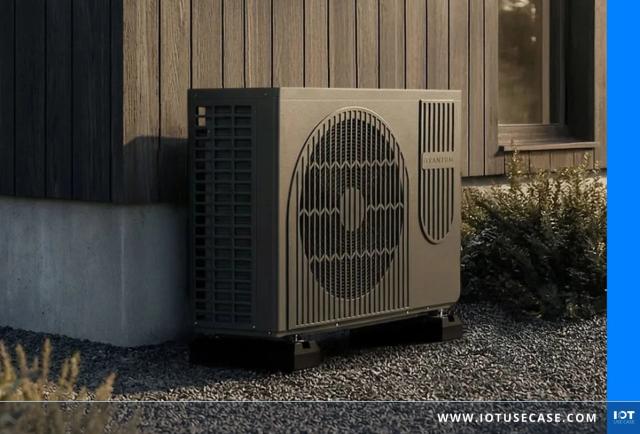



Servicing heat pumps remotely via built-in cellular
Qvantum equips every heat pump with a cellular modem and Telekom IoT SIM at the factory. From the moment it is switched on, the unit is online: installers get remote support, QDoctor flags faults, and an algorithm cuts energy costs by up to 20%.
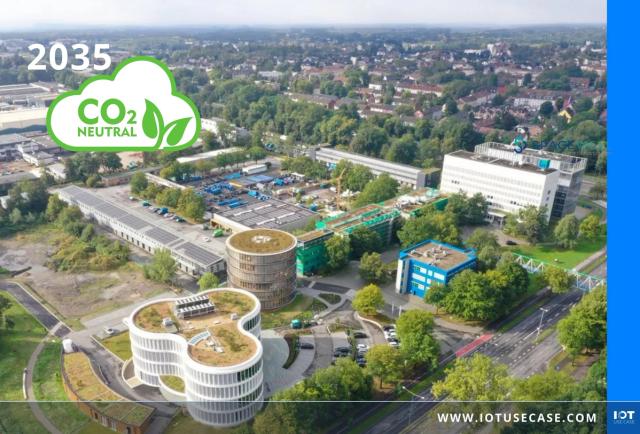



Detecting energy anomalies in buildings with AI to cut consumption
Gelsenwasser captures electricity, gas and water use in its own buildings automatically. The AI tools Optimise and Detect flag anomalies and show where energy can be saved.
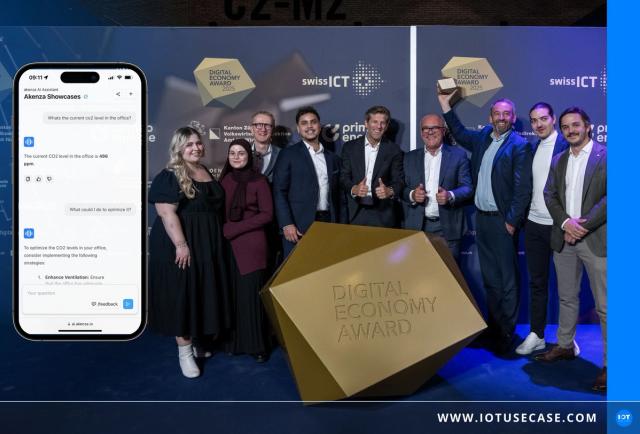


Turning building data into instant answers with an AI assistant
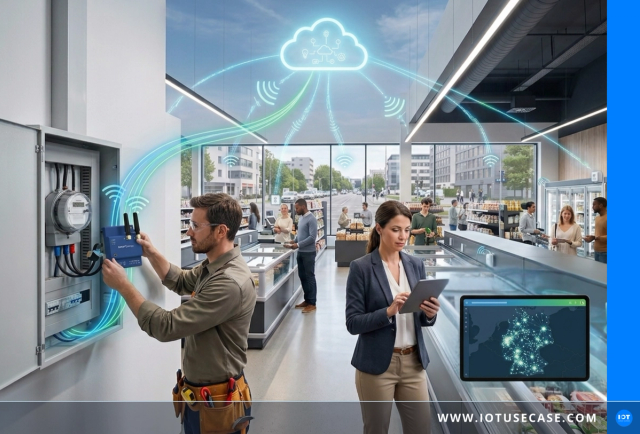





IoT energy monitoring creates cross-site transparency
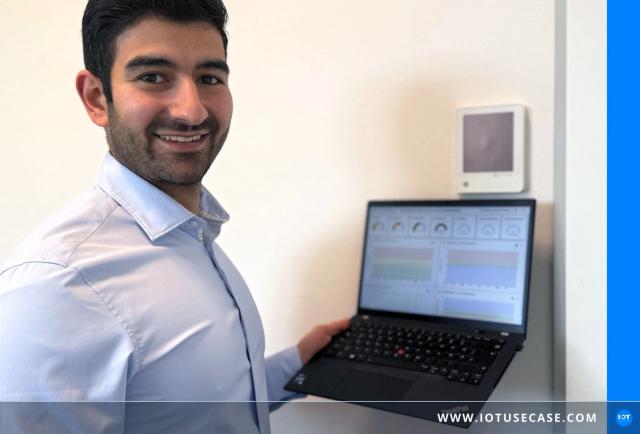


Smart Heating with LoRaWAN®: Reduce heating energy by up to 30%
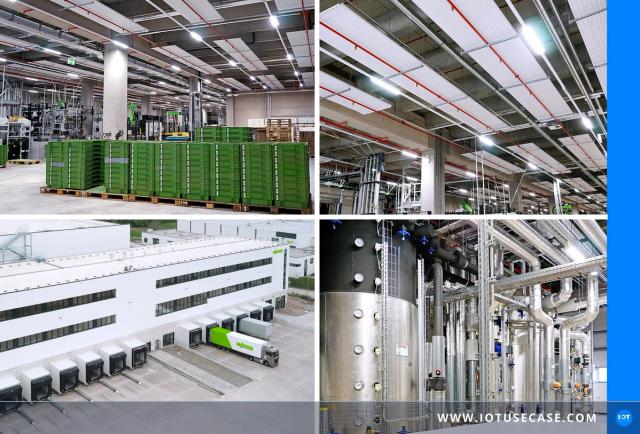


Goodbye Chimney – Fossil-free logistics centre with IoT-based energy management
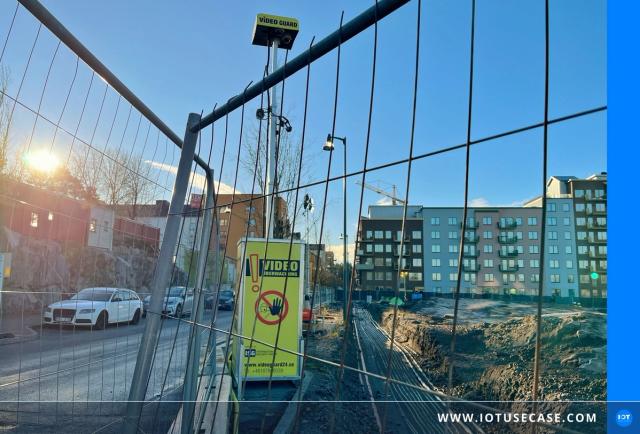

IoT monitoring with AI to reduce security costs on construction sites
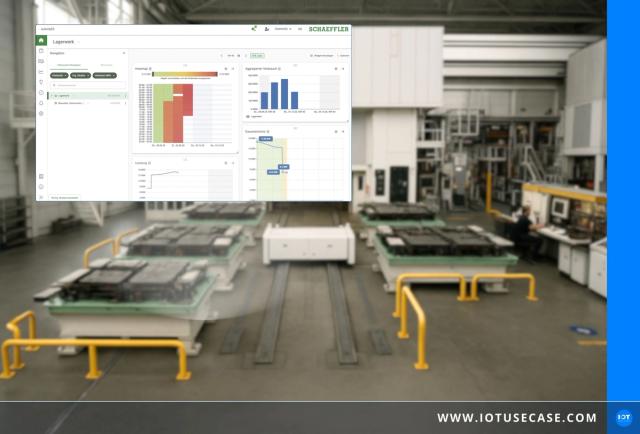



IoT energy monitoring: transparent consumption data for measurable savings
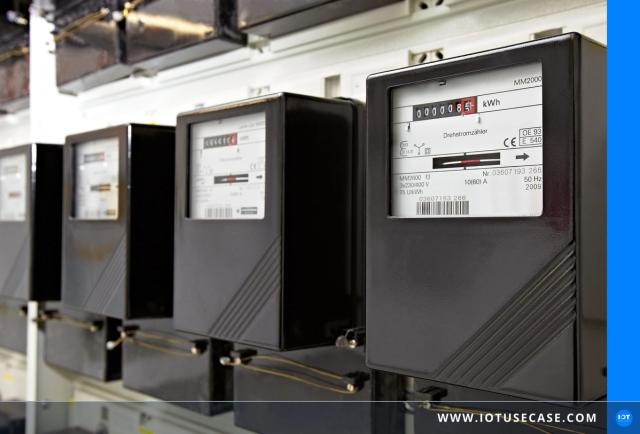




Automated Energy Consumption Measurements in Residential Buildings
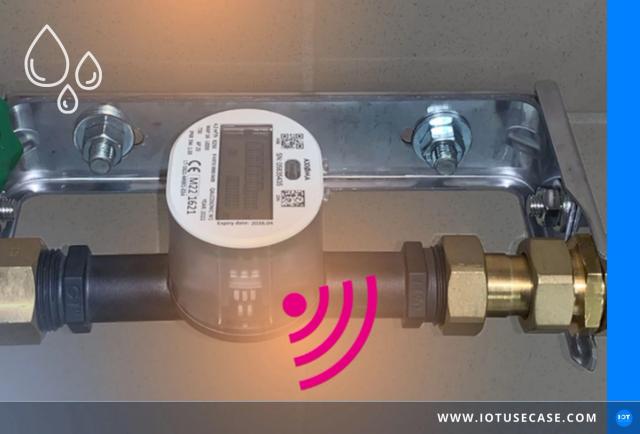

Smart Metering: Embedded Connectivity for sustainable metering solutions




MQTT broker for utilities and smart transport infrastructures



Scalable digital workplace solution for future-proof building infrastructures
- Reducing energy consumption in the data centre with AI & automation
- Managing (building) spaces efficiently – with sensors and smart software
- IoT, BI & Smart Buildings: how Enloc uses office space more efficiently
- E-Paper displays: smart solutions for every environment
- AI-supported energy management for municipalities and companies
- Cloud-based lighting control: mastering the challenges of modern building automation
- Energy-efficient building management with LoRaWAN submetering
- Smart protection against water damage
- Energy-efficient facility management in healthcare: 157 buildings under control
- Intelligent room climate – complete solutions for heating and cooling
- PKI in use at Techem
- Building automation: smart control, sustainable use
- Digitally leverage optimisation potential in building services engineering
- Merck Group embarks on New Work in the smart building
- Azure Marketplace: OpenBlue Enterprise Manager
- Azure Marketplace: Smart Buildings by ICONICS
- Azure Marketplace: Capgemini Reflect IoD
- Azure Marketplace: TwinWorX® – Centralized Monitoring and Control of Facilities
- Azure Marketplace: Uptake Fusion – Cloud-Native Industrial Data Analytics Hub
- Azure Marketplace: TCS Clever Energy™
- Environmental and energy efficiency in the elevator shaft thanks to IoT
- How to realise IoT solutions in private networks
- Smart meter gateways: connectivity and control via mobile communications
- Automatically record operating states and transmit them in real time
- Detect critical events early and handle them automatically
- Smart kitchen: automated cooking programs from the cloud
- Building technology digital: control system recognises potential in plant operation
- Fish farming with sunlight and the internet of things
- Energy management solution for small commercial enterprises
- Aerosol pollution under control: CO2 sensor warns personnel
- Illuminated advertising with cloud connection
- Early fault detection for air conditioning systems
- Building drying: condition monitoring for heat engineering and plant service
Podcast episodes: Building
24 episodes of the IoT Use Case Podcast on this functional area, newest first.






PASM and PSsystec: IoT fault management for 3000 sites


Retrofit under EU requirements: How Perinet securely connects legacy systems




WISAG & ICONICS: How IoT Makes Building Management Modular and Flexible



Smart Building with Climate Goals – WAGO’s Practical Approach

Smart Building & Workplace IoT with ICONICS



KUNBUS & Wendeware: Scaling Energy Management with IIoT
IoT use cases: Building
40 use cases already implemented in this functional area, sorted by number of implementations.
The energy management system consolidates all energy flows digitally on a single platform. IoT controllers capture data, while SCADA and cloud systems visualize it. Companies gain transparency, meet ESG requirements, and increase efficiency and supply security through data-driven decisions.







Consumption data capture continuously collects measured values for energy and media consumption and presents them centrally in a visualized form. Consumption trends and statuses are clearly prepared and made traceable over defined time periods.



Energy consumption is captured on a per-unit basis, for example per machine, system, device, or usage unit. The measurement data is centrally visualized and evaluated so that consumption trends, peak loads, and deviations are clearly displayed. The analysis enables a structured examination of energy use and consumption development at various levels.


Energy efficiency analysis evaluates captured energy data and assigns consumption to individual machines, shifts or production lines. On this basis, consumption structures, load profiles and deviations are analyzed, making inefficient consumption patterns and savings potential systematically visible. In energy monitoring this drives optimization in operations; for sustainability (ESG) it provides reliable key figures.

Centralized collection of distributed measurement and status data. Remote reading enables the automated retrieval of operational, status and consumption data from systems and infrastructure without manual on-site reading. The data feeds into condition monitoring and energy monitoring and is documented digitally without gaps at the same time.
Automated creation of reports and logs for audits and compliance requirements. Digital systems enable seamless traceability and ensure efficiency in audit processes.

- Smart Metering in Energy Monitoring
- Structured access to files and documents
- Temperature Measurement
- Emissions Management
- Audit-Reporting in Traceability
- Early Detection of Damage
- HVAC – Suspended Ceilings, Heating, Cooling
- Leak Detection
- Smart Lighting – Lighting Management
- Immediate emergency communication
- Moisture Measurement
- Billing Automation
- Humidity and Particle Measurement
- Level and Distance Measurement
- Peak Load Management
- PV Yield Management and Self-Consumption Optimization
- Shift or Location Comparison
- Smart Timing
- Submetering in Energy Monitoring
- Effective Risk Management
- Energy Cost Optimization per Machine
- Filter Monitoring
- Gas and Hazardous Substance Detection
- GDPR-Compliant Video Surveillance
- Hazard detection
- Product Carbon Footprint in Sustainability (ESG)
- Protection against counterfeiting and fraud
- Resource Efficiency (Water Management)
- Route Optimization and Route Planning
- Smart Charging – Charging Management
- Thermal Storage Integration
- Track cycle times, utilization, and throughput
- Vibration Monitoring
- Water Quality and Purity Levels
Industries using IoT in this functional area
Number of solution examples per entry. The number leads to exactly these examples.
Connected assets: Building
33 assets from the solution examples in this functional area, sorted by number of implementations.
- Air conditioning system, 7 solution examples
- Lighting, 6 solution examples
- Heating system, 5 solution examples
- Indoor air, 5 solution examples
- Ventilation system, 5 solution examples
- Electricity meter, 4 solution examples
- Refrigeration system, 4 solution examples
- Drinking water, 3 solution examples
- Photovoltaic system, 3 solution examples
- Heat pump, 2 solution examples
- Pump, 2 solution examples
- Radiator, 2 solution examples
- Refrigerant, 2 solution examples
- Water meter, 2 solution examples
- Bioreactor, 1 solution example
- Building dryer, 1 solution example
- Charging station, 1 solution example
- Compressed air, 1 solution example
These challenges are driving IoT projects in the building sector
High operating costs and missing energy visibility
Electricity, heat, and water in buildings are rarely measured at plant or occupancy unit level. Flat-rate billing conceals savings potential. IoT energy monitoring captures consumption granularly – by floor, area, or individual plant – and immediately reveals waste. The data simultaneously provides the basis for ESG reporting and EU taxonomy evidence.
Unplanned failures of building technology
Heating systems, ventilation, lifts, and cooling units frequently fail without warning. Reactive repairs are expensive, disrupt operations, and leave dissatisfied occupants. Sensor-based condition monitoring detects anomalies early – converting unplanned failures into scheduled maintenance windows.
Poor indoor air quality and climate comfort
Poor indoor air quality, insufficient ventilation, and uncomfortable temperatures reduce productivity and wellbeing. CO₂, temperature, and humidity sensors continuously monitor the indoor climate and control ventilation systems on demand – for lower energy consumption and improved occupant comfort.
Inefficient access management and security risks
Traditional key systems are complex to manage, not scalable, and insecure. Digital access management with IoT-based smart locks, automatic visitor logs, and central management across entire properties reduces administrative effort and delivers compliance documentation.
Late detection of building damage and security incidents
Water damage, mould, undetected break-ins, or overheating: many building defects arise from delayed detection. Moisture, smoke, motion, and temperature sensors detect critical conditions in real time and trigger immediate alerts – enabling prevention rather than costly remediation.
Regulatory reporting requirements and ESG pressure
EU taxonomy, CSRD, GEG, and municipal climate targets require documented sustainability data for buildings. Without automated monitoring, these reports remain estimated or manually intensive. IoT systems automatically deliver the standards-compliant data basis for energy certificates, CO₂ balances, and ESG reports.
Buildings are the most expensive and longest-lasting economic assets – and at the same time the least digitalised. Heating systems run to failure, energy consumption goes unmeasured, faults are only noticed once they have escalated. IoT closes this gap: sensors continuously monitor buildings, real-time data enables proactive action.
Whether office building, industrial hall, hospital, or data centre – the requirements for smart building technology are similar: reduce energy consumption, lower operating costs, document ESG targets, and keep occupants satisfied. IoT provides the data foundation for all of this.
On this page you will find verified real-world examples from the IoT Use Case network – from energy monitoring and predictive maintenance to indoor climate monitoring and smart access management.
Smart Buildings in Practice: What Actually Works with IoT in Buildings
Buildings account for around 40% of CO₂ emissions in Europe – and the greatest lever lies not in new construction but in operating existing buildings. IoT solutions for buildings are not luxury solutions: they pay for themselves through energy savings, avoided failures, and reduced administrative effort – in many cases within two to three years.
Typical Application Areas
Energy Monitoring and Consumption Optimisation
IoT-connected electricity, water, and heat meters capture consumption in real time – by building, floor, area, or individual plant. Comparisons between similar properties or time periods uncover anomalies. Automatic alerts for peak loads or unexpected consumption enable rapid intervention. The result: typically 15–30% lower energy consumption.
Predictive Maintenance for Heating, Ventilation, and Lifts
Vibration and temperature sensors on pumps, compressors, and fans detect wear patterns before they lead to failures. Maintenance teams receive notifications based on actual condition, not calendar schedules. This operates similarly to industry – with the difference that buildings often have no in-house maintenance team and external service providers must be coordinated.
Indoor Climate Monitoring and Demand-Controlled Ventilation
CO₂ sensors in offices, meeting rooms, and public buildings measure air quality in real time. When CO₂ levels exceed a threshold, the system automatically increases the ventilation rate. This reduces energy losses from constant ventilation, measurably improves indoor air quality, and demonstrably increases occupants' cognitive performance.
Water Damage Prevention and Building Protection
Moisture sensors under dishwashers and refrigerators, at pipe penetrations, and in basements detect leaks before they become costly water damage. Frost sensors warn of pipe freezing during the heating season. These small, inexpensive devices pay for themselves many times over after the first prevented incident.
Digital Access Management and Smart Access
Digital keys via smartphone, automatic access logs for tradespeople and visitors, time-controlled access areas for different user groups: modern IoT-based access systems replace physical keys, eliminate the risk of unreturned keys, and provide auditable access logs for insurers, authorities, and internal compliance.
What Sets IoT in Buildings Apart from Other Areas
Building IoT only works if solutions can operate without extensive IT infrastructure. Wi-Fi is often not available throughout, cable installations too expensive. LoRaWAN, NB-IoT, and Bluetooth Mesh provide battery-free or long-lasting alternatives that can be retrofitted without structural changes.
A building operator is rarely an IT specialist. Solutions must be easy to install, maintain, and operate – with clear dashboards, understandable alerts, and as few system components as possible.
Real-World Examples from the IoT Use Case Network
In our network you will find concrete, verified solution examples for smart buildings – from energy monitoring in office buildings and predictive maintenance for heating systems to CO₂-based indoor air control in schools and smart access management for commercial properties. Every example shows which technologies were used, what challenges existed, and what was concretely achieved in the end.
No marketing fluff. Only practice.
Frequently asked questions about smart buildings
What is a smart building?
A smart building is a building whose systems are connected via the Internet of Things. Sensors measure energy consumption, temperature, air quality or occupancy, and heating, ventilation, air conditioning and lighting are controlled based on this data. The aim is lower operating costs, more comfort and reliable figures for sustainability reporting.
What is the difference between building automation and a smart building?
Traditional building automation controls individual systems such as heating or ventilation according to fixed rules, usually in closed systems. A smart building combines the data from these systems with additional IoT sensors and analyses it across systems, often in the cloud and across several properties.
Which IoT applications are there in buildings?
The most frequent in our examples are IoT-based energy management systems, metering and visualising consumption per unit, energy efficiency analysis and smart metering. They are followed by audits and reporting, for example for ESG reports, and equipment monitoring for predictive maintenance.
Can IoT be retrofitted in existing buildings?
Yes. Wireless sensors, for example using LoRaWAN, can be installed in existing buildings without new cabling and often run for years on one battery. Existing meters and equipment are connected via gateways. Many projects therefore start with metering consumption and extend control step by step.
Who uses IoT in buildings?
In our examples mainly energy suppliers and companies from energy and environment, the real estate and insurance sector, and technology and telecommunications companies. They are joined by industrial companies connecting their plant and office buildings, and public bodies such as municipalities and schools.
What is smart metering?
Smart metering is the digital, remotely read measurement of electricity, gas, heat or water. Smart meters transmit their readings automatically, for electricity in Germany via a smart meter gateway, instead of someone reading them on site. If individual flats, floors or systems are metered as well, this is called submetering. In our examples the data is transmitted via NB-IoT, LoRaWAN or cellular networks.
Implementing IoT in buildings – we can help
Are you planning an IoT project in the building sector, or do you want to become visible as a smart building solution provider? We help you find the right partners, present solutions in a practical way, and reach real end users.
Get in touch