
Consumer Goods
IoT in consumer goods connects filling, packaging and process equipment to sensors and data platforms. This makes downtime, scrap, energy use and batches visible in real time. A packaging manufacturer cut unplanned stoppages by 15%, Unifarco raised OEE by 10 percentage points, and a food plant saved 17% of its compressed air energy.
Verified IoT projects: Consumer Goods
36 projects from our network, newest first.
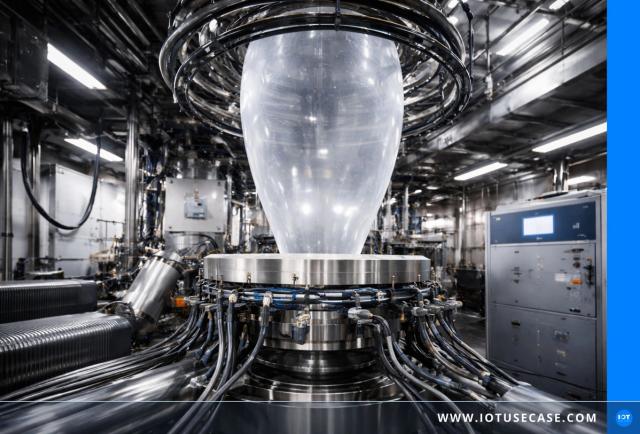






Reducing scrap and CO2 in extrusion lines with machine data
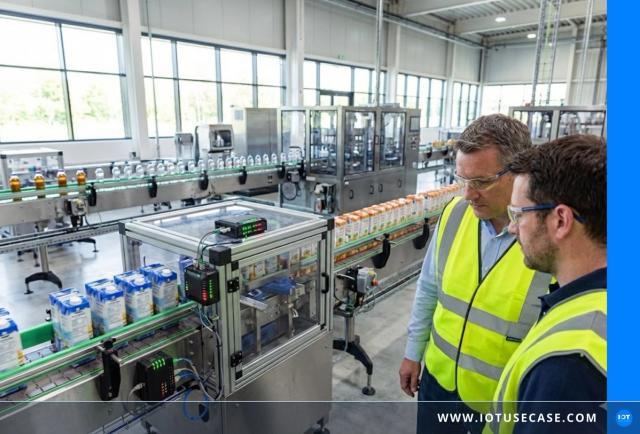

OEE transparency in packaging production – 15% fewer downtimes
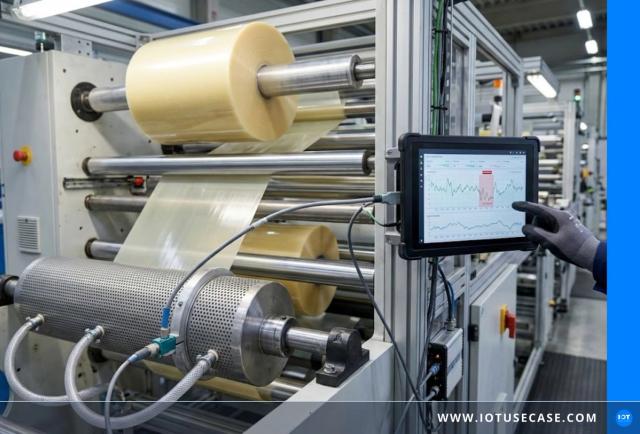
Reducing complaints in adhesive tape production through process data analysis
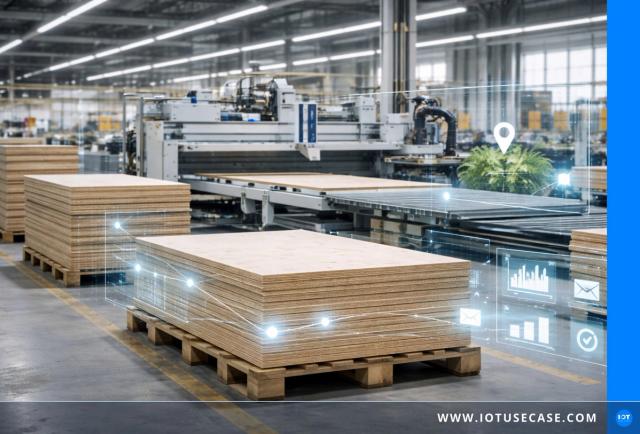



Proving material origin – with ECLASS and standardised product data for the wood and furniture industry
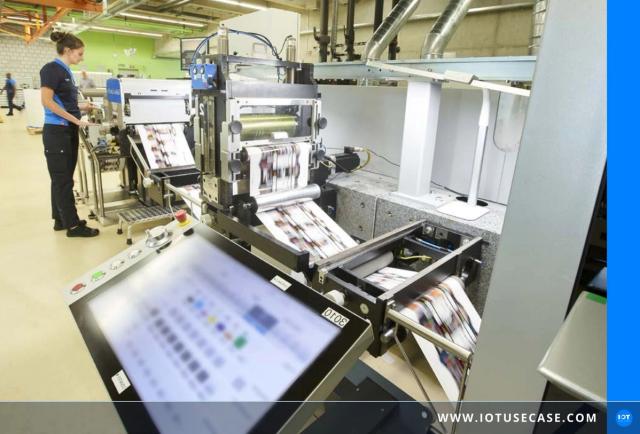




OPC UA creates the semantic foundation for digitalization in manufacturing
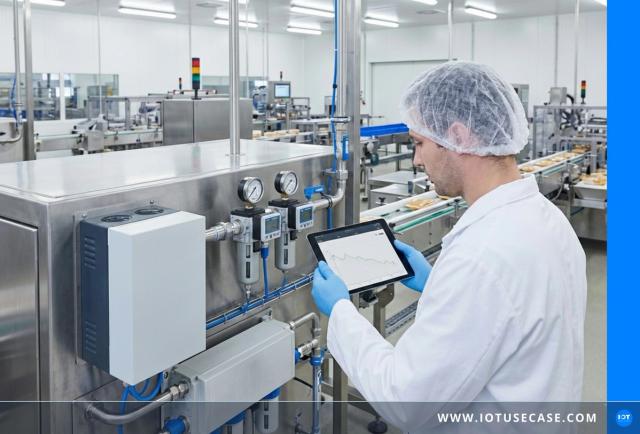
Compressed air monitoring in a food plant – 17% lower energy demand
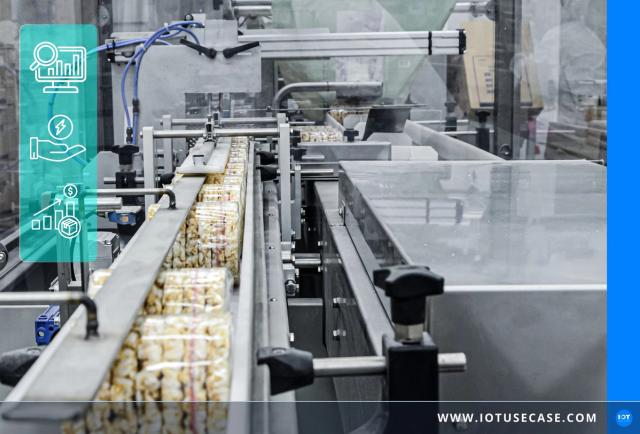
Manufacturing data platform scales multiple use cases in food production
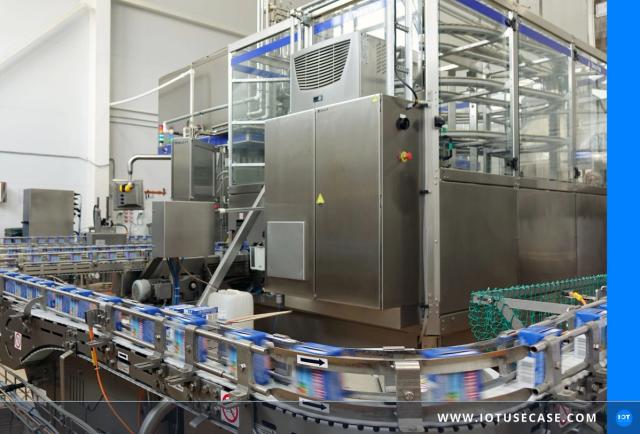



Standardised IT/OT integration with OPC UA for scalable production
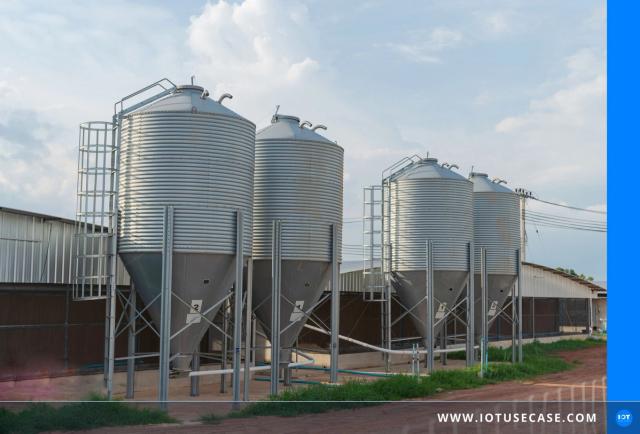

Predictive silo management reduces costs and emissions
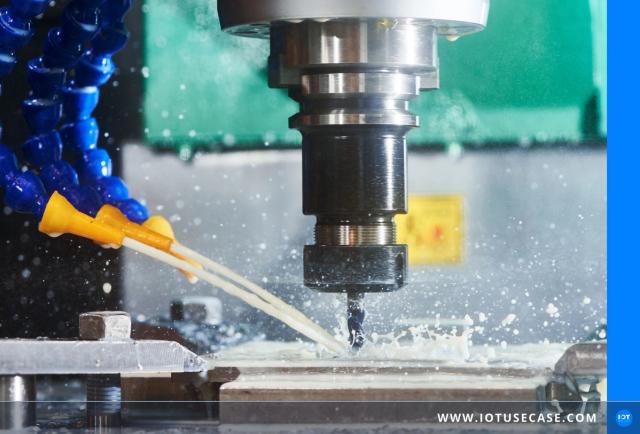





Securely capturing machine KPIs and process data from production
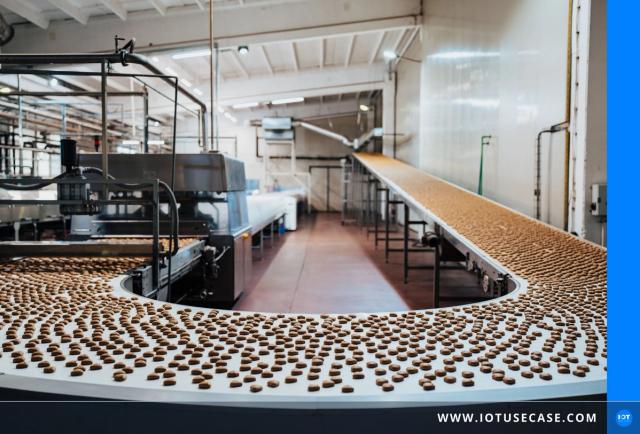
Optimising packaging lines with IoT-based OEE monitoring
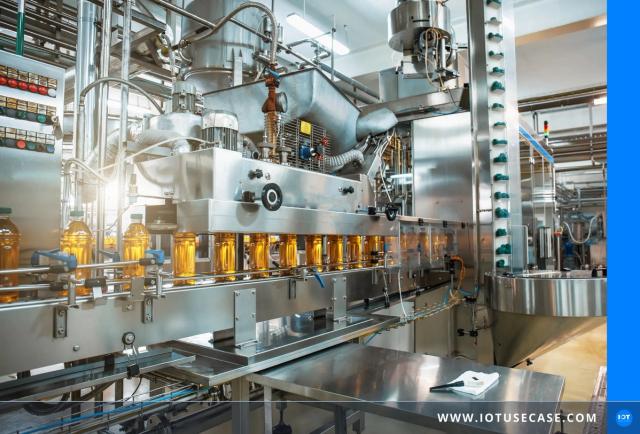


OT security risks in production lines made visible
- Make production data usable for AI and ML with OPC UA
- PET blow molder becomes IoT-enabled – retrofit without machine rebuild
- When tracking is not enough: how IoT protects against theft during shipping
- Saving energy with IoT compressed air monitoring in production
- Smart factory without code – six lines integrated, from SCADA to dashboard
- Making data-based decisions – with real-time monitoring and system integration
- Preventing complaints – process optimisation in minutes instead of days
- Optimising Industry 4.0: efficient software container management as the key to peak production
- Complete indoor crane automation thanks to the i.Sense monitoring system
- Integration of old and new machines through IIoT in the textile industry
- Automated quality controls: the possibilities and potential of optimisation
- shopfloorGPT: productivity boost in the dairy by AI agents
- How Unifarco optimises cosmetics production through digital transformation
- The step into the future: TSN revolutionises shoe manufacturing
- Cloud-based supply chain monitoring in Nigeria
- BestSecret: data streams for all. Fashion for members only.
- Beer brewers benefit from fermentation monitoring
- 40% process acceleration in the warehouse with IoT
- Monitoring and predictive maintenance with smart plastics
- Smart IoT functions for device fleet
- Higher beer quality through brewing process with ultrasonic sensors, AI and cloud solution
- Smart kitchen: automated cooking programs from the cloud
- Monitor and bill vending machines via IoT
- Automated delivery with SAP
Podcast episodes: Consumer Goods
30 episodes of the IoT Use Case Podcast on this industry, newest first.



Vibe-Coding on the Shopfloor: Building MES Applications In-House Without System Integrators



LIVE: Making sensors network-ready: shopfloor data directly into IT





Exact Irrigation System: Saving > 60% Water through Energy Chains and Monitoring





OPC UA Forge: Unified Namespace for Legacy Factory Data



Energy Efficiency with IO-Link and AI – Practical Insights from achtBytes


Scaling IoT Worldwide – How Telekom Solves Hidden Risks
IoT use cases: Consumer Goods
46 use cases already implemented in this industry, sorted by number of implementations.
Production data, maintenance logs, and operating manuals are stored centrally in digital archives. This simplifies access and management for employees in production and management.











Transparency over production performance and runtimes. By capturing pulse counts, cycle times, utilization, and throughput directly at the machine, production processes become continuously measurable. The resulting data provides a reliable basis for analyzing runtimes, downtimes, and performance deviations of individual assets or production lines.





Energy consumption is captured on a per-unit basis, for example per machine, system, device, or usage unit. The measurement data is centrally visualized and evaluated so that consumption trends, peak loads, and deviations are clearly displayed. The analysis enables a structured examination of energy use and consumption development at various levels.


High scrap rates burden production in many operations in our network and increase costs. IoT sensors and data analysis help to identify and eliminate error sources at an early stage. Real-time monitoring of machine parameters minimizes quality fluctuations and sustainably reduces scrap.
Traceability with IoT data – for quality, compliance, and efficiency. Other companies in our network rely on digital traceability solutions to map complete process histories – from goods receipt to delivery. IoT sensors automatically capture time, location, condition, and ID of objects. These IoT traceability systems help meet regulatory requirements and quickly isolate quality issues. → Proven solutions from our partners show: combining traceability and asset tracking increases production security.
Automated creation of reports and logs for audits and compliance requirements. Digital systems enable seamless traceability and ensure efficiency in audit processes.


- Correlation of Production Parameters
- Early Detection of Damage
- Leak Detection
- Consumption Data Collection and Visualization
- Digital Production Logs and Manufacturing Documents
- Energy Efficiency Analysis
- Level and Distance Measurement
- Route Optimization and Route Planning
- Shift or Location Comparison
- Audit-Reporting in Traceability
- Billing Automation
- Break Detection
- Cable and Chain Monitoring
- Inventory Management
- Inventory Management and Reorders
- IoT-Based Energy Management System
- Item tracking throughout the supply and manufacturing chain
- Precise real-time inventory monitoring
- Remote Reading
- Temperature Measurement
- Tension/Thrust Monitoring
- Demand Forecasting and Production Planning
- Digital Goods Receipt with Real-Time Data
- Digital Nameplates and Product Data Sheets
- Digitized Order Management
- Effective Risk Management
- Flow measurement, e.g., of air or water
- Identification of cargo units using IoT technologies
- Immediate emergency communication
- Insights into Your Entire Supply Chain / Digital Tracking
- Knowledge Retention
- Moisture Measurement
- Object Localization in the Industrial IoT
- Optimize your supply chain (batch traceability)
- Parking Space Tracking via IoT Integration
- Peak Load Management
- Precise inspection of every incoming shipment
- Product Carbon Footprint in Sustainability (ESG)
- Real-time damage prevention
- Seamless control throughout production
Functional areas in this industry
Number of projects per entry. The number leads to exactly these projects.
Connected assets: Consumer Goods
38 assets from the projects in this industry, sorted by number of implementations.
- Packaging machine, 6 projects
- Compressed air, 3 projects
- Beer, 2 projects
- Cooking appliance, 2 projects
- Energy chain, 2 projects
- Fermentation tank, 2 projects
- Vending machine, 2 projects
- Adhesive application machine, 1 project
- Adhesive tape, 1 project
- Animal feed, 1 project
- Beverage stock in vending machine, 1 project
- Blow moulding machine, 1 project
- Blown film line, 1 project
- Coil winding machine, 1 project
- Compressor, 1 project
- Crane, 1 project
- Diesel fuel, 1 project
- Dishwasher, 1 project
These challenges are driving IoT projects in the consumer goods industry
Traceability and transparency along the supply chain
Food, pharma, and consumer goods manufacturers must be able to trace every batch seamlessly from raw material source to end customer. IoT-based track & trace systems replace error-prone paper records and create audit-proof transparency at the push of a button.
Quality assurance and scrap reduction in production
Quality deviations in FMCG production – whether in filling, packaging, or processing – mean scrap, recalls, and brand damage. Inline sensors and AI-supported process monitoring detect deviations in real time before defective products leave the line.
Compliance with EU product regulations and sustainability documentation
The Digital Product Passport, the Supply Chain Due Diligence Act, and sector-specific sustainability regulations require measurable, documented data on CO₂ footprint, material origin, and production conditions. Without structured IoT data, providing this evidence is barely feasible.
Cold chain monitoring for temperature-sensitive consumer goods
Fresh food, beverages, cosmetics, and pharmaceutical products must be produced, stored, and transported under defined temperature conditions. Cold chain breaks lead to quality loss, product recalls, and compliance issues.
Predictive maintenance for filling and packaging lines
High-speed filling lines, labeling machines, and packaging equipment must run at maximum availability. An unplanned stoppage on an FMCG line costs significant sums within a very short time. Sensor-based condition monitoring and predictive maintenance prevent this.
Energy efficiency and CO₂ reduction in production
Consumer goods manufacturers are under growing pressure to reduce their environmental footprint – from buyers, investors, and EU legislation. Granular energy monitoring at line and machine level reveals savings potential and provides the data foundation for CO₂ reports.
IoT in consumer goods is everyday practice: manufacturers of food, beverages, cosmetics, household products and textiles capture OEE and downtime automatically, trace every batch from raw material to shelf and cut energy and maintenance costs with sensor data.
The pressure comes from all sides: short cycle times and thin margins, rising energy prices, recall risks and new obligations such as the digital product passport. The right data at the right time protects the brand and makes improvements measurable.
On this page you will find more than 35 verified solution examples from FMCG manufacturing, including Procter & Gamble, Valio, Unifarco, Hobart and Costa Coffee. Each example names the user, the provider, the technology used and the result.
IoT in consumer goods: what FMCG manufacturers achieve with it today
The consumer goods industry covers manufacturers of food, beverages, cosmetics, personal care, household products, textiles, footwear and furniture, often called FMCG (fast-moving consumer goods) or CPG. It also includes makers of connected appliances such as commercial kitchen equipment or coffee machines. They share many lines, high speeds, thin margins and a brand that suffers with every defect.
In these plants, IoT mainly means that machines, lines and utilities such as power or compressed air report their data automatically instead of being written down at the end of a shift. The examples on this page show the concrete results, with figures from the users and the providers who delivered the project.
Typical IoT applications in consumer goods manufacturing
OEE and downtime analysis on filling and packaging lines
OEE (overall equipment effectiveness) is the key metric in FMCG manufacturing, yet it is often still recorded by hand. A manufacturer of beverage and food packaging captured power and process data on six lines and classified it automatically into production, idle and downtime. Result: 15% fewer unplanned stoppages, 220 hours of additional production time and more than €18,000 in annual benefit for an investment of €5,900 (see the solution example). More: OEE monitoring on packaging lines and the use case tracking cycle times, utilisation and throughput.
Quality assurance and scrap reduction
When a process parameter drifts, scrap often becomes visible hours later. Linking machine data with quality data finds the cause in minutes. Mehler used this to prevent customer complaints, and extrusion lines cut scrap and CO₂ with the same machine data. More in the use case waste reduction.
Traceability and track & trace from raw material to shelf
For food and cosmetics, batch traceability is mandatory, and every hour counts in a recall. Finnish dairy group Valio connected its control systems, PLCs and MES via OPC UA across twelve sites within one year. In the warehouse, TB International shows how RFID and UWB speed up full-carton handling by almost 40%. Overview: digital tracking of products and processes.
Energy monitoring and compressed air
Compressed air is one of the most expensive utilities in food production. A food plant monitored flow, pressure and compressor load, found leaks and saved 17% of the energy used to generate compressed air, 18.6 MWh and 6.5 t of CO₂ per year. The €4,300 investment paid back after 14 months (see the solution example, use case leak detection).
Predictive maintenance for high-speed lines
Fillers, cappers, labellers and packers run around the clock. Sensors on bearings, drives and energy chains report wear before the line stops, for example with smart plastics on moving cables. More in the use case early detection of damage.
Connected products: kitchen equipment, coffee machines, smart kitchen
In consumer goods, IoT is not only in the factory but also in the product. Hobart connects dishwashers, ovens and refrigeration worldwide to a cloud platform, including hygiene logs (solution example). MKN sends cooking programmes from the cloud to its appliances, and Costa Express runs coffee machines at around 11,000 locations remotely, with alerting and display marketing.
Digital product passport and ESG reporting
The EU Ecodesign Regulation (ESPR) introduces the digital product passport step by step by product group, with textiles and furniture among the first. It needs data on materials, origin and energy that comes from production. The example proving material origin in the wood and furniture industry shows how standardised product data makes this possible. Overview: digital nameplates and product passports.
AI and machine learning on production data
Procter & Gamble runs machine learning algorithms at more than 100 sites in over 40 countries. The basis is a common data model via OPC UA, from the controller to the cloud (P&G solution example). Smaller but tangible: AI agents in a cheese dairy that answer shift teams' questions about equipment and energy.
Food, beverages, cosmetics, textiles: how the sub-sectors differ
Food industry: hygiene, temperatures and batches must be fully documented. An Indian food manufacturer integrated six lines from mixing to packaging without writing code, including OEE and smartphone alerts. See also temperature measurement.
Beverages and breweries: the focus is fermentation, filling and PET. Breweries use fermentation monitoring, and a PET blow moulder became IoT-enabled without a rebuild.
Cosmetics: Unifarco digitalised bulk production and packaging and reached 99.8% paperless production, more than 30% higher productivity and 10 percentage points more OEE (solution example).
Textiles, footwear and furniture: old and new machines run side by side. See how both come together in the textile industry and in footwear manufacturing with TSN.
What makes IoT in FMCG plants different
Consumer goods plants have many identical lines and machines of different generations. That is why approaches that do not touch the controller pay off, for example power metering or a gateway that captures machine KPIs non-intrusively. Open standards such as OPC UA make a solution transferable from the first line to the whole plant and further sites, as at Philip Morris International, P&G and Valio.
The more lines are connected, the more OT security matters. One food manufacturer started by making the security risks of its production lines visible.
How to start an IoT project in consumer goods
- Start with one line and one metric: OEE, downtime or energy per unit. The examples above paid back within 4 to 14 months.
- Retrofit instead of rebuild: power sensors, gateways and retrofit kits capture data on older machines without touching the PLC.
- Agree on open standards: OPC UA and a shared data model prevent isolated solutions per line.
- Scale early: once the first line is set up properly, you can roll out to many sites, as Valio did.
Finding IoT providers with consumer goods references
Every example on this page names the provider who delivered the project, such as in.hub, Exor, Prosys, Itanta Analytics, Device Insight, Materna or INTRANAV. That way you find partners who have already worked in your sub-sector. All projects are listed in the solution examples overview.
Frequently asked questions: implementing IoT in consumer goods
How do I start digitalising food and consumer goods production?
With one line and one clear metric rather than a big programme. A proven approach: automatically capture stoppages, quantities and energy use on one filling or packaging line, prove the effect in euros after a few months, and only then roll out to more lines and plants. Plan standardised interfaces from the start so that every further line is connected faster than the first.
Which IoT application pays off first in FMCG manufacturing?
OEE tracking and energy monitoring usually pay back fastest. A packaging manufacturer cut unplanned stoppages by 15% and recovered the investment within four months. A food plant saved 17% of the energy used for compressed air, with payback after 14 months.
How do I implement end-to-end batch traceability in food and consumer goods production?
By automatically linking every batch to raw materials, equipment, process parameters and timestamps instead of noting them down by hand. A gateway reads the data from the controller and control system and passes it to the MES or ERP. In a recall or complaint, you can narrow down the affected goods in minutes instead of days, rather than recalling an entire day's production.
How is OEE captured automatically on packaging lines?
Sensors or gateways measure the machine's power, cycles and process signals and automatically assign every minute to production, idle or downtime. The platform calculates availability, performance and quality from this. Changes to the controller are often not needed.
Can older machines be connected without a rebuild?
Yes. Retrofit solutions such as power sensors, vibration sensors or gateways read data non-intrusively without changing the PLC. A PET blow moulder, for example, became IoT-enabled without any rebuild of the machine.
How do I prepare my production for the digital product passport?
By capturing the data the passport requires automatically for each batch, starting now. The EU Ecodesign Regulation introduces the digital product passport step by step for each product group, with textiles and furniture among the first consumer goods. Required information includes materials, origin, energy per unit and the batches used. IoT supplies these values measured rather than estimated and links them to a unique product identifier.
How do I roll out an IoT solution from one line to all plants?
With a uniform integration layer instead of individual interfaces for each machine. An open standard such as OPC UA describes the data from all equipment in the same way, regardless of manufacturer. This lets you build a solution once and transfer it to further lines. A dairy company connected controllers, control systems and MES at twelve production sites within a year this way and replaced many custom software solutions.
How much does an IoT project in consumer goods cost?
Getting started on one line is often possible for a low five-figure sum or less. OEE tracking on six packaging lines cost €5,900, and compressed air monitoring in a food plant cost €4,300. Larger platform projects across many sites cost considerably more.
How do I find a provider for an IoT project in the consumer goods industry?
The fastest way is through projects that are already up and running. The solution examples on this page name the implementation partner, the technology used and in most cases the user, so you can see who has already delivered a comparable line or plant. If you briefly describe your project via the contact form, we will put you in touch with providers who have experience with your exact use case in food and consumer goods production.
Implementing IoT in consumer goods: we can help
Are you planning an IoT project in the consumer goods industry, or do you want to become visible as a solution provider in this area? We help you find the right partners, present solutions in a practical way, and reach real users.
Get in touch