
IoT in the Supply Chain: End-to-End Visibility
IoT in the supply chain shows where goods, load carriers and inventory are right now and what condition they are in. Trackers and sensors report location, temperature and shocks along the supply chain. It is used above all for inventory management, tracking objects and the complete traceability of products.
IoT solution examples: Supply Chain
17 solution examples from our network, newest first.
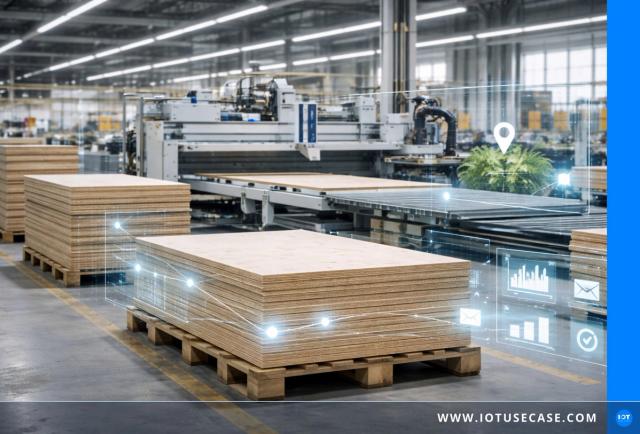




Proving material origin – with ECLASS and standardised product data for the wood and furniture industry
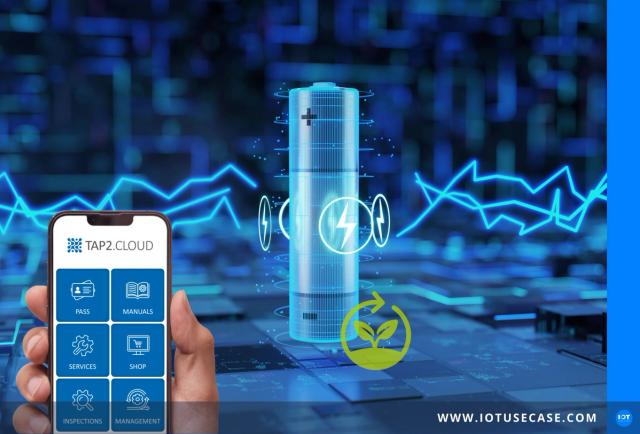

More than compliance: the battery passport as a driver of the circular economy in the Green Deal
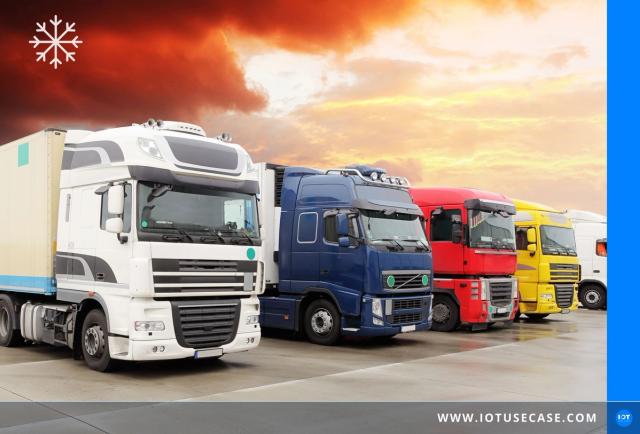

30% fewer service calls through more transparency in refrigerated transport
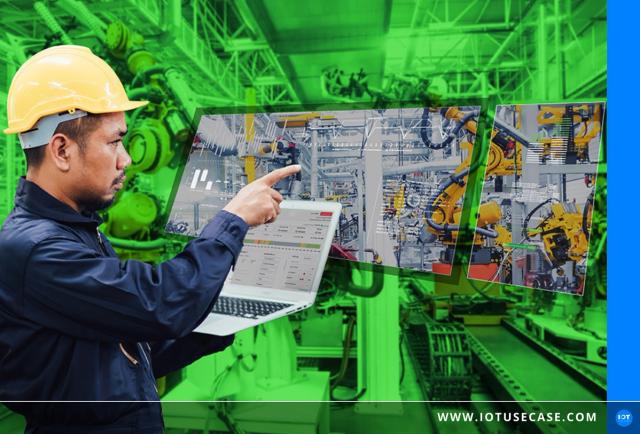


Traceability: IoT gateway for greater traceability in automotive production
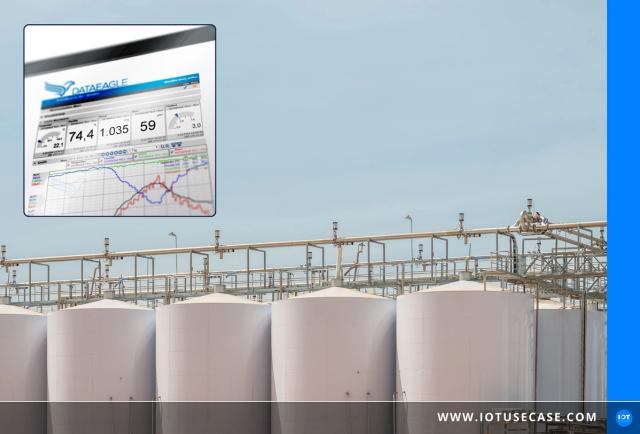


Cloud-based supply chain monitoring in Nigeria
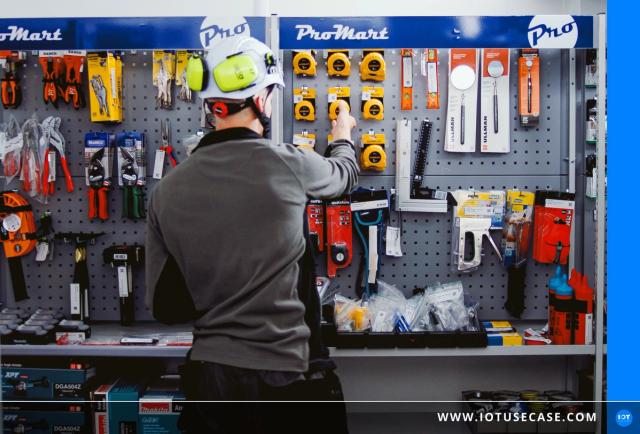
Building site: replenishment management without personnel deployment
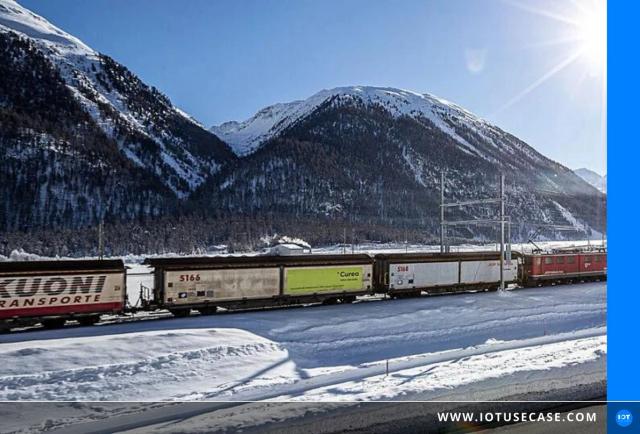

Rhätische Bahn tracks freight wagons with Rail Insight from A1 Digital
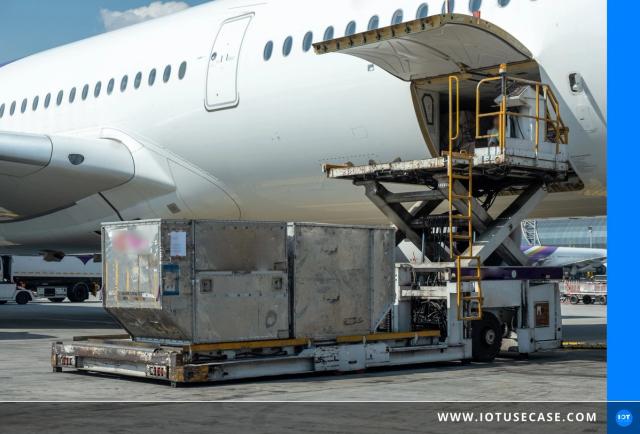

Industry solution logistics: always stay in control to ensure your goods are in the right place at the right time



Intelligent asset tracking: more transparency and automation in material flow
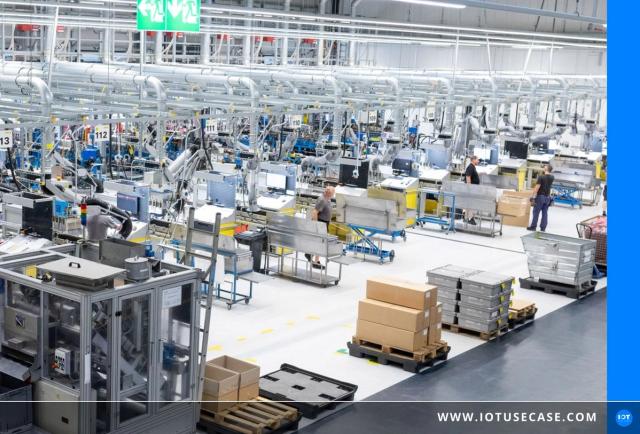


Smart factory solution creates efficiency and quality improvement in the production process
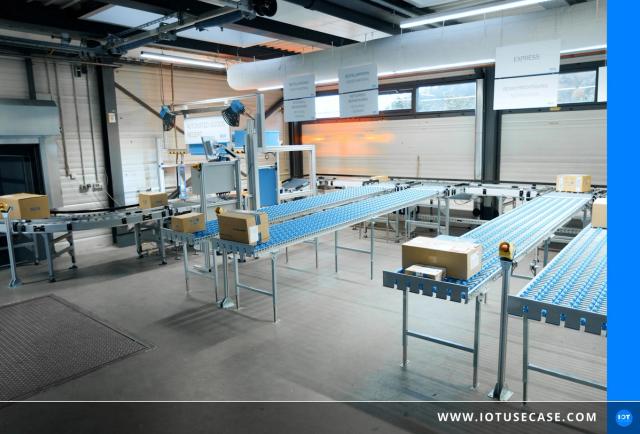

Transparency and efficiency in goods receipt – through automated identification and sorting
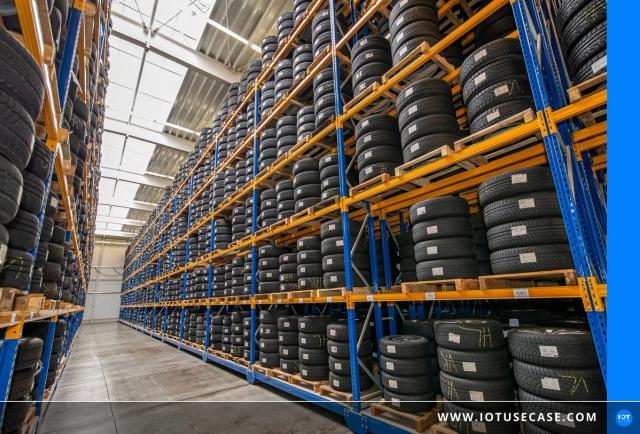


Michelin enables scalable real-time inventory management with Confluent
- Smart logistics processes with IoT transport box
- Logistics: automated C-parts management with tangible added value
- Tracking transport tanks for liquid fuels worldwide via IoT
- Networked product and service innovation for semi-trailers
- Seamless and tamper-proof evidence of the supply chain of fair trade tin
Podcast episodes: Supply Chain
42 episodes of the IoT Use Case Podcast on this functional area, newest first.




Digital Intralogistics: From Visual Management to IoT



Private 5G in Heavy Industry: Practical Insights from a Steel Plant



Scaling IoT Worldwide – How Telekom Solves Hidden Risks


Smart Building with Climate Goals – WAGO’s Practical Approach



Epple Druckfarben & Innomat: Digital Batch Traceability with Kalisto IoT



Real-Time Data with Apache Flink: How Ververica and Steadforce Drive IIoT Success
IoT use cases: Supply Chain
31 use cases already implemented in this functional area, sorted by number of implementations.
Traceability with IoT data – for quality, compliance, and efficiency. Other companies in our network rely on digital traceability solutions to map complete process histories – from goods receipt to delivery. IoT sensors automatically capture time, location, condition, and ID of objects. These IoT traceability systems help meet regulatory requirements and quickly isolate quality issues. → Proven solutions from our partners show: combining traceability and asset tracking increases production security.


The implementation of sensors and IoT devices enables continuous monitoring of inventory. Companies can thereby track the location and condition of units, pallets, crates, or batches in real time.

IoT-based track-and-trace solutions for industrial material flows. Workpiece carriers, equipment, or containers are tracked along the production line using combined positioning and identification technology. Operations in our network use these asset tracking systems to document movements, handovers, and responsibilities seamlessly – across locations and in an audit-proof manner. → Real-time data and cloud integration make tracking an integral part of modern IIoT platforms.
See implementationsIoT-supported localization in industry – cross-site and centimeter-precise. Whether tugger trains, tools, or trolleys – using modern positioning technologies such as Ultra-Wideband (UWB) or Bluetooth Low Energy (BLE), industrial companies in our network track their assets in real time. These IoT solutions for object localization not only save valuable search time but also enable automated process triggers (e.g. geofencing-based notifications) and the mapping of a digital twin on a central platform. → Practice-tested solutions from our partners provide maximum transparency on the shopfloor.



Digital temperature monitoring, even for extreme conditions. In our network, IoT-based temperature measurements are implemented for steam pipes, for example – using LoRaWAN or mioty® sensors that operate maintenance-free for over 10 years. In condition monitoring and predictive maintenance the data reveals trends and anomalies early; in corrective maintenance it helps locate hotspots and repair defective components in a targeted way.


Production steps and quality controls are documented directly in digital form, without the detour via paper logs. This improves accuracy and saves time in analysis and tracking.
- Inventory Management and Reorders
- Optimize your supply chain (batch traceability)
- Precise real-time inventory monitoring
- Container Management – Logistics IoT
- Digital Nameplates and Product Data Sheets
- Insights into Your Entire Supply Chain / Digital Tracking
- Level and Distance Measurement
- Product Carbon Footprint in Sustainability (ESG)
- Audits and Reportings
- Billing Automation
- Digital Goods Receipt with Real-Time Data
- Digitized Order Management
- Efficient Material Supply
- Flow measurement, e.g., of air or water
- Identification of cargo units using IoT technologies
- Leak Detection
- Precise inspection of every incoming shipment
- Protection against counterfeiting and fraud
- Real-time damage prevention
- Remote Reading
- Route Optimization and Route Planning
- Self-sufficient supply of C-parts
- Structured access to files and documents
- Tracking, visualizing, and analyzing energy consumption per unit
- Usage Monitoring
Industries using IoT in this functional area
Number of solution examples per entry. The number leads to exactly these examples.
Connected assets: Supply Chain
26 assets from the solution examples in this functional area, sorted by number of implementations.
- Container, 2 solution examples
- Goods in transit, 2 solution examples
- Pallet, 2 solution examples
- Raw material batch, 2 solution examples
- Airbag, 1 solution example
- Battery storage, 1 solution example
- C-parts, 1 solution example
- Commercial vehicle, 1 solution example
- Diesel fuel, 1 solution example
- Finished part, 1 solution example
- Freight wagon, 1 solution example
- Fuel tank, 1 solution example
- IBC, 1 solution example
- Industrial furnace, 1 solution example
- Kanban bin, 1 solution example
- Liquid in IBC, 1 solution example
- Load carrier, 1 solution example
- Parcel, 1 solution example
These challenges are driving IoT projects in the supply chain
Lack of real-time visibility over goods flows and inventory
Where is my shipment? In what condition? When will it arrive? These questions go unanswered in many supply chains until it is too late. IoT-based asset tracking with GPS, BLE, or RFID delivers real-time location data for containers, pallets, vehicles, and goods – from supplier to end customer, without manual data entry.
Quality losses from uncontrolled transport conditions
Temperature-sensitive goods such as food, pharmaceuticals, or electronics can be damaged during transport by temperature fluctuations, shocks, or excessive humidity – often without being immediately apparent. Temperature and humidity loggers with real-time alerts notify immediately when thresholds are exceeded and enable immediate countermeasures.
Shrinkage, theft, and missing traceability
Lost load carriers, stolen goods, missing batch information – shrinkage in supply chains is a multi-billion euro problem. RFID and GPS tracking make every movement traceable. Tampering is detected, losses are localised, and responsibilities are clearly assigned. At the same time, seamless tracking delivers the data required for regulatory traceability.
Inefficient load carrier losses and high search costs
Europallets, IBC containers, roll containers, crates: companies lose millions every year through lost or unreturned load carriers. IoT-based pooling and automatic tracking drastically reduce loss rates – and at the same time make repair needs and fill levels visible.
Growing sustainability and compliance requirements
EU supply chain due diligence, CO₂ reporting, sustainability audits: supply chains are coming under increasing regulatory pressure. IoT data from transport and warehousing automatically provides the basis for emissions calculations, utilisation analyses, and documented sustainability evidence – without manual surveys.
Reactive instead of proactive disruption management
Delays, failures, capacity bottlenecks: in traditional supply chains, you react when the problem has already arrived. IoT sensor data combined with predictive analytics detects anomalies early and enables proactive rescheduling – before delays reach the customer.
Supply chains have become more complex and at the same time more fragile. Global dependencies, growing demands for transparency and traceability, volatile transport costs, and pressure for more sustainable processes: supply chain managers face challenges that are barely manageable without digital support.
IoT makes the supply chain visible. Sensors on load carriers, vehicles, warehouse areas, and packaging deliver real-time data on location, condition, and throughput times. The result: less searching, less shrinkage, faster response to disruptions, and a reliable foundation for sustainability reports.
On this page you will find verified real-world examples from the IoT Use Case network – concrete projects from transport, logistics, and procurement, with real challenges and measurable results.
Supply Chain Visibility: What Actually Works with IoT in the Supply Chain
The supply chain is the nervous system of modern companies – and at the same time the area with the most blind spots. What happens between supplier, transport, warehouse, and customer remains invisible in many organisations. IoT changes this: through real-time data that turns the black box into a transparent, manageable chain.
Typical Application Areas
Asset Tracking and Real-Time Location
GPS trackers on trucks and containers, BLE beacons on pallets and roll containers, RFID tags on individual items: depending on the requirements for accuracy, battery life, and cost, there is a suitable technology. The data converges in a central platform and delivers a live picture of the entire supply chain.
Condition Monitoring in Transport
Temperature, humidity, shocks, and tilt angle are continuously recorded during transport. When thresholds are exceeded, an immediate alert is triggered – via SMS, email, or in the platform. The complete data history is logged without gaps and serves as evidence for quality assurance, insurance claims, and regulatory requirements such as GDP in the pharmaceutical sector.
Load Carrier Management and Container Circulation
Europallets, KLT containers, wire mesh boxes, and special racks represent tied-up capital. IoT tags make every container uniquely identifiable and traceable – with automatic return reminders, fill level monitoring, and condition assessment included. This measurably reduces load carrier losses and optimises container cycles.
Warehouse Optimisation and Inventory Visibility
RFID gates at goods-in and goods-out capture inventory automatically and without manual scanning. Combined with indoor positioning systems, even the exact warehouse location of every item becomes visible. This reduces search times, prevents mis-stocking, and provides precise inventory data as the basis for automatic reordering.
Traceability and Compliance Documentation
From raw material to end customer, every station in the delivery process can be digitally documented. IoT data combined with serialisation provides seamless traceability for audits, product recalls, and documentation obligations under supply chain due diligence laws, EU regulations, and customer requirements.
What Sets IoT in the Supply Chain Apart from Other Areas
The supply chain is not a controlled environment. Devices must withstand temperatures from -30°C to +60°C, run on battery power for years, buffer and transmit data even without constant network coverage. At the same time, data must flow into existing ERP, WMS, and TMS systems without creating new silos.
The business case in the supply chain is often direct and quickly quantifiable: less shrinkage, less searching, fewer quality complaints. This makes IoT projects in the supply chain one of the highest-ROI application areas of all.
Real-World Examples from the IoT Use Case Network
In our network you will find concrete, verified solution examples from supply chain and logistics – from GPS tracking for pharmaceutical transports and container cycle management in the automotive industry to RFID-based inventory visibility in retail and cold chain monitoring in the food sector. Every example shows which technologies were used, what challenges existed, and what was concretely achieved in the end.
No marketing fluff. Only practice.
Frequently asked questions about IoT in the supply chain
What is an example of IoT in the supply chain?
A typical example is trackers on load carriers such as pallets, mesh boxes or containers. They report location and condition, so manufacturers and logistics providers always know where goods and empties are, and losses decrease. Further examples are temperature loggers in the cold chain and automatic inventory reports from the warehouse.
What are the benefits of IoT in the supply chain?
Above all visibility: inventory, delivery times and conditions are known in real time rather than only at goods receipt. This reduces safety stock, makes delays visible early and provides evidence, for example of cold chain compliance or traceability in case of complaints.
Which technologies are used for tracking?
Depending on the application, GPS with cellular connectivity for transport, low-power networks such as LoRaWAN, NB-IoT or LTE-M for long battery life, and RFID and Bluetooth for location inside the warehouse. Many solutions combine several methods to deliver a position both indoors and outdoors.
What is the difference between supply chain and logistics?
Logistics organises the transport, storage and handling of goods. The supply chain covers the entire chain from supplier through production to customer, including planning and inventory at all parties involved. IoT in the supply chain therefore links data across company boundaries.
What is asset tracking?
Asset tracking is the continuous location of mobile objects such as load carriers, containers, vehicles or tools. A tracker on the object reports its position, and often its condition such as temperature, shocks or fill level, to a platform. In our examples this is how the Rhaetian Railway tracks its freight wagons, liquid transport tanks are located worldwide and IoT transport containers move through retail logistics.
What is a digital product passport?
A digital product passport is a data record that accompanies a product throughout its life cycle: origin of materials, composition, carbon footprint, repair and recycling. The EU is making it mandatory step by step under the Ecodesign Regulation, starting in February 2027 with the battery passport for electric vehicle and larger industrial batteries. In our examples, companies use such product data to prove the origin of fairly traded tin or of wood under the EU Deforestation Regulation.
Implementing IoT in the supply chain – we can help
Are you planning an IoT project in logistics or supply chain, or do you want to become visible as a solution provider in this area? We help you find the right partners, present solutions in a practical way, and reach real end users.
Get in touch