

Metal and Electronics
IoT in metal and electronics manufacturing connects presses, furnaces, pickling lines and SMT equipment to sensors and MES. Wear, process deviations and energy use become visible in real time, and every part stays traceable. Salzgitter monitors more than 100 measuring points on a pickling line this way, and Aurubis narrowed 1,500 process parameters down to the critical ones.
Verified IoT projects: Metal and Electronics
47 projects from our network, newest first.
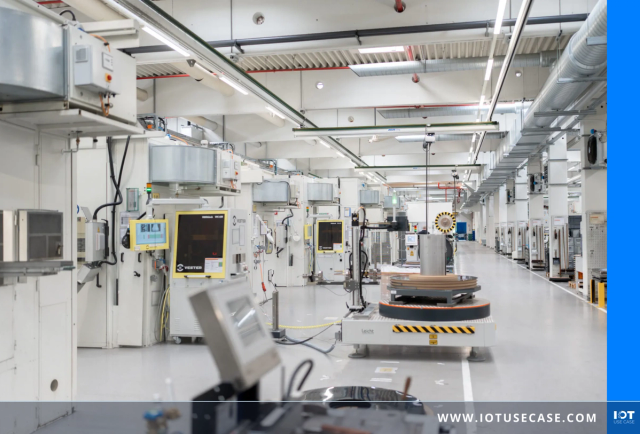



Consolidating fragmented machine communication and separating IT from OT
A manufacturer of electrical connection technology replaces its scattered communication servers with soffico's Orchestra and cleanly separates IT from OT. At the Thuringia plant, around 120 machines were connected in three days.
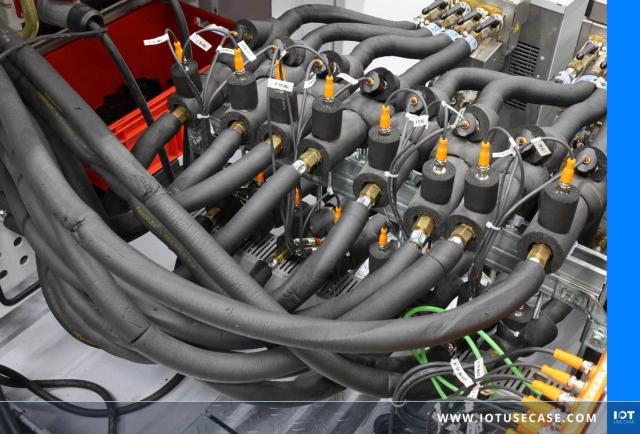





Monitoring injection mould cooling via IO-Link to cut energy use
From gut feeling to hard data: at RAFI in Bad Waldsee, sensors and the moneo IIoT platform make the injection moulding process transparent. Temperatures, flow rates, compressed air and energy consumption are recorded, visualised and analysed continuously.
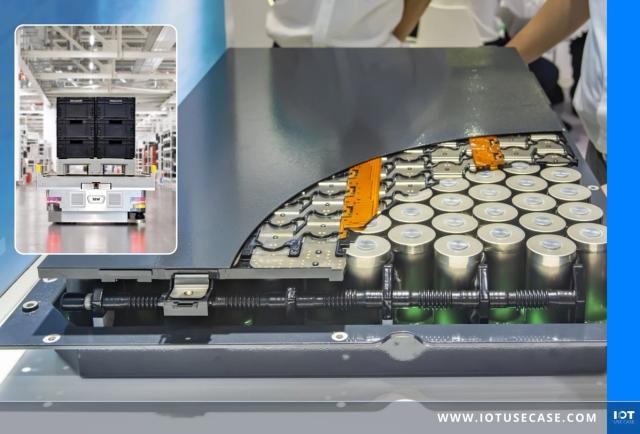



Automating cleanroom intralogistics in battery production with AGVs
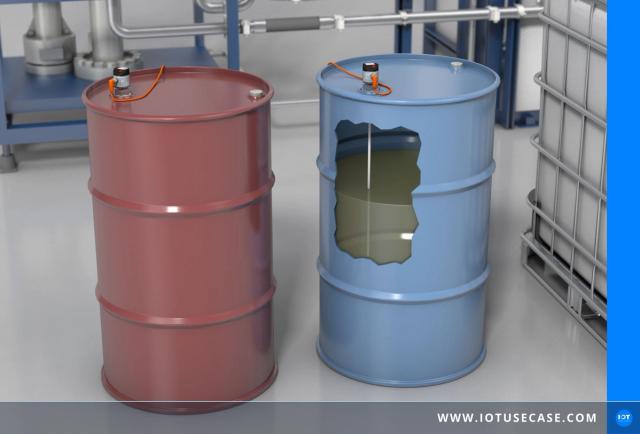
AI-supported level monitoring of casting resin drums
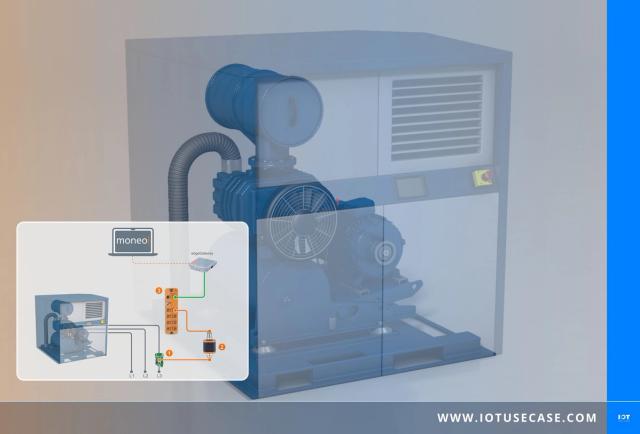
Detecting compressor operating states based on current consumption
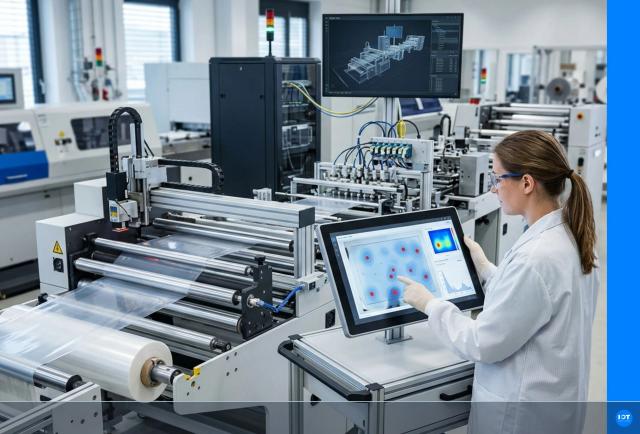


Process data analysis reveals the causes of scrap
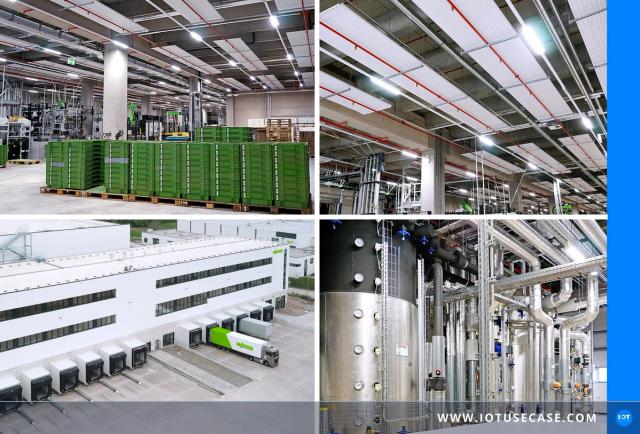


Goodbye Chimney – Fossil-free logistics centre with IoT-based energy management
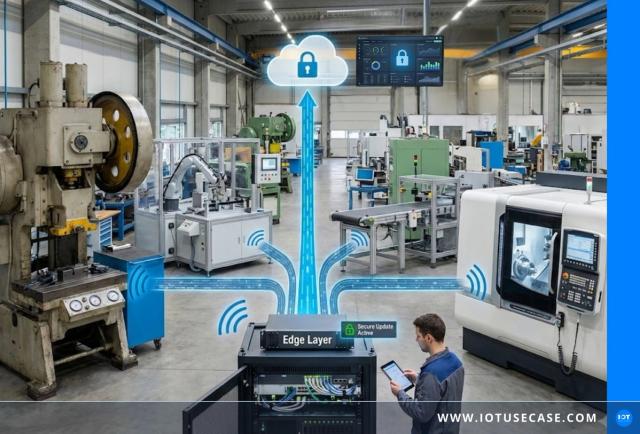




Standardised machine connectivity and secure integration via Edge Layer
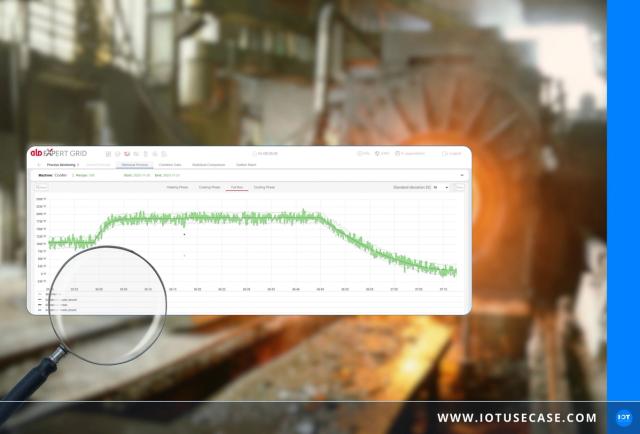


Process monitoring with on-premises IoT improves safety and quality










IT/OT integration for a unified data foundation – using PCB manufacturing as an example
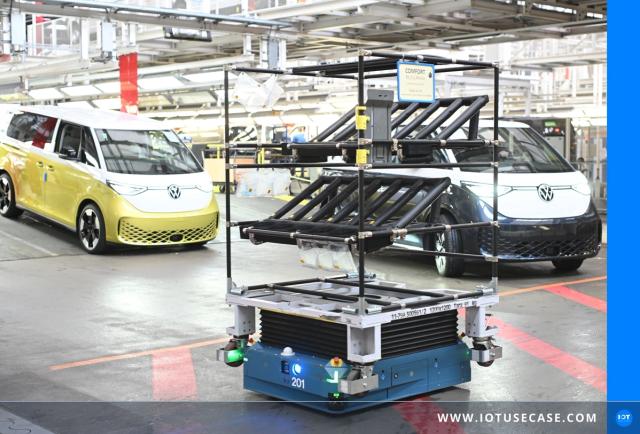

VDA 5050: Unified control layer for AGV fleets, centrally in real time
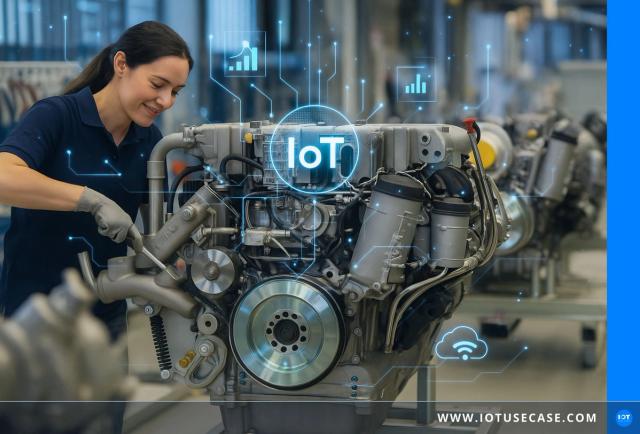





Scalable IoT architecture replaces historically grown service platform
- Reducing energy costs through targeted compressed air monitoring
- Condition monitoring of fans in steel manufacturing
- Evaluating energy data live in the plant – creating visibility without coding
- Scalable data platforms for complex materials: achieving data-driven manufacturing in lightweight construction
- Track production orders in real time with RFID and moneo Track & Trace
- Efficient process data visualisation for industry
- Documentation and traceability in metallurgy
- Detecting unused compressor runtimes and leakages with a scalable IoT platform
- Increasing machine availability by monitoring hydraulic power units in test rigs
- How to safeguard your processes with digital data acquisition
- Intelligent pump monitoring using artificial intelligence
- Automated quality assurance for coating systems
- Water consumption, leakages and cooling performance
- Unlocking OT data access and efficient network communication with Kepware
- Controlled quality: with platform IoT concept into the future of testing
- ZEISS: new integration level regulates data heterogeneity and sets group-wide data standards
- Silo transport digitized: more efficient, safer and more convenient unloading
- Michelin enables scalable real-time inventory management with Confluent
- Placed on a solid MES footing – more efficient PCB production thanks to a solid database
- The energy transition as a driver of intelligent storage systems
- From machine data acquisition to predictive maintenance
- Data visualisation brings transparency to semiconductor production
- Monitoring of critical plant parameters in copper production
- Tool dispensing from the IoT cloud
- Using the industrial IoT to combat thick air in the city
- Smart products based on intelligent data use
- RFID tracking in production avoids errors
- Optimising the melting process in the foundry with machine data
- Proactive customer service with mobile app
- Networked product and service innovation for semi-trailers
- High availability in flat steel production
- Sensor-based monitoring of storage refrigerators
- How IoT measurement technology improves the maintenance of railroad components
- On the growth path with pay-per-part
- Seamless and tamper-proof evidence of the supply chain of fair trade tin
Podcast episodes: Metal and Electronics
23 episodes of the IoT Use Case Podcast on this industry, newest first.



23 Episodes Condensed: What Really Worked and What Didn't



IoT Low-Code on the Shopfloor: Machine Data via OPC UA into ERP




Private 5G in Heavy Industry: Practical Insights from a Steel Plant


Implementing IoT Successfully: Use Cases, Impact, Partnerships


Energy Efficiency with IO-Link and AI – Practical Insights from achtBytes




Ensuring Quality with IoT: How RAFI and ifm Digitalize Injection Molding
IoT use cases: Metal and Electronics
55 use cases already implemented in this industry, sorted by number of implementations.
Production data, maintenance logs, and operating manuals are stored centrally in digital archives. This simplifies access and management for employees in production and management.





With modern sensor technology and smart data analysis, damage can be detected before it escalates. Whether leaks in water pipes, overheating in electrical systems or mechanical wear – continuous monitoring makes problems visible early. In condition monitoring and predictive maintenance this leaves time for targeted maintenance, in corrective maintenance affected components are located quickly, and in loss prevention it protects assets and infrastructure in the long term.




Transparency over production performance and runtimes. By capturing pulse counts, cycle times, utilization, and throughput directly at the machine, production processes become continuously measurable. The resulting data provides a reliable basis for analyzing runtimes, downtimes, and performance deviations of individual assets or production lines.
Automated creation of reports and logs for audits and compliance requirements. Digital systems enable seamless traceability and ensure efficiency in audit processes.




Digital temperature monitoring, even for extreme conditions. In our network, IoT-based temperature measurements are implemented for steam pipes, for example – using LoRaWAN or mioty® sensors that operate maintenance-free for over 10 years. In condition monitoring and predictive maintenance the data reveals trends and anomalies early; in corrective maintenance it helps locate hotspots and repair defective components in a targeted way.

Traceability with IoT data – for quality, compliance, and efficiency. Other companies in our network rely on digital traceability solutions to map complete process histories – from goods receipt to delivery. IoT sensors automatically capture time, location, condition, and ID of objects. These IoT traceability systems help meet regulatory requirements and quickly isolate quality issues. → Proven solutions from our partners show: combining traceability and asset tracking increases production security.


- Automatic Spare Parts Ordering
- Correlation of Production Parameters
- Digitized Order Management
- Leak Detection
- Seamless control throughout production
- Consumption Data Collection and Visualization
- Tracking, visualizing, and analyzing energy consumption per unit
- Digital Production Logs and Manufacturing Documents
- IoT-Based Energy Management System
- Level and Distance Measurement
- Optimize your supply chain (batch traceability)
- Peak Load Management
- Vibration Monitoring
- Waste Reduction
- Audit-Reporting in Traceability
- Coating Monitoring
- Energy Efficiency Analysis
- Inventory Management
- Inventory Management and Reorders
- Knowledge Retention
- Moisture Measurement
- Object Localization in the Industrial IoT
- Resource Efficiency (Water Management)
- Smart Charging – Charging Management
- Tool Wear
- Acoustic Monitoring
- Battery Storage and Emergency Power Scenarios
- Container Management – Logistics IoT
- Efficient Material Supply
- Emissions Management
- Energy Cost Optimization per Machine
- Filter Monitoring
- Flow measurement, e.g., of air or water
- Hazard detection
- HVAC – Suspended Ceilings, Heating, Cooling
- Immediate emergency communication
- Insights into Your Entire Supply Chain / Digital Tracking
- Invisible Microcracks
- Item tracking throughout the supply and manufacturing chain
- Material Distortion and Deformation
- Product Carbon Footprint in Sustainability (ESG)
- Protection against counterfeiting and fraud
- PV Yield Management and Self-Consumption Optimization
- Real-time damage prevention
- Route Optimization and Route Planning
- Self-sufficient supply of C-parts
- Shift or Location Comparison
- Thermal Storage Integration
- Usage Monitoring
Functional areas in this industry
Number of projects per entry. The number leads to exactly these projects.
Connected assets: Metal and Electronics
69 assets from the projects in this industry, sorted by number of implementations.
- Compressed air, 3 projects
- Compressor, 3 projects
- Refrigeration system, 3 projects
- Automated guided vehicle (AGV), 2 projects
- Charging station, 2 projects
- Coating plant, 2 projects
- Cutting tool, 2 projects
- Industrial furnace, 2 projects
- Injection moulding machine, 2 projects
- Lighting, 2 projects
- Machine tool, 2 projects
- Melting plant, 2 projects
- Molten metal, 2 projects
- Power tool, 2 projects
- Printed circuit board, 2 projects
- Pump, 2 projects
- Semi-trailer, 2 projects
- Track infrastructure, 2 projects
- Ventilation system
- Axle counter
- Battery storage
- Bogie
- Conveyor belt
- Cooling water
- Dispensing machine
- Drive system
- Drum
- Electric motor
- Employee badge
- Fan
- Fibre laying system
- Filter
- Filtration plant
- Goods in transit
- Heat pump
- Hydraulic oil
- Hydraulic power unit
- Hydraulic tank
- Industrial adhesive
- Infiltration plant
- Injection-moulded part
- Job folder
- Laser cutting machine
- Laser system
- Machining centre
- Photovoltaic system
- Pickling line
- Plastic granulate
- Process vessel
- Production line
- Pumping station
- Punching machine
- Rail vehicle
- Raw material batch
- Refrigerator
- Resin and hardener
- Service water
- Spring
- Superalloy component
- Thermal storage tank
- Tin
- Touch film
- Transformer
- Truck
- Tugger train
- Turbine blade
- Tyre
- Vacuum system
- Wire drawing machine
The challenges driving IoT projects in metal and electronics manufacturing
Process precision and consistent quality
In metal processing and electronics manufacturing, micrometers and millivolts determine whether a part is scrap or good. Inline sensors continuously monitor critical process parameters and detect deviations before defective parts reach the next process stage.
Plant availability and unplanned downtime
Presses, lasers, welding systems, SMT machines, and etching lines must run at high availability. Unplanned downtime in clocked production lines generates consequential costs beyond the actual machine failure. Predictive maintenance prevents this.
Traceability in electronics manufacturing
Printed circuit boards, assemblies, and electronic components must be traceable to batch level – from component delivery to the installed unit at the end customer. IoT-based track & trace systems create this transparency automatically and in an audit-proof manner.
Energy efficiency in energy-intensive processes
Furnaces, presses, electroplating tanks, soldering systems, and reflow ovens are energy-intensive. Granular energy monitoring at machine and process level reveals load peaks and savings potential – and provides the data foundation for CO₂ reports and ESG documentation.
Tool and fixture management
Precision tools, molds, electrodes, and fixtures have limited service life and must be maintained or replaced. IoT-based tool monitoring automatically records usage cycles and prevents quality-degrading overuse or costly emergency replacements.
Digital Product Passport and material documentation
EU regulations increasingly require seamless material documentation – alloy compositions, origin, processing conditions, and CO₂ footprint at component level. Without structured IoT data from production, providing this evidence efficiently is barely feasible.
IoT in metal and electronics manufacturing means presses, melting furnaces, pickling lines, lasers and pick-and-place machines report their own condition. Steel mills spot wear before a line stops, PCB makers track every board through 30 or more process steps, and foundries see the fill level of their furnaces in real time.
Here you will find more than 40 implemented solution examples from users such as Salzgitter Flachstahl, Aurubis, Würth Elektronik, Bosch and CERATIZIT, each with the provider who delivered the project. No marketing, just what actually runs in the plants.
IoT in Metal and Electronics Manufacturing: What Connected Plants Achieve Today
In steel mills, foundries, sheet metal shops and electronics plants, micrometres, seconds and degrees decide between a good part and scrap. At the same time, machines from several decades run side by side, with controllers from different vendors. IoT brings both together: sensors and gateways pull condition and process data out of existing equipment, a platform combines it, and maintenance, quality and production work from the same numbers.
The examples below come from implemented projects in the IoT Use Case network. Each one names the user, the provider and the technology used.
Typical IoT Use Cases in Metal Processing and Electronics Manufacturing
Predictive Maintenance and Condition Monitoring in the Steel Industry
The continuous pickling line at Salzgitter Flachstahl processes around 2,500 tonnes of steel per shift and only stops every two weeks for planned maintenance. More than 100 measuring points along the 330-metre line now report their condition over a second, read-only fieldbus channel to the Endress+Hauser Netilion platform, without touching the automation. Technicians know where the fault is and which spare parts they need before they head out. Details in High availability in flat steel production.
Copper producer Aurubis connected its entire production with azeti, from smelting furnaces and electrolysis to wire drawing machines. Out of 1,500 process parameters, the team picked the truly critical ones and built dashboards and machine learning models for predictive maintenance on top (Aurubis solution example). A steel producer with more than 10 million tonnes of annual capacity monitors conveyors, motors and fans with Honeywell LoRaWAN vibration sensors (Fan condition monitoring in steel manufacturing). More on the approach in the condition monitoring use case.
IoT in Sheet Metal Fabrication: Machine Data as the Basis for Billing
Sheet metal shops often do not know exactly which jobs are profitable because actual machine hours and cost per part are missing. The Riguzzi Group therefore uses a pay-per-part model with TRUMPF, Relayr and Munich Re: the connected machine counts the parts produced, and payment follows usage instead of a large upfront investment. See On the growth path with pay-per-part.
Machine Data Acquisition and Tool Monitoring in Machining
With the autinity software from Schaeffler Digital Solutions, even older machines from different vendors can be connected. Continuous data capture detects tool breakage, chatter during machining and excessive tool wear, and provides the basis for OEE figures (From machine data acquisition to predictive maintenance). On the supply side, CERATIZIT and Materna connected around 1,000 tool vending machines in 22 countries to the cloud and to SAP, each holding up to 840 items (Tool dispensing from the IoT cloud).
Electronics and PCB Manufacturing: Data from Every Process Step
A printed circuit board goes through about 30 production steps, multilayer boards up to twice as many, and pressing repeatedly erases markings. Würth Elektronik introduced the FabEagle MES from Kontron AIS to evaluate machine states, alarms and process data across three sites (More efficient PCB production thanks to a solid database). KSG GmbH and Schaeffler Digital Solutions connected a heterogeneous machine landscape through standardised IT/OT integration, because in the chemical processes every deviation quickly costs entire batches (IT/OT integration in PCB manufacturing).
At the Bosch semiconductor fab in Reutlingen, the journey from raw wafer to chip takes up to 14 weeks. Staff used to walk the corridors to find faults; today Peakboard displays show the status in real time in one central place (Data visualisation in semiconductor production).
Foundry and Metallurgy: Monitoring the Melting Process
Norican Group connected its dosing furnaces to the azeti platform. The Refill Monitor shows foundries in real time how full each furnace is, so the process never runs short of molten metal (Optimising the melting process in the foundry). In vacuum metallurgy, ALD Vacuum Technologies records every melt with pressure, temperature and gas flow in melt review sheets and hands the data over to ERP and MES (Documentation and traceability in metallurgy).
Quality Assurance with Cameras and AI
When coating titanium turbine blades, an ALD operator used to watch the vapour cloud through a small viewport for an entire eight-hour shift. Today a camera-based system monitors the process and documents it for aerospace customers (Automated quality assurance for coating systems). How process data reveals the causes of scrap is shown in Process data analysis with a digital twin. More examples in the quality management use case.
Traceability of Metal Parts and Material Documentation
If you have to prove in a complaint which batch, which parameters and which machine a part came from, you need a digital identity per part or lot. RFID links production orders to their position in the plant in real time (Track production orders in real time). Solder maker Stannol uses blockchain with Minespider to prove which mine the tin in its solders comes from (Tamper-proof supply chain evidence for fair-trade tin). More in the traceability use case.
The pressure is growing: steel and aluminium are among the first product groups for which the EU Ecodesign Regulation (ESPR) is preparing requirements and a Digital Product Passport, and since 2026 the Carbon Border Adjustment Mechanism (CBAM) requires reliable emissions data for imported steel and aluminium. Both can only be met efficiently with data from production.
Energy Monitoring in Energy-Intensive Processes
Furnaces, pickling lines, electroplating tanks, reflow ovens and compressed air are among the largest consumers in a plant. Sensors on compressors reveal idle running and leaks (Detect unused compressor runtimes and leaks, Cut energy costs with compressed air monitoring), and energy data can be analysed live in the plant without coding (Evaluate energy data live in the plant). The same data feeds the carbon footprint and ESG report. More in the energy monitoring use case.
How IoT Improves Efficiency in Metal Manufacturing
The gains almost always come from the same four places: fewer unplanned stoppages because wear is detected early; less scrap because process deviations show up immediately rather than at final inspection; shorter maintenance jobs because technicians know the fault location and spare part in advance; and lower energy use because idle running and leaks become visible. Progress is usually measured through overall equipment effectiveness (OEE), which only becomes reliable with automatically captured machine data.
What Makes IoT in Metal and Electronics Different
Heavy vibration at presses and stamping machines, electromagnetic interference at welding systems, heat at furnaces and aggressive media in pickling and electroplating call for rugged, industrial-grade sensors. On top of that comes the mixed machine park: OPC UA is far from standard everywhere, and many machines speak Profinet, Profibus, Modbus or EtherNet/IP. Platforms that connect these protocols directly or unify them through an edge layer save the most time here.
It is also essential not to put the control system at risk. Salzgitter deliberately reads its instrumentation only through a second channel and transmits data encrypted via TLS, so nobody can interfere with operations from outside.
How to Start an IoT Project in Metal or Electronics Manufacturing
1. Start with a specific question, not with technology. Würth Elektronik first clarified which alarms should be captured at all and how they would be evaluated.
2. Pick one critical asset whose failure really costs money, such as a pickling line, a press or a pick-and-place machine.
3. Use the data already in the controller and only retrofit sensors where values are missing, as Aurubis and Norican did.
4. Define the few metrics that matter: Aurubis narrowed 1,500 parameters down to the critical ones.
5. Run it as a pilot, measure the result, then roll it out to further lines and plants.
IoT Providers with References in Metal and Electronics
The projects on this page were delivered by providers including Endress+Hauser, azeti, Schaeffler Digital Solutions, Kontron AIS, Honeywell, Peakboard, ALD Vacuum Technologies, Materna, Minespider and TRUMPF. Below you will find all solution examples for the industry, with users and partners. If you are looking for a provider for a specific project, get in touch and we will connect you with the network.
Frequently asked questions: implementing IoT in metal and electronics manufacturing
How do I get started with Metal 4.0 in my own plant?
With the equipment whose downtime or scrap costs the most, such as a press, furnace or placement line. Read states and process values from the controller there, add missing values with sensors and prove the benefit after a few months. Only then roll out, using a uniform integration layer. One manufacturer of electrical connection technology connected around 120 machines in one plant within three days once the standard was in place.
Which IoT application pays off first in metalworking?
Usually the one that makes downtime at bottleneck equipment and energy losses visible. Compressed air and cooling water are typical cost drivers whose leaks can be uncovered with just a few sensors. In one foundry, monitoring the fill level of dosing furnaces increased the productivity of the metal supply by up to 15 percent. Measure the effect through OEE and energy cost per part, and you have the figures for the next step.
How do I connect PCB or SMT production to an MES?
Step by step, with a pilot on one line. One PCB manufacturer first connected its solder mask line and used it to clarify which data, alarms and KPIs it actually needed. Further equipment followed only afterwards, including semiconductor-specific interfaces. Another manufacturer writes production parameters from the ERP straight into the controller, avoiding operator errors. The software provider cites at least 10 percent higher equipment availability through an MES.
How can metal parts be traced end to end?
Each part or lot receives a digital identity, for example via RFID, a Data Matrix code or its workpiece carrier. The IoT platform links this ID to the material batch, machine and process parameters. In a complaint, you can then trace within minutes which parts are affected.
Can older sheet metal and machining equipment be connected?
Yes. Many values can be read directly from the existing controller, and you retrofit sensors for missing values such as vibration, current or temperature. An edge gateway translates protocols such as Profinet, Modbus or OPC UA into a uniform data model without modifying the machine. This lets you bring even a mixed machine fleet, including custom-built machines, onto a common data basis.
Which sensors are used in metal and electronics plants?
Most common are vibration, temperature and current sensors for machine condition, plus pressure, flow, level, pH and conductivity measurement in pickling, electroplating and PCB chemistry, and cameras for quality inspection. The hardware must withstand vibration, heat and electromagnetic interference.
How do I use AI to reduce scrap in metal and electronics manufacturing?
By recording process data across many batches and linking it to quality results. Models then recognise which parameters lead to scrap and warn you before a process drifts. A proven approach is a reference curve from a particularly good batch, against which every new batch is checked. Camera systems also inspect surfaces and coatings. The prerequisite is clean, time-stamped machine data, and the solution can run entirely on your own network.
How do I provide carbon and material data for the digital product passport and CBAM?
By measuring energy and material consumption automatically for each machine and batch instead of calculating with averages. Since 2026, importers of steel and aluminium have reported embedded emissions under CBAM, and measured supplier values are usually more favourable than default values. The digital product passport is also set to cover steel and aluminium early on. Meters on furnaces, presses and compressed air, linked to the batch, provide reliable values per product.
How do I find the right implementation partner for IoT in metal and electronics manufacturing?
The fastest way is through projects that are already up and running. The solution examples on this page name the implementation partner, the technology used and in most cases the user, so you can see who has already delivered a comparable project. If you briefly describe your project via the contact form, we will put you in touch with providers who have experience with your exact use case in metal and electronics manufacturing.
Implementing IoT in metal and electronics – we can help
Are you planning an IoT project in the metal or electronics industry, or do you want to become visible as a solution provider in this area? We help you find the right partners, present solutions in a practical way, and reach real users.
Get in touch