
Chemicals + Raw Materials
In the chemical industry, IoT mainly monitors pumps, steam networks, tanks and reactors. Retrofitted wireless sensors report vibration, temperature and fill level without touching the process control system. At CHEMPARK, CURRENTA used this to cut downtime of its river water pumps by 70% and extend their service life by 30%.
Verified IoT projects: Chemicals + Raw Materials
53 projects from our network, newest first.
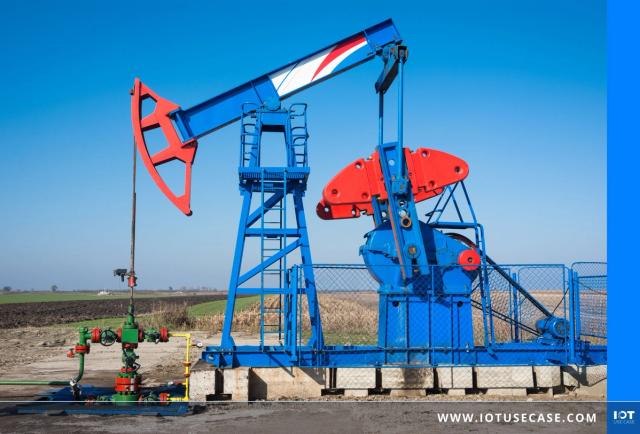



Proving well integrity continuously via LoRaWAN without site visits
WIKA captures annulus and tubing pressure at oil and gas wells via LoRaWAN®, without laying a cable. The wireless sensor reports anomalies within minutes and site inspections drop by over 75 percent.
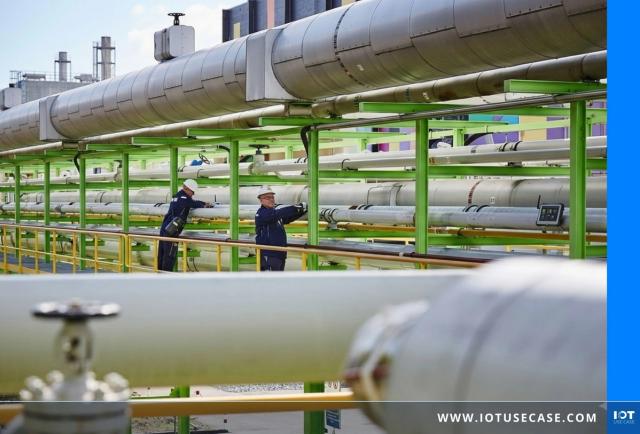




Steam network monitoring with LoRaWAN®: detect losses and optimize generation
At a chemical site, Conneqtive monitors network temperatures and steam traps via LoRaWAN®. Leaks show up early and the power plant runs without unnecessary buffers.
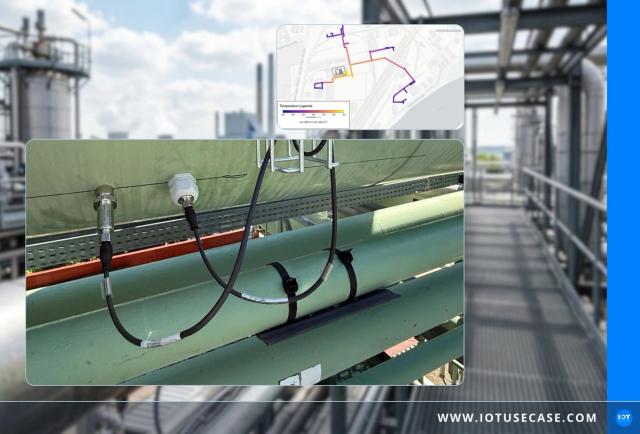

Digital twin for steam pipe monitoring: automated burner optimization
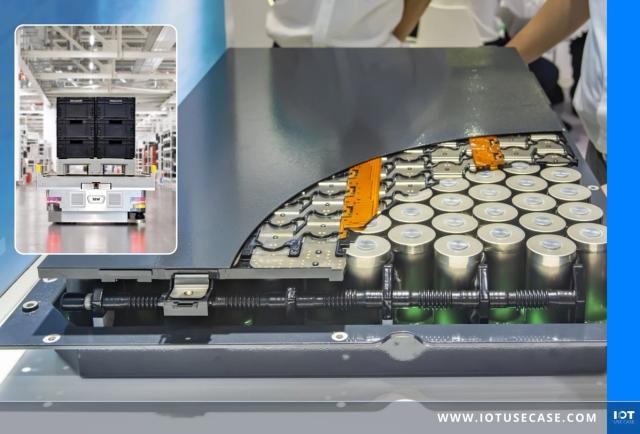


Automating cleanroom intralogistics in battery production with AGVs
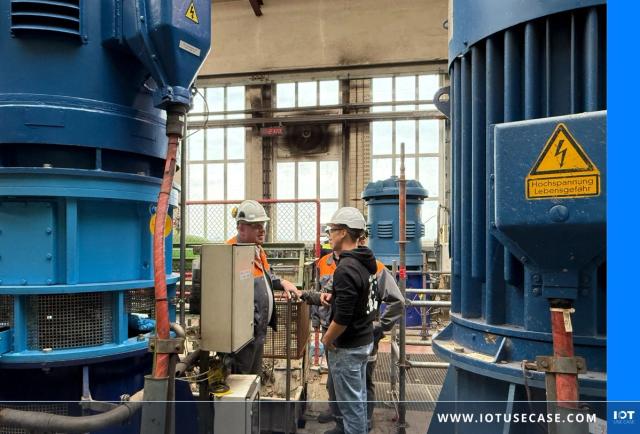
Vibration analysis with LoRaWAN reduces failures in water pumps
At CHEMPARK, CURRENTA monitors river water pumps with battery-powered LoRaWAN vibration sensors and AI-supported analysis. Predictive maintenance cuts downtime by 70% and extends service life by 30%.
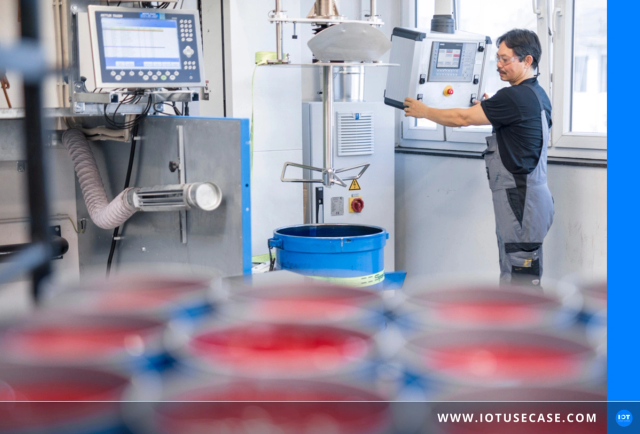



Ensuring digital batch traceability in ink manufacturing – with ERP integration
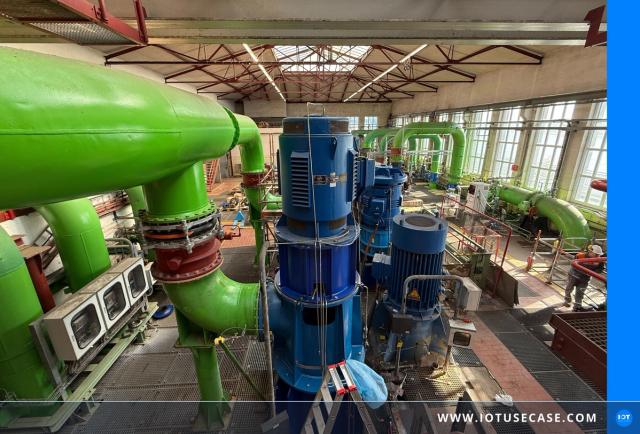


Pump monitoring for predictive maintenance and reduced downtime
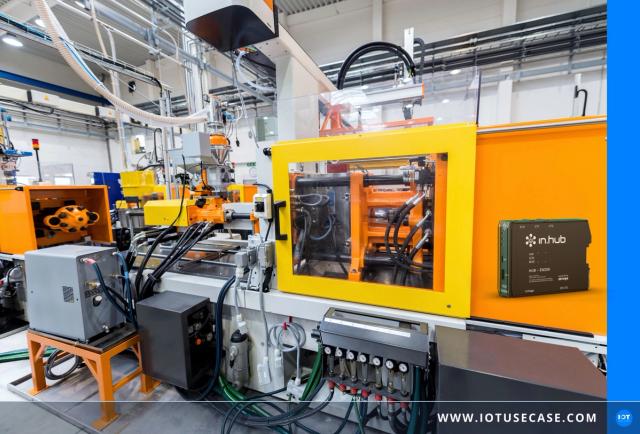

Energy efficiency in plastic injection moulding – 11% lower energy consumption per part
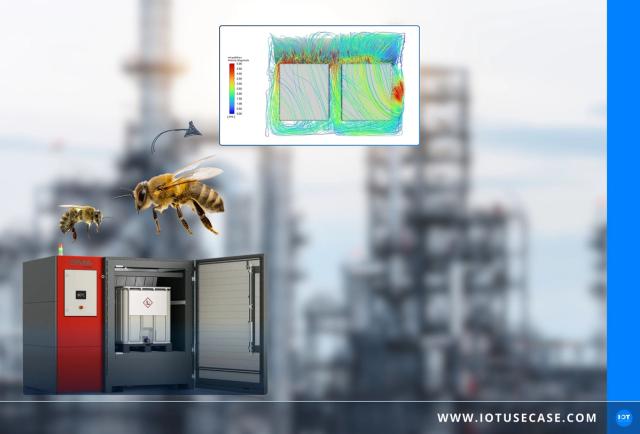


IoT-supported heat chamber for optimised chemical production and processing
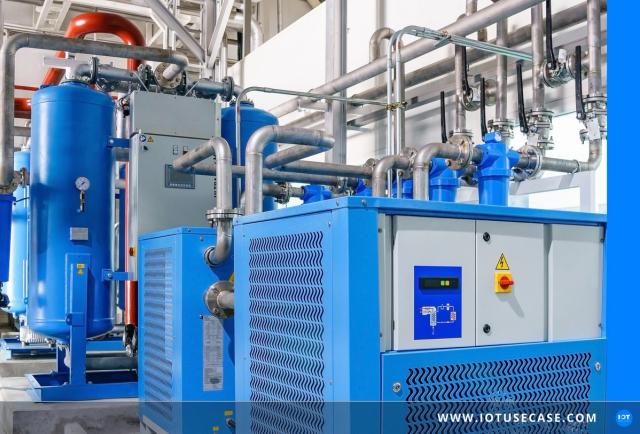



Operating compressed air compressors efficiently with remote monitoring
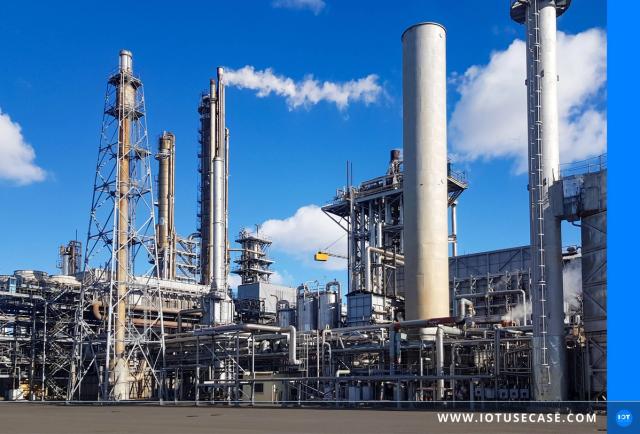

OT security monitoring & risk assessment in chemical production
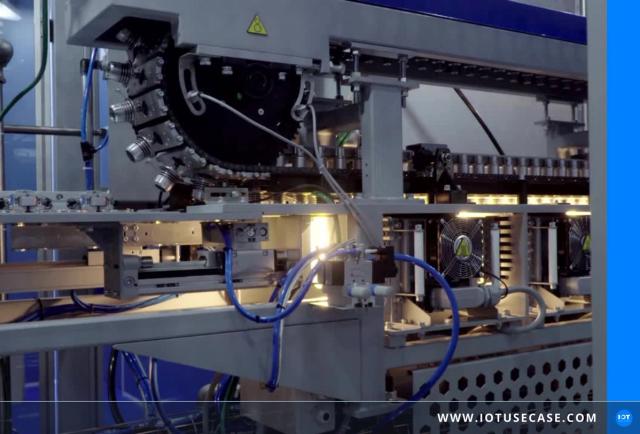



PET blow molder becomes IoT-enabled – retrofit without machine rebuild
- Saving energy with IoT compressed air monitoring in production
- Maintenance at 1000°C – using condition data instead of stopping plants
- Making inaccessible machine data visible – reducing rejects, increasing quality
- Fragmented data stops innovation – buy-and-build strategy for sustainable asset management
- Seamlessly integrated down to field level – including hazardous areas: Ethernet-APL networks the process industry
- Industrial radio data connects decentralized plants via mobile network
- Spare parts management with MyUNTHA: identify with 3D support and order easily
- Digital maintenance manager MyUNTHA optimises shredders with smart sensors
- Increasing delivery reliability with real-time applications.
- Optimising traceability: practical approaches for data-driven manufacturing
- Predictive maintenance of rotating machinery
- Greiner Packaging standardises connectivity to improve quality and OEE
- Remote monitoring of oil, gas and chemical storage tanks
- Real-time data transparency in chemical production: the path to modern manufacturing strategies
- Efficiency boost through process visualisation and monitoring in chemical production
- M2M communication with seamless data exchange
- Production and OEE management in extrusion with real-time information and analysis app
- Data-based production optimisation in injection moulding production
- How data-based process optimisation improves seal production planning
- AQUACHEM filter presses enable fully automated 24/7 operation
- Compatibility and mobile capability for a hybrid team
- Robots for construction chemicals in prefabricated construction
- Strategies for data-driven digital transformation in production
- Securing competitive advantages in the chemical industry with IIoT
- Cement industry: proactively preventing failures
- Combined expertise for operational optimisation for pump operators
- Smart factory solution creates efficiency and quality improvement in the production process
- Revolutionary productivity increase through operating point optimisation
- Michelin enables scalable real-time inventory management with Confluent
- Maximum availability of drive systems in cement production
- Monitoring of critical plant parameters in copper production
- The easy way to networked production: the smart factory as a modular system
- Dashboard live data on the shop floor: robots optimally utilised
- Higher beer quality through brewing process with ultrasonic sensors, AI and cloud solution
- With a SIM card for plants to new sales and business models
- Digital strategy for the most sustainable food packaging in the world
- Optimise sawmill production and reduce downtime
- Optimal maintenance timing of conveyor belts thanks to IoT sensors
- How IoT measurement technology improves the maintenance of railroad components
- On the growth path with pay-per-part
- Tracking of transport carts in production
Podcast episodes: Chemicals + Raw Materials
17 episodes of the IoT Use Case Podcast on this industry, newest first.


23 Episodes Condensed: What Really Worked and What Didn't




Make or Buy in IIoT: Scaling Use Cases on One LoRaWAN Platform


180km Steam Network: Wireless Condition Monitoring with LoRaWAN


Energy Efficiency with IO-Link and AI – Practical Insights from achtBytes




Epple Druckfarben & Innomat: Digital Batch Traceability with Kalisto IoT




Illuminating Dark Data, Mastering Retrofit: Enhancing Plant Efficiency and Safety
IoT use cases: Chemicals + Raw Materials
38 use cases already implemented in this industry, sorted by number of implementations.
Digital temperature monitoring, even for extreme conditions. In our network, IoT-based temperature measurements are implemented for steam pipes, for example – using LoRaWAN or mioty® sensors that operate maintenance-free for over 10 years. In condition monitoring and predictive maintenance the data reveals trends and anomalies early; in corrective maintenance it helps locate hotspots and repair defective components in a targeted way.









With modern sensor technology and smart data analysis, damage can be detected before it escalates. Whether leaks in water pipes, overheating in electrical systems or mechanical wear – continuous monitoring makes problems visible early. In condition monitoring and predictive maintenance this leaves time for targeted maintenance, in corrective maintenance affected components are located quickly, and in loss prevention it protects assets and infrastructure in the long term.



IoT-supported analyses examine the relationships between machine settings and product quality. This data helps to identify faulty processes and make targeted adjustments to ensure consistently high quality.




Production data, maintenance logs, and operating manuals are stored centrally in digital archives. This simplifies access and management for employees in production and management.


Production steps and quality controls are documented directly in digital form, without the detour via paper logs. This improves accuracy and saves time in analysis and tracking.



Transparency over production performance and runtimes. By capturing pulse counts, cycle times, utilization, and throughput directly at the machine, production processes become continuously measurable. The resulting data provides a reliable basis for analyzing runtimes, downtimes, and performance deviations of individual assets or production lines.
- Digital tracking of products and processes
- Inventory Management
- Inventory Management and Reorders
- Vibration Monitoring
- Digitized Order Management
- Leak Detection
- Optimize your supply chain (batch traceability)
- Audits and Reportings
- Knowledge Retention
- Remote Reading
- Waste Reduction
- Efficient Material Supply
- Route Optimization and Route Planning
- Seamless control throughout production
- Acoustic Monitoring
- Audit-Reporting in Traceability
- Container Management – Logistics IoT
- Effective Risk Management
- Emissions Management
- Emissions Monitoring (Gas / Fluids)
- Filter Monitoring
- Hazard detection
- IoT-Based Energy Management System
- Item tracking throughout the supply and manufacturing chain
- Level and Distance Measurement
- Object Localization in the Industrial IoT
- Precise real-time inventory monitoring
- Product Carbon Footprint in Sustainability (ESG)
- Real-time damage prevention
- Shift or Location Comparison
- Tracking, visualizing, and analyzing energy consumption per unit
- Waste Management
Functional areas in this industry
Number of projects per entry. The number leads to exactly these projects.
Connected assets: Chemicals + Raw Materials
57 assets from the projects in this industry, sorted by number of implementations.
- Pump, 5 projects
- Extruder, 3 projects
- Industrial furnace, 3 projects
- Injection moulding machine, 3 projects
- Raw material batch, 3 projects
- Compressed air, 2 projects
- Dosing system, 2 projects
- Electric motor, 2 projects
- Size reduction machine, 2 projects
- Steam, 2 projects
- Storage tank, 2 projects
- Automated guided vehicle (AGV), 1 project
- Beer, 1 project
- Blow moulding machine, 1 project
- Blown film line, 1 project
- Bogie, 1 project
- Borehole, 1 project
- Burner, 1 project
- Chain conveyor
- Compressor
- Construction chemicals
- Crusher
- Drilling rig
- Drive chain
- Dryer
- Filling station
- Film product
- Filtration plant
- Gas cylinder
- Industrial robot
- Injection-moulded part
- Laser cutting machine
- Lubricant
- Manufactured component
- Melting plant
- Mixing plant
- Packaging machine
- PET preform and bottle
- Pipe (manufactured product)
- Polymer melt
- Power plant
- Process vessel
- Production line
- Punching machine
- Rail vehicle
- Reactor
- Refrigeration system
- Rolling bearing
- Sawing machine
- Spring
- Steam boiler
- Steam trap
- Timber
- Track infrastructure
- Transport trolley
- Welding robot
- Wire drawing machine
These challenges are driving IoT projects in the chemicals and raw materials industry
Process safety and plant availability
Chemical plants operate under extreme conditions: pressure, temperature, aggressive media. An unplanned failure can be not only costly but safety-critical. Real-time monitoring and predictive maintenance minimize failure risks and keep plants reliably operational.
Compliance with REACH, SEVESO, and occupational safety regulations
The chemicals sector is one of the most heavily regulated industries. Seamless documentation of process parameters, emissions, and substance quantities is mandatory – and manual recording is error-prone. IoT-based systems generate audit-proof records automatically.
Emissions monitoring and environmental compliance
Pollutant emissions into air, water, and soil are subject to strict limits. Continuous emissions monitoring systems (CEMS), automatic reporting, and early warning systems are regulatory requirements and simultaneously protect against liability risks.
Traceability of raw materials and hazardous substances
From raw material delivery to finished product, batches, concentrations, and processing steps must be fully traceable. IoT-supported track & trace systems replace error-prone manual documentation and create transparency across the entire process chain.
Level monitoring in tanks and silos
Incorrect fill levels in chemical tanks can lead to overfills or run-dry situations – with serious consequences for safety and production. Permanent IoT-based level monitoring prevents critical conditions, automates reorder processes, and optimizes storage logistics.
Energy efficiency and CO₂ footprint in process chemistry
Chemical processes are highly energy-intensive. Reactors, distillation columns, and compressors consume enormous amounts of energy. Granular energy monitoring reveals savings potential, reduces operating costs, and provides the data foundation for CO₂ accounting and ESG reporting.
Pumps, steam networks, storage tanks and reactors in the chemicals and raw materials industry run around the clock, often in hazardous areas and in plants that are decades old. Failures are expensive and can be dangerous, while documentation requirements keep growing. IoT sensors can be retrofitted without touching the process control system: they report condition, fill level and energy consumption wirelessly and make maintenance plannable. Here you will find solution examples already running in chemical plants and chemical parks.
IoT in the chemical industry: what already works in chemical plants
Chemical industry 4.0 means the digitalisation of chemical production: plants, machines and storage report their own condition data instead of someone reading gauges on inspection rounds. In practice it rarely starts with a big platform, but with a specific problem: a pump that keeps failing, a steam network run with too much buffer, or a tank farm whose levels nobody knows in real time.
The chemicals and raw materials industry has particular requirements. Processes run around the clock, often in hazardous areas, and many plants are decades old. IoT solutions therefore have to be retrofittable, offer ATEX-certified devices and must not put the control system at risk. The following applications have already been implemented by operators in chemical plants and chemical parks.
Typical IoT applications in the chemicals and raw materials industry
Predictive maintenance for pumps and rotating machines
Pumps, motors, compressors and agitators are the most common cause of failures in chemical plants. Battery-powered vibration and temperature sensors are attached to the outside of the housing and transmit their readings via LoRaWAN®. The analysis detects imbalance or bearing damage before the machine stops. At CHEMPARK, CURRENTA used this approach to monitor the river water pumps in Krefeld-Uerdingen: 70% less downtime and 30% longer service life. More on the use case vibration monitoring.
Monitoring steam networks and steam traps
At many chemical sites, steam is the most important energy carrier. Because measuring points in the network are missing, power plants usually run with a thermal safety buffer. Steam traps are often checked only once a year, so a faulty trap can lose steam unnoticed for up to eleven months. With LoRaWAN® steam network monitoring, wireless sensors continuously report network temperatures and the condition of the steam traps. Using a digital twin of the steam network, CURRENTA lowers the feed temperature by up to 20 °C at the same steam quality.
Leak detection for steam, compressed air and media
Leaks cost energy and can become safety-critical. Sensors on pipes, steam traps and compressed air networks detect pressure drops, temperature changes or ultrasonic signals and raise an alarm before an inspection round finds the spot. One example is IoT compressed air monitoring; more implementations are listed under the use case leak detection.
Chemical tank monitoring and level measurement
Chemicals, raw materials and intermediates are stored in tanks, silos and IBC containers, often spread over large areas or at customer sites. Telemetry units measure the level and send it to a platform over the cellular network or a wireless network. Orders and delivery routes are then planned automatically and overfills are prevented. With the remote monitoring of oil, gas and chemical storage tanks, delivery costs fall by up to 30% per litre. More on level and distance measurement.
Process monitoring on reactors, furnaces and plants
For reactors and furnaces, the condition of the refractory lining determines how long they can run. In Stade, Air Liquide monitors a new reactor operating at around 30 bar and above 1000 °C with a thermal camera and an IoT gateway and feeds the data into the process control system: condition-based maintenance instead of plant shutdowns. At Daubert Chemical, process visualisation in chemical production cut the number of unresolved issues by 75%.
Batch tracking and traceability
In recipe and batch production, it must be clear which raw material batch went into which product. When dosing systems and manual scales are connected to a central system, batch data is created automatically and goes straight into the ERP. Epple Druckfarben AG implemented exactly this: digital batch traceability with ERP integration. More on batch traceability.
Energy monitoring and CO₂ reduction
Chemical processes and plastics processing need a lot of energy. Meters and sensors per plant show where it is used and provide the data for energy management and CO₂ accounting. In plastics processing, energy consumption per injection-moulded part fell by 11%. At Air Liquide in Stade, the energy efficiency of the modernised plant rises by about 15% and CO₂ emissions fall by around 15,000 tonnes a year. More on IoT-based energy management systems and emissions monitoring of gases and fluids.
IoT in chemical parks: retrofitting existing plants instead of building new ones
In chemical parks and large industrial sites, pumps, pipes, tanks and utilities are spread over many hectares. Running new cables to every measuring point rarely pays off there. That is why brownfield operators rely on battery-powered wireless sensors: a site-wide LoRaWAN® network with a few gateways covers an entire site, and the sensors run for years without a battery change.
The second point is the control system. Condition data for maintenance and energy does not require any intervention in the process control system. Following the principle of the NAMUR Open Architecture, it travels over a separate channel to the platform, while control and safety functions remain unchanged. This also works for remote assets: on oil and gas wells, WIKA records annulus pressure wirelessly and reduces site visits by more than 75%.
Explosion protection, field level and OT security
Where an explosive atmosphere can occur, only approved devices may be used. Many wireless sensors for vibration, temperature and pressure are therefore available in ATEX-certified versions; the sensors in the steam network example withstand surface temperatures of up to 500 °C. At field level, Ethernet-APL brings Ethernet into hazardous areas, with power and data on two wires and cable lengths of up to 1000 metres: Ethernet-APL in the process industry.
The more is connected, the more important operational technology security becomes. A chemical group first had its OT networks analysed passively and has since been monitoring the communication of its control systems for attacks and fault conditions: OT security monitoring in chemical production.
How to start an IIoT project in an existing plant
Start with an asset whose failure or losses you can put a figure on, such as a critical pump, a section of the steam network or a tank farm. Clarify early on whether devices sit in a hazardous zone, how data may leave the site and who in operations responds to an alarm. A pilot with a few retrofitted sensors shows within a few weeks whether the data holds up. The solution is then rolled out to further plants, usually over the same wireless network and the same platform.
Finding industrial IoT providers with chemical industry references
Every solution example on this page names the implementation partner, the technology used and in most cases the user, including CURRENTA at CHEMPARK, Air Liquide, Aurubis and Epple Druckfarben. This shows you who has already delivered a comparable project in a chemical plant. If you briefly describe your project via the contact form, we will put you in touch with suitable providers.
Frequently asked questions: implementing IoT in the chemical industry
How do I get started with Industry 4.0 in existing chemical plants?
Start where you are losing money today, not with a platform decision. Typical candidates are pumps that fail often, leaking steam traps or tanks that someone reads manually. Retrofit wireless sensors there, prove the benefit in a pilot over a few months and only then roll out to further plants. Clarify early which system the data flows into and who operates the sensors and gateways.
Which IoT applications pay off first in the chemical industry?
Applications where a failure or loss costs money directly pay off fastest: condition monitoring of pumps and rotating machines, monitoring of steam traps and steam networks, leak detection and level measurement in tanks. The sensors can be retrofitted, and the benefit becomes measurable within a few months. One chemical park operator used wireless sensors and a digital twin of its steam network to lower the feed temperature by up to 20 °C, saving millions.
How do you connect existing plants in a chemical park without touching the process control system?
With retrofitted wireless sensors and a separate data channel. Battery-powered sensors are attached to the outside of pumps, pipes or tanks and transmit via LoRaWAN to a few gateways that cover an entire site. Following the principle of the NAMUR Open Architecture, the data goes to a platform for maintenance and energy, while control and safety functions remain unchanged.
Which IoT sensors can I use in hazardous areas?
Any sensor approved for the zone in question. Many wireless sensors for vibration, temperature and pressure are available in ATEX-certified versions, including battery-powered ones without cabling. For wired field devices, Ethernet-APL brings Ethernet into hazardous areas. Your site's explosion protection document defines which zone applies, and you choose the devices accordingly.
How do I retrofit pumps in chemical plants for predictive maintenance?
With wireless sensors that measure vibration and temperature on the outside of the pump housing, usually installed during operation and without touching the pump itself. Frequency analysis detects damage patterns such as imbalance or bearing play long before failure, so maintenance plans the intervention instead of replacing parts at fixed intervals. One chemical park operator cut downtime by 70% and extended the service life of the monitored pumps by 30% this way.
How do I monitor steam traps automatically?
With a wireless sensor on the housing that records ultrasound and temperature. From this, the platform detects whether the trap is passing steam or backing up condensate, reports it immediately and converts the loss into kilograms per hour and euros. Installation requires no plant shutdown. Without a sensor, a defect often only shows up at the next inspection, which with annual rounds means up to eleven months of steam loss.
How do I set up remote monitoring for chemical tanks?
Fit each tank with a telemetry unit that measures the level by radar or pressure and sends it to a platform over the cellular network or LoRaWAN. There you see all tanks at a glance, receive alarms at threshold values and plan refills and delivery routes automatically. For distributed tanks, for example at customer sites, this noticeably reduces delivery costs, by up to 30% per litre in one solution example.
How do I capture batch data in chemical production without manual records?
By having scales and sensors write their values directly into the ERP instead of someone noting quantities on paper. Every weighing is automatically assigned to the right batch, and deviations from the recipe are spotted immediately. One printing ink manufacturer achieved end-to-end traceability this way, without manual documentation. If a complaint comes in, you quickly find which raw material batches went into which product.
How do I find an industrial IoT provider with references in the chemical industry?
The fastest way is through projects that are already up and running. The solution examples on this page name the implementation partner, the technology used and in most cases the user, from chemical parks to industrial gases and copper production. If you briefly describe your project via the contact form, we will put you in touch with providers who have already implemented a comparable project in a chemical plant.
Implementing IoT in the chemicals and raw materials industry – we can help
Are you planning an IoT project in the chemicals or raw materials industry, or do you want to become visible as a solution provider in this area? We help you find the right partners, present solutions in a practical way, and reach real users.
Get in touch