

IoT in Field Service and After Sales
In after sales service, IoT delivers the data from machines at the customer's site: condition, error messages and usage. Manufacturers detect damage earlier, resolve faults remotely and plan service visits in a targeted way. This enables new business models such as product as a service, also known as servitization. This page lists more than 140 examples.
Verified IoT projects: Service and After Sales
148 projects from our network, newest first.
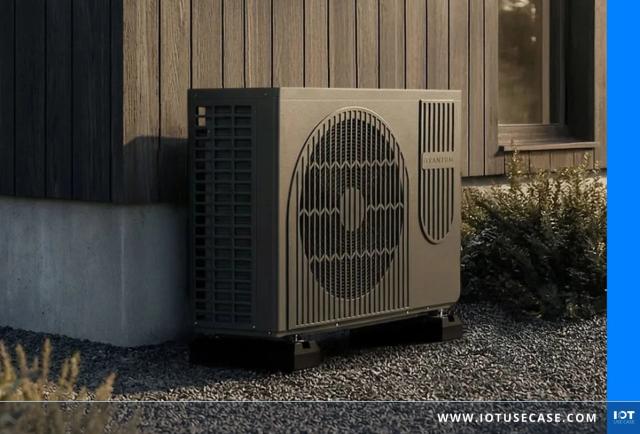



Servicing heat pumps remotely via built-in cellular
Qvantum equips every heat pump with a cellular modem and Telekom IoT SIM at the factory. From the moment it is switched on, the unit is online: installers get remote support, QDoctor flags faults, and an algorithm cuts energy costs by up to 20%.





Monetizing IoT services: from machine connectivity to revenue models
Connected machines alone do not generate revenue. At ZEISS Microscopy and EWE Go, doubleSlash shows how machine data turns into recurring revenue: Connect, Make Smart, Monetize.
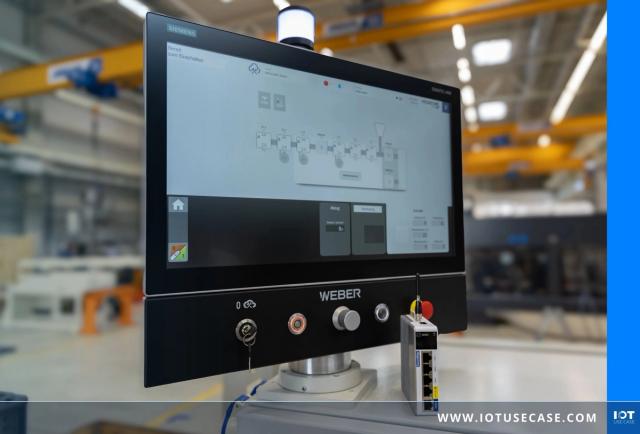



Machine fleet growth: from remote access to a digital service offering
Hans Weber Maschinenfabrik uses the IXON Cloud to turn remote maintenance into a central service platform. Around 50 employees instead of 10 to 12 now work with data from 180 connected machines, and far more issues are resolved remotely.
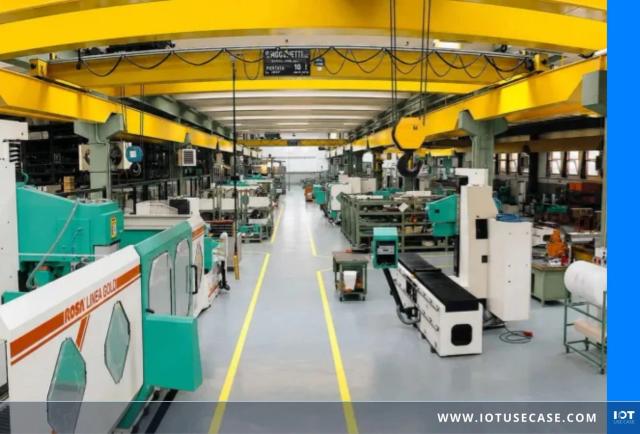




Replacing service silos with one platform to fix faults remotely
Rosa Ermando replaces scattered service silos with the symmedia Hub. Around 60 percent of software problems on its grinding machines are now solved remotely.
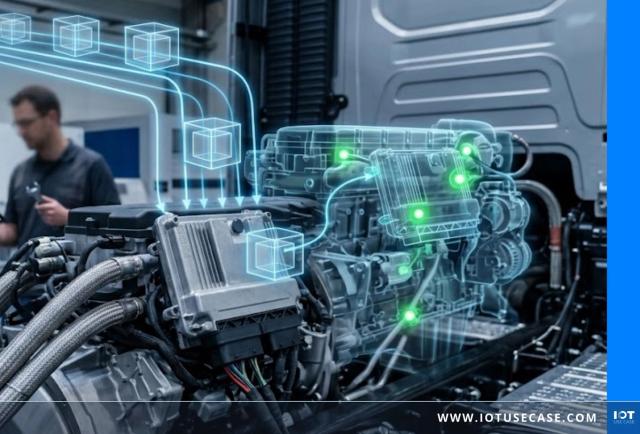





Remote container updates for software defined vehicles
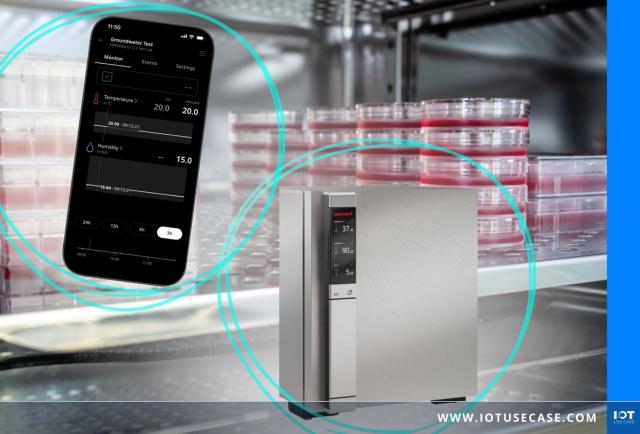



IoT retrofit creates digital services for legacy devices
Memmert connects its climate and temperature control devices with the IoT retrofit by KURZ Digital. Legacy devices can now be monitored remotely via app.
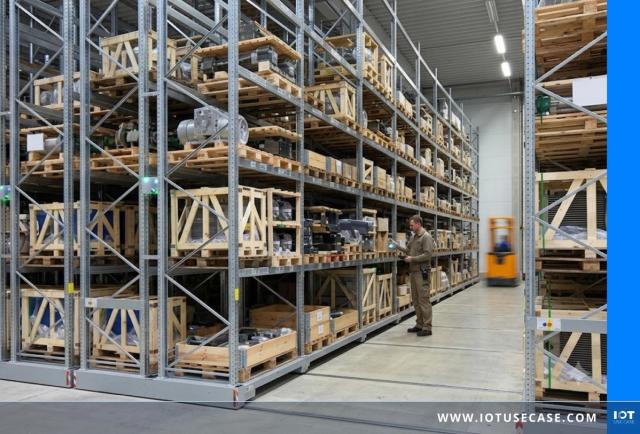



Protecting mobile racking from downtime through condition monitoring
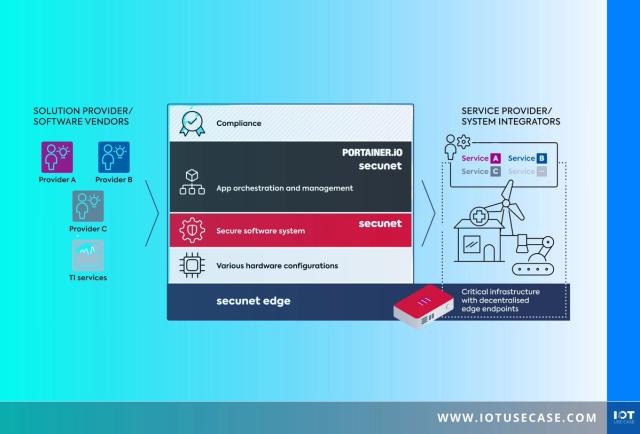






Operating distributed systems securely: with containers and edge platform
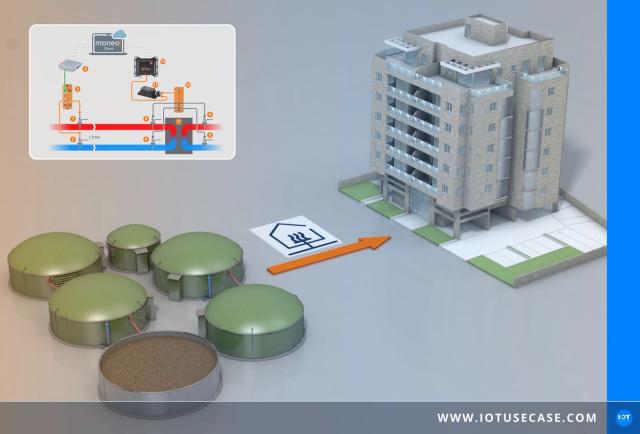




Remote heating network monitoring via mobile IoT gateway
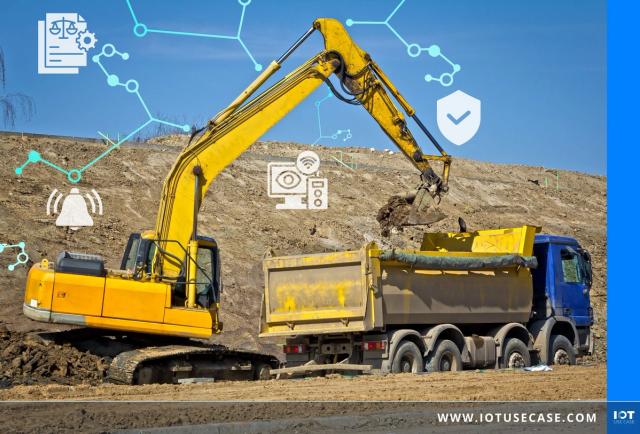

Enabling remote service for construction machinery despite data laws
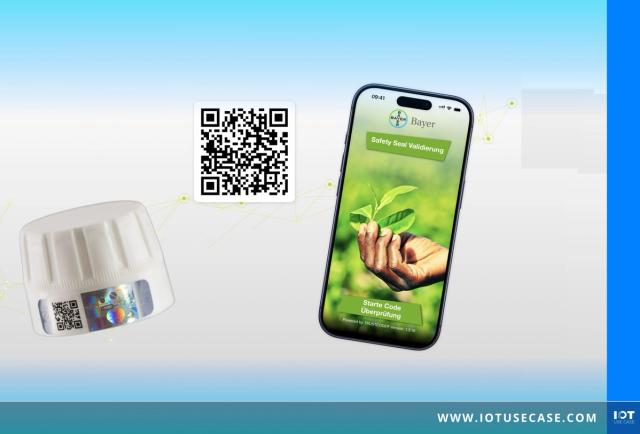


Digital Product Passport via QR Code: Connecting Compliance and Service
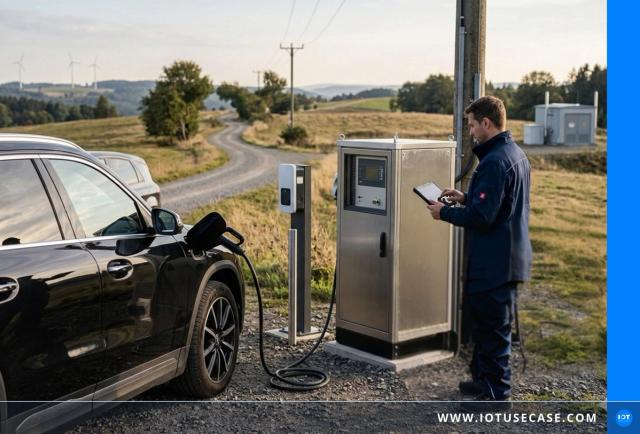
IoT platform accelerates EV fast-charging market launch
- Remote access to control systems: from on-premise VPN to cloud platform
- Integrate CNC data via OPC UA without system redesign
- Move a PoC into secure operations: IoT platform over in-house build
- Usage-based billing with digital twins — demonstrated in waste management
- Intelligent industrial automation for faster response times and better support
- Detecting corrosion under insulation early with IoT monitoring
- Connect high-end microscopy systems – centralized data makes service predictable
- Energy monitoring as a digital service for municipal utilities
- Managed Service: Self-service access to hydrogeological data
- Secure OT networks with risk and vulnerability assessment
- Digital service portal as a white-label solution
- Resilient Emergency Communication for South Tyrol with mioty
- Remote monitoring of pumps and systems as a digital service
- IoT monitoring with AI to reduce security costs on construction sites
- IoT-based pump control saves energy in maritime shipping
- From machine to customer portal – clear data interfaces for service and customer integration
- IoT-based HMI platform modernises remote maintenance in leak testing
- IoT-based energy monitoring for efficient fault management
- IoT-supported heat chamber for optimised chemical production and processing
- 5G: Secure remote access via public networks
- Centrally monitor and manage power outages of IT routers
- IT/OT integration for a unified data foundation – using PCB manufacturing as an example
- Operating compressed air compressors efficiently with remote monitoring
- Scalable IoT architecture replaces historically grown service platform
- Capturing expert knowledge in production with AI assistance systems
- Personal Emergency System for Safety and Protection of Lone Workers
- More than compliance: the battery passport as a driver of the circular economy in the Green Deal
- Smart Metering: Embedded Connectivity for sustainable metering solutions
- Ensuring plant availability at a manufacturer and operator of smart grid edge devices
- From compressor to smart product – how data-driven services open new business fields in mechanical engineering
- Vibrations that cost money: drift detection for conveying and separation technology
- Saving energy with IoT compressed air monitoring in production
- Scalable data platforms for complex materials: achieving data-driven manufacturing in lightweight construction
- Real-time monitoring for smarter water management with Cumulocity
- Asset management using conveyor systems as an example – scaling IoT without own platform development
- From smart device to scalable service – using pest monitoring as an example
- Fragmented data stops innovation – buy-and-build strategy for sustainable asset management
- Lifetime monitoring solution for pump testing
- IoT revenue of a network operator tripled – with device integration and vertical services
- Security gap closed: how XITASO strengthens the cyber resilience of the DMG MORI CELOS X platform
- IoT scaling for sustainable energy projects with Cumulocity
- Pharma compliance implemented with track-and-trace tool – at Uhlmann Pac-Systeme
- Charging and energy management: intelligent load distribution for a stable power supply
- Future-proof IoT platform thanks to MQTT broker
- Compressed air under control – detecting leaks, avoiding failures
- Smart riveting – how the tool communicates with IT
- IoT-based service app and real-time monitoring optimise mobile energy systems
- Optimised precision through the ifm moneo Cloud and IO-Link technology
- Remote monitoring delivers cost savings and compliance benefits for a medical equipment manufacturer
- Secure IoT platform as the foundation for new digital business models and increased efficiency in mechanical engineering
- From reactive to proactive: how digital service platforms prevent downtime
- Secure digital identities for networked agricultural machinery
- Central machine data for new service models in food production
- Documentation and traceability in metallurgy
- Cloud-based maintenance solutions for automated door systems
- IoT system digitalises locations of analogue advertising spaces
- Together for the waste management of the future
- Improving machine performance worldwide with remote access and data analysis
- Filter systems: monitoring and data management solution from practice
- Automatically managing edge-based vehicular services in the smart city
- Digital products for mobile working machines
- Smart protection against water damage
- How Niverplast uses IXON for logging data to AWS via MQTT
- Machine condition assessment for service and aftersales
- Volkswagen – Digital Production Platform Service: Shopfloor Integration Management
- How Signify and EMQX redefine intelligent lighting
- Remote monitoring of oil, gas and chemical storage tanks
- Critical infrastructure systems optimised: IoT as a success driver at Gilardoni
- Automatic over-the-air configuration of distributed industrial systems
- Hands-on Modbus Cloud Connect: reducing service and maintenance costs
- Bird protection in wind turbines
- SECS/GEM interface FabLink® in the backend of the semiconductor industry
- All the aces in hand: why data matters in supplier negotiations
- Open source: data acquisition and visualisation for sustainable gas production
- Service and after-sales: new business cases through collaboration
- Increased plant safety through intelligent monitoring of gas-insulated switchgear
- Intelligent room climate – complete solutions for heating and cooling
- Clean water, digital documents, simple audits
- How medicine benefits from industrial automation solutions
- Smart water treatment with local data processing
- Predictive maintenance thanks to connectors with wireless technology
- Building site: replenishment management without personnel deployment
- Customised cyber security for the connected industry
- Simplifying the monitoring of residual currents
- Remote monitoring centres for mining and cement plants worldwide
- Connectivity-as-a-Service: white-label solution for manufacturers
- WEINIG App Suite
- AQUACHEM filter presses enable fully automated 24/7 operation
- Simplified use of container infrastructure
- Remote condition monitoring of mission-critical decanter centrifuges
- Proactive service and demand-based maintenance via app
- How Vecoplan convinces its customers to connect their machines to the cloud
- KROHNE Messtechnik GmbH: innovative IIoT platform for data analytics solutions
- ConnectedCooking: IoT platform for RATIONAL AG
- Combined expertise for operational optimisation for pump operators
- Digital services and after sales in special machinery
- Detecting leaks in compressed air systems with energy monitoring
- Predictive Maintenance: every step a great leap forward
- Reliable GPS tracking through connectivity IoT platform
- Silo transport digitized: more efficient, safer and more convenient unloading
- More efficiency in additive manufacturing
- Predictive maintenance of train washing stations
- Data-driven industrial services for key partners such as insurance companies
- Monitor components in the control cabinet with new IoT service
- Networking of machines via Modbus RTU
- A mechanical mole, digitally enhanced
- When the ventilation starts to ring: IoT platform from ZIEHL-ABEGG monitors devices via Azure
- Environmental and energy efficiency in the elevator shaft thanks to IoT
- Predictive maintenance for offshore wind turbines reduces logistics costs
- Monitoring and predictive maintenance with smart plastics
- Tool dispensing from the IoT cloud
- From reactive to proactive system with the intelligent software platform KUKA iiQoT
- Standardised contract templates for data pool projects – at the push of a button
- A platform for drilling rigs is the cornerstone for predictive maintenance
- Robots as asset-as-a-service: a rental model for industry
- 3D data streaming for new industrial applications
- The world's largest machines enhanced with 5G monitoring
- IoT-enabled pneumatics and electrics reduce production downtime
- Smart IoT functions for device fleet
- Smart products based on intelligent data use
- New security standards for the transport of critical goods
- Smart and remote services: machine connectivity is the foundation
- Proactive customer service with mobile app
- Networked product and service innovation for semi-trailers
- Smart services for packaging machines
- Machine builder accompanies on the way to the IIoT business model
- Exploiting the potential of networked signal lamps and switches
- Remote monitoring for groundwater lowering units on construction sites
- Service portal cuts commissioning effort in half
- How IoT measurement technology improves the maintenance of railroad components
- Customer portal improves customer communication and project management
- Monitor and bill vending machines via IoT
- Digital measurement: performance recording in road construction
- Less downtime and more transparency in production
- Condition-based maintenance as a retrofit
- Building drying: condition monitoring for heat engineering and plant service
Podcast episodes: Service and After Sales
87 episodes of the IoT Use Case Podcast on this functional area, newest first.




Data Harmonisation with AIoT: What Do AI Agents Need for the Mapping?

23 Episodes Condensed: What Really Worked and What Didn't




Make or Buy in IIoT: Scaling Use Cases on One LoRaWAN Platform


No Cables, No PLC, No IT Project: Simply Connecting Decentralized Assets



Product digitalization for OEMs: modular development of complex field products






From Condition Monitoring to Proactive Service in Mechanical Engineering
IoT use cases: Service and After Sales
66 use cases already implemented in this functional area, sorted by number of implementations.
Production data, maintenance logs, and operating manuals are stored centrally in digital archives. This simplifies access and management for employees in production and management.

















With modern sensor technology and smart data analysis, damage can be detected before it escalates. Whether leaks in water pipes, overheating in electrical systems or mechanical wear – continuous monitoring makes problems visible early. In condition monitoring and predictive maintenance this leaves time for targeted maintenance, in corrective maintenance affected components are located quickly, and in loss prevention it protects assets and infrastructure in the long term.







Centralized collection of distributed measurement and status data. Remote reading enables the automated retrieval of operational, status and consumption data from systems and infrastructure without manual on-site reading. The data feeds into condition monitoring and energy monitoring and is documented digitally without gaps at the same time.





Automated creation of reports and logs for audits and compliance requirements. Digital systems enable seamless traceability and ensure efficiency in audit processes.




Digital temperature monitoring, even for extreme conditions. In our network, IoT-based temperature measurements are implemented for steam pipes, for example – using LoRaWAN or mioty® sensors that operate maintenance-free for over 10 years. In condition monitoring and predictive maintenance the data reveals trends and anomalies early; in corrective maintenance it helps locate hotspots and repair defective components in a targeted way.


Meet audit requirements effortlessly. In regulated industries such as pharma, food, or chemicals, conformity and certification requirements are particularly demanding. With traceability solutions, you can seamlessly document all relevant data – from the origin of raw materials through production processes to the end consumer. Integration of QR codes on products allows direct access to this data. This promotes transparency in the supply chain, strengthens customer trust, and facilitates cooperation with regulatory authorities.

- Correlation of Production Parameters
- Digital Production Logs and Manufacturing Documents
- Track cycle times, utilization, and throughput
- Leak Detection
- Digital tracking of products and processes
- Consumption Data Collection and Visualization
- Effective Risk Management
- Knowledge Retention
- Moisture Measurement
- Tracking, visualizing, and analyzing energy consumption per unit
- Billing Automation
- Usage Monitoring
- Vibration Monitoring
- IoT-Based Energy Management System
- Object Localization in the Industrial IoT
- Product Carbon Footprint in Sustainability (ESG)
- Tool Wear
- Cable and Chain Monitoring
- Digital Nameplates and Product Data Sheets
- Emissions Management
- Immediate emergency communication
- Inventory Management
- Inventory Management and Reorders
- Protection against counterfeiting and fraud
- Real-time damage prevention
- Route Optimization and Route Planning
- Seamless control throughout production
- Automatic Spare Parts Ordering
- Energy Cost Optimization per Machine
- Energy Efficiency Analysis
- Filter Monitoring
- HVAC – Suspended Ceilings, Heating, Cooling
- Level and Distance Measurement
- Smart Lighting – Lighting Management
- Smart Metering in Energy Monitoring
- Tension/Thrust Monitoring
- Acoustic Monitoring
- Break Detection
- Digitized Order Management
- Efficient Material Supply
- Fall Detection
- Flow measurement, e.g., of air or water
- Gas and Hazardous Substance Detection
- GDPR-Compliant Video Surveillance
- Groundwater Level Measurement
- Hazard detection
- Humidity and Particle Measurement
- Insights into Your Entire Supply Chain / Digital Tracking
- Marketing Flexibility in the Energy Market
- Optimize your supply chain (batch traceability)
- Precise inspection of every incoming shipment
- Precise real-time inventory monitoring
- PV Yield Management and Self-Consumption Optimization
- Resource Efficiency (Water Management)
- Shift or Location Comparison
- Smart Charging – Charging Management
- Smart Timing
- Submetering in Energy Monitoring
- Waste Management
- Water Quality and Purity Levels
Industries using IoT in this functional area
Number of projects per entry. The number leads to exactly these projects.
- Mechanical and Plant Engineering74
- Energy + Environment34
- Technology and Telecommunications14
- Transportation and Logistics12
- Automation11
- Metal and Electronics10
- Chemicals + Raw Materials8
- Construction Industry8
- Automotive7
- Agricultural sector5
- Economy, Politics, Government, Leisure, and Society5
- Pharmaceuticals and Healthcare5
- Consumer Goods4
- Retail and Wholesale3
- Insurance + Real Estate2
Connected assets: Service and After Sales
150 assets from the projects in this functional area, sorted by number of implementations.
- Packaging machine, 6 projects
- Pump, 6 projects
- Compressed air, 4 projects
- Electric motor, 4 projects
- Collection container, 3 projects
- Compressor, 3 projects
- Grinding machine, 3 projects
- Milling machine, 3 projects
- Rolling bearing, 3 projects
- Track infrastructure, 3 projects
- Charging station, 2 projects
- Cleaning system, 2 projects
- Construction machine, 2 projects
- Control cabinet, 2 projects
- Cooking appliance, 2 projects
- Cutting tool, 2 projects
- District heating network, 2 projects
- Drilling rig, 2 projects
- Drinking water
- Drive system
- Energy chain
- Energy chain cable
- Extruder
- Filtration plant
- Groundwater
- Industrial door
- Industrial robot
- Lighting
- Microscope
- Mixing plant
- Photovoltaic system
- Semi-trailer
- Storage tank
- Wind turbine
- Advertising installation
- Agricultural machine
- Air conditioning system
- ATM
- Axle counter
- Battery storage
- Belt
- Belt cleaner
- Beverage stock in vending machine
- Blade
- Blower
- Bogie
- Building dryer
- Car
- Circuit breaker
- Climate chamber
- CNC machine
- Commercial vehicle
- Concrete block
- Concrete block machine
- Container
- Conveyor belt
- Crop protection products and seed
- Crusher
- Cutting machine
- Decanter centrifuge
- Dishwasher
- Dispensing machine
- Dosing system
- Dryer
- Emergency call button
- Emergency generator
- Employee badge
- Excavator
- Fan
- Feed material
- Fibre laying system
- Filling station
- Finishing unit
- Fuel tank
- Gas cylinder
- Gas distribution network
- Gas storage
- Gearbox
- Generator
- Goods in transit
- Groundwater lowering system
- Handling robot
- Heat exchanger
- Heat meter
- Heat pump
- Heating chamber
- Heating system
- Hydraulic oil
- Incubator
- Indoor air
- Infiltration plant
- Insulating gas SF₆
- Laser cutting machine
- Laser system
- Livestock housing system
- Loading system
- Lubricant
- Machine tool
- Machining centre
- Manure removal system
- Medical device
- Melting plant
- Mill
- Molten metal
- Municipal vehicle
- Nitrogen generator
- Pallet rack
- Pest trap
- Pet
- Piping network
- Plastic container
- Plastic lid
- Potting system
- Power tool
- Printed circuit board
- Printing press
- Process water
- Radiator
- Rail vehicle
- Recycling plant
- Refrigerator
- Road milling machine
- Screening machine
- Service water
- Sewage lifting station
- Ship
- Shredder plant
- Sorting system
- Spare part
- Special purpose machine
- Spindle
- Spring
- Steam boiler
- Switchgear
- Test bench
- Transport container
- Transport robot
- Truck
- Vacuum system
- Vending machine
- Vials and single-use syringes
- Vibrating conveyor
- Wastewater
- Water bath
- Water distribution network
- Water meter
- Water treatment plant
- Wear part
- Woodworking machine
- X-ray inspection system
These challenges are driving IoT projects in service and after sales
Low first-fix rate and expensive service calls
Service technicians drive to the customer without knowing exactly what is defective. Wrong spare parts in the van, unnecessary journeys, multiple visits for one problem: these first-fix-rate issues cost money and frustrate customers. IoT-based remote monitoring and remote diagnostics enable the fault to be known before the visit and resolved at the first attempt.
Reactive instead of proactive service
Waiting until the machine fails is the most expensive service model. Predictive maintenance based on IoT sensor data detects wear indicators early – and triggers targeted service interventions before damage occurs. This reduces downtime costs for the customer and makes the service process plannable.
Lack of visibility into product behaviour in the field
How is the product performing at the customer's site? Which parameters are frequently exceeded or undercut? Which faults recur regularly? Without real-time field data, manufacturers develop their products from the desk rather than real operating behaviour. IoT telemetry continuously delivers field data for product development and quality improvement.
Outdated maintenance models without data foundation
Traditional maintenance contracts are based on time intervals – independent of actual wear. IoT data enables condition-based service models: maintenance happens exactly when it is needed. In addition, it opens up new business models such as outcome-based contracts, equipment-as-a-service, or performance guarantees.
Missing digital service history and machine records
When was the machine last serviced? Which parts were replaced? What faults occurred? Without structured digital service history, service teams lose valuable time on research. IoT-linked service portals automatically maintain complete machine records – with sensor data, service reports, and spare parts lists.
High travel costs and slow response times in service
Service technicians cannot be everywhere at once. IoT-supported remote service enables remote access to machines, transmission of real-time diagnostic data, and – combined with augmented reality – remote guidance directly through an AR headset. This reduces travel costs, shortens response times, and increases the capacity of the service team.
Service and after sales are the functional areas where manufacturers and their customers come together after the purchase. And this is exactly where one of the greatest potentials for IoT lies: those who want to know how their products are actually performing at the customer's site need to equip them with sensors. Those who want to prevent failures before the customer calls need remote monitoring. Those who want to reduce service costs need to equip technicians with the right information.
IoT makes service proactive rather than reactive. Machines report themselves before they fail. Technicians arrive prepared because they know real-time diagnostic data. Maintenance contracts evolve from time intervals to condition-based support. This reduces service costs, increases customer satisfaction, and opens up new business models.
On this page you will find verified real-world examples from the IoT Use Case network – for service organisations taking the next step towards data-driven service.
After Sales Service and Servitization: What Actually Works in Practice
Service was long reactive: customer calls, technician drives out, problem gets fixed. IoT reverses this sequence. Machines report themselves before the customer notices the failure. Technicians know before the visit what is defective. Manufacturers know the operating behaviour of their products in the field – and can improve their service and products on a data basis.
Typical Application Areas
Remote Monitoring and Remote Diagnostics
Sensors directly in or on the products at the customer continuously transmit operational and condition data. The service team sees in real time how every machine is running. Anomalies trigger automatic alerts. In many cases the problem can be resolved remotely – without a technician on site. If a visit is needed, the technician arrives with a complete diagnosis and the right spare parts.
Predictive Maintenance as a Service Product
Predictive maintenance is not just an internal tool – it is a service product. Manufacturers offering predictive maintenance services create a new, recurring revenue stream. Customers pay for failure prevention, not repairs. The shift from reactive to predictive service is one of the strongest levers for service profitability.
Digital Machine Records and Service History
Every machine receives a digital twin in the service portal: sensor values, error codes, maintenance reports, spare parts history, installed software version. Service technicians retrieve all relevant information before the deployment. New members of the service team are productive immediately. Escalations are resolved faster through complete history data.
New Business Models: Equipment-as-a-Service and Outcome-Based Contracts
IoT data enables usage-based billing: payment per operating hour, per part produced, per service delivered. Manufacturers who observe their products in the field via IoT can give availability guarantees – and align their service organisation to prevent failures rather than repair them.
IoT Telemetry for Product Development and Quality Improvement
Field data from IoT-connected products shows how machines are actually operated: what load conditions are real? Which parameters are permanently exceeded or undercut? What faults occur under which operating conditions? These insights flow directly into product development, quality assurance, and technical documentation.
What Sets IoT in Service Apart from Other Areas
Service is about trust. Customers grant access to their facilities and production data. Data security, data sovereignty, and transparency about what is collected and analysed are therefore not just technical but strategic business requirements. Manufacturers who operate transparently here build sustainable customer relationships.
Real-World Examples from the IoT Use Case Network
In our network you will find concrete, verified solution examples for IoT-supported service – from remote monitoring for industrial pumps and predictive maintenance platforms for machine tools to digital machine records and equipment-as-a-service models in mechanical engineering. Every example shows which technologies were used and what was concretely achieved in the end.
No marketing fluff. Only practice.
Frequently asked questions about IoT in after sales service
What is servitization?
Servitization means that a manufacturer sells a service instead of just a machine, such as available operating hours, printed parts or compressed air per cubic metre. This only becomes possible through IoT: the machine reports usage and condition, so billing, maintenance and availability are handled by the manufacturer.
How do connected products and IoT change the after sales and service model?
Instead of waiting for a customer's call, service teams see the machine's condition themselves. Many faults can be fixed remotely, technicians set off with the right spare part, and maintenance follows actual wear instead of fixed intervals. Pure repair business turns into predictable service contracts.
Which IoT applications are there in service?
The most frequent in our examples are digital documentation at the machine, early damage detection in condition monitoring, corrective maintenance and predictive maintenance, and remote reading of machine states. They are followed by audits and reporting, for example for maintenance records.
What is the difference between remote service and predictive maintenance?
Remote service means that service staff access the machine remotely, analyse faults and often fix them directly. Predictive maintenance goes one step further: ongoing condition data is used to predict when a component will fail, so it can be replaced beforehand. Remote service is usually the foundation for it.
Who benefits from IoT in after sales service?
Above all manufacturers of machines and equipment with a large installed base at customers' sites; in our examples mainly mechanical and plant engineering, followed by energy and environment. The more costly downtime is for the customer and the more widely the equipment is distributed, the faster connectivity pays off.
What is a digital twin?
A digital twin is a virtual representation of a real machine or system that is continuously updated with its operating data. In service, it shows the condition, usage, configuration and maintenance history of every device at the customer's site in one place. Remote diagnostics, predictive maintenance and usage-based billing build on it. In our examples, this enables billing per bin emptying in waste management.
Building IoT-supported service – we can help
Are you building your service organisation with IoT, or do you want to become more visible as a solution provider in the after-sales space? We help you find the right partners and reach real end users.
Get in touch