
Get in touch with Murat Mutlu
Tell us briefly what it is about – we will pass your message on and make the introduction personally.
Use cases Murat has already implemented
Solution Examples
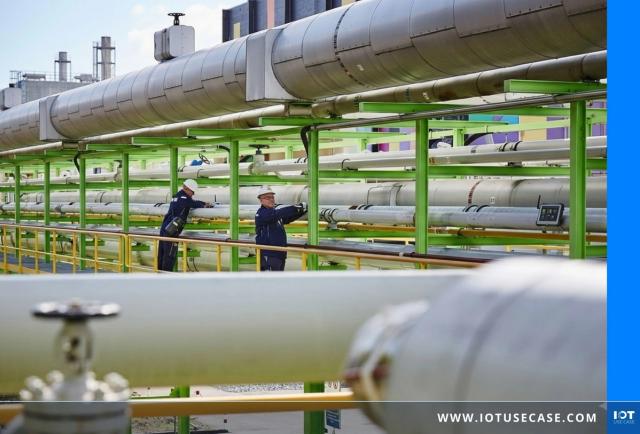


Steam network monitoring with LoRaWAN®: detect losses and optimize generation
At a chemical site, Conneqtive monitors network temperatures and steam traps via LoRaWAN®. Leaks show up early and the power plant runs without unnecessary buffers.
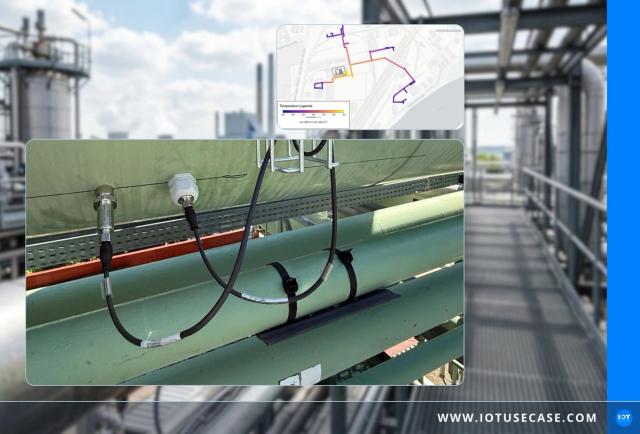

Digital twin for steam pipe monitoring: automated burner optimization
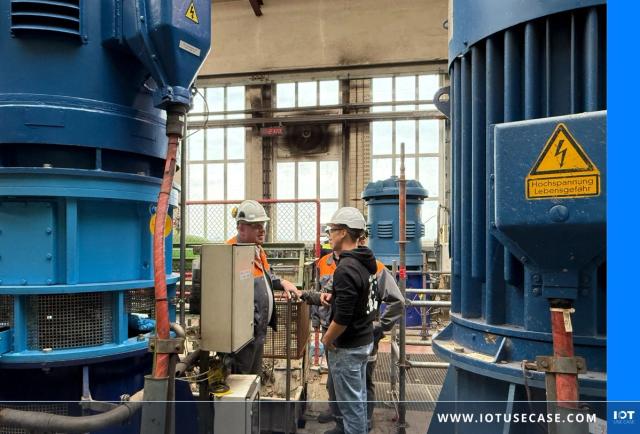
Vibration analysis with LoRaWAN reduces failures in water pumps
At CHEMPARK, CURRENTA monitors river water pumps with battery-powered LoRaWAN vibration sensors and AI-supported analysis. Predictive maintenance cuts downtime by 70% and extends service life by 30%.
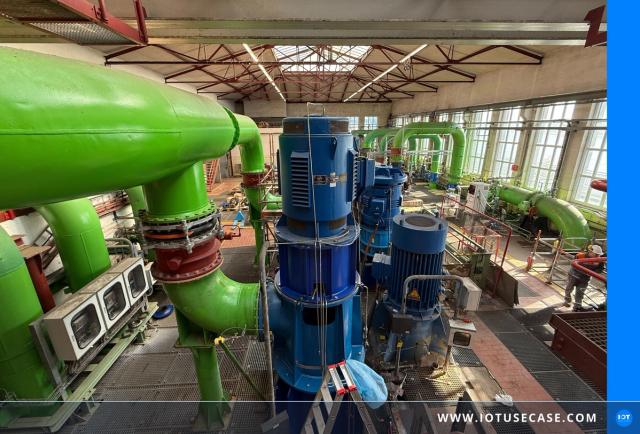

Pump monitoring for predictive maintenance and reduced downtime
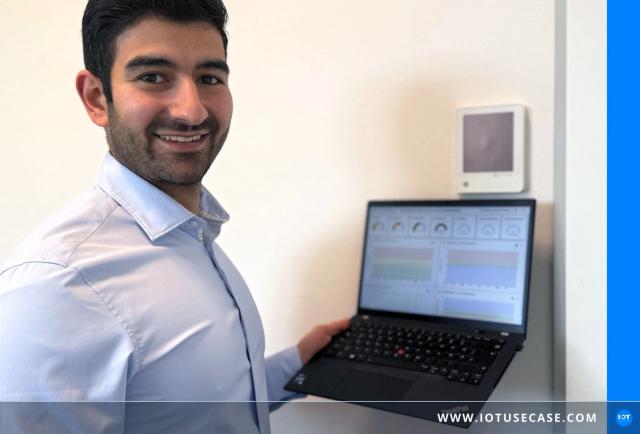
Smart Heating with LoRaWAN®: Reduce heating energy by up to 30%
Podcast Episodes
Make or Buy in IIoT: Scaling Use Cases on One LoRaWAN Platform
The starting point is the LoRaWAN network at the CHEMPARK, with which Currenta Conneqtive first monitored its steam network and later pumps at the river waterworks. Rather than building its own IoT stack – with a development team, a requirements catalog and one to two years of lead time – Conneqtive relies on the akenza platform and can thus concentrate on sensors and use cases. A central point is the Device Type Library with over 400 pre-decoded devices: decoding new sensors, otherwise a recurring pain point, falls away with a single click. Murat Mutlu and Christian Olt walk through the path from the TWTG vibration sensor via Actility as the LoRaWAN network server to analysis in akenza – including FFT analyses, thresholds and alerting. What becomes clear: thresholds cover a large share of cases, whereas complex vibration patterns and AI models still require an expert. The real leverage lies in using an infrastructure, once built, as a shared medium for many further use cases – from single-room heating control to lubrication optimization. What you take away Anyone looking to scale IoT builds not individual use cases, but an infrastructure on which many use cases can be based. A pre-decoded device library removes the biggest effort in connecting new sensors – decoding – from the project. Thresholds solve a large share of predictive maintenance cases; complex vibration patterns still call for expert knowledge. Offered as Infrastructure and Software as a Service, savings, for example on heating costs, help finance the infrastructure. The biggest lesson learned came not in the software but in the field – from overly complex, overly engineering-driven solutions instead of pragmatic standards.
180km Steam Network: Wireless Condition Monitoring with LoRaWAN
CHEMPARK operates around 1,000 kilometers of pipelines, roughly 180 kilometers of which is steam network. The network was historically designed for different load profiles – demand and offtake points have changed significantly since then. Conventional temperature measurement is barely economically viable out in the field without extensive cabling. Steam traps – components that drain liquid condensate from the steam system – were previously inspected manually; as a result, defects went unnoticed for months. Currenta Conneqtive has built a LoRaWAN network that covers the entire CHEMPARK with just a few outdoor antennas. Battery-powered sensors capture temperatures at network nodes and monitor the status of the steam traps via Condition Monitoring. The goal is to reduce response times for defective traps from months to hours – and to gradually optimize the network design based on better data. In parallel, an AI-powered dynamic simulation model is being developed that maps the network's condition even between measurement points. Because external service providers couldn't deliver the necessary combination of ML expertise and thermodynamic process knowledge, the model is being developed in-house. CHEMPARK serves as a stress test here – what runs reliably here is intended to be offered as a standardized SaaS product for external industrial customers. Your key takeaways LoRaWAN covers expansive industrial sites cost-effectively with just a few antennas – without extensive cabling infrastructure. Condition Monitoring of the steam traps reduces response times for defects from months to hours. Live sensor data from the field improve network simulations and enable better-informed investment decisions in steam network operation. AI-powered simulation in a process environment requires ML expertise and thermodynamic domain knowledge in equal measure – without combining both, you will fail at the model. A LoRaWAN network as shared infrastructure can be used for multiple use cases simultaneously and gradually expanded with new applications.