
Tobias Mühlnikel
Head of Industrial and IoT Business Unit
Get in touch with Tobias Mühlnikel
Tell us briefly what it is about – we will pass your message on and make the introduction personally.
Use cases Tobias has already implemented
Solution Examples
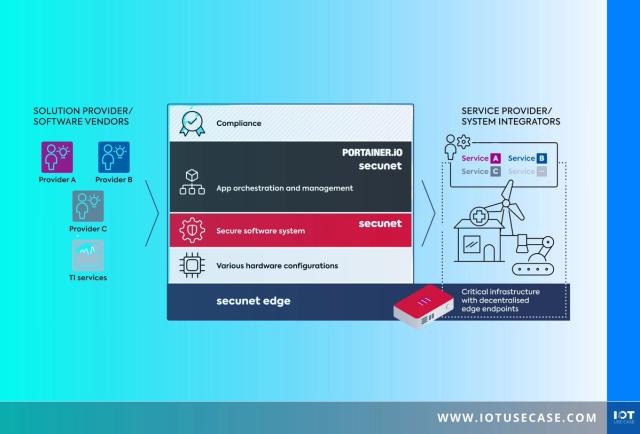


Operating distributed systems securely: with containers and edge platform
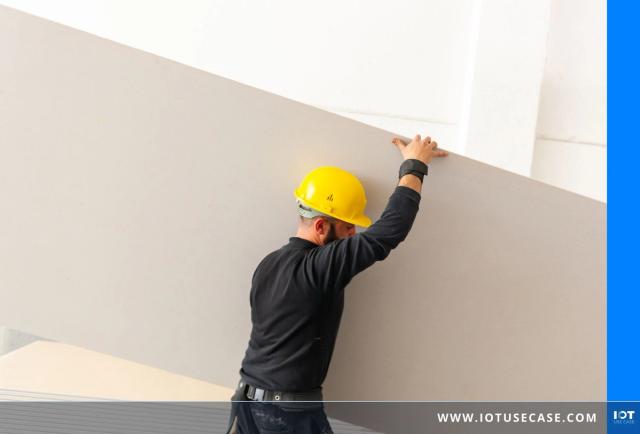
Software container rollout for quality control at a building materials manufacturer

Efficient IoT data transmission: MQTT and container solutions for smooth IT/OT integration
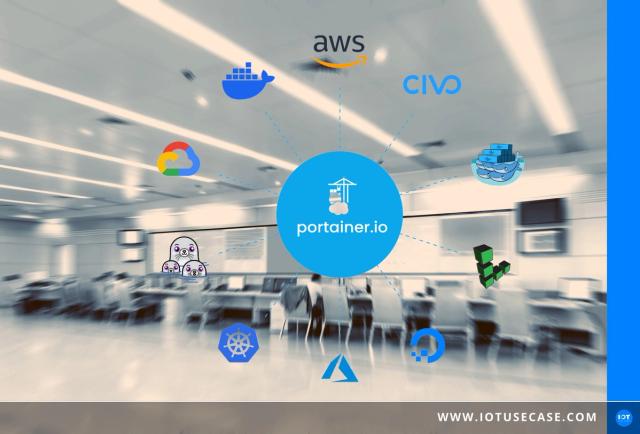


Optimising Industry 4.0: efficient software container management as the key to peak production
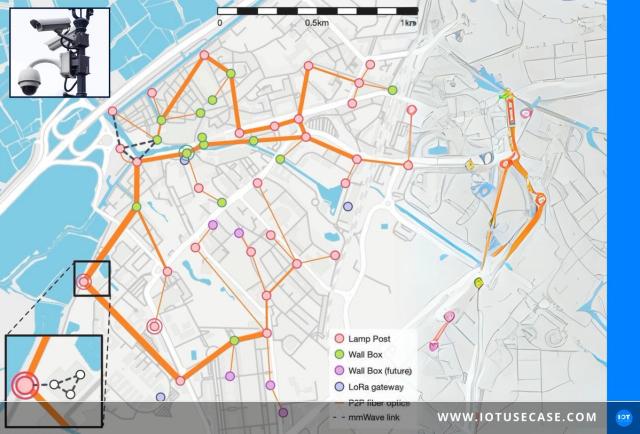



Automatically managing edge-based vehicular services in the smart city
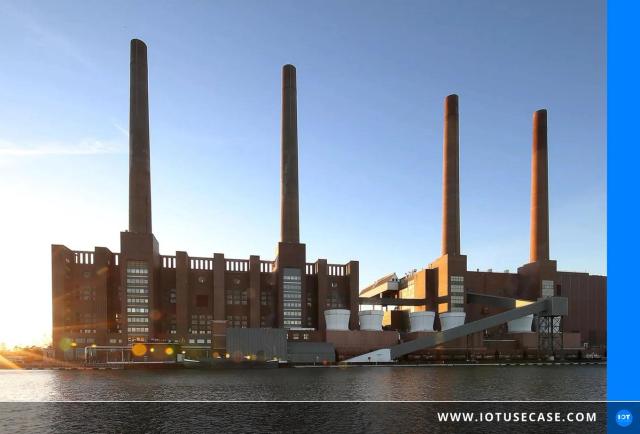

Volkswagen – Digital Production Platform Service: Shopfloor Integration Management
Podcast Episodes
No laptop at the control cabinet: scaling device & application management in OT
Live from the Hannover Messe, Portainer.io and WAGO discuss how container-based application and device management makes operating and scaling edge solutions on the shopfloor practical. At the core is the transfer of proven IT principles into OT – without requiring OT teams to become IT specialists. These modern approaches meet typical challenges: heterogeneous hardware (32/64-bit architectures), lack of transparency around software versions (“golden USB stick”), time-consuming 1:1 updates directly at the control cabinet, and the organizational IT/OT gap with strictly defined update windows. The technical foundation consists of standardized Docker images (e.g., Node-RED), distributed via a control plane and deployed automatically through CI/CD pipelines. Rollbacks ensure that systems can quickly return to stable versions when needed. AI use cases can also be integrated seamlessly: edge hardware can be extended with AI accelerators to run applications such as anomaly detection or specialized smaller LLMs (tiny LLMs) directly on-site – without breaking the container-based stack. For decision-makers, this results in clear benefits: faster and more predictable deployments across distributed locations, reduced travel and integration costs, increased modularity through additional containers, and greater independence from individual vendors.
10 years of IoT trends: What has really changed?
A central topic is IT-OT convergence, which presents significant challenges for companies: How can IT and OT worlds be successfully connected? The discussion explores approaches such as specialized teams or interdisciplinary collaboration to build bridges between these two domains. Other key topics in this episode include: The role of AI in IoT: AI has evolved from a fringe technology to a key factor, especially in areas like predictive maintenance, quality monitoring, and industrial co-pilots. Edge computing: Shifting computing power closer to the data source reduces latency and enables real-time analysis—a crucial step for many industrial applications. Industrial Data Ops: Modern IoT platforms are evolving by not only collecting data but also seamlessly contextualizing and analyzing it. Change management challenges: Many companies struggle to scale IoT use cases across locations due to isolated knowledge silos. Prioritizing use cases: How can companies set the right focus? What role do managed services play in facilitating entry and scaling? A look into the future: Generative AI and more user-friendly interfaces are expected to fundamentally change how we interact with IoT data. At the same time, the standardization of hardware remains a key driver for the market’s continued development.
Microservice-Oriented Architecture – Bridging Software and Customer Benefits
The episode is about the importance of integration and scalability of IoT solutions in various industries, especially in the manufacturing and automotive industries. A key focus is on the need to avoid getting entangled in an ecosystem, but rather to maintain independence and flexibility in choosing technology providers and solutions. WAGO partners Portainer, Actemium and Softing highlighted how collaborations help to develop comprehensive and specialized solutions for specific industry requirements in order to implement flexible and scalable solutions that enable efficient production control and cost reduction: Tobias Mühlnikel talks about his work at Portainer, a platform for the management of software containers, which is becoming increasingly important in automation technology. He emphasizes the importance of holistic, dynamic solutions and highlights how Portainer helps in accessing and making data available from various sources. Christopher Anhalt talks about industrial communication and explains how Softing is helping to make data from controllers, devices, sensors and actuators available to the IT world by developing and marketing standard products for IT/OT integration. Jürgen from Actemium, part of the VINCI Group, explains how his company offers innovative industrial solutions for electrical engineering, measurement and control technology and automation technology. Actemium sees itself as a strategic partner for customers in areas such as energy technology, automation and digitalization in production. The three guests discuss use cases in the areas of smart manufacturing, device management and administration, data integration in the automotive sector and container-based software development. For example, it is about acquiring data from machines using products such as those from Softing, which are supplied as containers. These can run on hardware such as WAGO’s and then be transferred to the cloud or to MES/SCADA systems. The management of these software components to keep them up to date and the initial roll-out is a central aspect of this use case. The 116th IoT Use Case podcast episode highlights the importance of strong partnerships and networks in the IoT industry using WAGO as an example.