
IoT in IT: Monitoring and IT/OT Integration
In IT, IoT monitors the physical environment of the systems: temperature and humidity in server rooms and data centres, power supply and access. At the same time, IT is responsible for managing IoT devices securely and connecting production data with IT systems, known as IT/OT integration.
Verified IoT projects: IT
10 projects from our network, newest first.
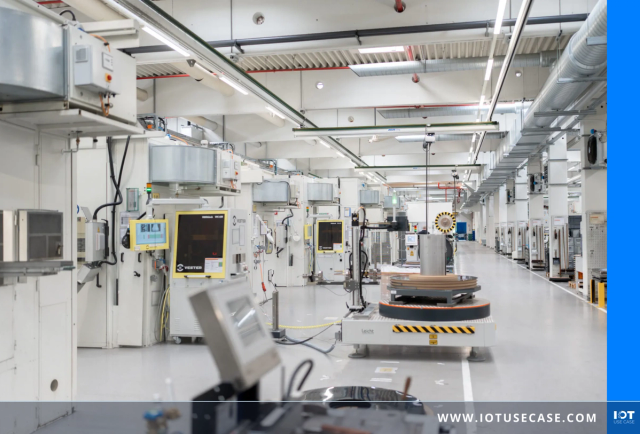



Consolidating fragmented machine communication and separating IT from OT
A manufacturer of electrical connection technology replaces its scattered communication servers with soffico's Orchestra and cleanly separates IT from OT. At the Thuringia plant, around 120 machines were connected in three days.
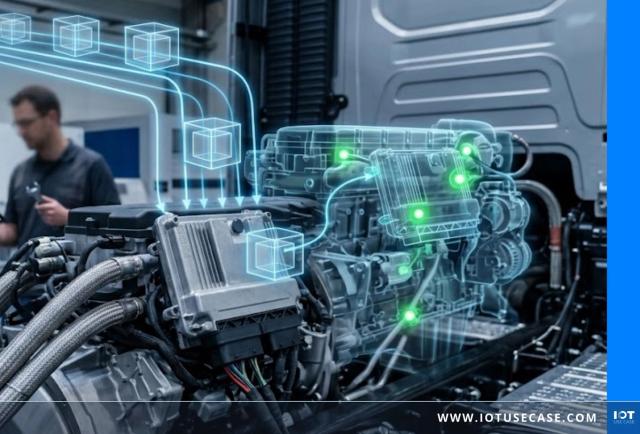





Remote container updates for software defined vehicles
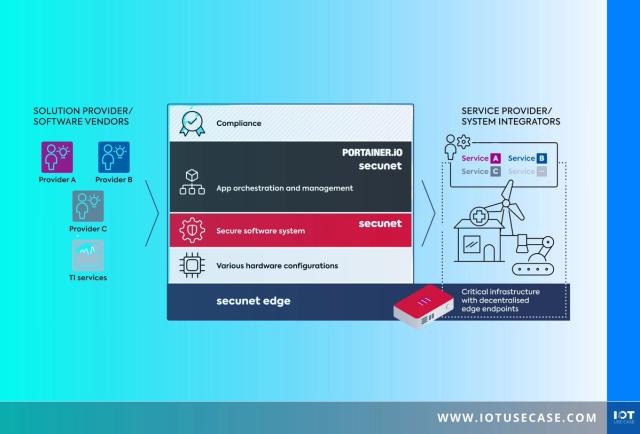





Operating distributed systems securely: with containers and edge platform
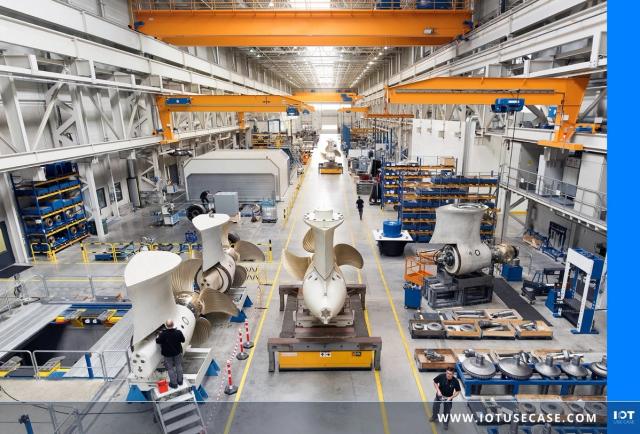



Cyber resilience for ship propulsion via certifiable OT security
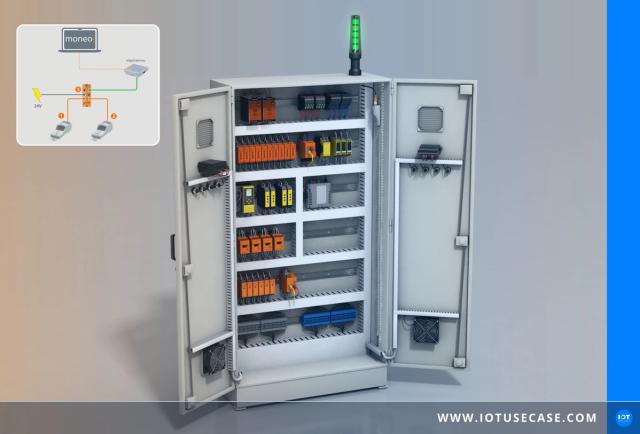


Control cabinet monitoring – protecting and monitoring components

Software container rollout for quality control at a building materials manufacturer


Rethinking confidential communication – with encrypted business messengers



An internal developer platform accelerates cloud-native development


Scalable HSE (Health Safety Environment) – through central IoT monitoring instead of additional personnel


Unlocking OT data access and efficient network communication with Kepware
Podcast episodes: IT
44 episodes of the IoT Use Case Podcast on this functional area, newest first.




Cyber Resilience Act for OEMs: From Compliance Evidence to a Lifecycle Service





Make or Buy in IIoT: Scaling Use Cases on One LoRaWAN Platform




No laptop at the control cabinet: scaling device & application management in OT




Digital Product Passport: Making Product Data Interoperable with ECLASS and AAS


Passive OT Monitoring: Detect attacks before they become critical


Plan IoT security the right way: SIM ID, private APN and traffic analysis
IoT use cases: IT
7 use cases already implemented in this functional area, sorted by number of implementations.
Don’t rely on spreadsheets or isolated data sources – modern IoT platforms connect and analyze data from various systems in real time. This context-aware information makes it possible to assess risks precisely and act proactively instead of reacting to problems. This not only strengthens operational security but also minimizes downtime.






Production data, maintenance logs, and operating manuals are stored centrally in digital archives. This simplifies access and management for employees in production and management.


With modern sensor technology and smart data analysis, damage can be detected before it escalates. Whether leaks in water pipes, overheating in electrical systems or mechanical wear – continuous monitoring makes problems visible early. In condition monitoring and predictive maintenance this leaves time for targeted maintenance, in corrective maintenance affected components are located quickly, and in loss prevention it protects assets and infrastructure in the long term.
Smart sensors identify potential hazards in work environments such as chemical plants or manufacturing areas. Companies can thus take preventive action before accidents occur.
Humidity measurement captures ambient conditions in the form of relative humidity and its changes over defined periods. This makes it possible to monitor air conditions even in hard-to-reach or non-visible locations. In condition monitoring and predictive maintenance the data reveals trends early; in corrective maintenance it helps diagnose deviations and locate affected spots.


Damage caused by environmental influences or human error can result in significant costs. With networked devices and sensors that collect and analyze data around the clock, you can immediately detect anomalies and take action. This considerably reduces repair and replacement costs.
Industries using IoT in this functional area
Number of projects per entry. The number leads to exactly these projects.
Connected assets: IT
11 assets from the projects in this functional area, sorted by number of implementations.
These challenges shape IoT projects in the IT environment
Scalability and management of IoT device fleets
With thousands of IoT devices entering corporate networks, a new challenge emerges: how are these devices inventoried, configured, monitored, and updated? IoT device management platforms automate onboarding, firmware updates, and monitoring – even for heterogeneous device landscapes with different manufacturers and protocols.
IT/OT security and cyber attacks on IoT infrastructure
IoT devices are frequently an entry point for cyber attacks – outdated firmware, missing authentication, unencrypted communication. IT security professionals must segment OT and IoT networks, detect anomalies, and enforce security standards even in industrial environments without jeopardising operational stability.
IT/OT integration and protocol diversity
IT systems and production networks (OT) have historically grown separately – different protocols, different lifecycles, different security requirements. IT/OT integration is one of the most technically demanding tasks for modern IT departments and a prerequisite for data-driven production and predictive maintenance.
Data centre monitoring and cooling management
Data centres and server rooms require precise temperature and humidity control. Cooling failures can lead to hardware damage within minutes. IoT sensors continuously monitor temperature, humidity, energy consumption, and airflow – with automatic alerts and log records for compliance requirements.
Edge computing management and hybrid architectures
Edge computing moves data processing closer to the source – for low latency, less bandwidth, and higher data sovereignty. IT departments must manage, secure, and integrate edge infrastructure into hybrid cloud architectures – a new discipline for which classical IT tools are only partially suited.
Data management and IoT data strategy
IoT systems generate massive volumes of data. Which data is processed at the edge, which sent to the cloud, which stored locally? Without a clear data strategy, data silos, compliance issues, and value-free analytics emerge. IT departments must define data models, APIs, and integration architectures that work across departmental boundaries.
IT departments are no longer just the internal service provider for laptop rollouts and network infrastructure. With the proliferation of IoT devices, edge systems, and OT networks, IT responsibilities are growing significantly: device management at industrial scale, network segmentation, security monitoring, and IT/OT integration are now core IT tasks.
At the same time, IT itself is becoming an application area for IoT: data centre cooling, hardware monitoring, energy consumption of servers and network components, physical access control – even the IT infrastructure itself can be made more efficient, secure, and monitorable with IoT.
On this page you will find verified real-world examples from the IoT Use Case network – for IT professionals building, operating, or securing IoT infrastructure.
IT Monitoring and IT/OT Integration: What Actually Works in Practice
IT is simultaneously the enabler and the affected party in IoT projects. Enabler, because without stable networks, secure connectivity, and scalable platforms no IoT project works. Affected, because every new IoT device on the network creates work – and because cyber attacks on poorly secured IoT hardware are increasingly causing real operational disruptions.
Typical Application Areas
IoT Device Management and Fleet Operations
Hundreds or thousands of sensors, gateways, and edge devices must be inventoried, provisioned, configured, monitored, and updated. IoT management platforms automate these tasks, detect faulty devices, and enable remote updates without physical access. This saves enormous operational costs.
IT/OT Integration and Protocol Convergence
OPC-UA, MQTT, Modbus, PROFINET, REST APIs: the world of industrial protocols is heterogeneous. Industrial IoT gateways and middleware platforms translate between OT protocols and IT standards. Latency, real-time requirements, and the security concepts of both worlds must be taken into account.
IoT Security: Network Segmentation and Anomaly Detection
IoT devices must not hang unsecured in the corporate network. Best practices: dedicated VLAN for IoT devices, zero-trust approaches, automatic anomaly detection via network traffic analysis, and regular firmware audits. IoT-specific SIEM integrations provide real-time visibility across all devices.
Data Centre and Server Room Monitoring
Temperature, humidity, water ingress, UPS status, and energy consumption are monitored by cost-effective sensors with Wi-Fi or LoRaWAN transmission. Alerts reach on-call teams immediately. Logging fulfils compliance requirements (ISO 27001, TIA-942) and delivers data for PUE optimisations.
Edge Computing Architecture and Data Strategy
Not all IoT data needs to go to the cloud. Edge computing architectures decide which data is pre-processed locally, which is filtered by rules, and which is transmitted in aggregated form. This drastically reduces bandwidth, latency, and cloud costs – and enables real-time responses even without an internet connection.
What Sets IoT in IT Apart from Other Areas
IT projects think in weeks, OT in decades. A machine with a 20-year lifespan cannot be patched like a cloud server. IT departments must accept that some IoT devices will never receive updates – and build appropriate isolation architectures rather than relying on security through software updates.
Real-World Examples from the IoT Use Case Network
In our network you will find concrete, verified solution examples for IoT in IT infrastructure – from device management platforms for industrial IoT deployments and IT/OT security architectures to data centre monitoring and edge computing implementations. Every example shows which technologies were used and what was concretely achieved in the end.
No marketing fluff. Only practice.
Frequently asked questions about IoT in IT
What is IoT used for in IT?
Above all for monitoring server rooms and data centres, such as temperature, humidity, water damage and power supply, for risk management and for structured documentation of the infrastructure. In addition, IT manages the company's IoT devices and connects them securely to business systems.
What is IT/OT integration?
IT/OT integration connects operational technology (OT), meaning machines, controllers and sensors, with information technology (IT) such as ERP, MES or cloud platforms. Only then can production data be analysed. Because OT networks used to be isolated, security plays a central role.
How do you monitor a server room with IoT?
With wireless sensors for temperature, humidity and water on the floor, plus door and power sensors. They send their readings to a platform that raises an alarm immediately when limits are exceeded. Because the sensors are battery-powered and wireless, they can be retrofitted in existing rooms without construction work.
Who is responsible for IoT within a company?
Responsibility is usually shared between the business unit and IT: production, service or facility management define the use case, while IT takes care of the network, security, device management and integration with existing systems. Projects that involve IT early are easier to scale.
What is IEC 62443?
IEC 62443 is the international series of standards for the security of industrial automation and control systems, meaning OT. It addresses operators, integrators and component manufacturers, divides plants into zones with secured conduits and defines four security levels. In our examples, a manufacturer of ship propulsion systems used it as the basis for its risk analysis and OT security concept and made its propulsion systems certifiable.
What is edge computing?
Edge computing means processing data where it is generated, for example at the machine or on site, instead of sending every reading to the cloud. This shortens response times, saves bandwidth and keeps operations running without a connection. In our examples, the applications run as software containers that are distributed centrally to many sites or vehicles and updated remotely.
Implementing IoT in IT infrastructure – we can help
Are you building IoT infrastructure, or do you want to become more visible as a technology provider in the IT/OT space? We help you find the right partners and reach real end users.
Get in touch