
Industrial Edge Devices and IoT Gateways
Edge devices, also called edge or industrial IoT gateways, are rugged computers installed close to machines and sensors. They read data from controllers and field devices, translate protocols such as Modbus or S7 into MQTT or OPC UA and preprocess data on site. Only refined values reach the cloud or IoT platform, and local logic keeps running even without a connection.

Sr Controls Engineer, ALPS Inspection 
Project Manager Digital Engineering, Albrecht Bäumer GmbH & Co. KG 
Sales Manager, nass magnet 
PLM-Innovation-Consultant, Liebherr-IT Services GmbH 
Managing Director, BESI Marine Systems GmbH 
Co-Founder & CTO/CPO, Greenlyte Carbon Technologies
8 users from the network have already implemented this (+2)
Talk implementation with other users
In the user group, 300+ users discuss every month what worked in their projects and what they would do differently today. No vendors in the room, honest exchange under NDA.
Who offers it
Edge devices in practice
6 manufacturers from our partner network with 64 solution examples. Those with the most documented use in this category come first.
- Get in touch with WAGO GmbH & Co. KG

WAGO GmbH & Co. KG
Edge devices11 solution examples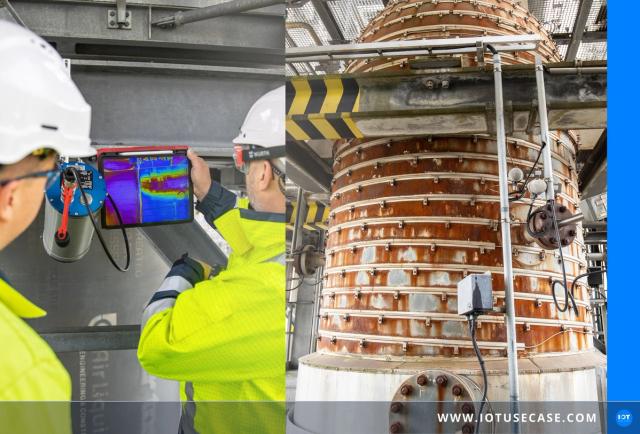





 Condition MonitoringCorrective maintenanceEmployee Safety
Maintenance at 1000°C – using condition data instead of stopping plants
Jul 17, 2025Read more →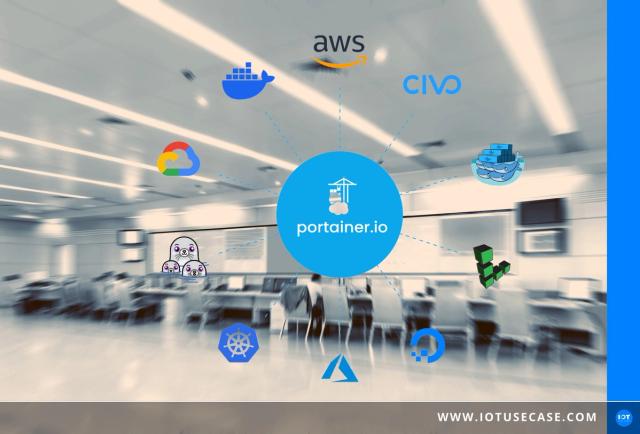






 Digital Documentation
Optimising Industry 4.0: efficient software container management as the key to peak production
Oct 31, 2024Read more →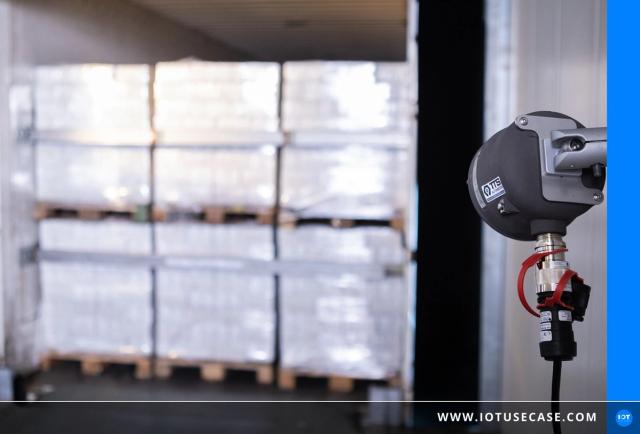
 Digital DocumentationTraceability
Automated loading documentation
Sep 16, 2024Read more → 
ifm-Unternehmensgruppe
Edge devices27 solution examples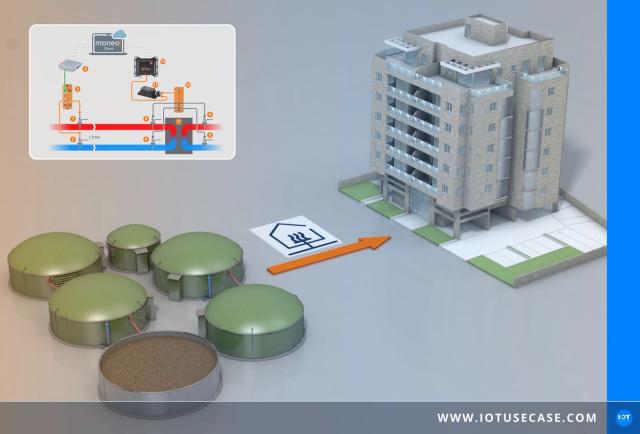


 Condition Monitoring
Remote heating network monitoring via mobile IoT gateway
Aug 18, 2026Read more →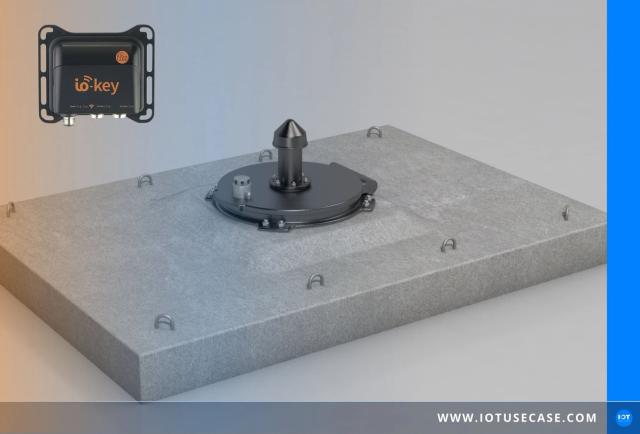 Condition MonitoringEnergy Monitoring
Water well level monitoring via IO-Link and cellular remotely
May 18, 2026Read more →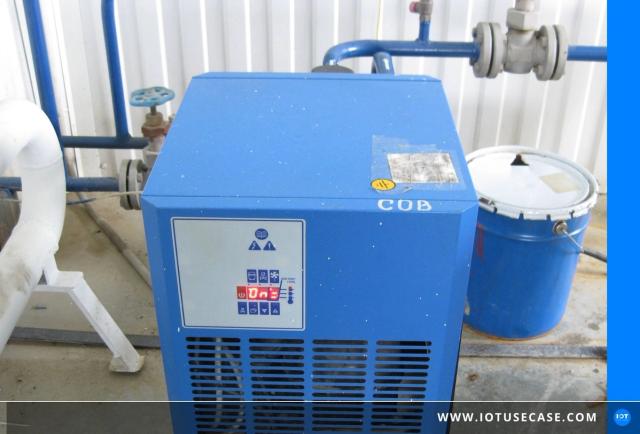

 Condition MonitoringCorrective maintenance
Building drying: condition monitoring for heat engineering and plant service
Sep 12, 2020Read more →
IXON
Edge devices7 solution examples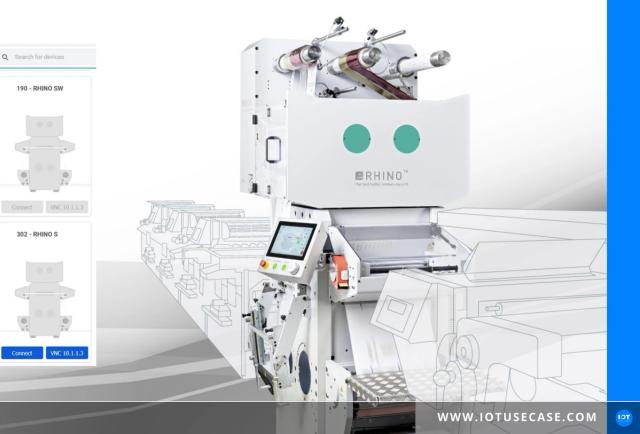


 Condition MonitoringEnergy MonitoringDigital Documentation
Improving machine performance worldwide with remote access and data analysis
Sep 24, 2024Read more →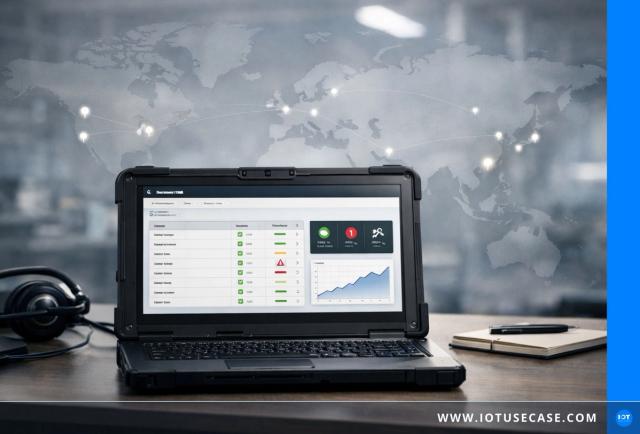


 Condition MonitoringCorrective maintenanceDigital Documentation
Digital service portal as a white-label solution
Feb 23, 2026Read more →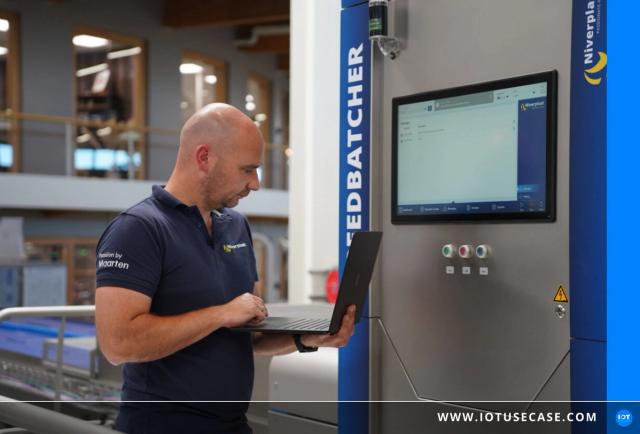
 Digital Documentation
How Niverplast uses IXON for logging data to AWS via MQTT
Jul 17, 2024Read more →
Exor International SpA
Edge devices6 solution examples

 Condition MonitoringDigital DocumentationTraceability
How Unifarco optimises cosmetics production through digital transformation
May 14, 2024Read more →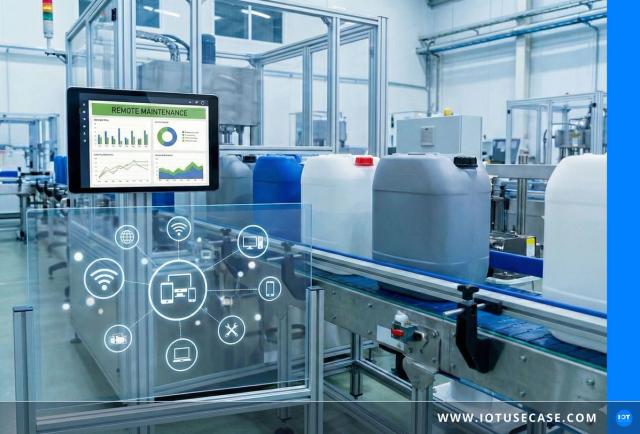


 Condition MonitoringCorrective maintenanceDigital Documentation
IoT-based HMI platform modernises remote maintenance in leak testing
Dec 15, 2025Read more →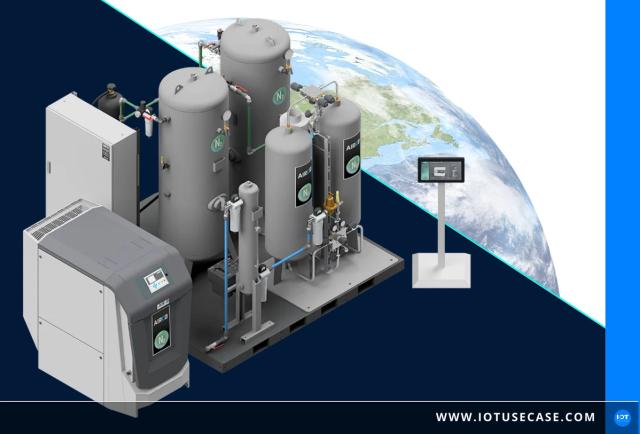
 Digital Documentation
Open source: data acquisition and visualisation for sustainable gas production
Mar 18, 2024Read more →
ORGATEX GmbH
Edge devices4 solution examples




 TraceabilityDigital DocumentationSustainability (ESG)
More efficient intra- and production logistics with IoT button and OX label
Mar 3, 2025Read more →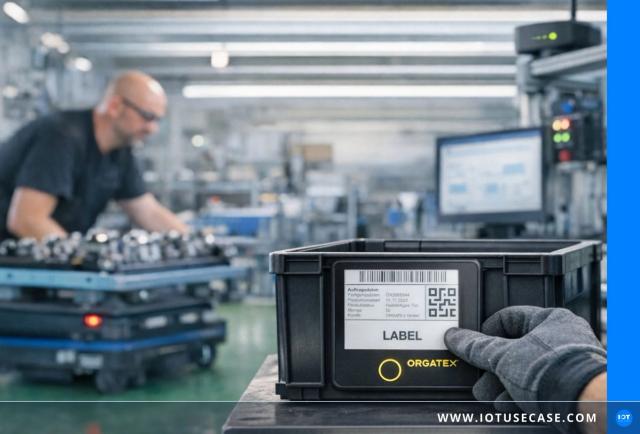
 Digital Documentation
Digital job traveler closes the gap between shopfloor and IT systems
In many manufacturing environments, production control is still dominated by manual workflows and paper-based forms.
Mar 5, 2026Read more →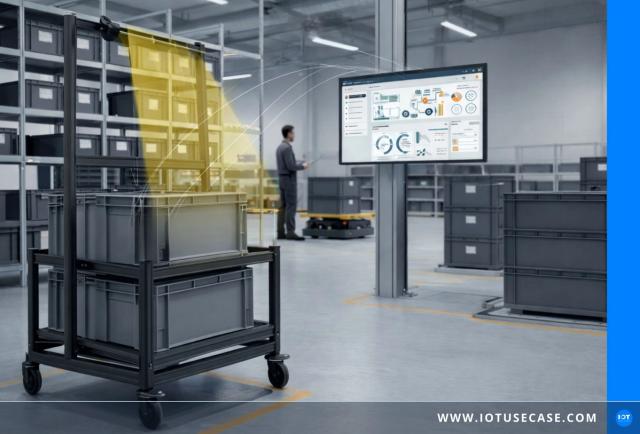
 Asset ManagementAsset Tracking/ Track and Trace
IoT-based returnable management optimizes material flow and replenishment
Feb 19, 2026Read more →
in.hub GmbH
Edge devices9 solution examples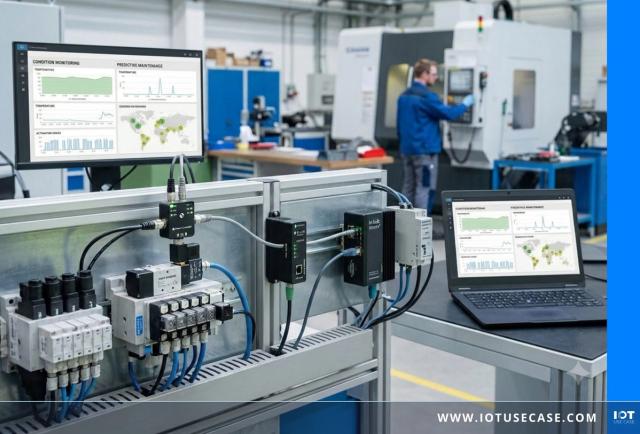




 Condition Monitoring
Putting existing IO-Link data to use for condition monitoring
IO-Link devices deliver more than switching signals. nass magnet and in.hub carry diagnostic data from the valve into IT as a basis for condition monitoring.
Sep 3, 2026Read more →
 Condition MonitoringCorrective maintenanceEnergy Monitoring
OEE transparency in packaging production – 15% fewer downtimes
Jan 27, 2026Read more → Condition MonitoringCorrective maintenanceEnergy Monitoring
Compressed air monitoring in a food plant – 17% lower energy demand
Jan 5, 2026Read more →
What it is used for
What they are used for, and with what
Based on these manufacturers' solution examples: the most common use cases and the technologies their solutions speak.
Use cases
- Temperature Measurement in Condition Monitoring10 solution examples
- Early Detection of Damage in Condition Monitoring9 solution examples
- Level and Distance Measurement in Condition Monitoring8 solution examples
- Automatic Spare Parts Ordering in Corrective Maintenance7 solution examples
- Structured access to files and documents7 solution examples
What to look for
What an edge device does
An edge device, also called an edge gateway or industrial IoT gateway, is a rugged computer mounted right at the machine or in the control cabinet. It reads data from controllers, sensors and fieldbuses, translates field protocols such as Modbus, PROFINET or S7 into IT-friendly protocols like MQTT or OPC UA and preprocesses values on site: filtering, aggregating, adding timestamps and checking limits. Only the result is passed on to an IoT platform, the cloud or a local database. Many devices also run their own applications in containers, for example Docker apps or Node-RED flows.
Common form factors are DIN rail devices with a 24-volt supply, compact box PCs and industrial PCs with more computing power for machine vision or AI inference.
Edge device, router or security gateway?
The boundaries overlap, so the primary reason for buying is what counts. A router connects networks and forwards data packets but makes no decisions about the data. A security gateway separates OT from IT and secures the connection. An edge device is bought because it converts protocols, preprocesses data and runs local logic. Some edge devices include router functions or a cellular modem. They are still edge devices, because local data processing is their main job.
What to look for when choosing one
Key criteria are the protocols supported on both sides: the field side (Modbus, PROFINET, S7, IO-Link) and the IT side (MQTT, OPC UA, REST). Add to that computing power and memory for the planned applications, support for containers, central device management for updates in the field, and operating temperature range, ingress protection and mounting options. For larger fleets, it matters how easily configurations and software can be rolled out.
To get started, a gateway that connects a single machine and sends data to an IoT platform is often enough. As the project grows, devices that can be managed centrally, updated remotely and query several machines in parallel become important. This way, a pilot can be extended to more machines and sites without replacing hardware.
Examples from the network include the WAGO Edge Controller, the SIINEOS edge operating system from in.hub and the Exor IoT Gate. In solution examples, edge devices are often the first building block for condition monitoring or energy data collection on existing machines.
Frequently asked questions about edge devices
What is an edge device?
An edge device is a computer at the edge of the network, close to the machine or sensor, that collects and processes data where it is generated. In industry, it reads data from controllers and sensors, translates protocols and sends only refined values to the cloud or an IoT platform. This saves bandwidth, shortens response times and keeps raw data inside the plant.
What is an IoT gateway?
An IoT gateway is the link between devices in the field and IT systems. On one side it speaks field protocols such as Modbus or S7, on the other side IT protocols such as MQTT or OPC UA, and it translates between them. Once a gateway also preprocesses data or runs its own applications, it is usually called an edge gateway or edge device.
What is the difference between an IoT gateway and a router?
The difference lies in the job: a router forwards data packets between networks, for example from the machine network to the cellular network, without interpreting the content. An IoT gateway translates between different protocols and data formats and can process the data. In practice, both functions are often combined in one device, so what counts for classification is the main job the device is bought for.
What are examples of edge computing in industry?
Typical examples are vibration analysis directly at the machine, where only key figures instead of raw data are transmitted, collecting energy and consumption data from several plants, machine vision for quality inspection on the line and local alarms when limits are exceeded. What they have in common is that decisions are made without a detour through the cloud and keep working when the connection drops.
What hardware is used for edge computing?
Edge computing hardware ranges from small DIN rail gateways with ARM processors to fanless box PCs and industrial PCs with dedicated GPUs or AI accelerators. The choice depends on the workload: protocol conversion and data aggregation need little computing power, while machine vision or AI inference call for considerably more. Ruggedness, temperature range and long-term availability matter in every case.
On the podcast
Episodes with these manufacturers and their customers.
- #150The future of intralogistics: IoT-Button & Co. in applicationIOX GmbH · ORGATEX GmbH · Nov 20, 2024Listen
- #51Cross-system and cross-site PLM data connection with business caseLiebherr-IT Services GmbH · WAGO GmbH & Co. KG · Oct 6, 2021Listen
- #213Direct Air Capture: From Pilot to Autonomous Industrial ScaleGreenlyte Carbon Technologies · ifm-Unternehmensgruppe · May 13, 2026Listen
Related categories
More product categories on the same layer and the technologies solutions in this category connect through.