
Industrial Flow Meters and Flow Sensors for IoT
An industrial flow meter measures how much liquid or gas flows through a pipe per unit of time, as volume or mass flow. Depending on the medium, flow sensors use electromagnetic, Coriolis, ultrasonic, vortex or variable area principles. In the IoT stack, they supply consumption and process data for energy monitoring, dosing and leak detection.

Co-Founder & CTO/CPO, Greenlyte Carbon Technologies 
Magna Exteriors (Meerane) GmbH, Manager Automation, Magna 
Salzgitter Flachstahl
3 users from the network have already implemented this
Talk implementation with other users
In the user group, 300+ users discuss every month what worked in their projects and what they would do differently today. No vendors in the room, honest exchange under NDA.
Who offers it
Flow sensors in practice
2 manufacturers from our partner network with 34 solution examples. Those with the most documented use in this category come first.
- Get in touch with Endress+Hauser
Endress+Hauser
Flow sensors7 solution examples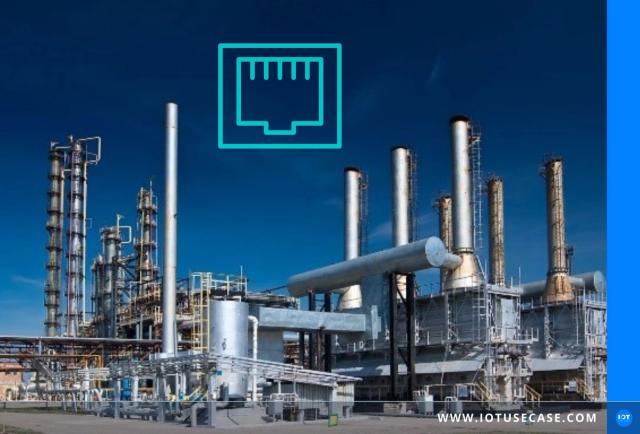
 Condition MonitoringDigital Documentation
Seamlessly integrated down to field level – including hazardous areas: Ethernet-APL networks the process industry
Jun 2, 2025Read more →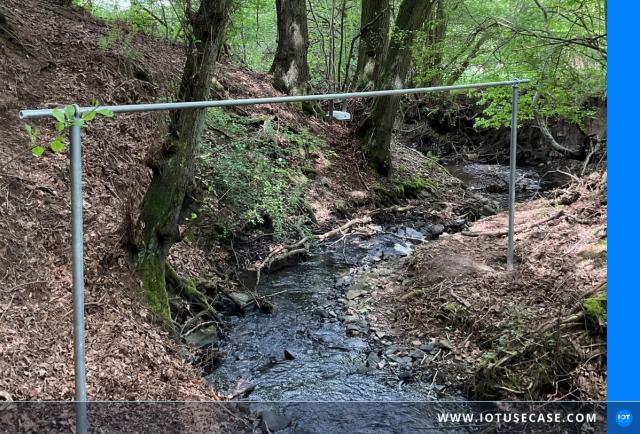

 Fraud and Loss PreventionCondition MonitoringDigital Documentation
Detect floods earlier with connected water level sensors and AI
Jun 18, 2026Read more →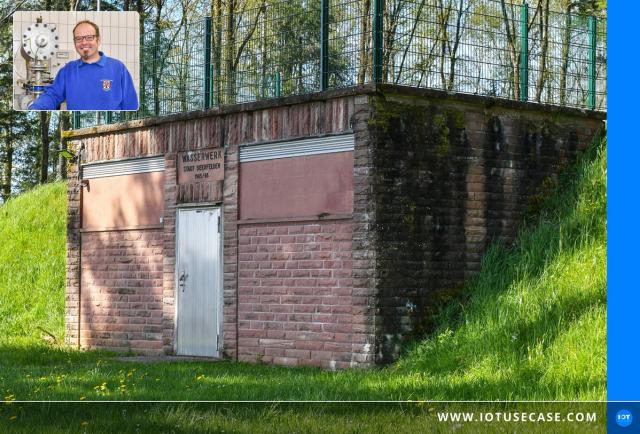

 Asset ManagementCondition Monitoring
Smart monitoring of municipal and industrial water applications
Sep 3, 2024Read more → 
ifm-Unternehmensgruppe
Flow sensors27 solution examples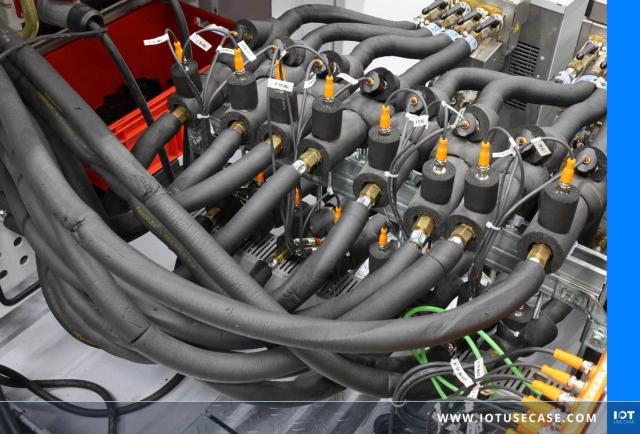



 Condition MonitoringEnergy Monitoring
Monitoring injection mould cooling via IO-Link to cut energy use
From gut feeling to hard data: at RAFI in Bad Waldsee, sensors and the moneo IIoT platform make the injection moulding process transparent. Temperatures, flow rates, compressed air and energy consumption are recorded, visualised and analysed continuously.
Sep 21, 2026Read more →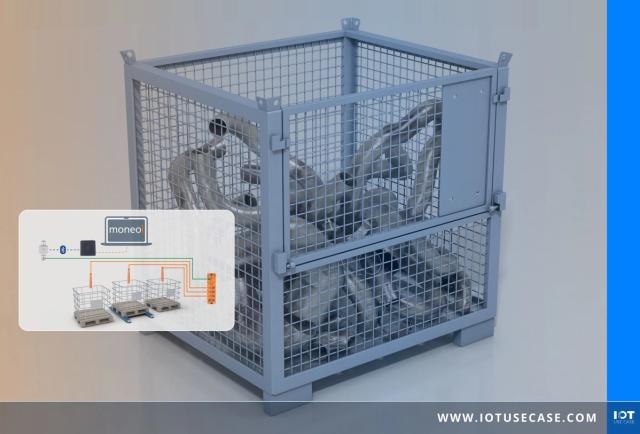
 Condition MonitoringAsset Management
Precisely monitoring grid boxes with fill-level and weight sensing
Capture fill level and weight of mesh box pallets without any wiring: ifm sends the sensor data to moneo via Bluetooth Mesh and makes pickups plannable.
Sep 14, 2026Read more →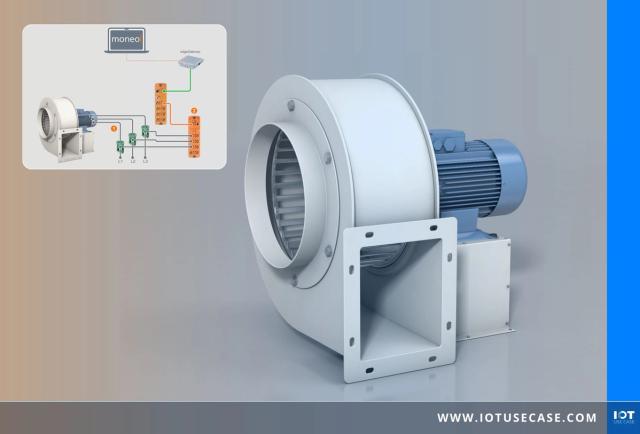 Condition MonitoringEnergy MonitoringAsset Management
Current consumption enables condition-based fan maintenance
An ifm current transformer and the moneo platform monitor the current draw of fans. Winding damage and stiff bearings show up before the extraction system fails.
Sep 1, 2026Read more →
What it is used for
What they are used for, and with what
Based on these manufacturers' solution examples: the most common use cases and the technologies their solutions speak.
Use cases
- Temperature Measurement in Condition Monitoring9 solution examples
- Early Detection of Damage in Condition Monitoring7 solution examples
- Level and Distance Measurement in Condition Monitoring7 solution examples
- Automatic Spare Parts Ordering in Corrective Maintenance6 solution examples
- Vibration Monitoring in Condition Monitoring5 solution examples
What to look for
Measuring principles at a glance
Electromagnetic flow meters, also called magmeters, use Faraday's law of induction: a conductive medium flowing through a magnetic field generates a voltage proportional to its velocity. They have no obstructions in the pipe and are the standard for water, wastewater and many aqueous media. Coriolis meters measure mass flow directly via the oscillation of flow tubes and also measure density. Ultrasonic meters evaluate the transit time difference of sound signals traveling with and against the flow. As clamp-on versions, they are mounted on the outside of the pipe without opening the line. Vortex meters count the vortices shed behind a bluff body and suit steam, gases and liquids. Variable area flow meters, or rotameters, display flow mechanically, often supplemented by limit contacts or an analog output. Calorimetric flow sensors mainly monitor whether a medium is flowing.
What matters when selecting an industrial flow meter
The most important question is the medium: is it conductive, gaseous, viscous or laden with solids? This determines the measuring principle, nominal diameter, pressure and temperature range and materials. Accuracy, turndown, required inlet and outlet runs and pressure loss also matter. Meters used for billing follow their own standards, such as ISO 4064 for water meters. ISO 9104 describes how the performance of electromagnetic meters is evaluated. Flow is output as pulses, analog signals or digitally via IO-Link, HART or fieldbus.
Flow sensors in practice
In solution examples, flow sensors measure the consumption of compressed air, water and coolant to allocate energy costs to individual machines and detect leaks. In the process industry, they control dosing and recipes; in cooling circuits, they monitor whether tools and lasers are adequately supplied. Endress+Hauser offers flow measuring devices for almost all measuring principles with digital interfaces for connection to IoT platforms. In the IoT stack, they sit on the source layer, and edge devices collect their values.
Frequently asked questions about industrial flow meters
How does a magnetic flow meter work?
A magnetic flow meter generates a magnetic field across the measuring tube. When a conductive medium flows through, Faraday's law induces a voltage that two electrodes pick up. It is proportional to the flow velocity and therefore to the volume flow. The tube has no obstructions and causes virtually no pressure loss. The medium needs a minimum conductivity, so gases, oils and demineralized water call for Coriolis, vortex or ultrasonic meters instead.
How does a Coriolis flow meter work?
A Coriolis flow meter sets one or two measuring tubes into oscillation. When medium flows through, Coriolis forces slightly twist the tubes, creating a phase shift between inlet and outlet. This shift is directly proportional to mass flow. The oscillation frequency also yields the density. Coriolis meters are very accurate and independent of conductivity and viscosity, for example in dosing and filling.
What is a clamp-on ultrasonic flow meter?
A clamp-on ultrasonic flow meter has sensors that are clamped onto the outside of the pipe. It measures the transit time difference of sound signals traveling with and against the flow and calculates the flow rate from it. The line does not need to be opened and the process does not need to stop. This makes it ideal for retrofits, temporary measurements and energy audits on existing plants.
What is a rotameter?
A rotameter is a variable area flow meter that indicates flow mechanically. In a vertical, tapered tube, the flow lifts a float whose height shows the flow rate, even without auxiliary power. It is used for gases and liquids in cooling, purging and dosing circuits. With limit contacts or a 4–20 mA output, its values can also be transferred to the controller and IoT platform.
What is a vortex flow meter used for?
A vortex flow meter is used for steam, gases and liquids with low viscosity. A bluff body in the pipe sheds vortices whose frequency is proportional to the flow velocity, and a sensor counts them. The meter has no moving parts, tolerates high temperatures and pressures and is a common choice for steam and compressed air measurement in energy monitoring.
On the podcast
Episodes with these manufacturers and their customers.
- #213Direct Air Capture: From Pilot to Autonomous Industrial ScaleGreenlyte Carbon Technologies · ifm-Unternehmensgruppe · May 13, 2026Listen
- #192Ensuring Quality with IoT: How RAFI and ifm Digitalize Injection Moldingifm-Unternehmensgruppe · RAFI GmbH & Co. KG · Nov 5, 2025Listen
- #12Simple, secure and without detours all sensor data via radio and NB-IoT in the cloud – no limits with the io-key | Kevin Munzert | ifmifm-Unternehmensgruppe · Sep 23, 2020Listen
Related categories
More product categories on the same layer and the technologies solutions in this category connect through.