
Level Transmitters and Sensors for Industrial IoT
A level sensor shows how full a tank, vessel or silo is. Level transmitters deliver the level as a measured value, while point level switches report whether a specific level has been reached. In the IoT stack, level sensors are the basis for inventory monitoring, automatic reordering and overfill protection for liquids and bulk solids.

Co-Founder & CTO/CPO, Greenlyte Carbon Technologies 
Magna Exteriors (Meerane) GmbH, Manager Automation, Magna 
Salzgitter Flachstahl
3 users from the network have already implemented this
Talk implementation with other users
In the user group, 300+ users discuss every month what worked in their projects and what they would do differently today. No vendors in the room, honest exchange under NDA.
Who offers it
Level sensors in practice
2 manufacturers from our partner network with 34 solution examples. Those with the most documented use in this category come first.
- Get in touch with Endress+Hauser

Endress+Hauser
Level sensors7 solution examples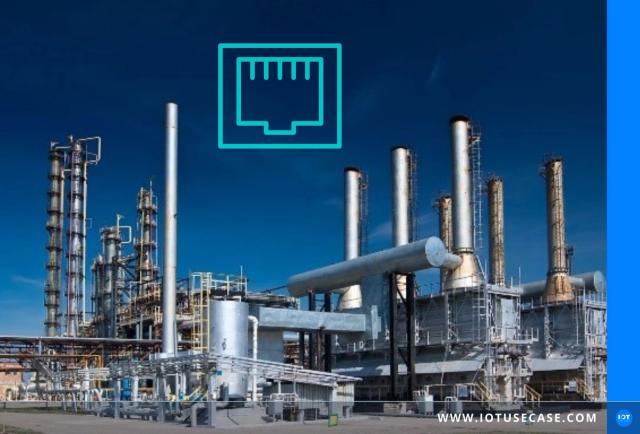


 Condition MonitoringDigital Documentation
Seamlessly integrated down to field level – including hazardous areas: Ethernet-APL networks the process industry
Jun 2, 2025Read more →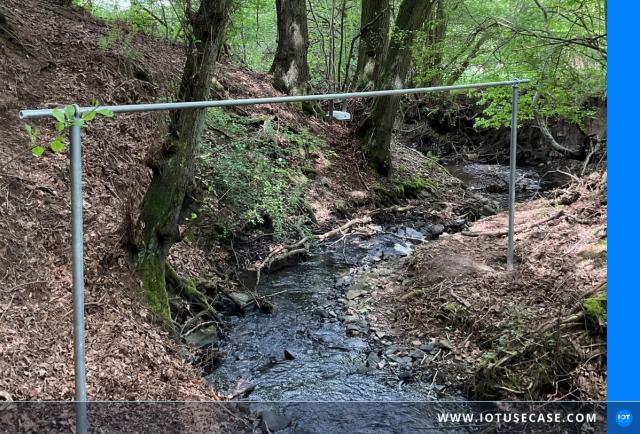

 Fraud and Loss PreventionCondition MonitoringDigital Documentation
Detect floods earlier with connected water level sensors and AI
Jun 18, 2026Read more →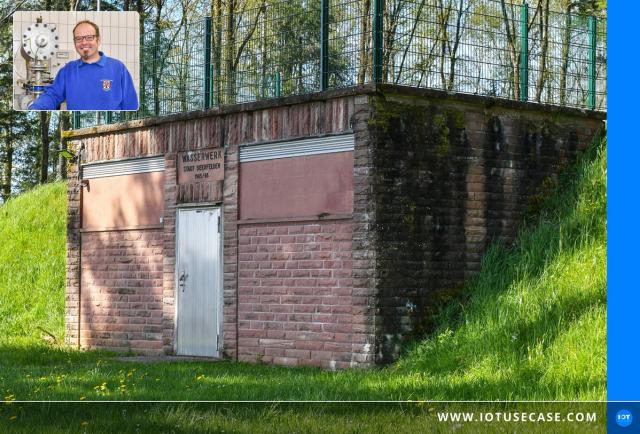

 Asset ManagementCondition Monitoring
Smart monitoring of municipal and industrial water applications
Sep 3, 2024Read more → 
ifm-Unternehmensgruppe
Level sensors27 solution examples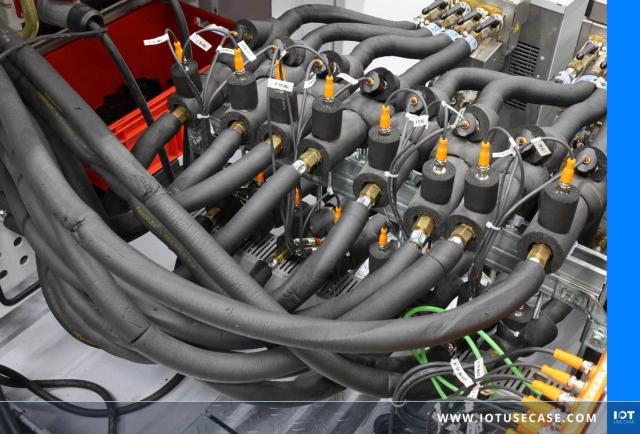




 Condition MonitoringEnergy Monitoring
Monitoring injection mould cooling via IO-Link to cut energy use
From gut feeling to hard data: at RAFI in Bad Waldsee, sensors and the moneo IIoT platform make the injection moulding process transparent. Temperatures, flow rates, compressed air and energy consumption are recorded, visualised and analysed continuously.
Sep 21, 2026Read more →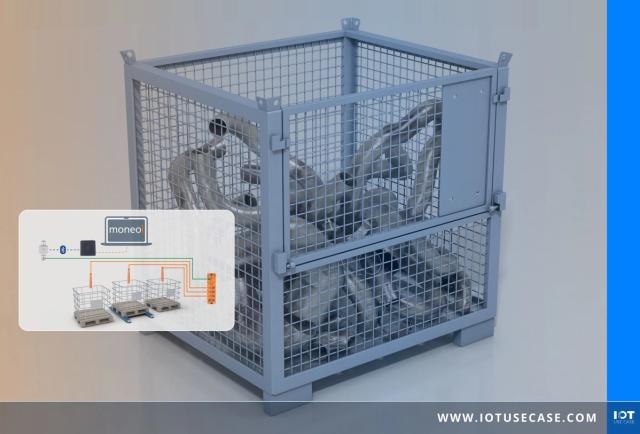
 Condition MonitoringAsset Management
Precisely monitoring grid boxes with fill-level and weight sensing
Capture fill level and weight of mesh box pallets without any wiring: ifm sends the sensor data to moneo via Bluetooth Mesh and makes pickups plannable.
Sep 14, 2026Read more →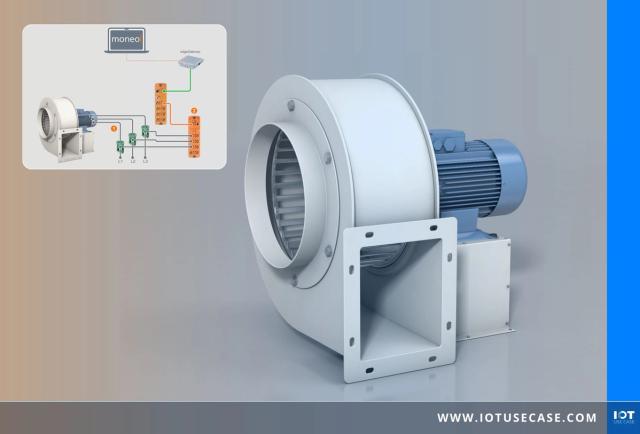 Condition MonitoringEnergy MonitoringAsset Management
Current consumption enables condition-based fan maintenance
An ifm current transformer and the moneo platform monitor the current draw of fans. Winding damage and stiff bearings show up before the extraction system fails.
Sep 1, 2026Read more →
What it is used for
What they are used for, and with what
Based on these manufacturers' solution examples: the most common use cases and the technologies their solutions speak.
Use cases
- Temperature Measurement in Condition Monitoring9 solution examples
- Early Detection of Damage in Condition Monitoring7 solution examples
- Level and Distance Measurement in Condition Monitoring7 solution examples
- Automatic Spare Parts Ordering in Corrective Maintenance6 solution examples
- Vibration Monitoring in Condition Monitoring5 solution examples
What to look for
Measuring principles of level measurement
Level sensors differ mainly in whether they measure continuously or detect a point level. For continuous measurement, there are non-contact and contact methods. Radar sensors emit microwaves and measure the time of flight to the surface. They work independently of pressure, temperature and vapor and also suit bulk solids. Guided wave radar sensors conduct the signal along a rod or cable. Ultrasonic sensors use sound waves and are an economical solution for water and simple liquids. Hydrostatic sensors measure the pressure of the liquid column at the bottom of the tank and calculate the fill height from it. Capacitive sensors evaluate the change in electrical capacitance between the probe and the tank wall.
Vibrating forks are widely used for point level detection. When the fork is immersed in the medium, its oscillation frequency changes and the sensor switches. They serve as overfill and dry-run protection for pumps. Capacitive point level switches designed as proximity switches fall under IEC 60947-5-2.
What matters when selecting a level transmitter
The medium and the vessel are decisive: liquid or bulk solids, foam, vapor, dust, buildup, internal fittings and tank height. Process pressure and temperature, materials and process connection, hygienic requirements and hazardous area approvals add to the list. For connection to IoT platforms, the output signal and interface matter, meaning 4–20 mA, IO-Link or wireless for remote tanks.
Level sensors in practice
In solution examples, level sensors monitor storage tanks for chemicals, coolants and oils, silos for granules or bulk material and wastewater tanks. The data flows into dashboards and triggers reorders when needed, without anyone reading values on site. Manufacturers such as WIKA and Endress+Hauser offer level sensors with IO-Link or wireless connectivity that can also be retrofitted into existing plants. In the IoT stack, they sit on the source layer, while edge devices or gateways collect their values.
Frequently asked questions about level transmitters
How does an ultrasonic level sensor work?
An ultrasonic level sensor sends sound pulses from above onto the surface of the medium and measures the time until the echo returns. From the time of flight, it calculates the distance and thus the level. The measurement is non-contact and economical and works well for water and wastewater. Foam, vapor and strong temperature changes can affect the signal; radar is usually the better choice there.
When should a radar level transmitter be used?
A radar level transmitter is the right choice when pressure, temperature, vapor or dust would disturb other methods. Microwaves propagate independently of the gas phase and measure without contact, even for bulk solids and in tall silos. Radar sensors require little maintenance and are precise; guided wave radar with a rod or cable also copes with foam and internal fittings. Because of the higher purchase cost, they pay off mainly for demanding media and processes.
How does a capacitive level sensor work?
A capacitive level sensor forms a capacitor with the tank wall or a second electrode. As the medium rises, the capacitance changes because liquids and bulk solids have a different dielectric constant than air. The sensor evaluates this change as a continuous level or a point level. It has no moving parts, suits many liquids and bulk solids and some designs can even detect media through plastic walls.
How does a hydrostatic level transmitter work?
A hydrostatic level transmitter measures the pressure of the liquid column with a pressure sensor at the bottom of the tank or a submersible probe. This pressure is proportional to the fill height when the density of the medium is known. In closed, pressurized vessels, the differential pressure between the bottom and the gas space is measured. The method is robust, unaffected by foam and well suited for wells and basins.
What is a vibrating fork level switch?
A vibrating fork level switch uses a tuning fork that oscillates at its natural frequency. When it is immersed in liquid or bulk solids, the frequency changes and the switch outputs a signal. It reliably detects a point level regardless of conductivity, foam or flow. Typical applications are overfill protection, empty detection and dry-run protection for pumps.
On the podcast
Episodes with these manufacturers and their customers.
- #213Direct Air Capture: From Pilot to Autonomous Industrial ScaleGreenlyte Carbon Technologies · ifm-Unternehmensgruppe · May 13, 2026Listen
- #192Ensuring Quality with IoT: How RAFI and ifm Digitalize Injection Moldingifm-Unternehmensgruppe · RAFI GmbH & Co. KG · Nov 5, 2025Listen
- #12Simple, secure and without detours all sensor data via radio and NB-IoT in the cloud – no limits with the io-key | Kevin Munzert | ifmifm-Unternehmensgruppe · Sep 23, 2020Listen
Related categories
More product categories on the same layer and the technologies solutions in this category connect through.