




















































































Traceability

More implementations in our database

Transparent supply chains are key to efficient production and regulatory compliance. Companies in our network have optimized their processes and met industry standards through innovative traceability solutions. Take advantage of proven approaches and benefit from the support of our community of experienced users and partners to achieve your specific traceability goals.

IIoT Success Stories from Practice

Companies from our network that have already successfully implemented this use case

Schaeffler GruppeBerger S2BWürth Industrie Service GmbH & Co. KGCERATIZITCyberport GmbHRail Cargo Groupifm-UnternehmensgruppeArkuriBayer CropScienceJust PackAubergine & Zucchini Vollwert Frischdienst Party Service und Catering GmbHPVA TePlaCO.DON GmbHNovofermL&H IndustrialStannolPhilipp Morris InternationalTB International GmbHCSL BehringLivelloSCHIELICKE BAU Hoch- Tief- und Ingenieurbau GmbHKRONEFRÄNKISCHE Industrial PipesTURCK GmbHHako GmbHRUCH NOVAPLASTNokian TyresUnifarco SpAValioHARTMANN GruppeSiemens AGFaureciaPackwiseTecTradeSolutions GmbHHartmetall-Werkzeugfabrik Paul Horn GmbHEcolabInstitut für FlugzeugbauTractive GmbHUhlmann Group Holding GmbH & Co. KGWick-Machinery GmbHSchaeffler GruppeBerger S2BWürth Industrie Service GmbH & Co. KGCERATIZITCyberport GmbHRail Cargo Groupifm-UnternehmensgruppeArkuriBayer CropScienceJust PackAubergine & Zucchini Vollwert Frischdienst Party Service und Catering GmbHPVA TePlaCO.DON GmbHNovofermL&H IndustrialStannolPhilipp Morris InternationalTB International GmbHCSL BehringLivelloSCHIELICKE BAU Hoch- Tief- und Ingenieurbau GmbHKRONEFRÄNKISCHE Industrial PipesTURCK GmbHHako GmbHRUCH NOVAPLASTNokian TyresUnifarco SpAValioHARTMANN GruppeSiemens AGFaureciaPackwiseTecTradeSolutions GmbHHartmetall-Werkzeugfabrik Paul Horn GmbHEcolabInstitut für FlugzeugbauTractive GmbHUhlmann Group Holding GmbH & Co. KGWick-Machinery GmbH

Which Traceability use case do you want to implement?

Your use case has already been solved here. We show you how and by whom, and connect you with the people who have already implemented it.

Optimize your global supply chain

Small parts such as packaging or consumables are often inconspicuous but essential for production processes. With traceability solutions, you can efficiently manage the inventory of these C-parts. Automated reorders and the prevention of overstocking minimize costs and prevent production stoppages. These digital systems considerably reduce manual effort and thereby free up capacity for strategic tasks.

Implemented under NDA – user company confidential
See implementations

Digital tracking of products and processes

34 Solution Examples

Traceability with IoT data – for quality, compliance, and efficiency. Other companies in our network rely on digital traceability solutions to map complete process histories – from goods receipt to delivery. IoT sensors automatically capture time, location, condition, and ID of objects. These IoT traceability systems help meet regulatory requirements and quickly isolate quality issues. → Proven solutions from our partners show: combining traceability and asset tracking increases production security.

Implemented under NDA – user company confidential
See implementations

Digital Nameplates and Product Data Sheets

8 Solution Examples

Machines and products are equipped with digital nameplates containing important information such as maintenance intervals or material compositions. This supports sustainability and recyclability through digital product passports.

Implemented under NDA – user company confidential
See implementations

Inventory Management and Reorders

16 Solution Examples

With batch or lot traceability, you can monitor the entire lifecycle of your products – from raw material procurement to the finished product. This includes the identification of specific batches, tracking of process data, and documentation of all intermediate steps. This traceability enables you to identify weaknesses in the supply chain, minimize bottlenecks, and ensure compliance with quality standards. In addition, recalls can be carried out more efficiently and in a more targeted manner, saving costs and time.

Implemented under NDA – user company confidential
See implementations

Efficient Material Supply

11 Solution Examples

Small parts such as packaging or consumables are often inconspicuous but essential for production processes. With traceability solutions, you can efficiently manage the inventory of these C-parts. Automated reorders and the prevention of overstocking minimize costs and prevent production stoppages. These digital systems considerably reduce manual effort and thereby free up capacity for strategic tasks.

Implemented under NDA – user company confidential
See implementations

Precise inspection of every incoming shipment

3 Solution Examples

Transparency in the parcel process: Traceability goes beyond production and also offers significant advantages for goods receipt. Sensors can measure the dimensions and weight of incoming packages and compare this data with master data. This creates transparency across the entire logistics chain and improves collaboration with suppliers. The traceability of individual shipments also helps to clarify discrepancies and increase the efficiency of goods management.

Implemented under NDA – user company confidential
See implementations

Markerless Component Recognition

Component traceability ensures that individual parts can be clearly identified at any time – from raw material inspection through internal testing to delivery to the customer. Innovative technologies such as mark-free recognition methods offer a solution to challenges such as damaged labels or unreadable codes. This not only protects against counterfeiting but also reduces the complexity of integration into existing systems.

Implemented under NDA – user company confidential
See implementations

Optimize your supply chain (batch traceability)

12 Solution Examples

With batch or lot traceability, you can monitor the entire lifecycle of your products – from raw material procurement to the finished product. This includes the identification of specific batches, tracking of process data, and documentation of all intermediate steps. This traceability enables you to identify weaknesses in the supply chain, minimize bottlenecks, and ensure compliance with quality standards. In addition, recalls can be carried out more efficiently and in a more targeted manner, saving costs and time.

Implemented under NDA – user company confidential
See implementations

Insights into Your Entire Supply Chain / Digital Tracking

6 Solution Examples

Component traceability ensures that individual parts can be clearly identified at any time – from raw material inspection through internal testing to delivery to the customer. Innovative technologies such as mark-free recognition methods offer a solution to challenges such as damaged labels or unreadable codes. This not only protects against counterfeiting but also reduces the complexity of integration into existing systems.

Implemented under NDA – user company confidential
See implementations

Seamless control throughout production

27 Solution Examples

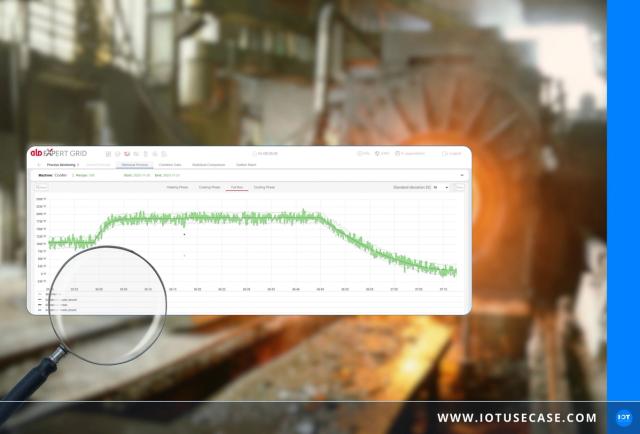
Traceability in production means documenting every step of the manufacturing process and making data available in real time. This enables the identification of process errors and the prevention of quality problems. Data packages can be correlated and processed together to gain deeper insights into the efficiency and accuracy of manufacturing. This not only creates transparency but also helps to reduce production costs through process optimization.

Implemented under NDA – user company confidential
See implementations

Audit-Reporting in Traceability

22 Solution Examples

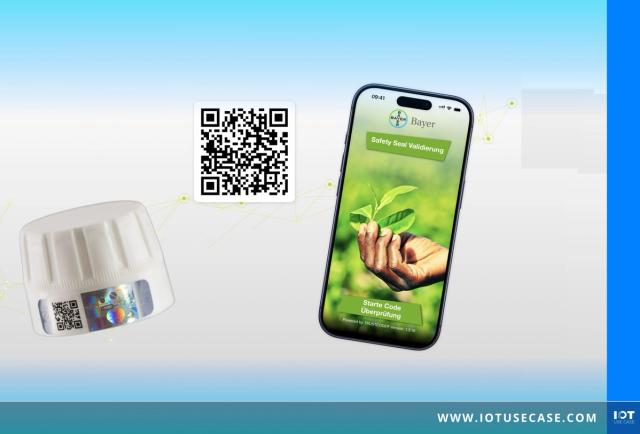
Meet audit requirements effortlessly. In regulated industries such as pharma, food, or chemicals, conformity and certification requirements are particularly demanding. With traceability solutions, you can seamlessly document all relevant data – from the origin of raw materials through production processes to the end consumer. Integration of QR codes on products allows direct access to this data. This promotes transparency in the supply chain, strengthens customer trust, and facilitates cooperation with regulatory authorities.

Implemented under NDA – user company confidential
See implementations

Your use case has already been implemented in practice

Discover solution examples from our network

This use case has already been implemented. We know the people behind it.

Just ask us. We look up how your use case has already been implemented and put you in touch personally.

Industry Challenges – Do These Sound Familiar?

Typical Challenges in Traceability

  • How can I ensure my products are fully traceable – from production to the end customer?
  • Which technologies and systems do I need to integrate traceability efficiently into my operations?
  • How do I ensure my solution meets regulatory requirements and industry-specific standards?
  • Which best practices and partners can support me in successfully implementing my traceability projects?

Our platform is your shortcut to the solution. We guide you and show you how other companies have mastered exactly these challenges. With our network of experts and proven technologies, we find the most efficient path to your traceability goals together – secure, fast and tailored to your requirements.

Definition of Traceability

Traceability provides end-to-end visibility across the supply chain and enables the identification of individual products or batches. This optimises quality assurance and fulfils documentation obligations, especially in regulated industries. Sensor integration documents inventory levels and production steps to increase efficiency and transparency.

Benefits of Traceability

Traceability: More Than Traceability – a Strategic Advantage

Improved Quality Assurance

Seamless tracking of production and supply chain processes reduces sources of error and improves product quality. Critical points such as raw material control or production defects can be identified and resolved in real time.

Meeting Documentation Obligations

Automated reports and documentation facilitate compliance with regulatory requirements. Especially in highly regulated industries such as pharma, food and automotive, audits can be handled more efficiently.

Efficiency Gains Along the Supply Chain

Real-time data on location tracking and inventory levels optimises material flow. Reduction of storage costs through more precise demand planning and faster decision-making.

Protection Against Product Counterfeiting

Through traceability, the origin of a product can be verified back to its source, guaranteeing authenticity. Technologies such as blockchain or digital fingerprinting protect against parallel markets or counterfeiting.

Improved Customer Relationships

Transparency across the entire supply chain builds trust with customers and partners. Products with verifiably sustainable production are preferred and strengthen your brand.

Have a concrete IoT project in mind?

We know the vendors who've already done it.

IoT Use Case

We use cookies

We use cookies and similar technologies to improve our website and show you relevant content. You can decide which categories you allow. For more information, please read our Privacy Policy.