




































Asset Management

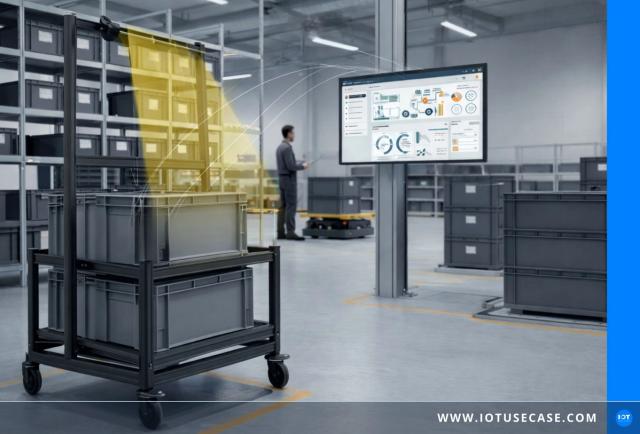
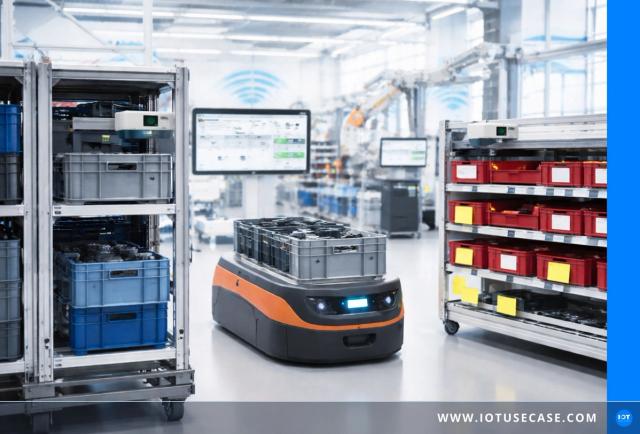
Learn how companies in our network are using modern IoT solutions to efficiently manage their assets and optimize material flow. Could you potentially reduce costs by automatically tracking inventory, avoiding bottlenecks, and identifying maintenance needs early on?

IIoT Success Stories from Practice

Companies from our network that have already successfully implemented this use case

Berger S2BMichelinWürth Industrie Service GmbH & Co. KGCERATIZITBosch Power ToolsVolkswagen NutzfahrzeugeJust PackLiebherr-IT Services GmbHProMartLivelloLohmann GmbH & Co. KGVolkswagen AGKUKAValioHARTMANN Gruppeifm-UnternehmensgruppeZiehl-AbeggPackwiseBerger S2BMichelinWürth Industrie Service GmbH & Co. KGCERATIZITBosch Power ToolsVolkswagen NutzfahrzeugeJust PackLiebherr-IT Services GmbHProMartLivelloLohmann GmbH & Co. KGVolkswagen AGKUKAValioHARTMANN Gruppeifm-UnternehmensgruppeZiehl-AbeggPackwise

Industry Challenges – Do These Sound Familiar?

Typical Asset Management Challenges

  • How do I get transparent data on the utilisation of my assets?
  • How do I extend the service life of my machines through targeted monitoring?
  • How do I find partners who provide proven asset management solutions?

Our platform provides the answers. Discover proven approaches that help you manage your assets more efficiently – supported by leading IIoT technologies and a strong network.

Your use case has already been implemented in practice

Discover solution examples from our network

Proven applications for Asset Management

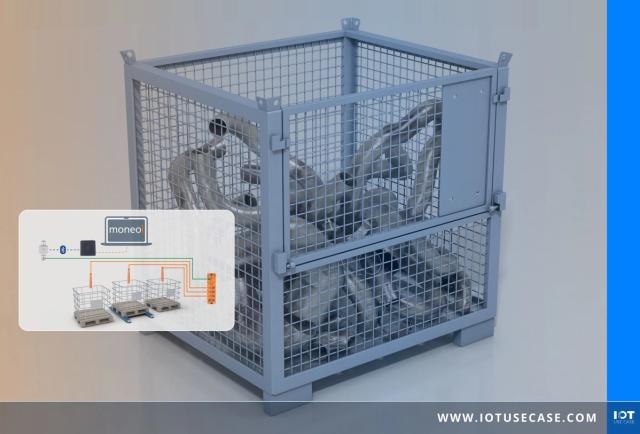
Self-sufficient supply of C-parts

3 Solution Examples

C-parts, such as small components or consumables, often present a challenge in inventory management. By deploying IoT solutions, companies can monitor the demand for these materials in real time and trigger automated reorders. This ensures a continuous supply, reduces process costs, and prevents production interruptions due to missing materials.

Inventory Management

20 Solution Examples

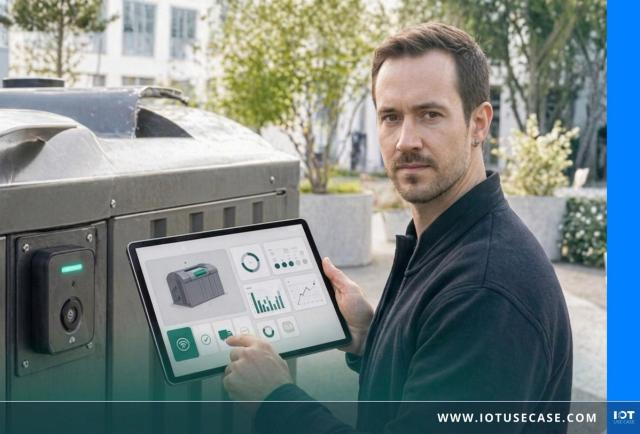
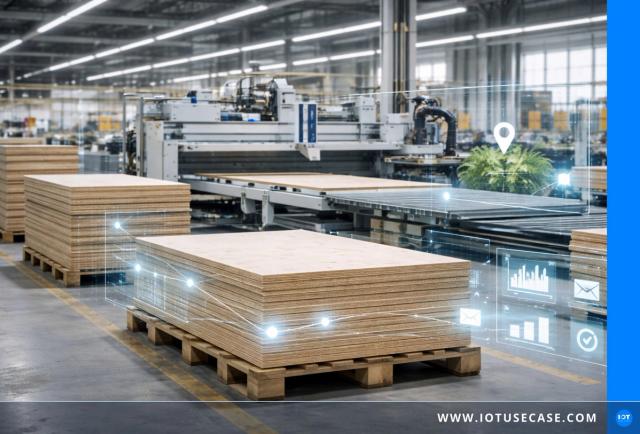
The implementation of sensors and IoT devices enables continuous monitoring of inventory. Companies can thereby track the location and condition of units, pallets, crates, or batches in real time.

Precise real-time inventory monitoring

13 Solution Examples

The implementation of sensors and IoT devices enables continuous monitoring of inventory. Companies can thereby track the location and condition of units, pallets, crates, or batches in real time. This leads to a reduction in overstocking, minimizes waste, and improves the overall supply chain. Seamless operations can also be ensured through integration with enterprise systems such as ERP or WMS.

Level and Distance Measurement in Asset Management

3 Solution Examples

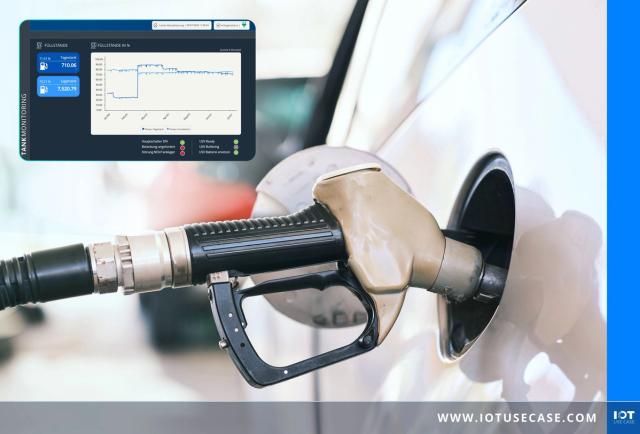
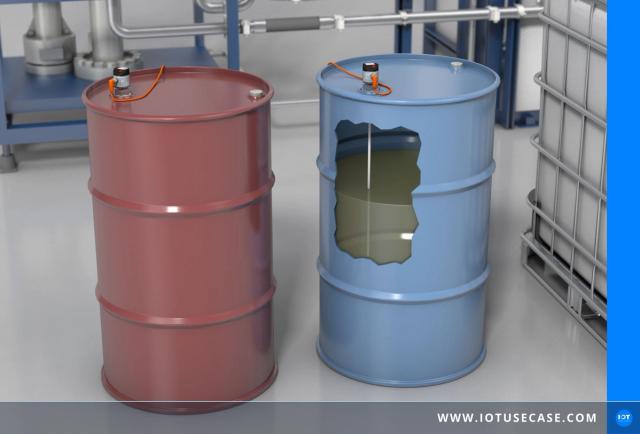
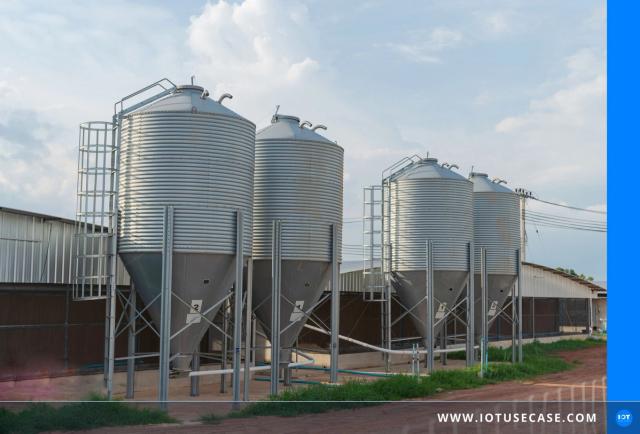
Efficiency in warehouse and production. Real-time monitoring of fill levels in tanks or silos enables precise control of production processes. Automatic notifications facilitate reordering and prevent overflows or bottlenecks.

Automatic spare parts ordering in Asset Management

1 Solution Example

Automatic spare parts ordering is triggered by defined threshold violations or status changes. Maintenance orders or spare parts requests are created automatically and transferred via integration into ERP systems such as SAP. The entire process is system-driven and requires no manual intervention.

Container Management – Logistics IoT

6 Solution Examples

This leads to a reduction in overstocking, minimizes waste, and improves the overall supply chain. Seamless operations can also be ensured through integration with enterprise systems such as ERP or WMS.

Benefits of Asset Management

Benefits of Asset Management

Optimised Resource Utilisation

Effective asset management enables the maximum use of your assets and resources. Through precise planning and monitoring, companies can ensure that every asset delivers its full value throughout its entire lifecycle.

Reduction of Downtime

Through continuous monitoring and early identification of weak points, asset management minimises unplanned downtime. This ensures higher uptime and improves overall productivity.

Cost-Efficient Maintenance

With data-driven insights, asset management optimises maintenance planning. Maintenance measures only take place when needed, avoiding unnecessary repairs and operational failures.

Improved Transparency

Through centralised data collection and management, asset management offers comprehensive transparency about the condition, usage and availability of all assets. This facilitates informed decisions at all company levels.

Extended Asset Lifespan

Effective management and preventive maintenance extend the lifespan of your assets. This reduces long-term investment costs and maximises the ROI of your physical assets.

Regulatory Compliance

With a structured approach, asset management ensures that companies always meet regulatory requirements and compliance standards. This minimises the risk of penalties or operational restrictions.

Increased Safety

Through continuous monitoring of critical assets, potential safety risks are identified early. This protects employees, assets and the environment from damage and increases operational safety.

Scalability and Adaptability

Modern asset management systems are scalable and adapt to growing business requirements. New assets, technologies or locations can be seamlessly integrated.

Data-Driven Decisions

With real-time data and comprehensive analytics, asset management supports companies in making strategic decisions. This leads to better planning and continuous process optimisation.

Questions about Asset Management?

Contact us and learn how you can successfully implement IoT solutions for Asset Management in your company.

Hast du ein konkretes IoT-Vorhaben?

Wir kennen die Anbieter, die es bereits umgesetzt haben.

IoT Use Case

We use cookies

We use cookies to optimize our website and our service. Privacy Policy