
Manufacturer-Owned Platforms: Machine Monitoring Software
Manufacturer-owned platforms are IoT platforms that a machine or component manufacturer offers for its own products. Sensors, controls and software are designed to work together, so equipment data flows into dashboards, condition monitoring and service processes with little integration effort.

Managing Director, BESI Marine Systems GmbH 
Co-Founder & CTO/CPO, Greenlyte Carbon Technologies 
Sr Controls Engineer, ALPS Inspection 
Hüdig GmbH & Co. KG 
Magna Exteriors (Meerane) GmbH, Manager Automation, Magna 
Salzgitter Flachstahl
7 users from the network have already implemented this (+1)
Talk implementation with other users
In the user group, 300+ users discuss every month what worked in their projects and what they would do differently today. No vendors in the room, honest exchange under NDA.
Who offers it
Manufacturer-owned platforms in practice
8 manufacturers from our partner network with 55 solution examples. Those with the most documented use in this category come first.
- Get in touch with Endress+Hauser
Endress+Hauser
Manufacturer-owned platforms7 solution examples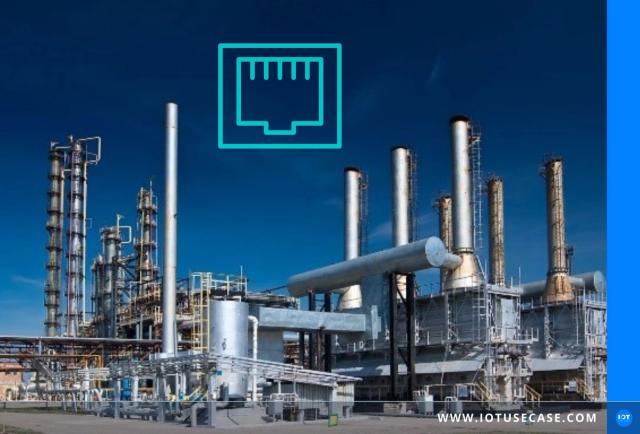

 Condition MonitoringDigital Documentation
Seamlessly integrated down to field level – including hazardous areas: Ethernet-APL networks the process industry
Jun 2, 2025Read more →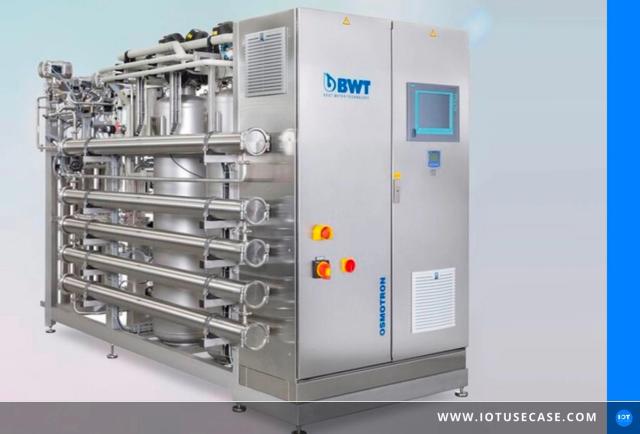
 Digital DocumentationQuality Management
Clean water, digital documents, simple audits
Feb 8, 2024Read more →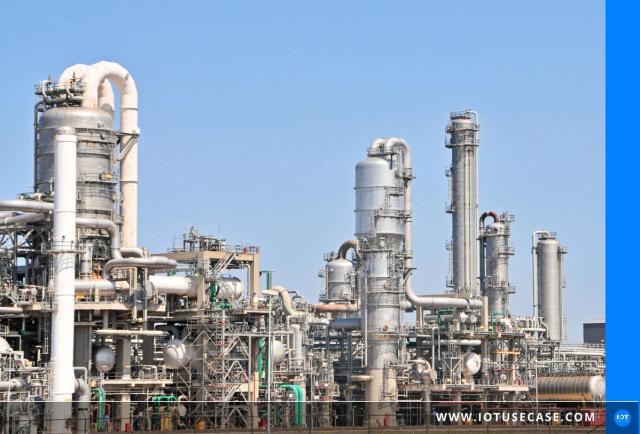 Asset ManagementCondition MonitoringDigital Documentation
Securing competitive advantages in the chemical industry with IIoT
Jun 27, 2023Read more → 
Exor International SpA
Manufacturer-owned platforms6 solution examples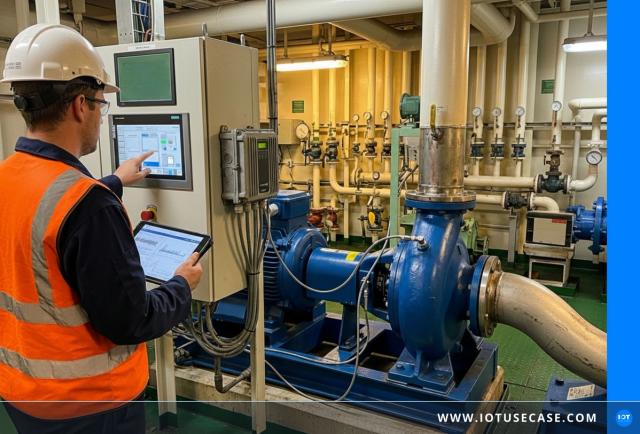


 Condition MonitoringEnergy MonitoringPredictive Maintenance
IoT-based pump control saves energy in maritime shipping
Jan 8, 2026Read more →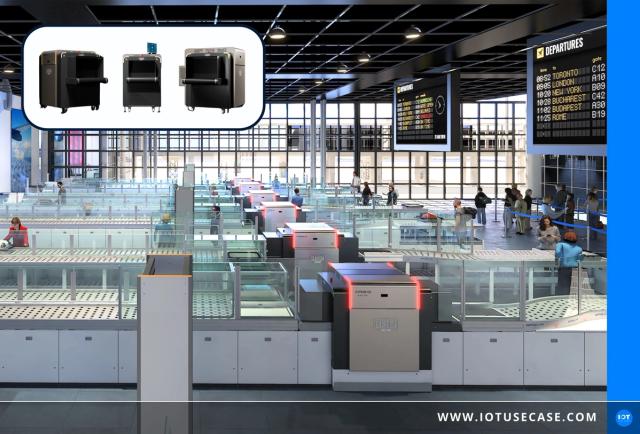
 Digital Documentation
Critical infrastructure systems optimised: IoT as a success driver at Gilardoni
Apr 23, 2024Read more →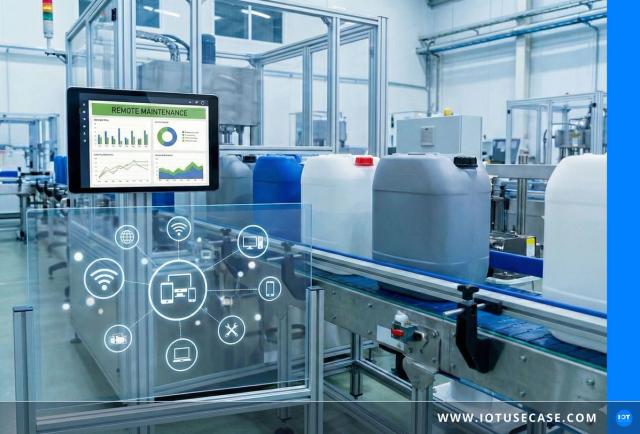



 Condition MonitoringCorrective maintenanceDigital Documentation
IoT-based HMI platform modernises remote maintenance in leak testing
Dec 15, 2025Read more →
autosen
Manufacturer-owned platforms2 solution examples
ifm-Unternehmensgruppe
Manufacturer-owned platforms27 solution examples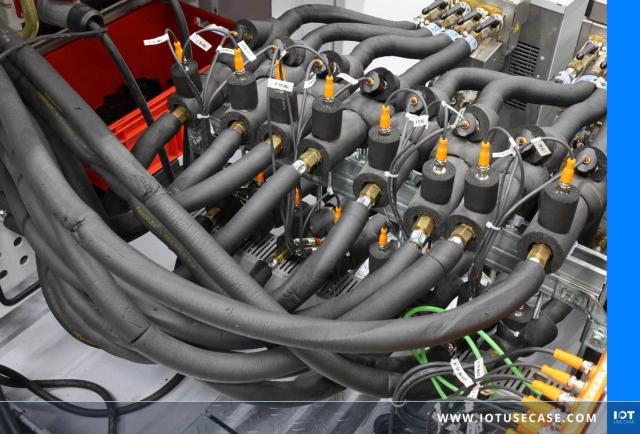



 Condition MonitoringEnergy Monitoring
Monitoring injection mould cooling via IO-Link to cut energy use
From gut feeling to hard data: at RAFI in Bad Waldsee, sensors and the moneo IIoT platform make the injection moulding process transparent. Temperatures, flow rates, compressed air and energy consumption are recorded, visualised and analysed continuously.
Sep 21, 2026Read more →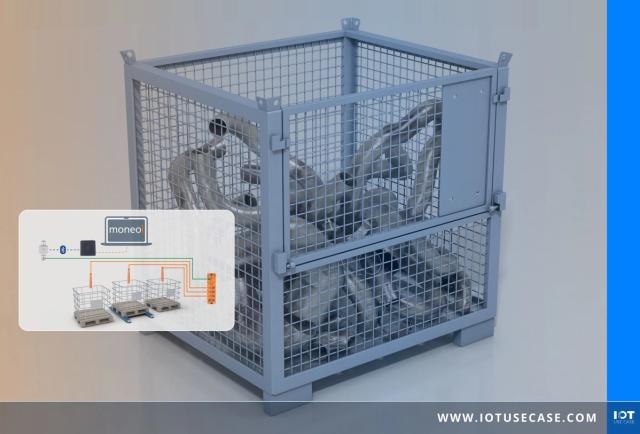
 Condition MonitoringAsset Management
Precisely monitoring grid boxes with fill-level and weight sensing
Capture fill level and weight of mesh box pallets without any wiring: ifm sends the sensor data to moneo via Bluetooth Mesh and makes pickups plannable.
Sep 14, 2026Read more →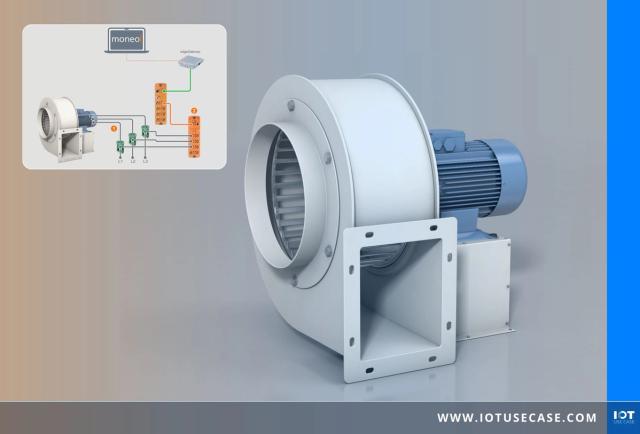 Condition MonitoringEnergy MonitoringAsset Management
Current consumption enables condition-based fan maintenance
An ifm current transformer and the moneo platform monitor the current draw of fans. Winding damage and stiff bearings show up before the extraction system fails.
Sep 1, 2026Read more →
ALD Vacuum Technologies GmbH
Manufacturer-owned platforms5 solution examples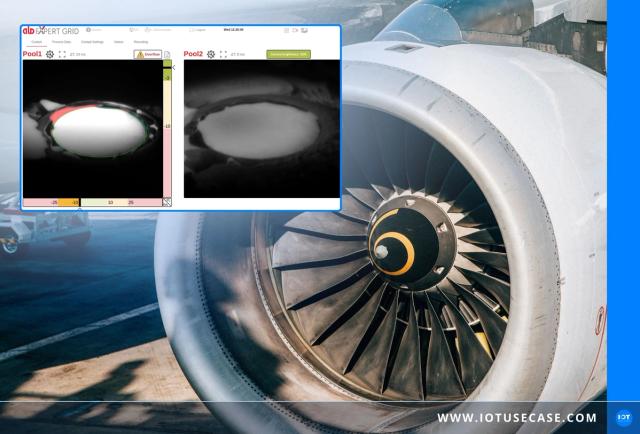

 Quality Management
Camera-based process monitoring increases the quality and efficiency of vacuum systems
Apr 1, 2026Read more →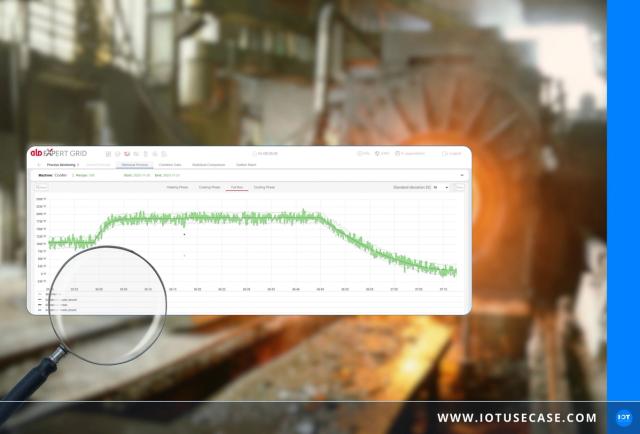 Condition MonitoringQuality ManagementTraceability
Process monitoring with on-premises IoT improves safety and quality
Nov 27, 2025Read more →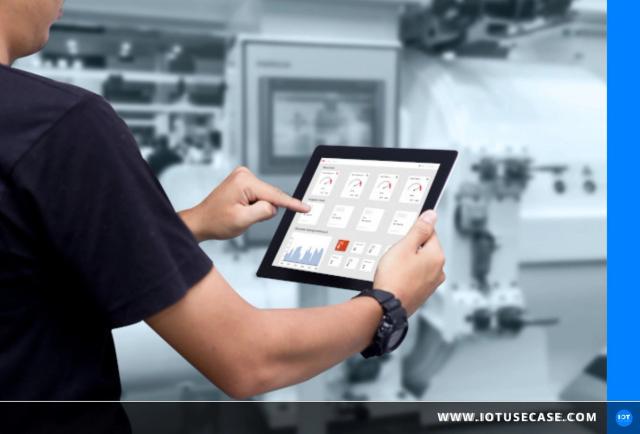 Condition MonitoringDigital DocumentationQuality Management
Efficient process data visualisation for industry
Feb 6, 2025Read more →
symmedia GmbH
Manufacturer-owned platforms4 solution examples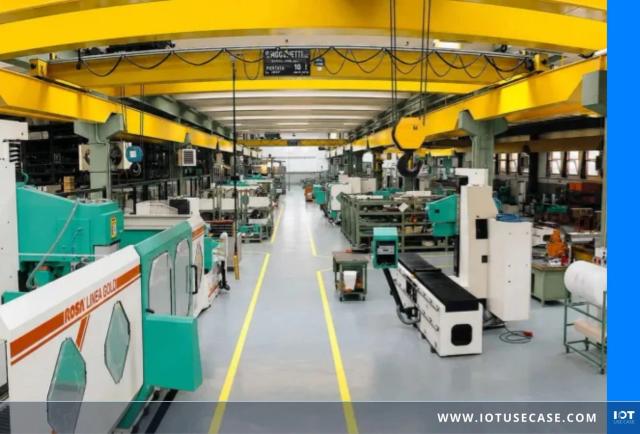

 Corrective maintenanceDigital DocumentationEnergy Monitoring
Replacing service silos with one platform to fix faults remotely
Rosa Ermando replaces scattered service silos with the symmedia Hub. Around 60 percent of software problems on its grinding machines are now solved remotely.
Oct 5, 2026Read more →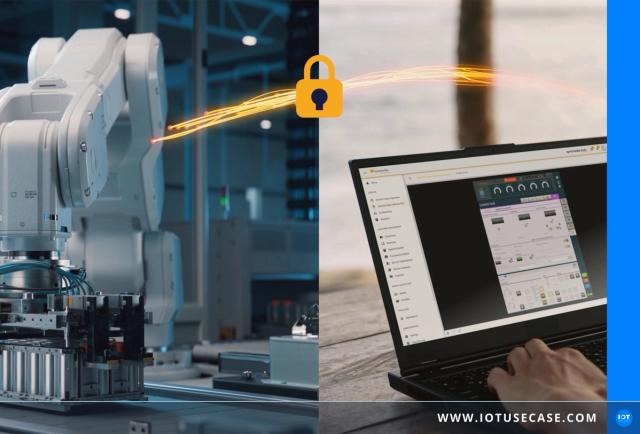


 Corrective maintenanceCondition Monitoring
IT/OT integration: secure remote maintenance for improved machine management
May 2, 2025Read more →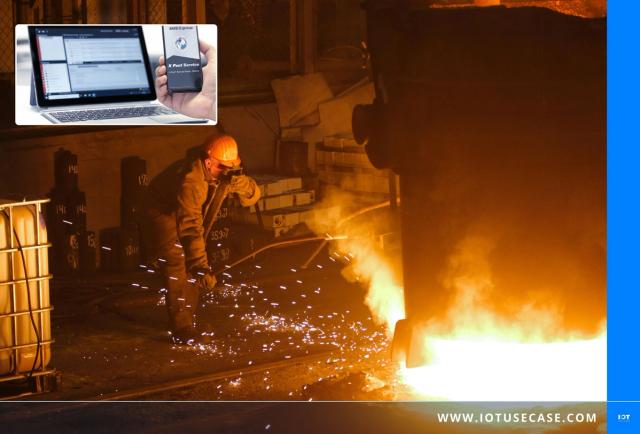

 Digital Documentation
From reactive to proactive: how digital service platforms prevent downtime
Mar 10, 2025Read more →
TURCK GmbH
Manufacturer-owned platforms4 solution examples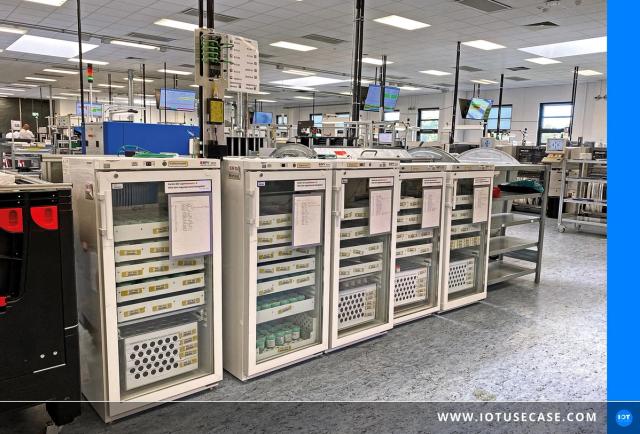
 Condition MonitoringQuality ManagementTraceability
Printed circuit board production: condition monitoring of solder paste
Mar 16, 2023Read more →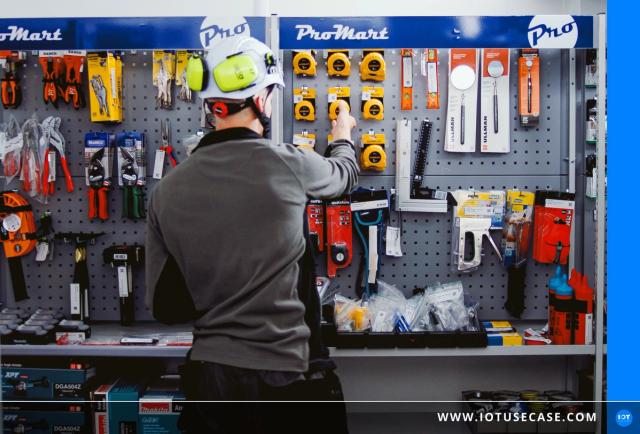
 Asset Management
Building site: replenishment management without personnel deployment
Dec 5, 2023Read more →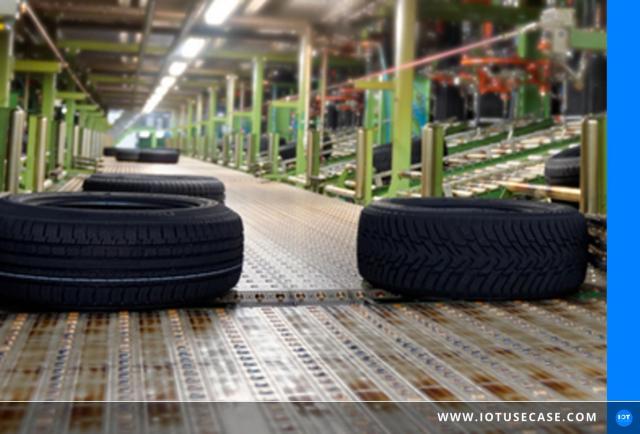
 Digital DocumentationTraceability
RFID tracking in production avoids errors
Jan 10, 2022Read more →
Rolls-Royce Power Systems AG
Manufacturer-owned platforms


What it is used for
What they are used for, and with what
Based on these manufacturers' solution examples: the most common use cases and the technologies their solutions speak.
Use cases
- Temperature Measurement in Condition Monitoring11 solution examples
- Early Detection of Damage in Condition Monitoring7 solution examples
- Level and Distance Measurement in Condition Monitoring7 solution examples
- Automatic Spare Parts Ordering in Corrective Maintenance6 solution examples
- Vibration Monitoring in Condition Monitoring6 solution examples
What to look for
What defines a manufacturer-owned platform
A manufacturer-owned platform, often called an OEM platform, comes from the same company as the machine, engine or sensor. The manufacturer knows its equipment in detail, so data points, limit values and diagnostic messages are preconfigured. Devices connect through the manufacturer's own controller, a supplied gateway or a wireless technology such as LoRaWAN. Typical functions include condition monitoring, dashboards with operating data, alerting, remote access for service teams and maintenance planning. For operators, this means a short rollout and analytics that fit the equipment exactly.
Examples from the network include ifm with a platform for sensor data and condition monitoring, Rolls-Royce Power Systems with a platform for engines and propulsion systems, and symmedia with a machine service platform that machine builders use to offer digital services to their customers.
How it differs from other platform types
The main reason to choose one is getting hardware and software from a single source. Vendor-neutral platforms connect equipment from many brands and need more setup to do so. Hyperscalers provide the infrastructure on which companies build their own applications. Specialized platforms solve one specific business problem regardless of the equipment manufacturer. In plants that have grown over time with machines from many vendors, several manufacturer platforms often run side by side, and their data needs to come together in one central place.
What to look for when choosing one
Open interfaces such as OPC UA, MQTT or a REST API are essential so that data can also flow into ERP, MES or an overarching IoT platform. Other key points are where the platform runs (the manufacturer's cloud, your own data center or the edge), clear rules on data ownership and data access under the EU Data Act, and the licensing model per device or per site. In practice, a combination works well: the manufacturer platform for depth on each machine and an integration layer for an overview of the entire plant.
A typical solution example is an operator that monitors one manufacturer’s compressors, pumps or engines through that manufacturer’s platform and schedules maintenance based on actual condition rather than fixed intervals. The manufacturer sees the same data and can prepare spare parts and service visits before a breakdown occurs.
Frequently asked questions about manufacturer-owned platforms
What software is suitable for machine monitoring?
For machines from a single manufacturer, that manufacturer's own platform is usually the fastest route because data points and limit values are already configured. For mixed machine fleets, vendor-neutral industrial IoT platforms that connect many controllers and protocols are a better fit. What matters most is support for the existing controllers, open interfaces and whether the software should run in the cloud or on the company network.
What is a digital service platform in machine building?
A digital service platform connects a machine builder with the machines running at its customers' sites. It brings together condition data, fault messages, documentation, spare parts ordering and remote access in one place. The manufacturer detects problems earlier and plans service visits more precisely, while the operator gets faster support and an overview of its equipment. Many machine builders offer such platforms as an additional paid service.
What is machine monitoring?
Machine monitoring is the continuous collection and analysis of a machine’s operating and condition data, such as runtime, output, temperature, vibration or fault messages. The goal is to spot deviations early, avoid downtime and schedule maintenance when it is actually needed. Manufacturer-owned platforms provide preconfigured data points and limit values, so monitoring can start without a lengthy setup.
What does a customer portal in machine building offer?
A customer portal gives operators a single point of access to all information about their machines. Typical content includes operating and condition data, maintenance history, technical documentation, service tickets and ordering the right spare parts. When the portal is connected to the manufacturer's IoT platform, live data and warnings appear right next to the documentation. This reduces queries and shortens downtime.
What does the EU Data Act regulate for machine data?
The EU Data Act has applied since September 2025 and gives users of connected products a right to access the data generated through their use. Operators can require the data holder, usually the manufacturer, to make this data available to them or to a third party they appoint. For manufacturer-owned platforms, this means data access, export options and contract terms belong on the checklist during selection.
On the podcast
Episodes with these manufacturers and their customers.
- #183Saving Energy at Sea: How IoT Is Making Pump Systems More EfficientExor International SpA · BESI Marine Systems GmbH · Aug 27, 2025Listen
- #223IO-Link to MQTT: Connecting Sensor Data Without Touching the ControllerTURCK GmbH · Sep 2, 2026Listen
- #213Direct Air Capture: From Pilot to Autonomous Industrial ScaleGreenlyte Carbon Technologies · ifm-Unternehmensgruppe · May 13, 2026Listen
Related categories
More product categories on the same layer and the technologies solutions in this category connect through.