
Olaf Ophoff

    Olaf Ophoff

    Head of Automation Systems division

    Solution Examples

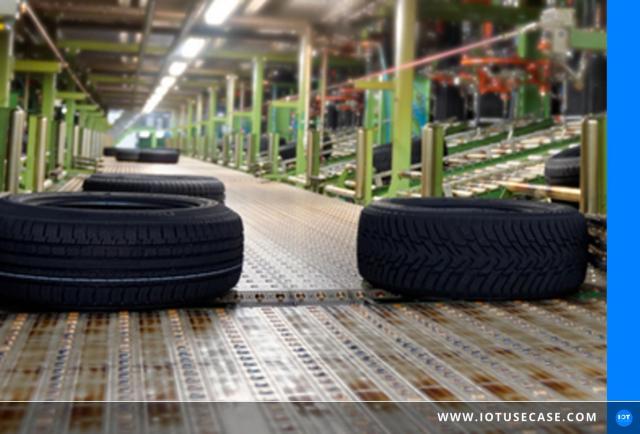
    RFID tracking in production avoids errors
    Nokian Tyres Logo
    Turck Logo

    RFID tracking in production avoids errors

    10.01.2022Read more →
    Remote monitoring for groundwater lowering units on construction sites
    Hüdig GmbH & Co. KG Logo
    Turck Logo

    Remote monitoring for groundwater lowering units on construction sites

    21.05.2021Read more →

    Podcast Episodes

    Cloud service for builders - digitized construction sites through smart service intervals

    #39
    Ing. Madeleine Mickeleit
    IIoT Use Case GmbH Logo
    Sai Seidel-Sridhaven
    Turck Logo
    Olaf Ophoff
    Turck Logo
    Christoph Kehe
    Hüdig GmbH & Co. KG Logo
    #39

    Cloud service for builders - digitized construction sites through smart service intervals

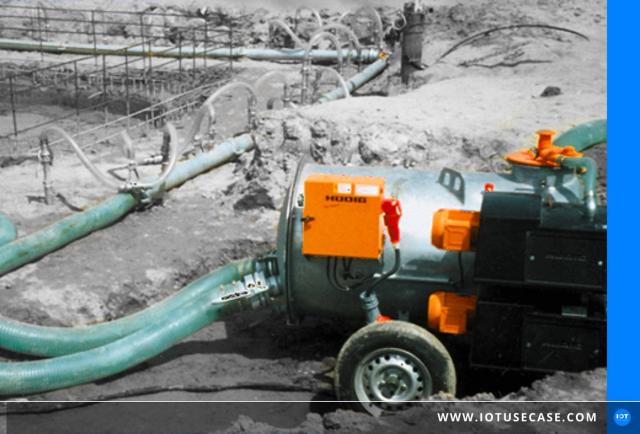
    “In the IT world, anything is possible: once the data is digitally available, the possibilities are endless.” The use case is about the groundwater lowering process and how it is optimized in multiple ways through a holistic digital solution. When do you need groundwater lowering? In short, whenever you undertake a construction project where you may encounter groundwater. The classic application target group includes larger construction companies, civil engineering companies or water drainage service providers. Different systems can be used to keep the excavation pit dry. Hüdig’s system is a pump unit that pumps out the water via vacuum solution. The practical users of these pumps wanted the manufacturer to provide monitoring, a way to digitally monitor the groundwater drawdown – even remotely. Thus, the use of the smart cloud solution was born in collaboration with Turck. Turck’s core business is the automation world. The medium-sized company sees itself as an enabler of digital solutions by offering its customers cross-industry electronics, control technology, software and platforms, allowing them to assemble their applications according to a modular design. In the case of the use case in this podcast episode, a technology was used that makes it possible to mount components directly on the machine that previously had to be located in the control cabinet – a decentralization at the plant with many added values that will be discussed in detail in the course of this episode. The device is equipped with a touch display that directly visualizes the data obtained, and the control technology is also already integrated. Additional modules, such as serial interfaces or wireless connections for the cloud, can be added virtually “piggyback”. Digital data acquisition enables early detection of faults and immediately prevents major water damage by automatically notifying affected users. This is important, because the pumps for lowering groundwater must perform 24/7, but are usually connected to the construction power distributor, which does not always shine with a stable power grid. In this way, high costs can be prevented. Maintenance also becomes predictive by monitoring service intervals and pump conditions based on data such as operating hours or vacuum values. However, the goal of automation should not be to get as much data as possible into the cloud, but only the data that is really meaningful, says Turck. Other topics in this podcast episode: pay per use as the method of choice for cloud solutions, smart data instead of big data, optimization of information chains and added value in intralogistics.

    May 21, 2021
    IoT Use Case

    We use cookies

    We use cookies and similar technologies to improve our website and show you relevant content. You can decide which categories you allow. For more information, please read our privacy policy. Privacy Policy