Sovereign Cloud and European IoT Platforms for Industry
European platforms are cloud and IoT services from providers headquartered in Europe with data centers in Europe. They process data under European law and, without a US parent company, are generally outside the reach of the US CLOUD Act. Companies and public bodies, for example in critical infrastructure, automotive or pharma, choose them when data sovereignty and GDPR compliance are required.

CEO, LichtWART 
Managing Director, medDV GmbH
2 users from the network have already implemented this
Talk implementation with other users
In the user group, 300+ users discuss every month what worked in their projects and what they would do differently today. No vendors in the room, honest exchange under NDA.
Who offers it
European platforms in practice
2 manufacturers from our partner network with 17 solution examples. Those with the most documented use in this category come first.
- Get in touch with A1 Digital
A1 Digital
European platforms9 solution examples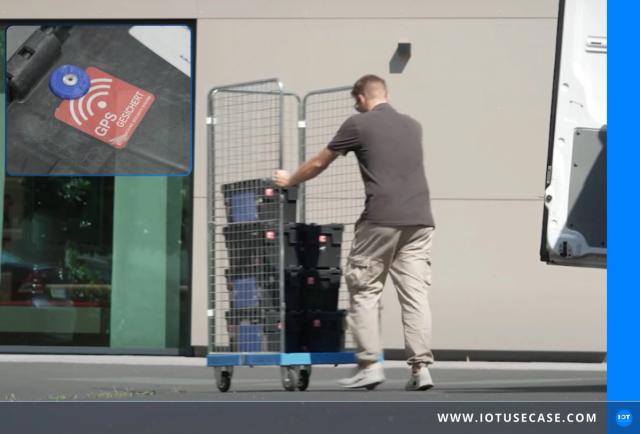

 Fraud and Loss PreventionAsset Tracking/ Track and Trace
When tracking is not enough: how IoT protects against theft during shipping
Aug 14, 2025Read more →
 Employee Safety
Network-independent emergency assistance: IoT-based solution for fast and precise supply
Nov 7, 2024Read more →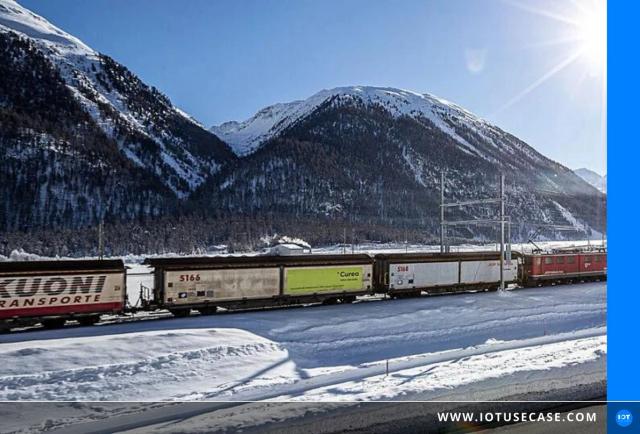
 Fleet ManagementAsset Tracking/ Track and Trace
Rhätische Bahn tracks freight wagons with Rail Insight from A1 Digital
Sep 14, 2023Read more → 
Deutsche Telekom IoT GmbH
European platforms8 solution examples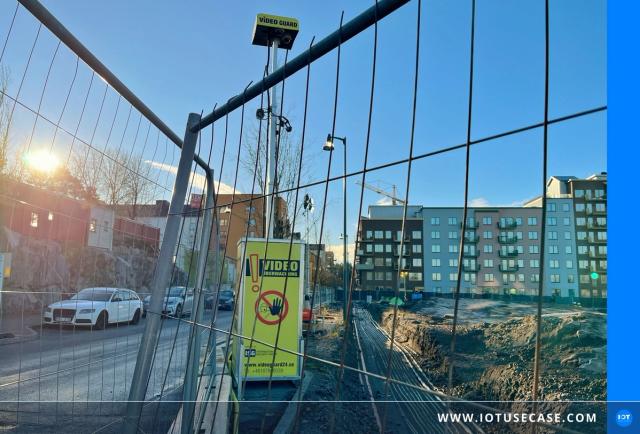

 Fraud and Loss Prevention
IoT monitoring with AI to reduce security costs on construction sites
Jan 12, 2026Read more →

 Condition MonitoringCorrective maintenanceEnergy Monitoring
Real-time monitoring – a Plug&Play retrofit for water networks
Sep 18, 2025Read more →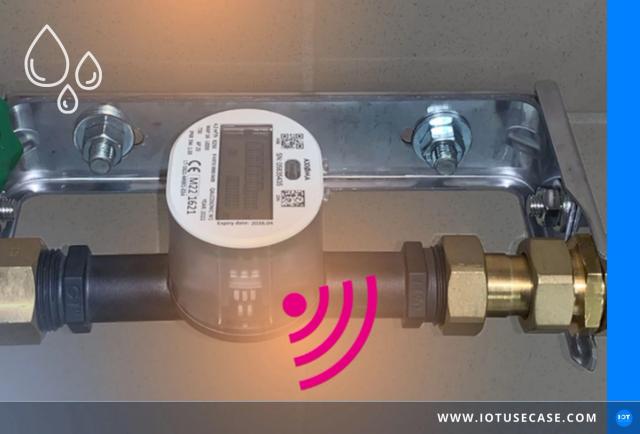
 Energy MonitoringDigital Documentation
Smart Metering: Embedded Connectivity for sustainable metering solutions
Aug 7, 2025Read more →
What it is used for
What they are used for, and with what
Based on these manufacturers' solution examples: the most common use cases and the technologies their solutions speak.
Use cases
What to look for
What sets European platforms apart
European platforms provide compute, storage, databases and IoT services from data centers in Europe, operated by companies headquartered in the EU or the European Economic Area. As a result, the stored data falls under European law. Several providers rely on open technologies such as OpenStack and Kubernetes, which makes a later switch easier. For IoT applications, they offer messaging, time series databases and container platforms on which companies run their own or purchased applications.
Examples from the network are Deutsche Telekom with the Open Telekom Cloud and A1 Digital, both of which offer cloud and IoT services from European data centers.
The buying reason: data sovereignty
European platforms position themselves explicitly as a GDPR-compliant alternative to the large US hyperscalers. The buying reason is different: it is less about the widest range of services and more about legal certainty and control over production, quality and engineering data. Demand is especially strong among operators of critical infrastructure, in the automotive industry and in pharma. Compared with manufacturer-owned or specialized platforms, European clouds mainly provide the infrastructure on which business applications run.
What to look for when choosing one
Important credentials are a BSI C5 attestation, ISO/IEC 27001 certification and clear information on data center locations and support staff. On the technical side, it matters which IoT services are ready to use, such as an MQTT broker or managed databases, and how easily edge devices and existing systems can be connected. It also helps to check Gaia-X compliance and the options for exporting data. In practice, a European cloud often hosts a vendor-neutral IoT platform that connects the devices and prepares the data.
A typical solution example is a manufacturer with several plants that wants to collect machine and quality data centrally but may not store it with a US provider because of customer requirements or confidentiality. It runs its IoT application on a European cloud, connects the plants through edge gateways and then uses the same data for dashboards, traceability and AI-based analytics.
Frequently asked questions about European platforms
Which European cloud providers are there?
European cloud providers come mainly from Germany, France, Austria and the Netherlands, including telecommunications groups, hosting companies and cloud subsidiaries of large retail groups. From the network, Deutsche Telekom with the Open Telekom Cloud and A1 Digital offer cloud services from European data centers. Credentials such as the BSI C5 attestation and the list of available IoT services help with the selection.
What is a sovereign cloud?
A sovereign cloud is a cloud service in which the customer keeps control over its data and only the law of its own jurisdiction applies. This includes data centers in Europe, operation by European staff, customer-controlled key management and protection against access by foreign authorities. Some US providers also offer sovereign variants, often through European partner companies.
What is a C5 attestation?
The C5 attestation confirms that a cloud provider meets the requirements of the Cloud Computing Compliance Criteria Catalogue (C5) published by Germany's Federal Office for Information Security (BSI). An independent auditor reviews the security, operations and transparency of the service. For companies with strict security requirements and operators of critical infrastructure, it is an important criterion when selecting cloud and IoT platforms.
What does the CLOUD Act mean for companies in Europe?
The CLOUD Act is a US law from 2018. It allows US authorities to request data from US cloud providers even when that data is stored in data centers outside the United States. For European companies, this can conflict with the GDPR. Companies that want to avoid this risk choose a provider without ties to a US parent company or a sovereign operating model with customer-controlled key management.
What is Gaia-X?
Gaia-X is a European initiative for a connected, secure and sovereign data infrastructure. It sets common rules and standards for how cloud providers and data spaces work together, covering transparency, interoperability and data protection. Industrial data spaces such as Catena-X build on Gaia-X principles. In them, companies share data along the supply chain in a controlled way.
On the podcast
Episodes with these manufacturers and their customers.
- #187Plan IoT security the right way: SIM ID, private APN and traffic analysisA1 Digital · Oct 1, 2025Listen
- #186Scaling IoT Worldwide – How Telekom Solves Hidden RisksDeutsche Telekom IoT GmbH · Sep 24, 2025Listen
- #152More Than Just Emergency Medicine – An Insight into the IoT Connectivity SolutionA1 Digital · medDV GmbH · Jan 15, 2025Listen
Related categories
More product categories on the same layer and the technologies solutions in this category connect through.