
Industrial Data Lake for Manufacturing and IoT Data
An industrial data lake is a central repository that keeps data from machines, sensors and IT systems in raw form, usually on low-cost object storage. The structure is applied only when the data is read. In the IoT stack it belongs to the storage layer and provides the data foundation for long-term analytics, reporting and training AI models.

Schmitz Cargobull 
Head of IT, Techem Gruppe
2 users from the network have already implemented this
Talk implementation with other users
In the user group, 300+ users discuss every month what worked in their projects and what they would do differently today. No vendors in the room, honest exchange under NDA.
Who offers it
Data lakes in practice
1 manufacturer from our partner network with 18 solution examples. Those with the most documented use in this category come first.
- Get in touch with Microsoft

Microsoft
Data lakes18 solution examples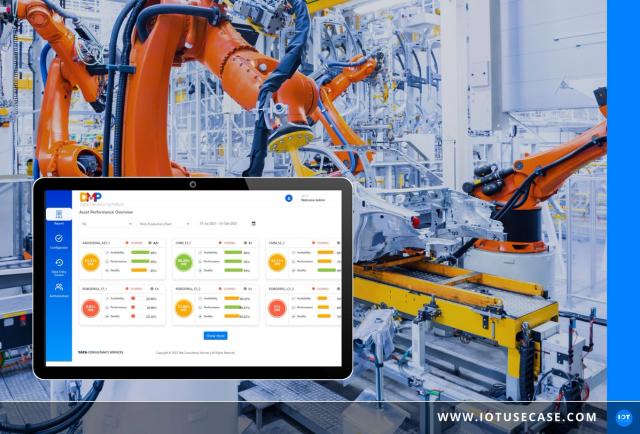


 Condition MonitoringPredictive MaintenanceTraceability
Azure Marketplace: TCS Digital Manufacturing Platform
Jun 22, 2023Read more →
 Condition MonitoringCorrective maintenanceDigital Documentation
Azure Marketplace: Rockwell Automation Industrial IoT platform
Jun 19, 2023Read more →
 Condition MonitoringCorrective maintenanceDigital Documentation
Azure Marketplace: Cognite Data Fusion
Jun 15, 2023Read more →
What it is used for
What they are used for, and with what
Based on these manufacturers' solution examples: the most common use cases and the technologies their solutions speak.
What to look for
What a data lake is and how it works
A data lake collects data from many sources in one place without forcing it into a fixed schema first. Sensor time series, machine states, log files, images from quality inspection and exports from ERP or MES sit side by side. Technically, a data lake usually runs on object storage such as S3-compatible storage or the data lake services of the major cloud providers; on-premises deployments may also use the distributed file system HDFS. Data is often stored in open columnar formats such as Parquet, with table formats such as Delta Lake or Apache Iceberg on top.
The principle is called schema-on-read: the structure is defined only when the data is analyzed. This keeps the data lake flexible for questions nobody had in mind when the data was collected.
Data lake vs. data warehouse, time series database and data hub
A data warehouse stores cleaned, structured data for reports and KPIs (schema-on-write). A data lakehouse combines both approaches and adds tables with transactional guarantees to the data lake. For fast queries during operations, such as shop floor dashboards, a time series database is the better fit. A data hub moves and translates data between systems but does not store it long term. The primary reason to buy a data lake is low-cost, long-term storage of large volumes of raw data.
What to look for when choosing one
Key criteria are integration with the integration layer, meaning whether IT/OT middleware, MQTT or Kafka streams can write directly into the data lake, and open data formats so analytics tools and AI platforms remain a free choice. Add access control, encryption, storage location and data sovereignty, lifecycle rules for older data and a data catalog with metadata such as asset, unit and timestamp. Without this context, a data lake quickly becomes hard to navigate.
In practice, companies collect process and quality data in a data lake over several years to find the causes of scrap, compare energy consumption or train predictive maintenance models. From the network, Microsoft offers cloud-based data lake storage.
Frequently asked questions about industrial data lakes
What is a data lake?
A data lake is a central data repository that holds structured and unstructured data in raw form. Instead of organizing the data into tables up front, the structure is defined when the data is analyzed. In manufacturing, it typically holds sensor time series, machine events, inspection images and exports from ERP or MES, which are later used for analytics and AI.
What is the difference between a data lake and a data warehouse?
A data lake stores raw data in any format, while a data warehouse stores cleaned, structured data in a fixed schema. The data lake is cheaper and more flexible and suits large volumes and AI training. The data warehouse delivers fast, reliable KPIs for reporting. Many companies use both: raw data in the data lake and aggregated metrics in the warehouse.
What is the difference between a data lake and a data lakehouse?
A data lakehouse is a data lake with an additional table layer that adds data warehouse capabilities. Open table formats such as Delta Lake or Apache Iceberg bring transactional guarantees, versioning and schema management to low-cost object storage. This allows reporting and AI workloads to run on the same data foundation without copying data into a separate warehouse.
What does a data lake architecture look like?
A data lake architecture usually consists of ingestion, storage, processing and serving. Data arrives via middleware, MQTT or Kafka and first lands unchanged in a raw zone. Cleaned and enriched zones follow, often in Parquet or table formats. A data catalog describes the origin and meaning of the data, and access policies control who may use which data sets.
What are examples of data lake use in manufacturing?
Typical examples are root cause analysis of scrap, comparing energy consumption across plants and training predictive maintenance models. The data lake combines sensor time series with quality, order and maintenance data from several years. Engineers and data scientists then query this pool with analytics tools or machine learning platforms without burdening the production systems.
On the podcast
Episodes with these manufacturers and their customers.
Related categories
More product categories on the same layer and the technologies solutions in this category connect through.