
Vendor-Neutral IIoT Platform for Machines and Plants
Vendor-neutral platforms are industrial IoT platforms without their own hardware. They connect sensors, controllers and machines from any manufacturer and provide device management, visualization, alerting and remote access. In the IoT stack, they are the layer where data from a mixed machine fleet comes together.

Project Manager Digital Engineering, Albrecht Bäumer GmbH & Co. KG 
Plant Manager, Storopack Hans Reichenecker GmbH 
Head of Development, SPALECK GmbH & Co. KG
3 users from the network have already implemented this
Talk implementation with other users
In the user group, 300+ users discuss every month what worked in their projects and what they would do differently today. No vendors in the room, honest exchange under NDA.
Who offers it
Independent platforms in practice
6 manufacturers from our partner network with 45 solution examples. Those with the most documented use in this category come first.
- Get in touch with Cumulocity GmbH

Cumulocity GmbH
Independent platforms19 solution examples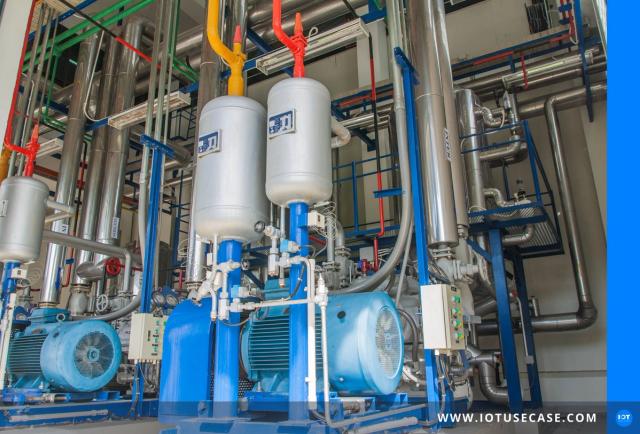


 Energy MonitoringDigital DocumentationSustainability (ESG)
From compressor to smart product – how data-driven services open new business fields in mechanical engineering
Aug 4, 2025Read more →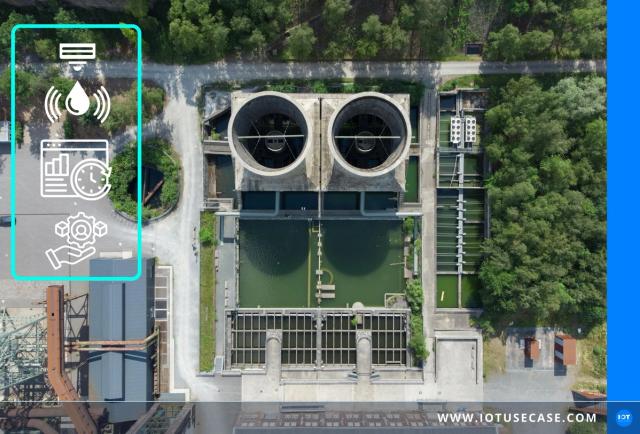 TraceabilityEnergy Monitoring
Real-time monitoring for smarter water management with Cumulocity
Jul 14, 2025Read more →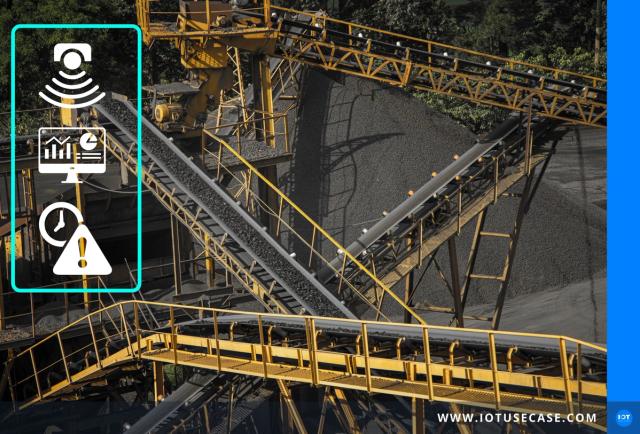
 Condition Monitoring
Asset management using conveyor systems as an example – scaling IoT without own platform development
Jul 14, 2025Read more → 
ENLYZE GmbH
Independent platforms9 solution examples


 Quality ManagementEnergy MonitoringDigital Documentation
Manufacturing data platform scales multiple use cases in food production
Nov 20, 2025Read more →

 Quality ManagementCondition Monitoring
Reducing scrap and CO2 in extrusion lines with machine data
Feb 5, 2026Read more →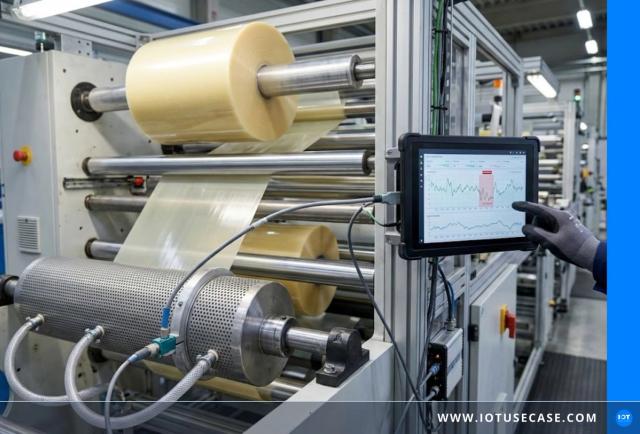 Quality Management
Reducing complaints in adhesive tape production through process data analysis
Jan 19, 2026Read more →
IXON
Independent platforms7 solution examples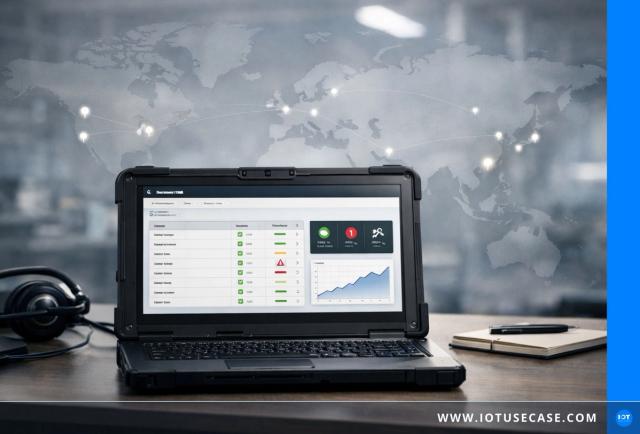





 Condition MonitoringCorrective maintenanceDigital Documentation
Digital service portal as a white-label solution
Feb 23, 2026Read more →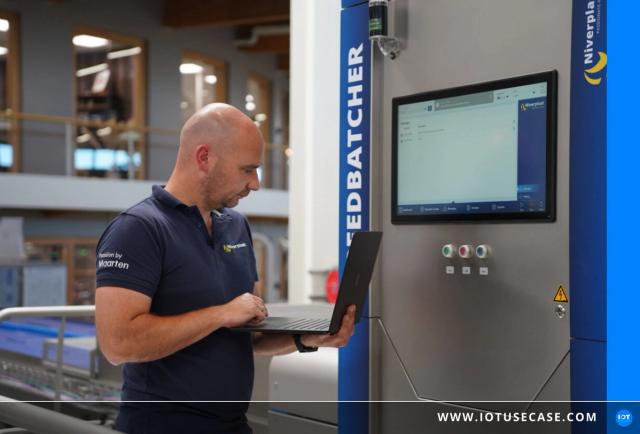

 Digital Documentation
How Niverplast uses IXON for logging data to AWS via MQTT
Jul 17, 2024Read more →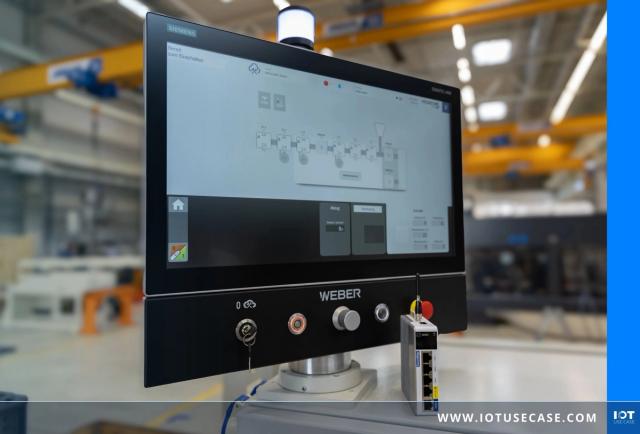
 Corrective maintenanceCondition Monitoring
Machine fleet growth: from remote access to a digital service offering
Hans Weber Maschinenfabrik uses the IXON Cloud to turn remote maintenance into a central service platform. Around 50 employees instead of 10 to 12 now work with data from 180 connected machines, and far more issues are resolved remotely.
Oct 5, 2026Read more →
Akenza AG
Independent platforms4 solution examples



 Condition Monitoring
Monitoring critical infrastructure in the Alps wire-free via LoRaWAN
Axpo monitors the 146-metre Limmernsee dam in the Swiss Alps with battery-powered LoRaWAN sensors. Readings on solar radiation, wind and temperature flow via akenza straight into finite-element simulations of how the concrete ages.
Sep 30, 2026Read more →
 Digital DocumentationEnergy Monitoring
Turning building data into instant answers with an AI assistant
Jun 25, 2026Read more →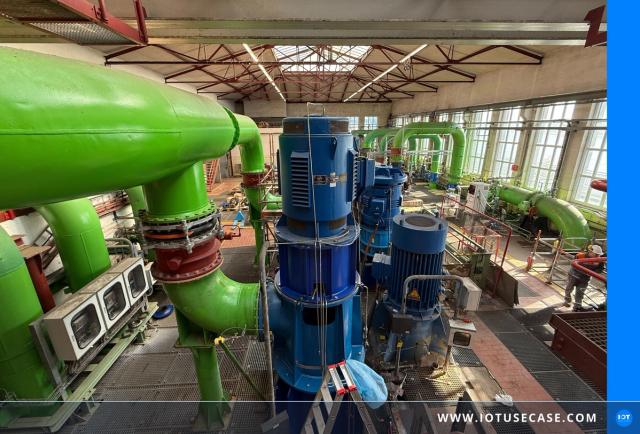


 Condition MonitoringPredictive Maintenance
Pump monitoring for predictive maintenance and reduced downtime
Apr 30, 2026Read more →
it-novum GmbH
Independent platforms4 solution examples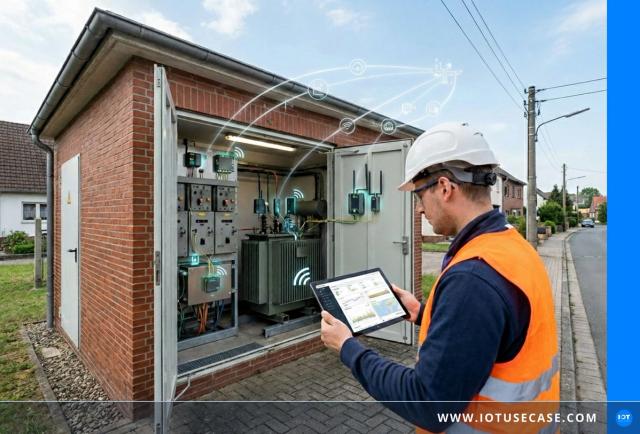




 Condition MonitoringEnergy Monitoring
Digital grid monitoring for low-voltage networks through an IoT platform
May 7, 2026Read more →
 Energy Monitoring
Energy monitoring as a digital service for municipal utilities
Mar 19, 2026Read more →
 Condition MonitoringCorrective maintenance
Managed Service: Self-service access to hydrogeological data
Mar 3, 2026Read more →
achtBytes GmbH
Independent platforms2 solution examples


 Condition MonitoringEnergy Monitoring
IoT retrofit for legacy equipment: efficiency boost through part counting and process optimisation
Mar 11, 2025Read more →
 Condition MonitoringCorrective maintenance
Detecting unused compressor runtimes and leakages with a scalable IoT platform
Nov 26, 2024Read more →
What it is used for
What they are used for, and with what
Based on these manufacturers' solution examples: the most common use cases and the technologies their solutions speak.
Use cases
What to look for
What vendor-neutral platforms deliver
A vendor-neutral industrial IoT platform connects to anything that delivers data: controllers via OPC UA, Modbus or Siemens S7, sensors via IO-Link or LoRaWAN, and gateways via MQTT. It manages devices and users, stores time series, provides dashboards and triggers alerts. Many platforms include remote access for service technicians, while others focus on data analytics or open interfaces to ERP and MES. They run as software as a service, in a cloud of choice or in your own data center.
Examples from the network are IXON, focused on remote access and a machine portal for machine builders, Cumulocity GmbH with an open IoT platform for device management and applications, and Akenza AG for quickly connecting sensors that use different wireless technologies.
How it differs from other platform types
Manufacturer-owned platforms go deep into one vendor's equipment but cover only that portfolio. Hyperscalers provide infrastructure from which companies build their own solution. Specialized platforms solve a single business problem. The vendor-neutral platform sits in between: ready-made functions, but open to every manufacturer. The main reason to choose one is to monitor and manage a mixed machine fleet through a single interface.
What to look for when choosing one
The first thing to check is the list of drivers and protocols: can the existing controllers and sensors be connected without custom development? Next come device management with remote software updates, role and multi-tenant management, security credentials and where the platform runs. The licensing model and open APIs also matter so that data does not stay locked in the platform. A short pilot with two or three typical machines quickly shows whether a platform fits.
A typical solution example is a machine builder that ships equipment with controllers from various manufacturers and supports it worldwide. Through a vendor-neutral platform, the service team sees all machines in one portal, uses remote access when faults occur and spots recurring errors through analytics. An operator with a mixed machine fleet uses the same kind of platform to compare key figures across all lines on one dashboard.
Frequently asked questions about vendor-neutral platforms
What is IIoT?
IIoT stands for Industrial Internet of Things: connecting machines, equipment, sensors and controllers in industrial settings. Their data is collected, transmitted over networks and analyzed in platforms for purposes such as condition monitoring, quality assurance or energy efficiency. A vendor-neutral IIoT platform is where data from devices made by different manufacturers comes together.
IIoT vs. IoT: what is the difference?
IIoT is the industrial branch of the Internet of Things. IoT covers any kind of connected device, while IIoT deals with machines, plants and infrastructure that have stricter requirements for availability, real-time behavior, service life and security. IIoT also involves industrial protocols such as OPC UA, Modbus or IO-Link and integration with systems such as MES and ERP.
How much does an IoT platform cost?
Most vendors charge by the number of connected devices, users or data volume, usually as a monthly subscription. On top of that come one-time costs for setup, connecting the machines and training. For pilots with a few devices, many vendors offer trial access or small starter packages. As the number of devices grows, the price per device usually falls.
Are there open source IoT platforms?
Yes. Several open source platforms cover device management, data storage and visualization and can run in your own data center or a cloud of choice. They save license costs and avoid dependence on a single vendor. In return, operation, updates and security are the responsibility of your own team. Many companies therefore use commercial support offerings built around the open source software.
What is a machine portal?
A machine portal is a web interface through which a machine builder and its customers see all delivered machines in one place. It shows status, alarms and key figures, brings together documentation and service history and often provides remote access for service teams. Vendor-neutral platforms offer such portals as a ready-made feature, even when the machines use controllers from different manufacturers.
On the podcast
Episodes with these manufacturers and their customers.
- #224Data Harmonisation with AIoT: What Do AI Agents Need for the Mapping?Cumulocity GmbH · Sep 23, 2026Listen
- #206From Condition Monitoring to Proactive Service in Mechanical EngineeringIXON · SPALECK GmbH & Co. KG · aiXbrain GmbH · Feb 18, 2026Listen
- #166Scaling Industrial IoT: Cumulocity as Strategic Growth PartnerCumulocity GmbH · Apr 30, 2025Listen
Related categories
More product categories on the same layer and the technologies solutions in this category connect through.