
Industrial AI Software and Manufacturing Analytics
Analytics and AI software evaluates the data that sensors and machines generate and platforms store. It detects patterns and anomalies, predicts failures or quality deviations and suggests optimizations. In the IoT stack it sits on the function layer, where measurements turn into decisions for production, maintenance and energy use.

Schmitz Cargobull 
CFL maintenance manager, Société Nationale des Chemins de Fer Luxembourgeois 
Co-Founder & CTO/CPO, Greenlyte Carbon Technologies 
Head of R&D, MARTIN GmbH für Umwelt- und Energietechnik 
Magna Exteriors (Meerane) GmbH, Manager Automation, Magna 
PLM-Innovation-Consultant, Liebherr-IT Services GmbH
8 users from the network have already implemented this (+2)
Talk implementation with other users
In the user group, 300+ users discuss every month what worked in their projects and what they would do differently today. No vendors in the room, honest exchange under NDA.
Who offers it
Analytics / AI software in practice
5 manufacturers from our partner network with 86 solution examples. Those with the most documented use in this category come first.
- Get in touch with Microsoft

Microsoft
Analytics / AI software20 solution examples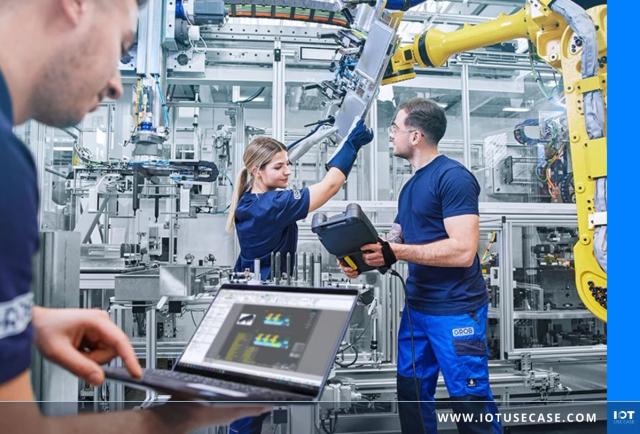


 Corrective maintenance
Consolidating project costs and machine data on one central data platform
GROB-WERKE and b.telligent consolidate project costs, forecasts and machine data in Microsoft Fabric. Reports now take seconds instead of manual work.
Sep 10, 2026Read more →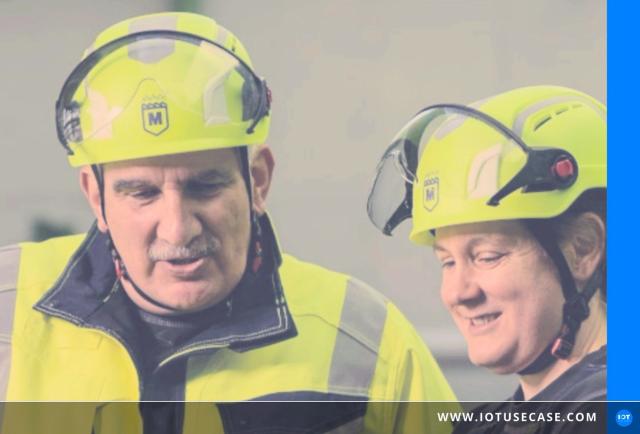





 Condition MonitoringSustainability (ESG)
Performance monitoring for modern waste-to-energy solutions
May 16, 2024Read more →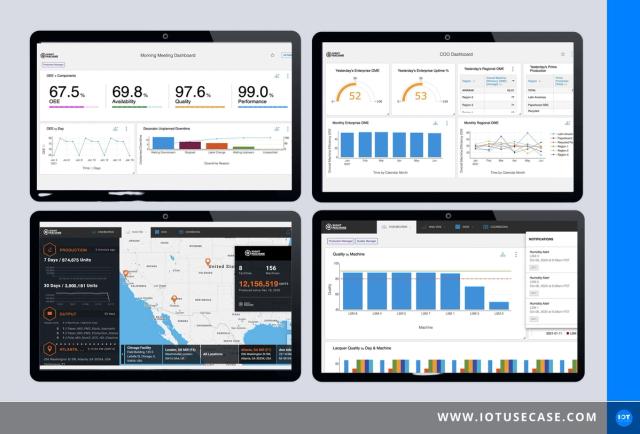

 Condition MonitoringCorrective maintenanceEnergy Monitoring
Azure Marketplace: Sight Machine on Azure
Jun 9, 2023Read more → 
Cumulocity GmbH
Analytics / AI software19 solution examples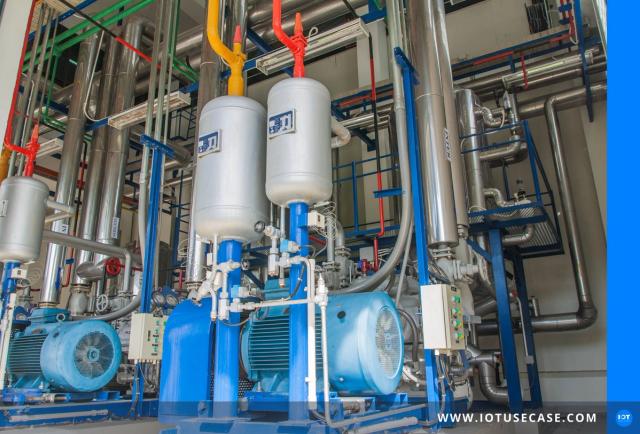


 Energy MonitoringDigital DocumentationSustainability (ESG)
From compressor to smart product – how data-driven services open new business fields in mechanical engineering
Aug 4, 2025Read more →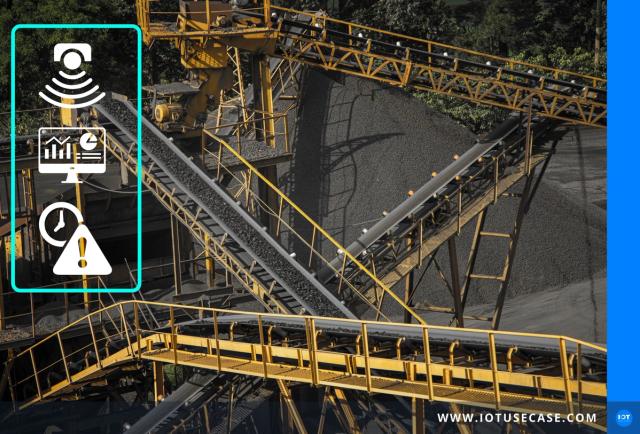
 Condition Monitoring
Asset management using conveyor systems as an example – scaling IoT without own platform development
Jul 14, 2025Read more → Quality ManagementDigital Documentation
IoT revenue of a network operator tripled – with device integration and vertical services
May 22, 2025Read more →
igus SE & Co. KG
Analytics / AI software9 solution examples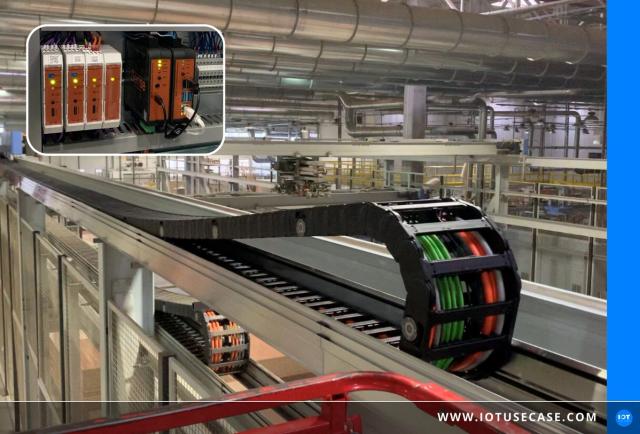

 Predictive MaintenanceCondition Monitoring
Complete indoor crane automation thanks to the i.Sense monitoring system
Jul 30, 2024Read more →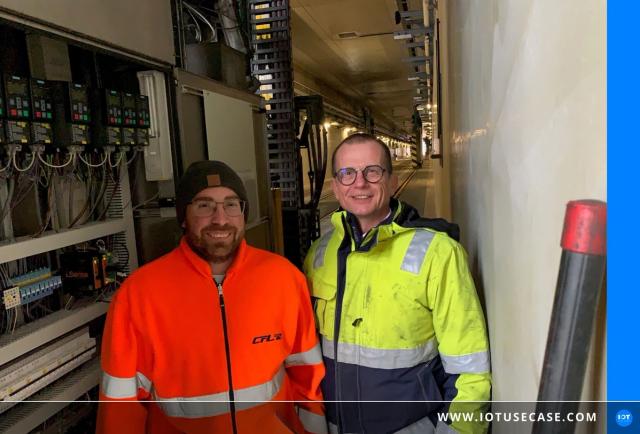

 Condition MonitoringPredictive MaintenanceFraud and Loss Prevention
Predictive maintenance of train washing stations
Feb 22, 2023Read more →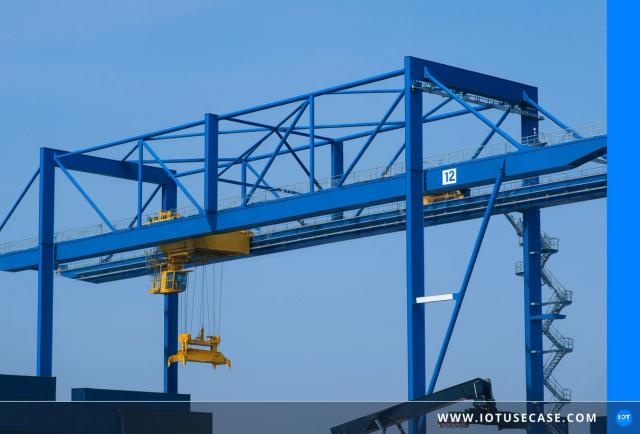 Condition MonitoringPredictive Maintenance
Extending the service life of energy chains in RMG cranes – with condition monitoring and predictive maintenance
Sep 2, 2025Read more →
ifm-Unternehmensgruppe
Analytics / AI software27 solution examples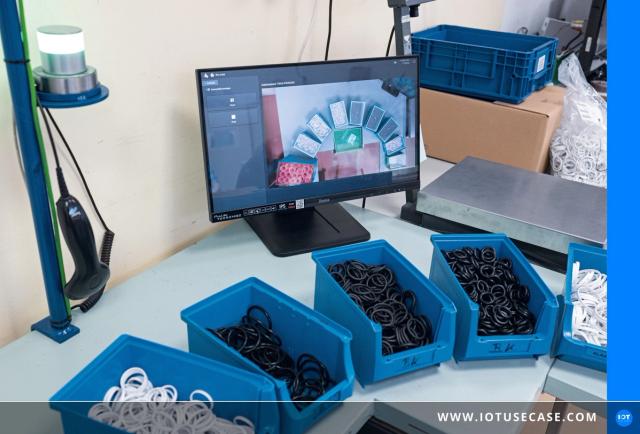

 Quality Management
The human hand as a sensor – worker assistance system with connection to ERP and server structures
Dec 19, 2022Read more →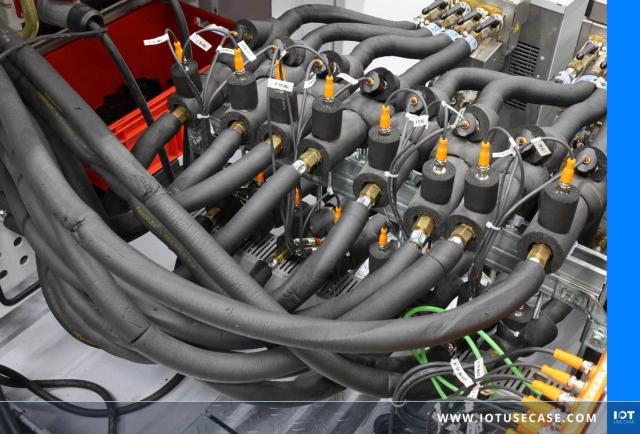


 Condition MonitoringEnergy Monitoring
Monitoring injection mould cooling via IO-Link to cut energy use
From gut feeling to hard data: at RAFI in Bad Waldsee, sensors and the moneo IIoT platform make the injection moulding process transparent. Temperatures, flow rates, compressed air and energy consumption are recorded, visualised and analysed continuously.
Sep 21, 2026Read more →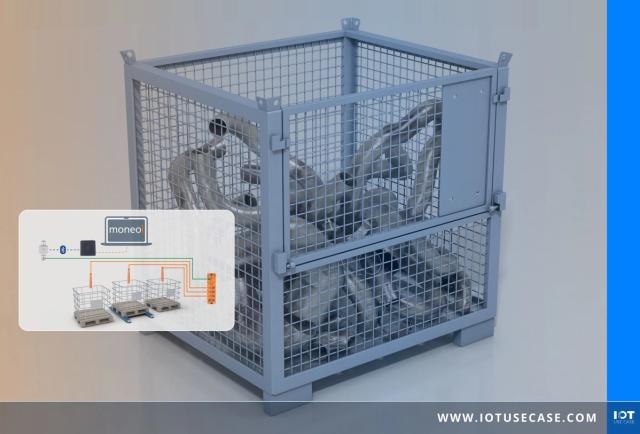 Condition MonitoringAsset Management
Precisely monitoring grid boxes with fill-level and weight sensing
Capture fill level and weight of mesh box pallets without any wiring: ifm sends the sensor data to moneo via Bluetooth Mesh and makes pickups plannable.
Sep 14, 2026Read more →
WAGO GmbH & Co. KG
Analytics / AI software11 solution examples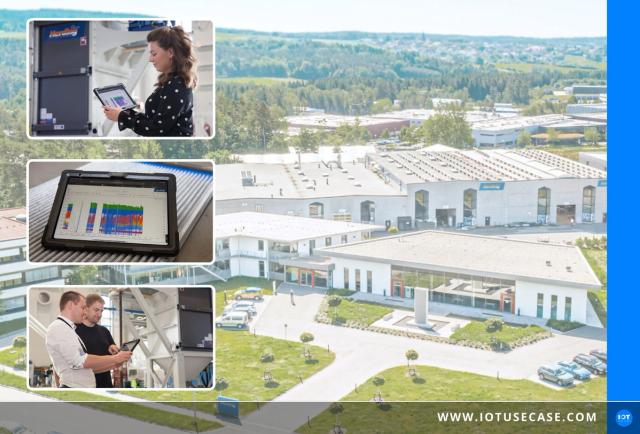



 Condition MonitoringDigital Documentation
Filter systems: monitoring and data management solution from practice
Aug 19, 2024Read more →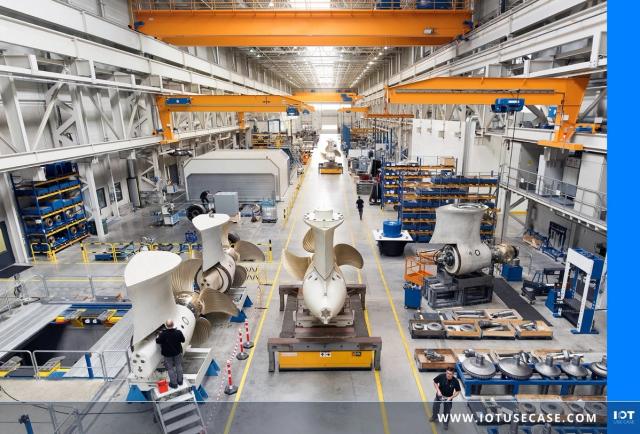

 Fraud and Loss Prevention
Cyber resilience for ship propulsion via certifiable OT security
Aug 3, 2026Read more →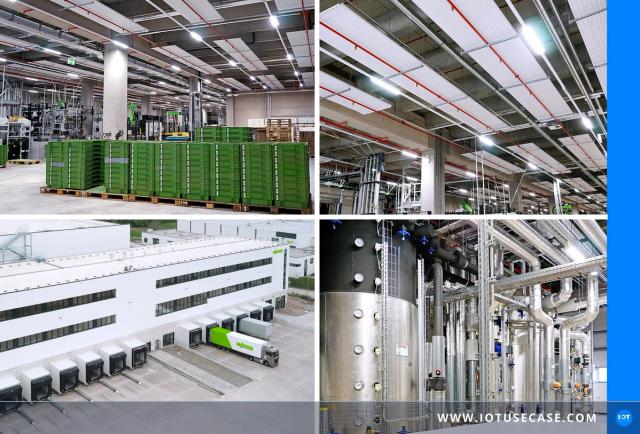
 Energy MonitoringSustainability (ESG)
Goodbye Chimney – Fossil-free logistics centre with IoT-based energy management
Jan 22, 2026Read more →
What it is used for
What they are used for, and with what
Based on these manufacturers' solution examples: the most common use cases and the technologies their solutions speak.
Use cases
- Early Detection of Damage in Condition Monitoring9 solution examples
- Temperature Measurement in Condition Monitoring9 solution examples
- Level and Distance Measurement in Condition Monitoring7 solution examples
- Vibration Monitoring in Condition Monitoring7 solution examples
- Automatic Spare Parts Ordering in Corrective Maintenance6 solution examples
What to look for
What analytics and AI software does
Analytics software makes production data readable: it condenses time series into metrics such as OEE, scrap rate or energy per unit and shows relationships in dashboards. AI software goes one step further. Machine learning models learn from historical data what a normal process looks like and flag deviations before they lead to scrap or downtime. Typical tasks include anomaly detection, forecasts for maintenance and quality, image analysis in inspection and the search for optimal process parameters.
Language models are a more recent addition: they combine machine data, manuals and fault history and answer questions from maintenance staff or shift supervisors in plain language. AutoML is also widespread: the software largely selects models and parameters on its own, so process experts can build first models without a dedicated data science team.
How it differs from platforms and condition monitoring
An IoT platform collects, stores and manages data, while analytics and AI software draws conclusions from it. Many platforms include basic analytics, but the primary purchase reason for this category is the analysis itself. Condition monitoring is a specific application focused on the health of individual components. Analytics and AI software works more broadly and links data from machines, processes, quality and energy.
What to look for when choosing
Access to data is decisive: which interfaces to the platform, historian or data lake are available, and how well is the data described? Without clean timestamps and context such as order, material or recipe, every model stays weak. Further criteria are operation in the cloud, on premises or at the edge, how understandable the results are for domain users, and the effort needed to train and maintain models. Examples from the network include ALD Vacuum Technologies with AutoML for plant and process data, and RIZM for energy decisions based on smart meter data. A clearly defined start has proven effective: one line, one question and a measurable target such as scrap or downtime. Only once the model works there does it pay to roll it out to other equipment. The solution examples show which data and models companies used to get started in practice.
Frequently asked questions about industrial AI software
What is industrial AI?
Industrial AI refers to machine learning methods applied to data from production, plants and logistics. They detect patterns in sensor and process data, predict failures or quality deviations and help set process parameters. Unlike office applications, the focus is on time series, images and physical relationships, and results must be understandable for experts working on the line.
What are examples of AI in manufacturing?
Common examples include detecting anomalies in machine data, maintenance forecasts, camera-based quality inspection and optimizing process parameters such as temperature or feed rate. Others are energy forecasts, order scheduling and assistant systems that search fault history and manuals. The solution examples in the network show which data each of these required.
What is AI visual inspection?
AI visual inspection uses cameras and trained image models to check parts for defects such as scratches, cracks, missing components or wrong positions. The model learns from labeled images what good and faulty parts look like and decides in real time on the line. Compared with rule-based image processing, it handles natural variation in surfaces better. Consistent lighting and enough examples of real defects are key.
What is manufacturing analytics software?
Manufacturing analytics software evaluates machine, process and quality data to improve output, quality and costs. It calculates metrics such as OEE, scrap rate and cycle times, shows causes of losses and increasingly uses machine learning for forecasts. It draws its data from IoT platforms, historians or data lakes and needs context such as order, material and shift to deliver reliable results.
How is AI used in manufacturing?
AI in manufacturing analyzes data from machines, processes and cameras to improve quality, availability and efficiency. Typical applications are anomaly detection, predictive maintenance, visual inspection, energy forecasts and the optimization of process parameters. It runs in the cloud, on premises or directly at the edge, depending on latency and data protection requirements. Clean, well-described data is the most important prerequisite.
On the podcast
Episodes with these manufacturers and their customers.
- #88Predictive Maintenance and Condition Monitoring for Washing Stationsigus SE & Co. KG · Société Nationale des Chemins de Fer Luxembourgeois · Feb 22, 2023Listen
- #50Manufacturer-independent sensor networking with CloudRail.Box and Azure IoT Hub | Schmitz CargobullCloudRail · Microsoft · Schmitz Cargobull · Sep 29, 2021Listen
- #213Direct Air Capture: From Pilot to Autonomous Industrial ScaleGreenlyte Carbon Technologies · ifm-Unternehmensgruppe · May 13, 2026Listen
Related categories
More product categories on the same layer and the technologies solutions in this category connect through.