
Richard Habering
Head of Business Unit igus® smart plastics

Get in touch with Richard Habering
Tell us briefly what it is about – we will pass your message on and make the introduction personally.
Solution Examples
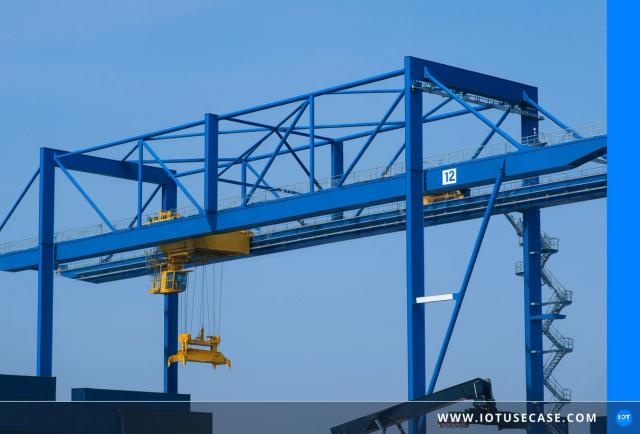



Extending the service life of energy chains in RMG cranes – with condition monitoring and predictive maintenance
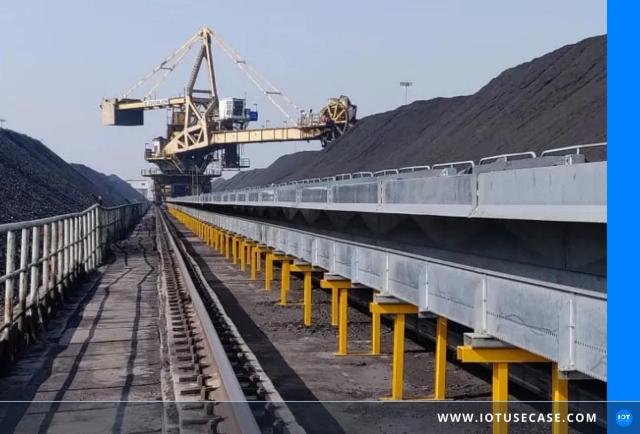

Safe bulk material conveying with energy chains and sensors in bucket wheel excavator
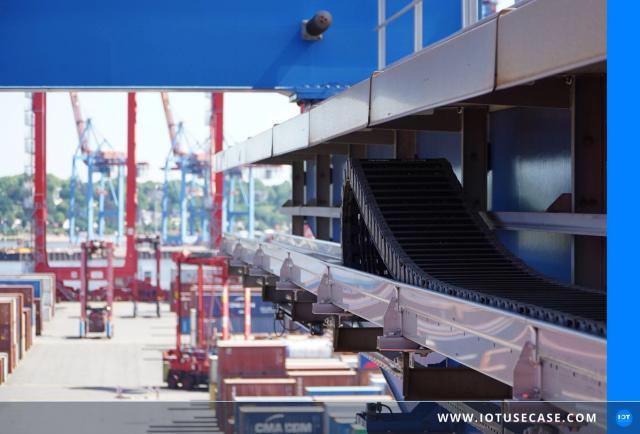

Energy chains ensure continuous operation of container cranes under extreme conditions
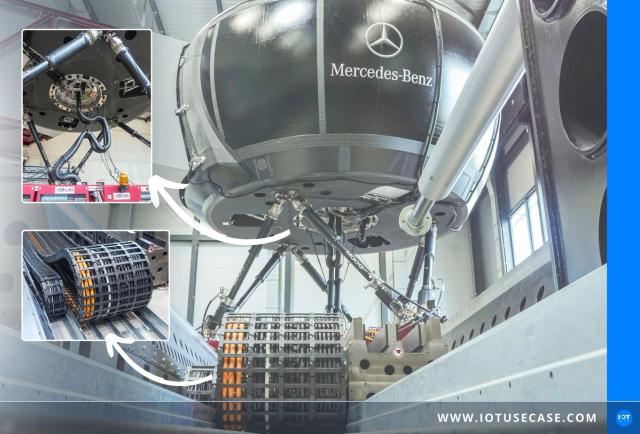
Intelligent break monitoring in 22-tonne automotive driving simulator
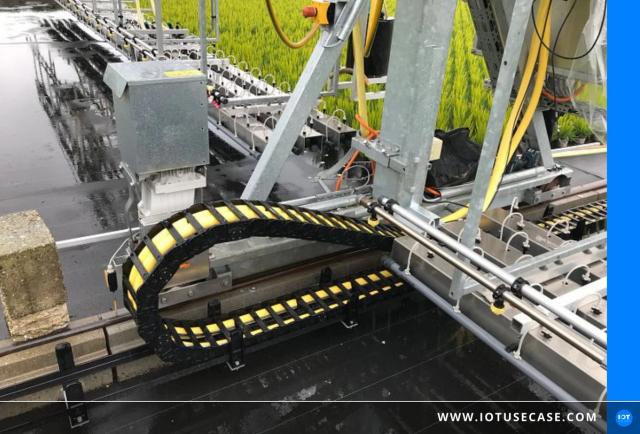


Agricultural technology: 60% water savings with energy chains and sensor technology
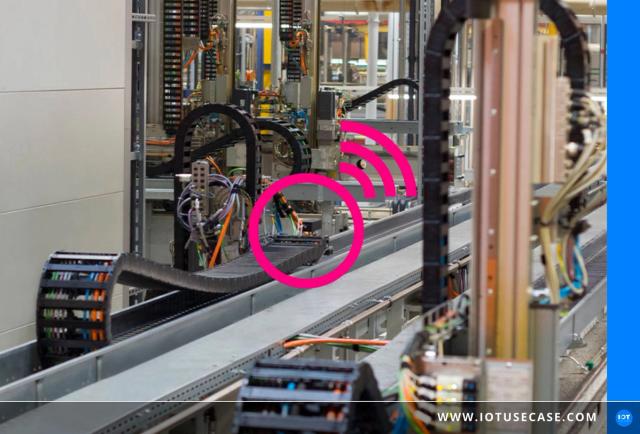
Intelligent energy chain systems optimise automotive production
Podcast Episodes
Exact Irrigation System: Saving > 60% Water through Energy Chains and Monitoring
Dercks Gartenbau irrigates potted plants in open fields at an industrial scale using an exact irrigation system that delivers water and fertilizer directly into the center of each pot. The starting point was recurring waterlogging, rising water and fertilizer consumption, and the need to use cultivation areas more efficiently. Key challenges included a travel distance of more than 200 meters, reliable supply of media and data in outdoor operation, obstacles along the travel path, cost pressure, and the requirement to avoid unplanned downtime. Technically, the irrigation system is supplied via an igus energy chain instead of dragging hoses across the field. Sensor technology (smart plastics) monitors push and pull forces for condition monitoring and serves as the basis for predictive maintenance. The solution combines energy chains, media lines, and condition monitoring sensors connected to monitoring and notification systems. The results are measurable: 60–70% water savings (down to roughly one third of previous consumption), reduced fertilizer runoff into groundwater, approximately 50% lower energy costs, and 9–10% improved land utilization. For IT and OT decision-makers, this use case demonstrates how IoT-based monitoring secures mechanical systems, enables predictable maintenance, and measurably reduces operating costs and environmental impact.
Condition monitoring in the crane industry: efficient cable routing and less downtime with energy chains
In this episode, we dive into the world of predictive maintenance for energy chains – a critical component in modern industrial systems. Smart sensors and intelligent algorithms continuously monitor the condition of these chains, helping to prevent failures before they happen. A key practical example comes from container ports, where crane downtimes are extremely costly. Richard explains how igus energy chains are equipped with sensors that check for anomalies in real-time, allowing companies to avoid unplanned outages. The challenges of implementing IoT solutions and the often hesitant acceptance at the production level are also openly discussed. In addition to fascinating insights into real-world applications, Richard shares his lessons from three years of IoT experience at igus and explains the role of artificial intelligence. He will also explain how AI-supported evaluations can help to further improve maintenance strategies. #superwise The Superwise system is a smart maintenance solution from igus that combines intelligent sensor technology with the internal CRM to enable proactive maintenance measures. This episode makes it clear: Predictive maintenance is no distant future concept—it’s already a reality, providing companies with significant advantages in terms of efficiency and cost savings.
Predictive Maintenance and Condition Monitoring for Washing Stations
The train wash station of Luxembourg’s national railroad company (french abbreviation: CFL) cleans local and long-distance trains daily in its 200-meter-long wash hall. So-called energy chains are used so that the wash trolleys can travel on both sides of a train. These energy chains safely guide all hoses and lines for energy, compressed air, water and cleaning agents back and forth. Malfunctions and failures of these chains are extremely costly and lead to interruptions in the operating process or even to plant breakdowns. Train runs have to be postponed or cancelled. In this podcast episode, we talk about how CFL is now applying a solution that overcomes this challenge. Today, energy chains from igus are used together with intelligent sensor technology that monitors the condition of the system and maintains it in a predictive manner. How exactly are these failures prevented? Which components were to blame for the failure? How and with which tools was the whole project approached? And how are things going at the moment? Episode 88 of the IoT Use Case Podcast features these answers directly from CFL Maintenance Manager Mike Feinen. He tells how the team initiated a modernization program and implemented it together with their chosen partner igus – represented here by Richard Habering, Head of Business Unit igus® smart plastics. Smart solutions for condition monitoring and predictive maintenance – extending product runtimes & maintenance costs – a more efficient and environmentally friendly train wash station.