
Digital Twin Software and Digital Product Passport
A digital twin is the digital representation of a machine, plant or product, including master data, live data and history. The digital product passport is a standardized subset that makes origin, materials, repairability and recycling information available along the supply chain. Software in this category creates, manages and shares both, often based on the asset administration shell.

Director Ecosystem ctrlX World, Bosch Rexroth AG 
Schmitz Cargobull 
Head of IT, Techem Gruppe
3 users from the network have already implemented this
Talk implementation with other users
In the user group, 300+ users discuss every month what worked in their projects and what they would do differently today. No vendors in the room, honest exchange under NDA.
Who offers it
Digital twin & product passport in practice
3 manufacturers from our partner network with 26 solution examples. Those with the most documented use in this category come first.
- Get in touch with Microsoft

Microsoft
Digital twin & product passport19 solution examples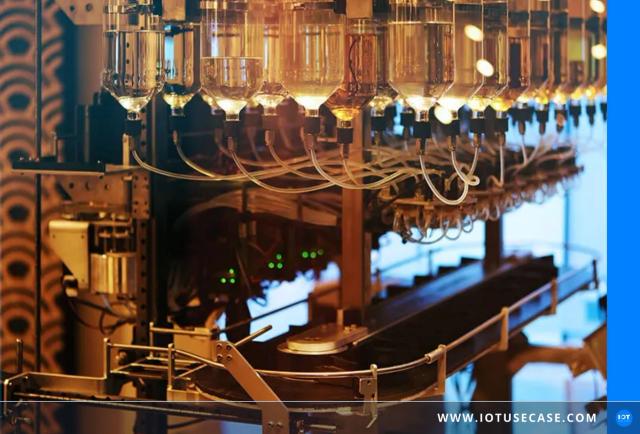



 Condition MonitoringCorrective maintenanceQuality Management
Lifetime monitoring solution for pump testing
May 27, 2025Read more →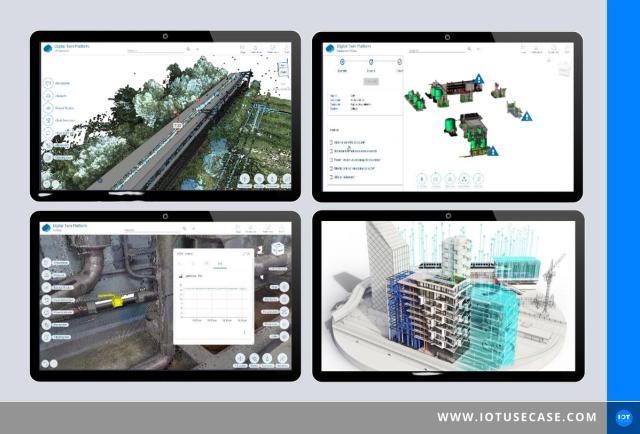



 Condition MonitoringCorrective maintenanceDigital Documentation
Azure Marketplace: Capgemini Reflect IoD
May 9, 2023Read more →
 Condition MonitoringPredictive MaintenanceEnergy Monitoring
Azure Marketplace: TwinWorX® – Centralized Monitoring and Control of Facilities
Apr 25, 2023Read more → 
XITASO GmbH
Digital twin & product passport4 solution examples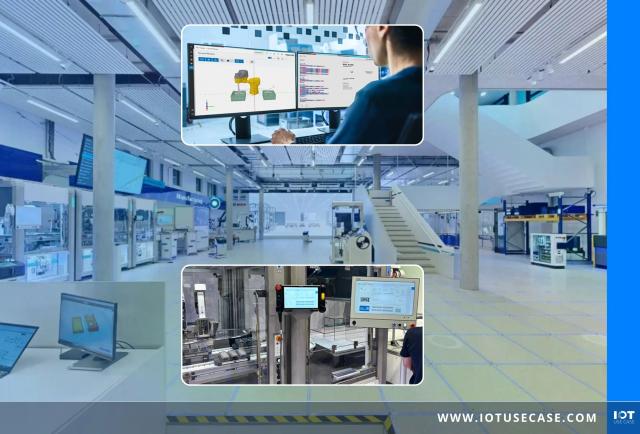





 Condition MonitoringTraceability
Reconfiguring production lines flexibly with the asset administration shell
At the Bosch Rexroth model factory, the Asset Administration Shell connects machines in a standardised way. XITASO adds brownfield machines with a function block.
Sep 4, 2026Read more →
 Digital DocumentationPredictive MaintenanceQuality Management
Capturing expert knowledge in production with AI assistance systems
Sep 16, 2025Read more →

Secure product development in mechanical engineering with DevSecOps
Jul 28, 2025Read more →
KURZ Digital Solutions GmbH & Co. KG
Digital twin & product passport3 solution examples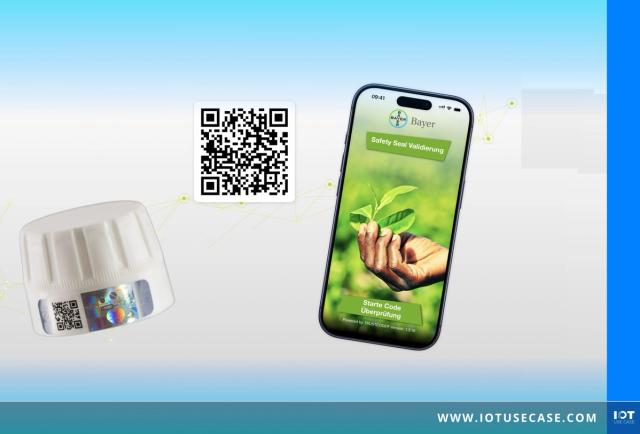


 TraceabilityFraud and Loss PreventionDigital Documentation
Digital Product Passport via QR Code: Connecting Compliance and Service
Aug 11, 2026Read more →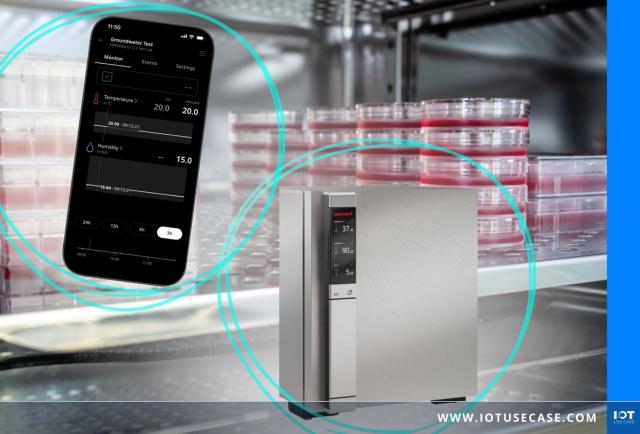
 Condition MonitoringCorrective maintenance
IoT retrofit creates digital services for legacy devices
Memmert connects its climate and temperature control devices with the IoT retrofit by KURZ Digital. Legacy devices can now be monitored remotely via app.
Sep 15, 2026Read more →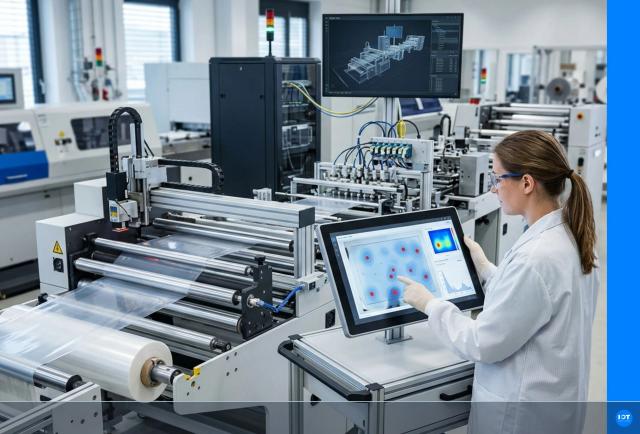 Quality Management
Process data analysis reveals the causes of scrap
Jun 26, 2026Read more →
What it is used for
What they are used for, and with what
Based on these manufacturers' solution examples: the most common use cases and the technologies their solutions speak.
Use cases
- Structured access to files and documents3 solution examples
- Digital Nameplates and Product Data Sheets2 solution examples
- Track cycle times, utilization, and throughput2 solution examples
- Early Detection of Damage in Condition Monitoring1 solution example
- Early Detection of Damage in Corrective Maintenance1 solution example
What to look for
Digital twin and product passport
A digital twin brings together everything known about a physical object: technical data, documentation, configuration, current operating data and the history of maintenance and changes. Depending on the purpose, it ranges from a structured product record to a simulation-ready model of an entire production line that lets teams test processes in advance. In the Industry 4.0 context, the asset administration shell (AAS, IEC 63278) is the standard for describing such twins in a machine-readable, vendor-neutral way.
The digital product passport (DPP) is a legally required part of this. The EU Ecodesign for Sustainable Products Regulation (ESPR) requires products to carry digital information on materials, origin, repair and recycling, accessible for example via a QR code. Delegated acts for each product group define which data is required and from when. The first passport to apply is the battery passport under the EU Battery Regulation. In practice, a twin often grows step by step: first nameplate and documentation, then operating data and finally sustainability data for the product passport.
How it differs from platforms and integration products
IoT platforms and IT/OT integration products transport and store data. Software for digital twins and product passports gives this data a standardized structure and makes it usable for customers, suppliers and authorities. The primary purchase reason is therefore data exchange across company boundaries, for example for Manufacturing-X or compliance with EU requirements.
What to look for when choosing
Important points are support for the asset administration shell and its submodels, interfaces to ERP, PLM and the IoT platform, and access and role concepts so that each party sees only the data intended for it. For the product passport, unique identifiers, data carriers such as QR codes or RFID, and the connection to suppliers who provide material data all matter. Examples from the network include XITASO with Mnestix for the asset administration shell, KURZ Digital Solutions for the digital product passport and SYNAOS for digital twins in production and intralogistics. The solution examples show how companies got started.
Frequently asked questions about digital twin software
What is a digital twin?
A digital twin is the digital representation of a physical object such as a machine, plant or product. It contains master data and documentation, current operating data from sensors and the history of maintenance and changes. This makes it possible to analyze condition and behavior, simulate processes and share data with partners. In industry, it is often described in a standardized way using the asset administration shell.
What is the EU digital product passport?
The EU digital product passport is a digital record that provides information on a product's materials, origin, repairability and recycling, typically accessible via a QR code. It is based on the Ecodesign for Sustainable Products Regulation (ESPR), in force since July 2024. Requirements apply product group by product group through delegated acts. The battery passport under the EU Battery Regulation is the first to become mandatory, from February 2027.
What are the digital product passport requirements?
Requirements depend on the product group and are set in delegated acts under the ESPR. In general, each product needs a unique identifier, a data carrier such as a QR code, and data that may cover materials, substances of concern, environmental footprint, repair and recycling, depending on the product group. Access must be role-based, so customers, repairers and authorities each see the information intended for them. The passport must remain available for the period set in the delegated act.
How does the asset administration shell relate to digital twins?
The asset administration shell (AAS, IEC 63278) is the standard for describing an industrial digital twin in a vendor-neutral way. It organizes an asset's data into submodels, for example for nameplate, technical data, documentation or carbon footprint. Because each submodel has a uniform structure, systems from different vendors can read the data without custom interfaces. Many digital product passport solutions are also built on it.
How do you choose digital twin software?
Start with the purpose: documentation and data exchange, simulation of processes, or live monitoring of plants. Then check support for standards such as the asset administration shell, interfaces to ERP, PLM and IoT platforms, and access control for sharing data with partners. Scalability across many assets and the effort needed to model them matter as well. Solution examples help to compare approaches that work in practice.
On the podcast
Episodes with these manufacturers and their customers.
- #218Asset Administration Shell in the Model Factory: Reconfiguring Production Lines FlexiblyXITASO GmbH · Bosch Rexroth AG · Jul 15, 2026Listen
- #165Protecting Digital Products – Security Best Practices from XITASOXITASO GmbH · Apr 23, 2025Listen
- #90Energy-efficient buildings through IoT data analyticsMicrosoft · Techem Gruppe · Mar 8, 2023Listen
Related categories
More product categories on the same layer and the technologies solutions in this category connect through.