RFID Technology Solutions
- 2 verified partners
- 4 solution examples online
- More in our database
- 9 industries
People with RFID experience in the network
Users and contacts at our partners who have used this technology in their projects. Open a profile to get in touch directly.





What RFID is used for in industry and logistics
Automatic asset identification without manual entry
A reader identifies load carriers, tools or components as they pass by, without line of sight and without anyone scanning. This saves time and eliminates typing errors in booking.
Traceability in production and logistics
Every station a part passes through is recorded automatically. This makes it possible to prove later exactly when and where each component was processed, for example for complaints or audits.
Warehouse management and tool tracking
Inventory and tools are counted in seconds through bulk reading instead of hours by hand. Parts and tools are found faster, and losses are noticed earlier.
What is RFID?
RFID (Radio Frequency Identification) identifies objects by radio. A transponder, also called a tag or label, carries a unique ID and optionally further data. A reader powers passive tags through its radio field and reads them without line of sight and without a battery in the tag. Range and use cases differ considerably by frequency band: LF (125 to 134 kHz) for a few centimetres, HF (13.56 MHz, related to NFC) up to about one metre, and UHF (865 to 868 MHz in Europe) for several metres and reading many tags at once.
How RFID is used in the IIoT
In industry, RFID links physical objects to their digital data. Typical applications include identifying load carriers and containers in material flow, tracing components through production, identifying tools at the machine, stocktaking in the warehouse and automatic booking at goods receipt. RFID readers with IO-Link, Profinet or OPC UA interfaces pass the IDs they read directly to the controller or MES, so each read automatically triggers or documents a process step.
RFID, barcode or real-time location?
A barcode or QR code is cheaper but needs line of sight and is scanned one at a time. RFID reads without line of sight, even through packaging, and in the UHF band captures many objects at once. RFID only tells you that an object passed a read point, though. If you need to know where something is in the hall right now, you need real-time location with UWB or Bluetooth. The omlox standard connects both worlds.
How an RFID system is structured
An RFID system consists of tags on the objects, antennas at the read points, a reader and software that assigns the IDs read to a process. Read points sit where objects move: at gates, conveyors, shelves, machine stations or as a handheld reader with the operator. Middleware filters duplicate reads and passes only relevant events to the ERP, MES or WMS. Depending on type, tags can be written once or multiple times, for example with test data or production parameters.
What to consider when choosing
The frequency band follows from the application: short-range tool identification points to HF or LF, bulk reading of pallets and containers to UHF. Metal and liquids interfere with the radio field, which is why special on-metal tags exist. Read rates depend heavily on antenna position, tag orientation and environment and should be tested on site before rollout. Finally, integration matters: a read point only adds value once its data reaches the ERP, MES or WMS.
Solution examples
9 online · more in the databaseFunctional area
Industry
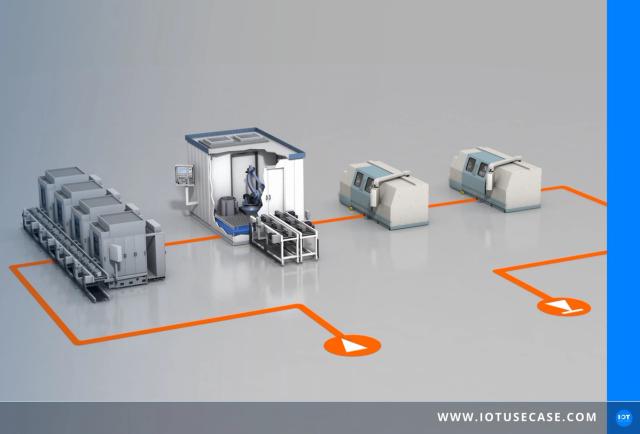




Track production orders in real time with RFID and moneo Track & Trace





Optimised machine tracking with industrial IoT
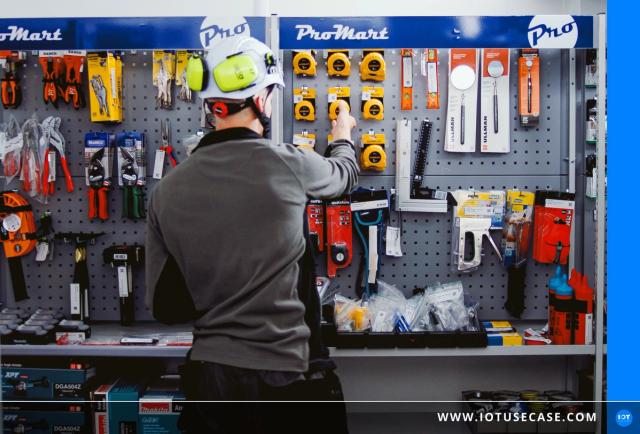


Building site: replenishment management without personnel deployment
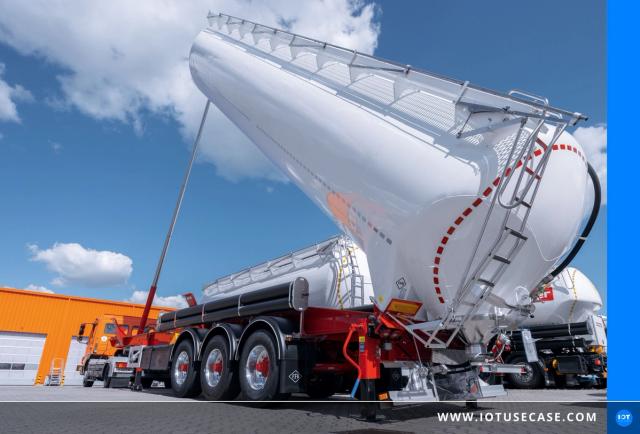


Silo transport digitized: more efficient, safer and more convenient unloading
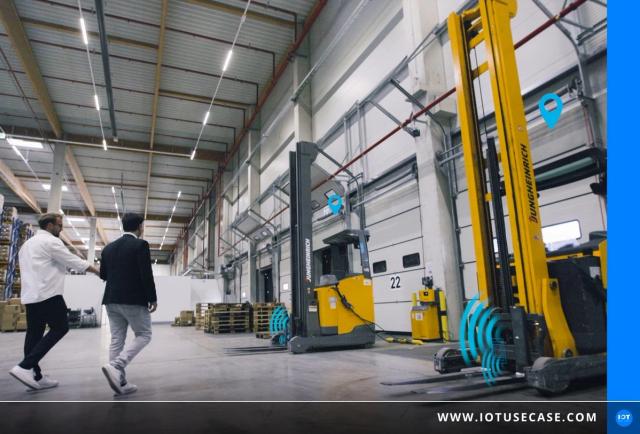



40% process acceleration in the warehouse with IoT
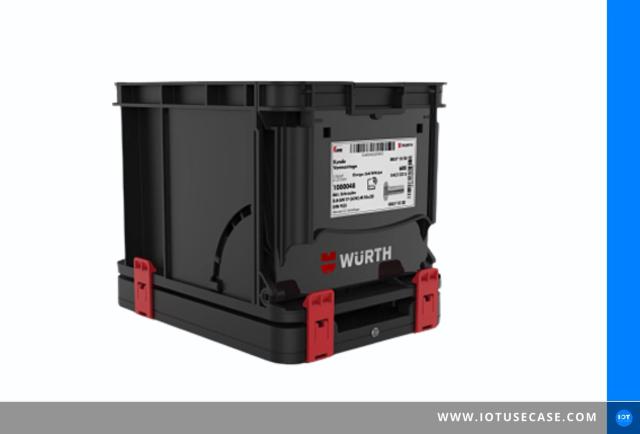


Logistics: automated C-parts management with tangible added value
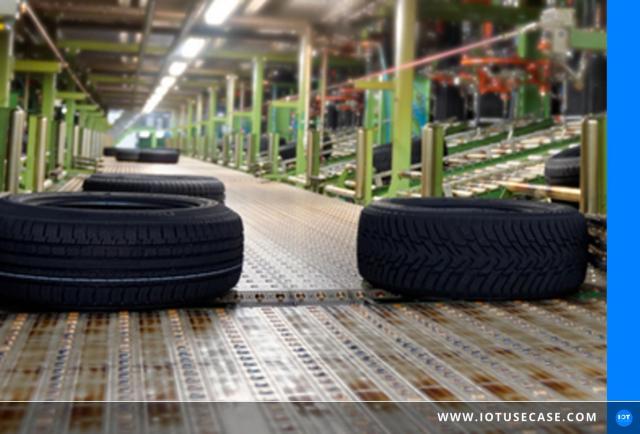



RFID tracking in production avoids errors






Flexible charging solutions with data exchange via the industrial IoT
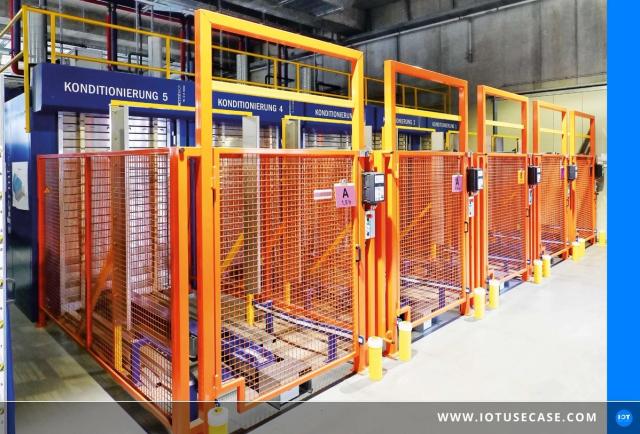




Tracking of transport carts in production
User Group
RFID is a topic in the Tech Round (OT/IT/IIoT decision-makers)
300+ practitioners discuss specific questions from their projects every month, including about RFID. No vendors in the room, honest exchange under NDA. Personal introductory call before admission.
Join the waiting list →Use cases implemented with RFID
Item tracking throughout the supply and manufacturing chain
4 solution examples →
Digital tracking of products and processes
3 solution examples →
Seamless control throughout production
3 solution examples →
Digitized Order Management
2 solution examples →
Inventory Management
2 solution examples →
Inventory Management and Reorders
2 solution examples →
Object Localization in the Industrial IoT
2 solution examples →
Optimize your supply chain (batch traceability)
2 solution examples →
Precise real-time inventory monitoring
2 solution examples →
Companies implementing RFID
2 verifiedVendors and integrators whose RFID projects you can find in our solution examples.


Podcast episodes on RFID
11 episodesFrom the IoT Use Case Podcast, newest first. Each episode opens its own page with audio, summary and transcript.
- #223IO-Link to MQTT: Connecting Sensor Data Without Touching the ControllerTURCK GmbH · 39 min · Sep 2, 2026To the episode
- #138 UWB: Real-Time Localization and Tracking of Goods Carriers – Inside and Outside of ElectroplatingSICK AG · C. Jentner GmbH · 34 min · Aug 28, 2024To the episode
- #125Pioneers in the construction industry: IoT-controlled fleet managementDeDeNet · 36 min · Mar 20, 2024To the episode
- #94OPC UA in Practice – About Connecting Old and New Systems and the Context of DataOPC Foundation · 48 min · Mar 30, 2023To the episode
- #73Digital Transformation in the Supply Chain – With SAP and omlox to Open Source and Technology-Independent SolutionsSICK AG · 33 min · Jul 27, 2022To the episode
More technologies: Connectivity, wireless & positioning
All Technology Solutions →These technologies get data from where it is generated onto the network and show where things are. The right choice depends on range, data volume, power consumption and positioning accuracy.