What UWB is used for
Real-time location with centimetre accuracy in production
UWB typically locates tags to within 10 to 30 centimetres and updates the position several times per second. This shows which workstation a workpiece is currently at or which screwdriver is working on which component.
Indoor positioning of assets and people where GPS does not work
There is no GPS signal inside halls and buildings. UWB anchors on ceilings or walls take over this task and deliver real-time positions of forklifts, load carriers and people.
What is UWB?
UWB (ultra-wideband) is a radio technology that sends very short pulses across a wide frequency spectrum, in Europe in the range of about 6 to 8.5 GHz. From the travel time of these pulses between a tag and fixed anchors, distance can be determined very precisely. As a result, UWB locates objects and people inside buildings typically to within 10 to 30 centimetres and updates the position several times per second. It is based on the IEEE 802.15.4z standard, and the FiRa Consortium drives interoperability. Many current smartphones also have a built-in UWB chip.
How UWB is used in the IIoT
UWB is the technology of choice when the position must be accurate enough to distinguish a specific workstation, parking space or shelf compartment. Typical applications are tracking workpieces and load carriers through production, automatic booking when placed on a storage location, locating forklifts and tugger trains for material flow analysis, tool-based process control in which a screwdriver is only enabled at the right component, and collision protection between vehicles and people. Search times for tools and fixtures also drop significantly.
How a UWB location system is structured
A UWB system consists of battery-powered tags on the objects, anchors on ceilings and walls spaced typically a few tens of metres apart, and a location engine that calculates the position from the measurements. Two methods are common: with TDoA (time difference of arrival), the tag transmits and synchronised anchors measure the arrival times, which saves energy in the tag. With TWR (two-way ranging), tag and anchors exchange messages. Positions go via MQTT, REST or an omlox hub to MES, warehouse management or visualisation.
UWB or BLE?
BLE is cheaper and more power-efficient, but with the usual signal strength measurement only achieves an accuracy of a few metres. UWB is an order of magnitude more accurate and more robust against reflections from metal, but more expensive in tags and infrastructure. As a rule of thumb: if you want to know which zone something is in, use BLE; if you want to know exactly which spot, use UWB. With omlox, both systems can be combined on one shared map.
What to consider when choosing
The accuracy and update rate you actually need are decisive, because both determine anchor density, battery life and cost. Metal shelving and machines can block the line of sight between tag and anchors, so radio planning with an on-site test is essential. Further factors are mounting and power supply for the anchors, tag robustness in daily production, integration with existing systems, and whether the components are omlox-compatible to keep later vendor changes open.
Solution examples
4 online · more in the databaseFunctional area
Industry
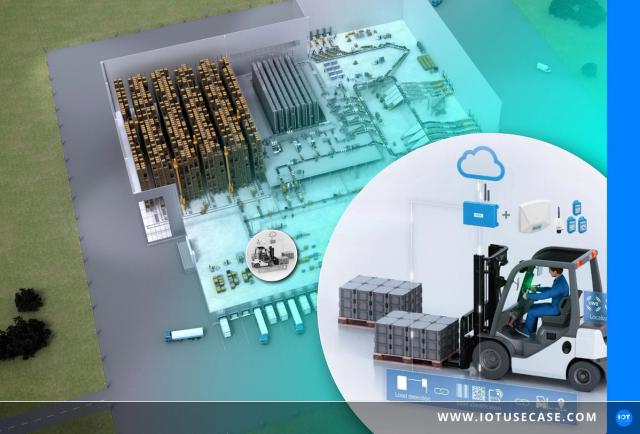




Automatic load tracking with 1D/2D codes and cameras
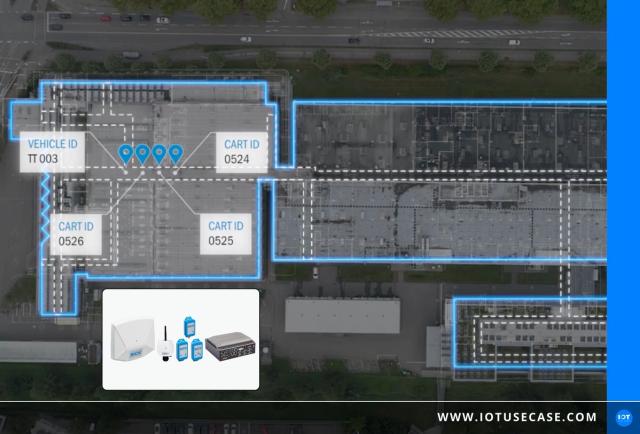
Localisation systems, geofencing and real-time data in production control
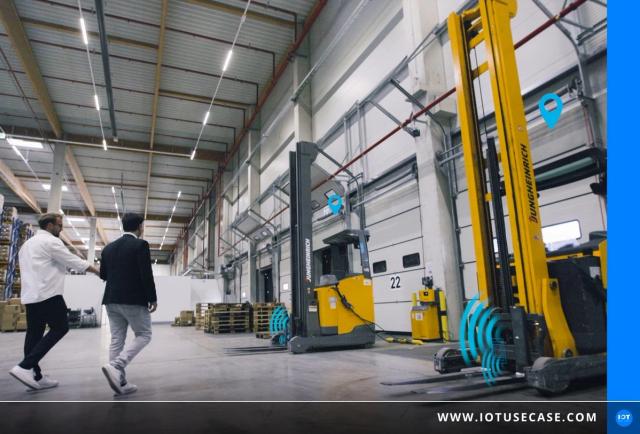



40% process acceleration in the warehouse with IoT
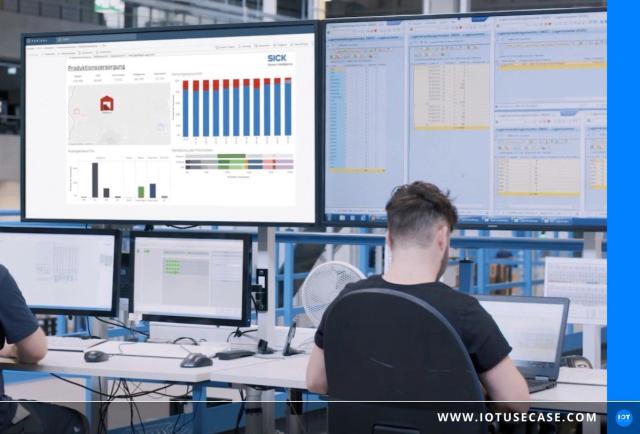

Track material flow and improve OEE by 20 percent
User Group
UWB is a topic in the Tech Round (OT/IT/IIoT decision-makers)
300+ practitioners discuss specific questions from their projects every month, including about UWB. No vendors in the room, honest exchange under NDA. Personal introductory call before admission.
Join the waiting list →Use cases implemented with UWB
Item tracking throughout the supply and manufacturing chain
4 solution examples →
Precise real-time inventory monitoring
4 solution examples →
Object Localization in the Industrial IoT
3 solution examples →
Digital Goods Receipt with Real-Time Data
2 solution examples →
Inventory Management
2 solution examples →
Route Optimization and Route Planning
2 solution examples →
Audits and Reportings
1 solution example →
Digital tracking of products and processes
1 solution example →
Digitized Order Management
1 solution example →
Podcast episodes on UWB
3 episodesFrom the IoT Use Case Podcast, newest first. Each episode opens its own page with audio, summary and transcript.
- #138 UWB: Real-Time Localization and Tracking of Goods Carriers – Inside and Outside of ElectroplatingSICK AG · C. Jentner GmbH · 34 min · Aug 28, 2024To the episode
- #73Digital Transformation in the Supply Chain – With SAP and omlox to Open Source and Technology-Independent SolutionsSICK AG · 33 min · Jul 27, 2022To the episode
- #66Search less – find more | Open source technology masters cost pressure in logisticsINTRANAV an Inpixon company · TB International GmbH · 35 min · May 25, 2022To the episode
More technologies: Connectivity, wireless & positioning
All Technology Solutions →These technologies get data from where it is generated onto the network and show where things are. The right choice depends on range, data volume, power consumption and positioning accuracy.