Proven IoT SIM Cards and eSIM for Devices, Machines and Sites
IoT connectivity brings devices, machines and plants online over cellular networks. It covers IoT or M2M SIM cards and eSIM with tariffs by data volume or as a pool, roaming across several networks and a portal where you activate and suspend cards and monitor their usage. In the IoT stack it links device and platform without processing the data itself.

Managing Director, medDV GmbH 
CEO / Managing Director, licensed physician, MEDIVISE Healthcare GmbH
2 users from the network have already implemented this
Talk implementation with other users
In the user group, 300+ users discuss every month what worked in their projects and what they would do differently today. No vendors in the room, honest exchange under NDA.
Who offers it
IoT connectivity in practice
3 providers from our partner network with 21 verified projects. Those with the most documented use in this category come first.
- Get in touch with A1 Digital

A1 Digital
IoT connectivity9 projects


 Employee Safety
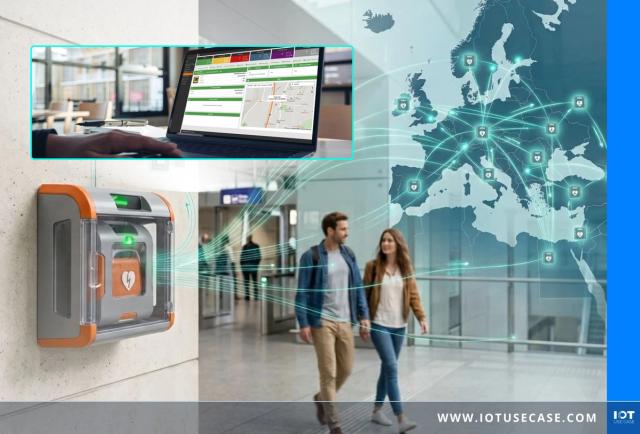
Network-independent emergency assistance: IoT-based solution for fast and precise supply
Nov 7, 2024Read more →

 Fleet ManagementAsset Tracking/ Track and Trace
Rhätische Bahn tracks freight wagons with Rail Insight from A1 Digital
Sep 14, 2023Read more →
 Condition Monitoring
Remote condition monitoring of mission-critical decanter centrifuges
Aug 10, 2023Read more → 
Deutsche Telekom IoT GmbH
IoT connectivity11 projects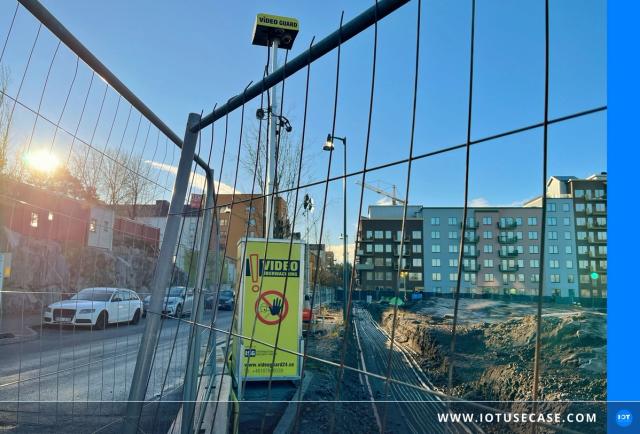



 Fraud and Loss Prevention
IoT monitoring with AI to reduce security costs on construction sites
Jan 12, 2026Read more →




 Condition MonitoringCorrective maintenanceEnergy Monitoring
Real-time monitoring – a Plug&Play retrofit for water networks
Sep 18, 2025Read more →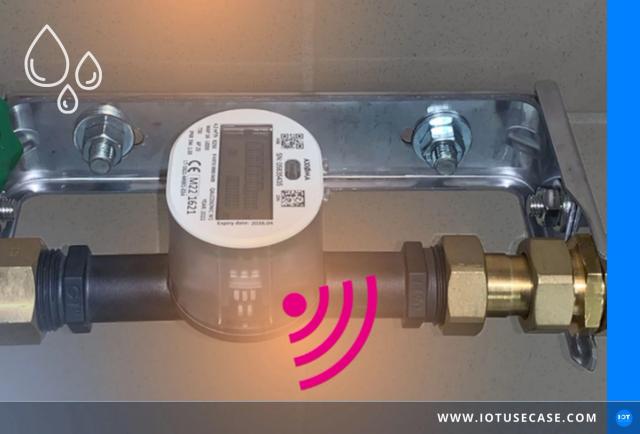
 Energy MonitoringDigital Documentation
Smart Metering: Embedded Connectivity for sustainable metering solutions
Aug 7, 2025Read more →
Vodafone IoT GmbH
IoT connectivity1 project




What it is used for
What they are used for, and with what
Based on these providers' projects: the most common use cases and the technologies their solutions speak.
On the podcast
Episodes with these providers and their customers.
- #152More Than Just Emergency Medicine – An Insight into the IoT Connectivity SolutionA1 Digital · medDV GmbH · Jan 15, 2025Listen
- #91All About Automation (LIVE) | IoT news at the trade show and current lighthouse projects from the fieldautosen · A1 Digital · Mar 15, 2023Listen
- #55Mechanical engineering service business model: globally available MyUNTHA customer portalA1 Digital · UNTHA shredding technology · Dec 1, 2021Listen
What to look for
What IoT connectivity covers
An IoT SIM card, often called an M2M SIM, sits in a device, router or edge device and connects it to your platform or company network over the cellular network. Unlike a smartphone SIM, it is built for continuous operation: as a chip soldered onto the board or as a card for extended temperature ranges and vibration, with tariffs by data volume, often pooled across many cards. With eSIM, the network profile is loaded remotely, so you can switch network provider without replacing hardware.
The offer includes a portal for SIM management. There you activate and suspend cards, see the usage of each card and receive alerts for unusual activity. A private APN, fixed IP addresses or VPN keep the traffic separate from the public internet.
Connectivity, router or platform?
IoT connectivity is the ongoing network access you pay for per card and month. The router or edge device is the hardware the SIM sits in. The IoT platform manages the devices and analyzes their data. Some providers supply all three from one source, but you can also buy them separately.
What to look for
What matters most is where your devices will operate. If you ship machines abroad, you need roaming in the destination countries and access to several networks per country. For battery-powered sensors and trackers, NB-IoT and LTE-M are key, for high data rates LTE or 5G. Also consider the billing model, the interfaces of the management portal to your systems, the contract term and whether an eSIM makes a later change of provider easier.
In the network, A1 Digital offers IoT connectivity with SIM, eSIM and a management portal. In the projects it connects, among others, GPS trackers for pets, emergency service vehicles, freight wagons and industrial furnaces.
Frequently asked questions about IoT SIM cards
What is an IoT SIM card?
An IoT SIM card connects a device, machine or sensor to the internet or your company network over the cellular network. It is built for continuous operation, withstands higher temperatures and vibration and comes with tariffs based on data volume rather than calls. You manage it in a portal where you activate and suspend cards and see their usage.
What is the difference between an M2M SIM and an IoT SIM?
In practice both terms mean the same thing: a SIM card for devices rather than people. M2M stands for machine-to-machine and is the older term from the time when devices communicated directly with each other. IoT SIM emphasizes the connection to platforms and the cloud. There is no fundamental difference in tariffs or form factors, what matters is coverage, roaming and management.
When does an eSIM make sense for IoT devices?
An eSIM makes sense when your devices stay in service for many years, are hard to reach or ship to many countries. The network profile is loaded remotely, so you can switch provider without swapping a card on site. As a soldered chip it also saves space and a card slot, which helps with small, sealed or vibration-exposed devices.
How does a machine's SIM card work abroad?
Abroad, the SIM uses partner networks via roaming. Cards with access to several networks automatically choose the one with the best coverage. For machines whose destination country is not yet known when the SIM is installed, providers offer tariffs pooled across several regions. Check in advance whether permanent roaming is permitted in the destination countries.
Related categories
More categories on the same layer and the technologies solutions in this category connect through.
IIoT Use Case user group
What no data sheet tells you
What did the rollout cost? What didn't hold up in the field, what would you do differently today? 300+ users from many different industries discuss questions like these every month, openly and without vendors in the room.
Online every month
Alternating tech and business focus
Users only
No sales pitches, exchange under NDA
300+ members
OT, IT and IIoT leads from industry