IT/OT Integration Software, Proven in Practice for Machines and Plants
Industrial connectivity software is middleware that connects machines, controllers and sensors to IT systems through ready-made connectors for OPC UA, Modbus, S7 or MQTT. It normalizes data, provides a central messaging bus and delivers to cloud services, databases, MES or ERP. In the IoT stack it forms the core of the integration layer.

Software Developer, KSG GmbH 
Senior IT Systemingenieur, KSG GmbH 
Co-Founder & CTO/CPO, Greenlyte Carbon Technologies 
Automation Engineer, Casa Mendes Gonçalves 
Automation Engineer, Casa Mendes Gonçalves 
Magna Exteriors (Meerane) GmbH, Manager Automation, Magna
8 users from the network have already implemented this (+2)
Talk implementation with other users
In the user group, 300+ users discuss every month what worked in their projects and what they would do differently today. No vendors in the room, honest exchange under NDA.
Who offers it
IT/OT integration products in practice
6 manufacturers from our partner network with 50 solution examples. Those with the most documented use in this category come first.
- Get in touch with ifm-Unternehmensgruppe
ifm-Unternehmensgruppe
IT/OT integration products27 solution examples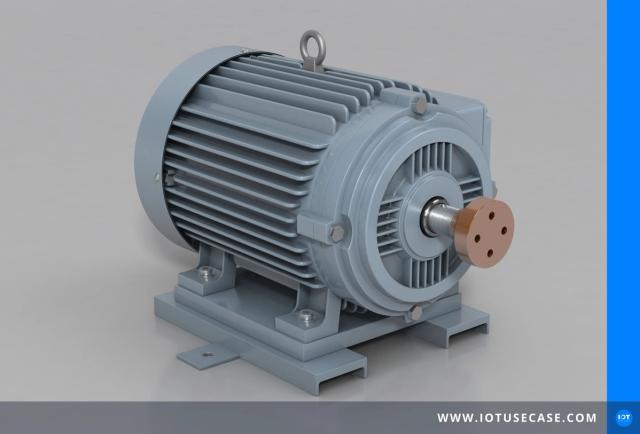


 Condition MonitoringCorrective maintenance
Condition-based maintenance of drive motors for higher plant availability
Sep 4, 2025Read more →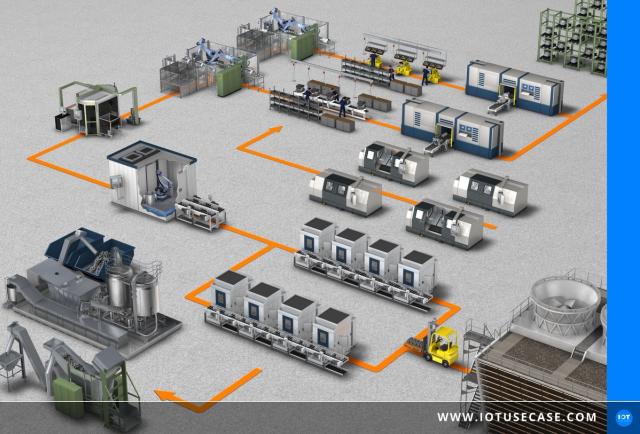 Condition MonitoringEnergy MonitoringQuality Management
How to safeguard your processes with digital data acquisition
Aug 12, 2024Read more →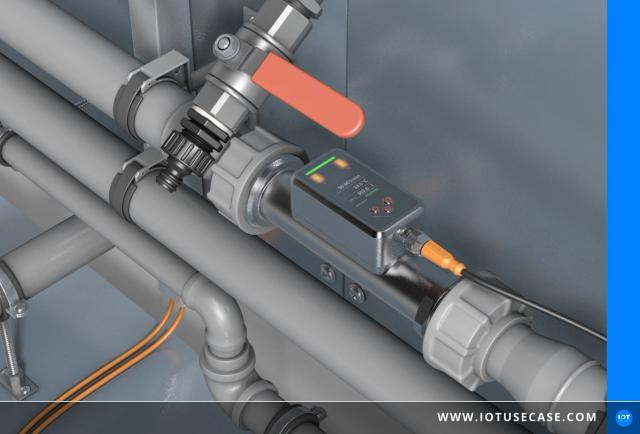
 Condition MonitoringCorrective maintenanceEnergy Monitoring
Water consumption, leakages and cooling performance
Jul 9, 2024Read more → 
EMQ GmbH
IT/OT integration products4 solution examples



 Digital Documentation
MQTT broker for utilities and smart transport infrastructures
Jul 10, 2025Read more →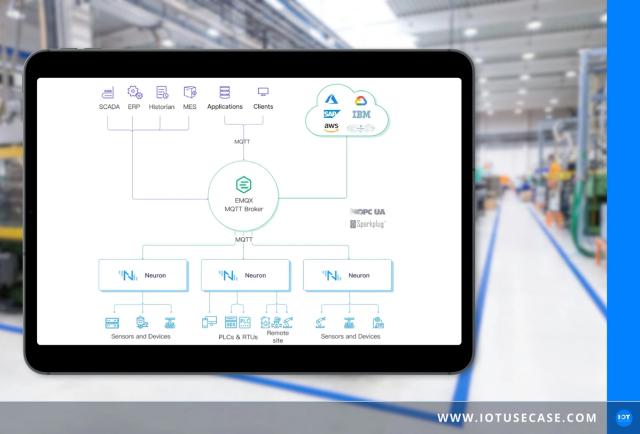 Digital Documentation
Future-proof IoT platform thanks to MQTT broker
Apr 25, 2025Read more →
 Condition MonitoringDigital Documentation
Scaling distributed environmental sensor networks with MQTT
Mar 23, 2026Read more →
Confluent
IT/OT integration products7 solution examples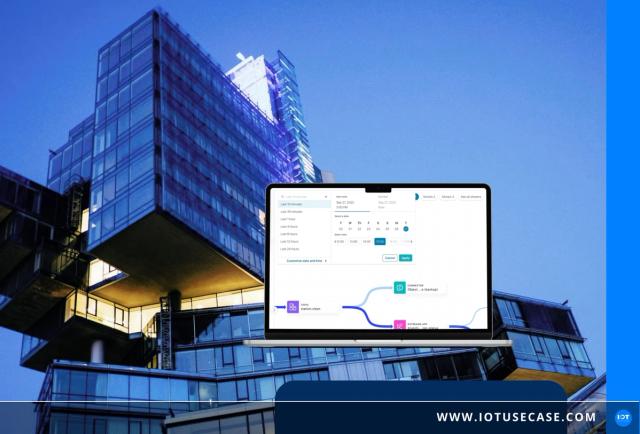



 Fraud and Loss Prevention
NORD/LB relies on Confluent to drive company-wide IT transformation
Nov 2, 2023Read more →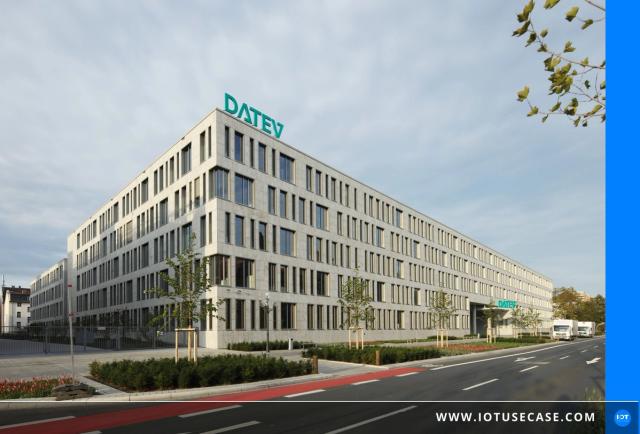

 Digital Documentation
Setting off into new galaxies: how DATEV eG uses Confluent to accelerate innovation
Oct 26, 2023Read more →


 Digital Documentation
BestSecret: data streams for all. Fashion for members only.
Oct 17, 2023Read more →
Schaeffler Digital Solutions GmbH
IT/OT integration products6 solution examples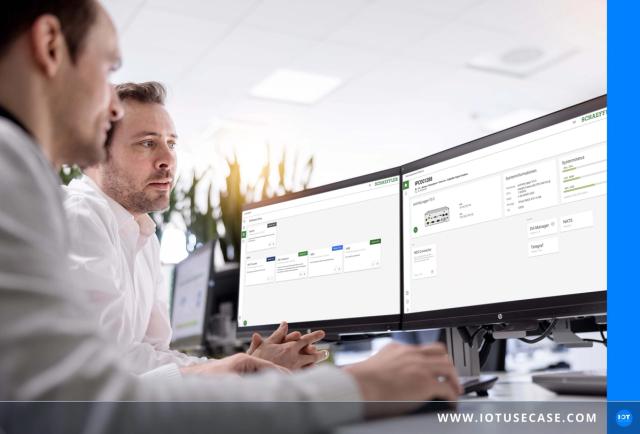




 Condition MonitoringCorrective maintenanceDigital Documentation
IT/OT integration for a unified data foundation – using PCB manufacturing as an example
Nov 4, 2025Read more →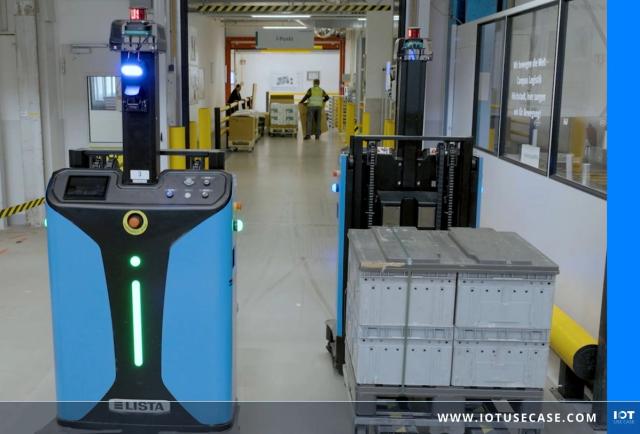

 Fleet Management
Scaling local material flows with cloud-based fleet control
Aug 10, 2026Read more →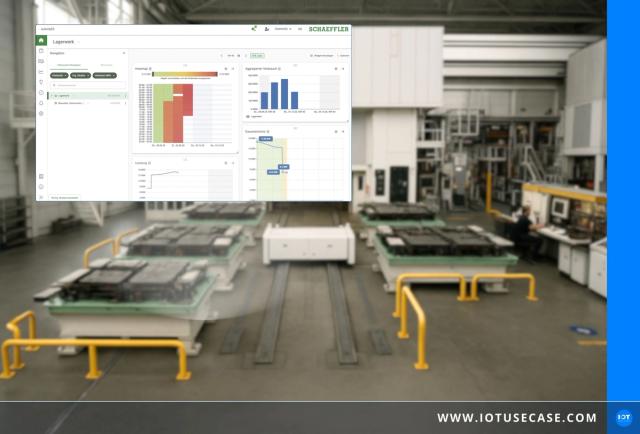

 Energy MonitoringSustainability (ESG)
IoT energy monitoring: transparent consumption data for measurable savings
Dec 9, 2025Read more →
Cybus
IT/OT integration products3 solution examples
 Digital DocumentationEnergy MonitoringEmployee Safety
Build a smart factory – with seamless IT/OT integration and event-driven architecture
Jul 8, 2025Read more →
 Digital DocumentationTraceabilitySustainability (ESG)
Scalable data platforms for complex materials: achieving data-driven manufacturing in lightweight construction
Jul 21, 2025Read more →
 Quality ManagementDigital Documentation
Making inaccessible machine data visible – reducing rejects, increasing quality
Jun 23, 2025Read more →
Prosys OPC
IT/OT integration products3 solution examples
 Digital Documentation
Integrate CNC data via OPC UA without system redesign
Jul 3, 2026Read more →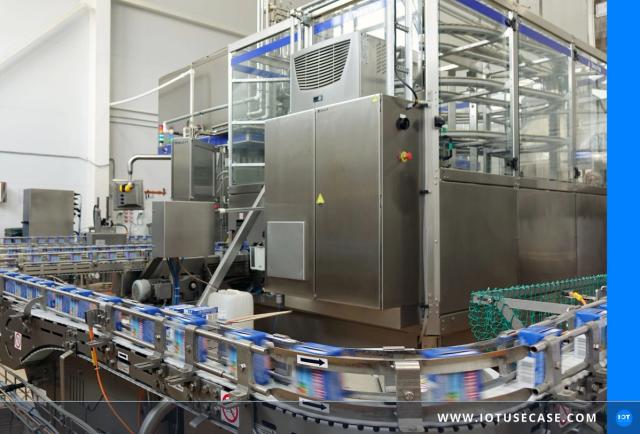
 Asset ManagementTraceabilitySustainability (ESG)
Standardised IT/OT integration with OPC UA for scalable production
Nov 6, 2025Read more →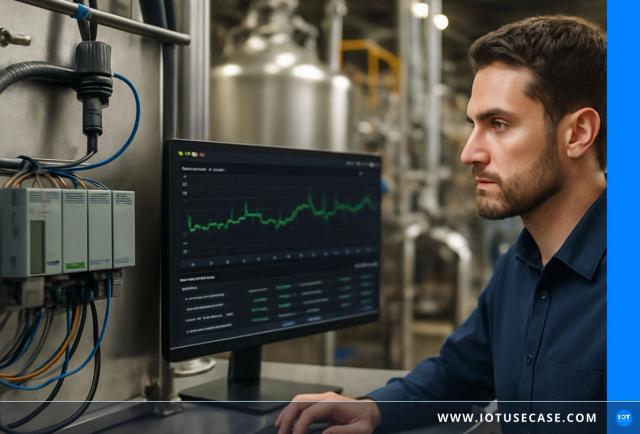


 Condition MonitoringEnergy MonitoringSustainability (ESG)
Making data-based decisions – with real-time monitoring and system integration
May 15, 2025Read more →
What it is used for
What they are used for, and with what
Based on these manufacturers' solution examples: the most common use cases and the technologies their solutions speak.
Use cases
- Structured access to files and documents9 solution examples
- Temperature Measurement in Condition Monitoring9 solution examples
- Level and Distance Measurement in Condition Monitoring8 solution examples
- Automatic Spare Parts Ordering in Corrective Maintenance7 solution examples
- Early Detection of Damage in Condition Monitoring7 solution examples
What to look for
What industrial connectivity software does
IT/OT integration products bridge the gap between production (operational technology) and enterprise IT. On the OT side, they speak the languages of machines: OPC UA, Modbus, S7, CNC protocols or MQTT. On the IT side, they deliver to MQTT brokers, Kafka, REST APIs, SQL databases, cloud services or data lakes. In between, they normalize data formats, add context such as asset, unit and timestamp and provide a central messaging bus.
These products are pure software: they connect systems and makes heterogeneous machine fleets accessible in a standardized way. It often provides the technical foundation for a unified namespace. Once a machine is connected, its data is available to every authorized application, from shop floor dashboards to analytics in the cloud.
Industrial connectivity vs. edge device, data hub and IoT platform
An edge device is hardware on which such software can run. A data hub mainly connects business applications such as ERP, MES and PLM with each other, while IT/OT integration works one level lower, at the machine. IoT platforms store, visualize and analyze data; IT/OT integration products transport and translate it. The main reason to buy is vendor-independent, reusable connectivity for many machines instead of individual point-to-point interfaces.
What to look for when choosing one
Key criteria are the connectors available for your own machine fleet, the supported IT targets and whether the software runs at the edge, in your own data center or in the cloud, often as containers. Add data modeling, access control, encrypted connections with certificates, buffering during network outages and management of many sites. Choosing open standards such as OPC UA and MQTT early keeps later extensions flexible.
From the network, Cybus and Schaeffler Digital Solutions offer platforms for IT/OT integration. EMQ provides an MQTT broker that serves as a central messaging bus. In solution examples, these products create the data foundation for condition monitoring, OEE analysis and traceability.
Frequently asked questions about industrial connectivity software
What is IT/OT convergence?
IT/OT convergence describes the merging of enterprise IT and production technology. Data from machines and controllers flows into ERP, MES, cloud and analytics tools, while orders and parameters flow back to production. This requires shared standards, integration software and aligned security concepts, because IT and OT have different requirements for availability and updates.
What does industrial connectivity software do?
Industrial connectivity software reads data directly from controllers and machines through dedicated connectors such as OPC UA, Modbus or S7. It normalizes formats and units, adds context and publishes the data via MQTT, Kafka or REST. IT systems then subscribe to exactly the values they need. The PLC program usually does not need to be changed for this.
What is a unified namespace?
A unified namespace is a central, hierarchically structured data layer in which all production data is available under unique names, usually via MQTT and organized according to ISA-95. Instead of many point-to-point connections, each source publishes its data once and every application subscribes to what it needs. Industrial connectivity software fills and manages this structure.
How does IT/OT integration work in manufacturing?
IT/OT integration in manufacturing usually follows three steps: connect, normalize and distribute. Connectors read data from controllers and machines, the integration software converts it into a common format with context, and a messaging layer such as an MQTT broker or Kafka distributes it to MES, ERP, dashboards, data lakes and AI applications. Machines and IT systems remain decoupled.
How are MES and ERP integrated with the shop floor?
MES and ERP are usually connected to the shop floor through an integration layer rather than directly to each machine. Industrial connectivity software delivers machine states, part counts and quality data upward, while a data hub translates orders and master data between MES, ERP and other systems. Each interface is defined once and can be reused across plants.
On the podcast
Episodes with these manufacturers and their customers.
- #213Direct Air Capture: From Pilot to Autonomous Industrial ScaleGreenlyte Carbon Technologies · ifm-Unternehmensgruppe · May 13, 2026Listen
- #203OPC UA Forge: Unified Namespace for Legacy Factory DataProsys OPC · Casa Mendes Gonçalves · Jan 28, 2026Listen
- #192Ensuring Quality with IoT: How RAFI and ifm Digitalize Injection Moldingifm-Unternehmensgruppe · RAFI GmbH & Co. KG · Nov 5, 2025Listen
Related categories
More product categories on the same layer and the technologies solutions in this category connect through.