Data Hub Middleware for Manufacturing and Enterprise IT
A data hub is middleware that exchanges data between systems such as ERP, MES, PLM, warehouse and shop floor. It receives, translates, validates and routes messages centrally instead of each system needing its own interface to every other one. In the IoT stack it sits on the integration layer and links production data with business processes.

Head of Corporate Future Lab & Sustainability Management, Uhlmann Group Holding GmbH & Co. KG 
Head of Connected Smart Factory, Carl Zeiss AG 
Enterprise Group Manager, Hartmetall-Werkzeugfabrik Paul Horn GmbH 
Director Production Engineering, Vetter Pharma
4 users from the network have already implemented this
Talk implementation with other users
In the user group, 300+ users discuss every month what worked in their projects and what they would do differently today. No vendors in the room, honest exchange under NDA.
Who offers it
Data hubs in practice
2 manufacturers from our partner network with 14 solution examples. Those with the most documented use in this category come first.
- Get in touch with Confluent

Confluent
Data hubs7 solution examples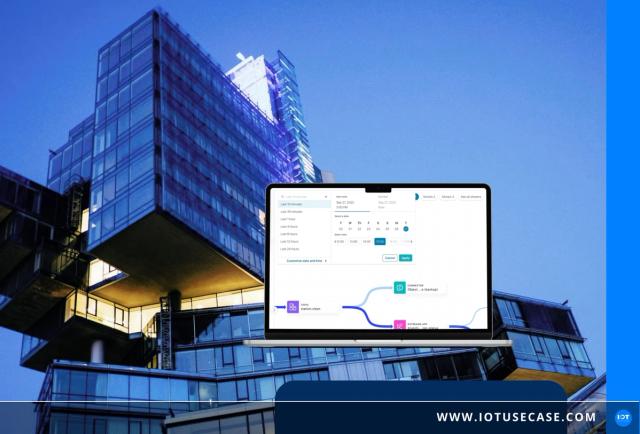



 Fraud and Loss Prevention
NORD/LB relies on Confluent to drive company-wide IT transformation
Nov 2, 2023Read more →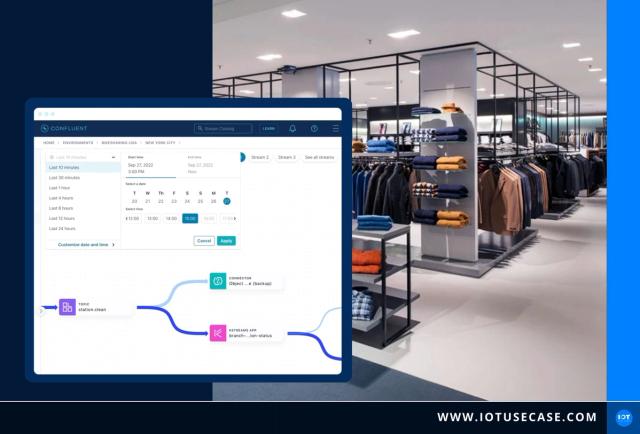


 Digital Documentation
BestSecret: data streams for all. Fashion for members only.
Oct 17, 2023Read more →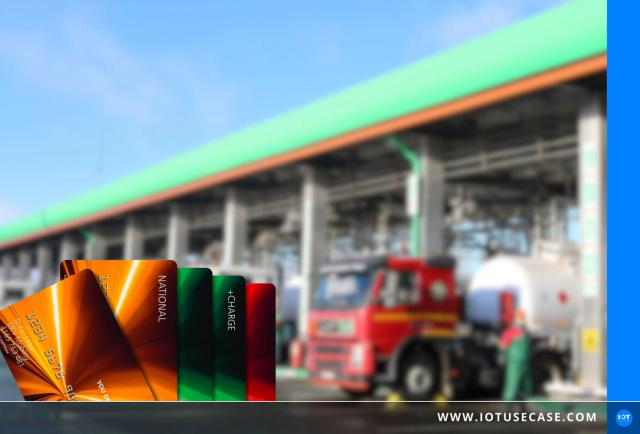

 Fleet Management
DKV Mobility paves the way for the future of mobility with Confluent Cloud
Oct 5, 2023Read more → 
soffico GmbH
Data hubs7 solution examples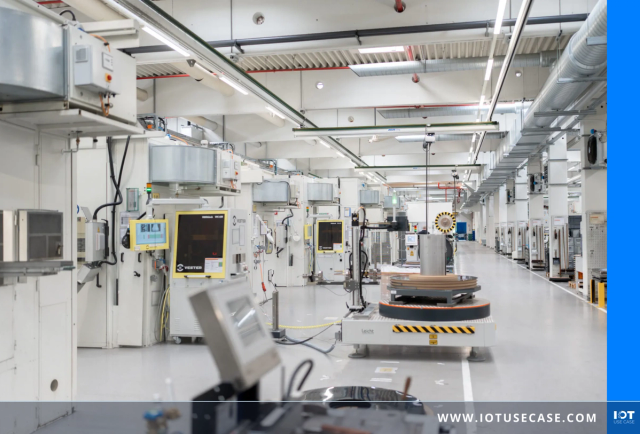

 Digital Documentation
Consolidating fragmented machine communication and separating IT from OT
A manufacturer of electrical connection technology replaces its scattered communication servers with soffico's Orchestra and cleanly separates IT from OT. At the Thuringia plant, around 120 machines were connected in three days.
Sep 30, 2026Read more →


 Condition MonitoringAsset Tracking/ Track and TraceDigital Documentation
Production logistics: efficient transport control with smart watches and low-code middleware
Aug 11, 2025Read more →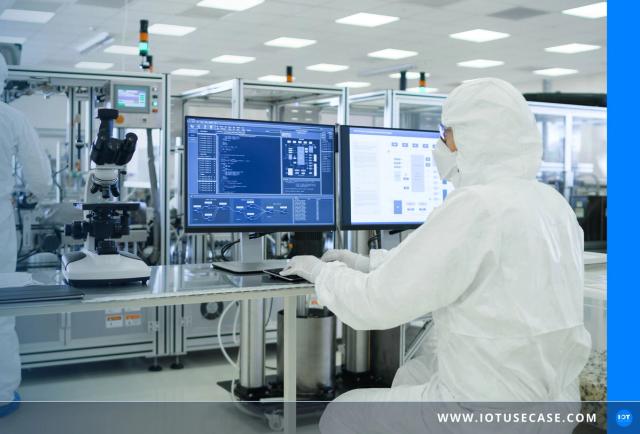
 Digital DocumentationTraceability
Pharma compliance implemented with track-and-trace tool – at Uhlmann Pac-Systeme
Apr 29, 2025Read more →
What it is used for
What they are used for, and with what
Based on these manufacturers' solution examples: the most common use cases and the technologies their solutions speak.
What to look for
What a data hub is
A data hub is central integration software through which all connected systems exchange their data. Instead of linking every application to every other one with point-to-point interfaces, each system is connected to the hub once. The hub handles receiving messages, converting formats and data structures, validation, routing and monitoring. Typical counterparts are ERP systems via standard interfaces such as RFC, BAPI or IDoc, MES, PLM, warehouse management, quality systems and data from production.
In manufacturing, this is also called a manufacturing service bus, a term derived from the enterprise service bus of traditional IT.
Data hub vs. IT/OT integration and data lake
IT/OT integration products work at the machine and make its data accessible in the first place. The data hub works one level higher and orchestrates processes between applications, for example when a production order moves from ERP to MES and the confirmation with quantities and quality data comes back. A data lake stores data long term; the data hub moves it. The main reason to buy is keeping the number of interfaces manageable and making cross-system processes traceable.
What to look for when choosing one
Key criteria are the adapters available for your own system landscape (ERP, MES, databases, OPC UA, MQTT, REST), graphical modeling of workflows and data mappings, monitoring with error handling and restart, and versioning of interfaces. Add the choice between your own data center and the cloud, performance under high message volumes and whether business departments can make adjustments themselves.
In practice, a data hub replaces interfaces that have grown one by one and speeds up new connections because adapters and data models are reused. From the network, soffico offers a data hub that is also used as a manufacturing service bus and as the foundation for a unified namespace.
Frequently asked questions about data hubs
What is a data hub?
A data hub is a central integration point through which applications exchange data instead of connecting to each other directly. It receives messages, converts formats, validates content and forwards data to the right systems. In manufacturing, a data hub links ERP, MES, PLM, warehouse and production data so that orders, master data and confirmations flow consistently between them.
What is the difference between a data hub and a data lake?
A data hub moves and translates data between systems, while a data lake stores data long term for analysis. The hub works in near real time and keeps business processes such as order handling running across applications. The data lake collects raw data from many sources, including the hub, so it can be analyzed later. Many architectures use both side by side.
What is middleware?
Middleware is software that sits between applications and enables them to exchange data without knowing about each other directly. It handles transport, format conversion, routing and monitoring of messages. In manufacturing, middleware connects systems such as ERP, MES, quality management and machines. Integration platforms, message brokers and data hubs are all forms of middleware.
What is an enterprise service bus?
An enterprise service bus (ESB) is an integration architecture in which applications exchange services and messages over a shared bus. The ESB handles routing, transformation and protocol translation centrally, so applications stay decoupled. Data hubs in manufacturing often follow the same principle but add adapters for production systems, machine data and standards such as OPC UA.
What are examples of middleware in manufacturing?
Typical examples are data hubs that connect ERP and MES, MQTT brokers that distribute machine data, event streaming platforms such as Kafka for high-volume data streams and IT/OT integration platforms with connectors for controllers. They differ in level and purpose but often complement each other within a shared architecture.
On the podcast
Episodes with these manufacturers and their customers.
- #200IT/OT Integration in the Pharmaceutical Industry: Scaling in a GMP-Compliant Waysoffico GmbH · Vetter Pharma · Jan 7, 2026Listen
- #164Middleware, Not Isolated Solutions – How Paul Horn & soffico Connect Legacy and Modern Systemssoffico GmbH · Hartmetall-Werkzeugfabrik Paul Horn GmbH · Apr 16, 2025Listen
- #137Factory-X and the realization of use cases in the data ecosystemsoffico GmbH · Uhlmann Group Holding GmbH & Co. KG · Aug 21, 2024Listen
Related categories
More product categories on the same layer and the technologies solutions in this category connect through.