








































































Sustainability (ESG)

More implementations in our database

Achieve your sustainability goals with IIoT. Connected technologies help companies reduce emissions, use resources more efficiently, and meet regulatory requirements. We’ll show you proven approaches that combine environmental, social, and economic goals.

IIoT Success Stories from Practice

Companies from our network that have already successfully implemented this use case

NTT DataBerger S2BMANN+HUMMELHitachi Construction MachinerySociété Foncière LyonnaiseWAGO GmbH & Co. KGFÖRCHStannolEHA Energie-Handels-Gesellschaftc-trace GmbHD+H Mechatronic AGKROHNE Messtechnik GmbHServiceplan GroupValioifm-UnternehmensgruppeGroupe SEBTefalMARTIN GmbH für Umwelt- und EnergietechnikFLSmidthInstitut für FlugzeugbauCasa Mendes GoncalvesBESI Marine Systems GmbHStadtwerke PyrmontNTT DataBerger S2BMANN+HUMMELHitachi Construction MachinerySociété Foncière LyonnaiseWAGO GmbH & Co. KGFÖRCHStannolEHA Energie-Handels-Gesellschaftc-trace GmbHD+H Mechatronic AGKROHNE Messtechnik GmbHServiceplan GroupValioifm-UnternehmensgruppeGroupe SEBTefalMARTIN GmbH für Umwelt- und EnergietechnikFLSmidthInstitut für FlugzeugbauCasa Mendes GoncalvesBESI Marine Systems GmbHStadtwerke Pyrmont

Which Sustainability (ESG) use case do you want to implement?

Your use case has already been solved here. We show you how and by whom, and connect you with the people who have already implemented it.

2 Solution Examples

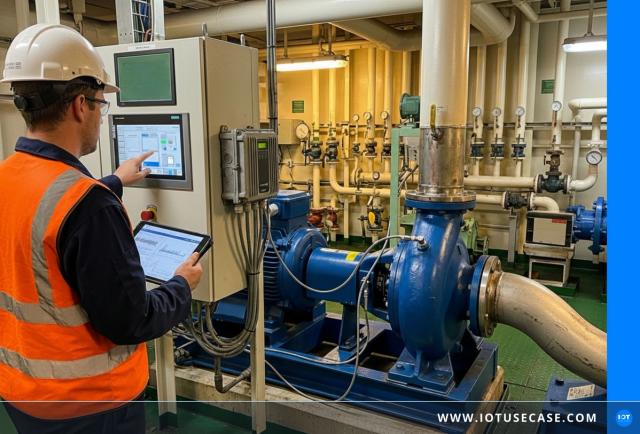
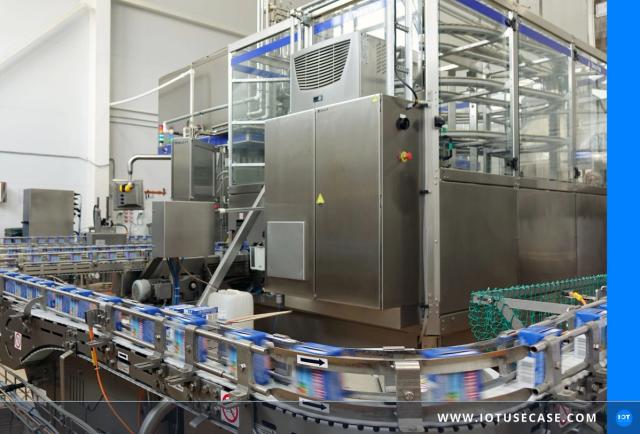
Efficient tracking and optimization of production waste reduces waste and increases material utilization. With IoT solutions, waste volumes can be minimized and recycling opportunities improved.

Implemented under NDA – user company confidential
See implementations
8 Solution Examples

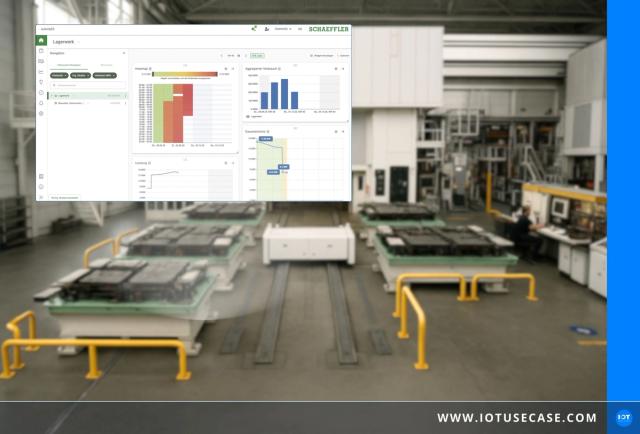
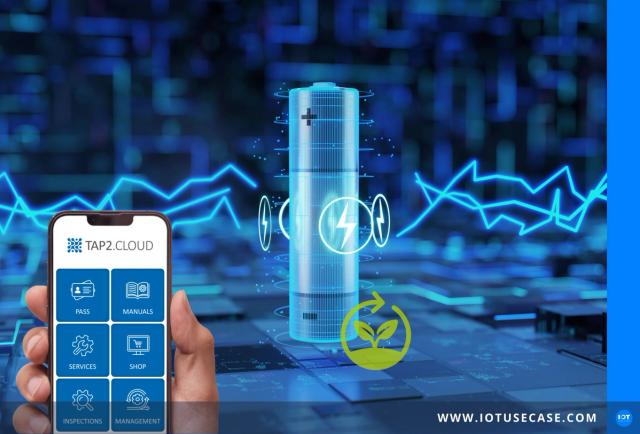
With carbon footprint monitoring, companies capture CO₂ emissions per produced unit. This enables emissions along the entire supply chain to be measured, reduced, and aligned with regulatory requirements.

Implemented under NDA – user company confidential
See implementations
9 Solution Examples

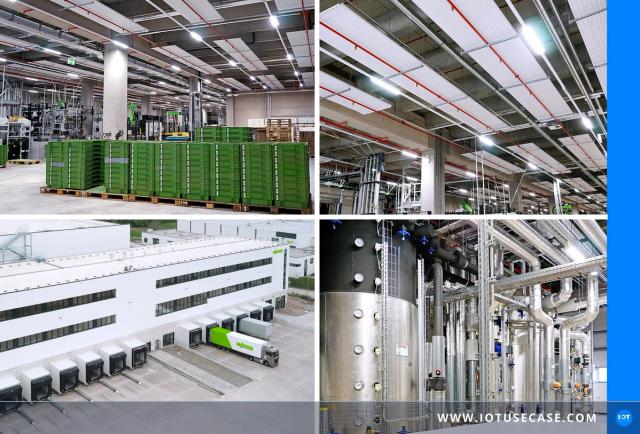
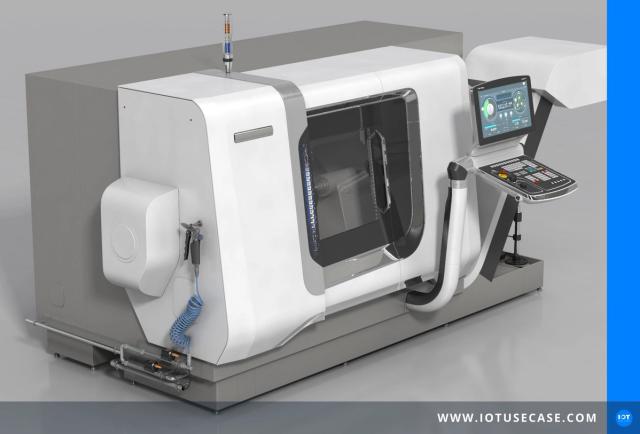
Energy efficiency analysis evaluates captured energy data and assigns consumption to individual machines, shifts, or production lines. Based on these evaluations, consumption structures, load profiles, and deviations are analyzed. This enables the systematic identification of inefficient consumption patterns and savings potential.

Implemented under NDA – user company confidential
See implementations
7 Solution Examples

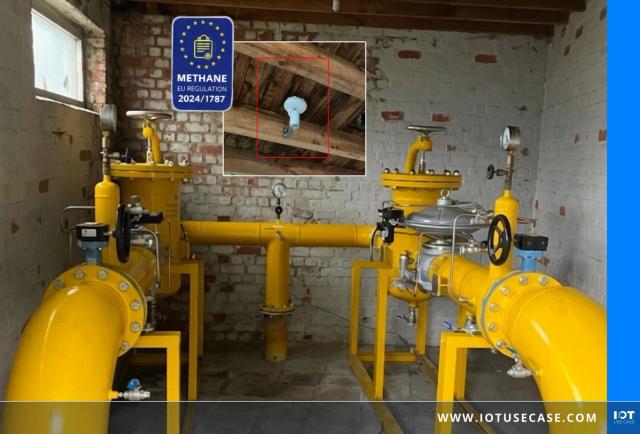
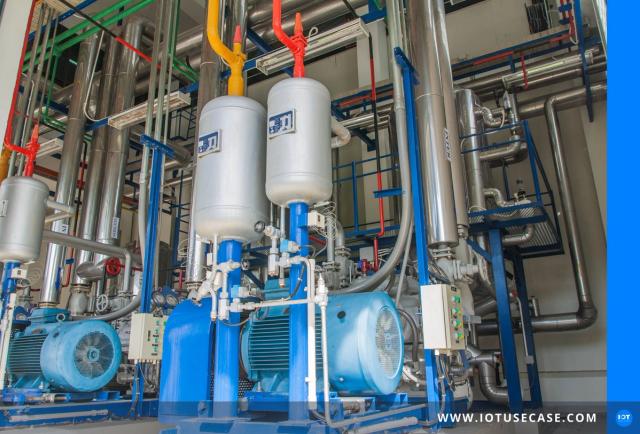
Through real-time monitoring and data-driven analysis of emissions, companies can adapt and specifically optimize their processes. This helps to comply with legal requirements and implement long-term sustainability strategies.

Implemented under NDA – user company confidential
See implementations

Your use case has already been implemented in practice

Discover solution examples from our network

This use case has already been implemented. We know the people behind it.

Just ask us. We look up how your use case has already been implemented and put you in touch personally.

Industry Challenges – Do These Sound Familiar?

Typical Challenges in ESG and Sustainability

  • How do I identify savings potential in energy and materials?
  • How can IIoT sustainably reduce my CO₂ footprint?
  • Which partners offer technologies for the ESG sector?

Our platform provides the right answers. Find proven approaches that support your sustainability goals – and be accompanied by a strong network of partners.

Benefits of Sustainability (ESG)

Benefits of ESG and Sustainability in Your Production

Reducing the CO₂ Footprint

By monitoring the product carbon footprint, companies gain detailed insights into their emissions per unit produced. Monitoring enables the identification of savings potential along the entire supply chain – from production to logistics. This not only contributes to environmental protection but also increases attractiveness for ESG investors.

Efficient Emissions Management

With modern IoT solutions and data analysis, emissions can be specifically recorded and reduced. Companies can comply with legal requirements and avoid penalties through optimised production and transport processes, while simultaneously achieving their sustainability goals.

ESG Positioning and Competitive Advantages

By using sustainable technologies, companies improve their ESG ratings, increase their attractiveness to stakeholders and secure a competitive advantage. Sustainability has long been a decisive factor in customer and investor decisions.

Resource and Waste Optimisation

Monitoring and optimising resource consumption – such as water, gas and materials – not only reduces costs but also minimises environmental impact. In addition, effective waste management ensures that production waste is tracked, reduced and recycling potential is identified.

Have a concrete IoT project in mind?

We know the vendors who've already done it.