
Development Engineer
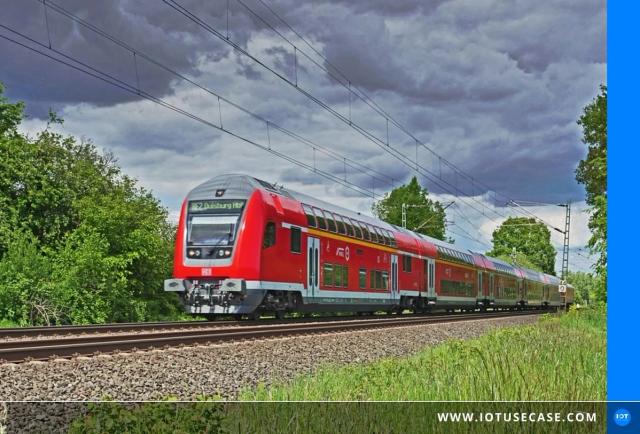
The company optiMEAS was founded in 2009 with the aim of rolling out “internet-based measurement technology” in the industry. Since then, the company has been digitizing physical processes in a wide range of industries and, in addition to the rail vehicle industry, has also enriched the electromobility, construction and agricultural machinery, plant engineering, and energy industries, among others, with its intelligent solutions. The use case is about their joint project with Trelleborg, a global leader in the development of polymer components for sealing and damping applications. The topic of the project is the smart, digital transformation of rail vehicles and all their components. How do optiMEAS and Trelleborg go about collecting data and generating added value? As Burkhard Schranz casually puts it: “We make “dumb” components smart!”. Components that are already manufactured in a similar way are themselves converted into sensors. They monitor their own performance and, in interaction, the entire vehicle. Changes in driving style, possible bearing damage or other problems are detected and communicated at an early stage before major failures occur. In this use case, we are talking about safety-critical components whose proper functioning is tied not only to money but also to human lives. This fatigue monitoring makes it possible to calculate the service life of the components based on their actual load in the field – an enormous benefit of the solution. The measurement data can also be used to optimize planned replacement intervals, service and overall maintenance. This predictive maintenance improves processes and directly generates significant monetary savings. Furthermore, this podcast episode criticizes the so-called island solutions and discusses holistic, cross-system approaches that focus on the end customer. It is about retrofitting and added values that optiMEAS has been able to achieve in other areas, such as concrete pumps or high-voltage disconnectors. An important future goal is also to show error patterns and their origin in concrete terms.
We use cookies and similar technologies to improve our website and show you relevant content. You can decide which categories you allow. For more information, please read our privacy policy. Privacy Policy