
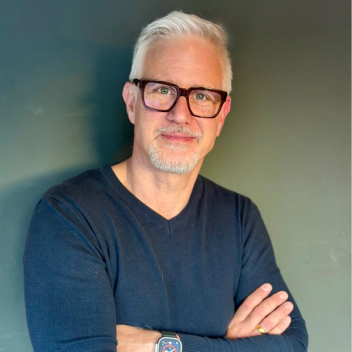
Dr. med. Thorsten Hagemann

Dr. med. Thorsten Hagemann

CEO / Managing Director, licensed physician

Get in touch with Dr. med. Thorsten Hagemann

Tell us briefly what it is about – we will pass your message on and make the introduction personally.
Podcast Episodes

#226
#226

Assisted Telemedicine and the GP Shortage: Managing Infrastructure-Independent IoT Devices

GPs are scarce, and patients travel further for care. Since summer 2026, German pharmacies may offer assisted telemedicine and bill it to health insurers. MEDIVISE supplies a telemedicine box that opens with the electronic health card, plus a platform: an approved medical device assesses whether a case suits an outpatient video consultation, and office-based physicians take over. In emergency departments, the box diverts cases that don't belong there and lose the hospital money. Healthcare in Germany expects a cable connection for the telematics infrastructure, so MEDIVISE started out wired. Cellular was added at customers' request. The box now needs only power – in villages whose last doctor's practice has closed, and in hospitals whose in-house IT can be stricter than the law. Without a link to the hospital network, not every installation becomes an IT project. MEDIVISE also uses the SIM cards for secure access to the boxes and for commissioning – even where customers insist on cable. According to Ioana Ogreanu, connectivity is quickly bought; managing it at scale is the hard part. A global SIM card accesses over 750 networks in more than 180 countries, and Vodafone IoT handles country-specific regulation in the background. Key takeaways A patchwork of SIM cards works while the company is small; harmonizing it later is often costly. Before rollout, clarify who holds and manages the SIM cards. At MEDIVISE, it's the manufacturer, not the pharmacy. Connectivity requirements are similar across industries – the approach transfers to other connected devices.

Nov 4, 2026