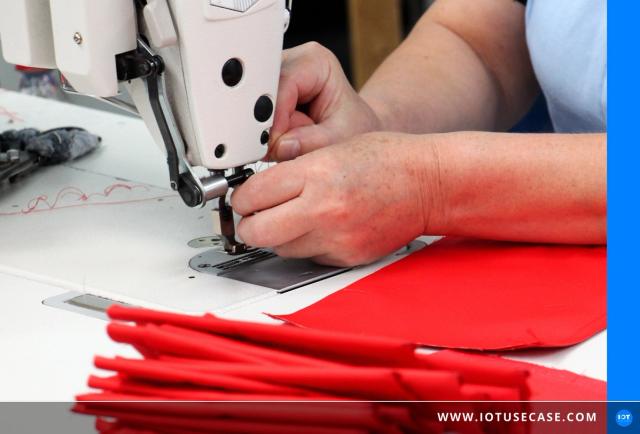


In the apparel industry, the focus is more on employees than on machines – that’s the tenor of this podcast episode. The “human resource” should be treated optimally in order to let it act optimally in reverse. Smart employee deployment and workforce optimization are therefore considered the be-all and end-all and determine success. In 2015, HUGO BOSS started creating digital twins – of processes, machines and their employees. The goal: to map more complexity, become more flexible, and gain in quality and profitability. In this context, each employee has received a tablet: “The tablet is the screen to the world for the employee – for himself and also for the whole work process”. On the one hand, digitization ensures the necessary synchronization between man and machine in manufacturing, and on the other, it provides valuable data on employee performance. This enables them to digitally track and analyze their work performance completely independently. They become the manager of their own performance and also their salary. Because: The apparel industry is very much bonus-driven, output and quality determine the employee’s earnings. Even in the advancing 21st century, however, there are still work steps in the textile industry that are almost entirely manual – the more individual, the more manual. The insertion of sleeves in the production of jackets, for example, is one of the most complicated work operations and has hardly changed since he began his tailoring apprenticeship in the mid-1980s, notes Joachim Hensch from HUGO BOSS. In cutting, on the other hand, the degree of automation is the highest, as this process is the most standardized. Exactly how textile manufacturing takes place on a production floor, what employees have to say about tracking their work performance, the role of data protection and the benefits of performance data are some of the other topics covered in this exciting podcast episode.
We use cookies and similar technologies to improve our website and show you relevant content. You can decide which categories you allow. For more information, please read our privacy policy. Privacy Policy