
Use cases Jan has already implemented
Solution Examples


Podcast Episodes
IoT as the key to safely handling hazardous substances and protecting the environment
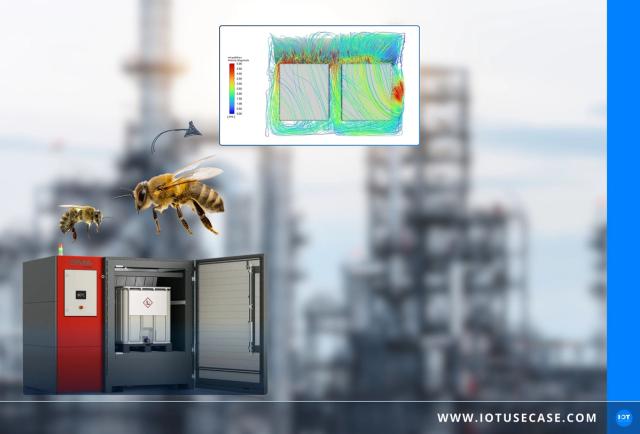
Industrial companies are often faced with the problem of storing and tempering hazardous substances under extreme conditions, while at the same time having to ensure the safety of employees and the smooth running of processes. This is exactly where the solution from EXOR and DENIOS comes in. The smart heating chamber from DENIOS, in combination with the IoT solutions from EXOR, enables precise monitoring and control of processes – even in harsh industrial environments. Challenges that are addressed in episode 142: Safe temperature control of hazardous substances: How can hazardous substances be handled efficiently and safely under strict regulations? Minimizing downtimes: How can it be ensured that the systems run stably and without interruptions? Increasing energy efficiency: How can energy costs be reduced while maintaining high safety standards? Reducing complexity: How can companies use IoT technology without systems becoming too complicated or vulnerable? Solutions provided by EXOR and DENIOS: 24/7 monitoring: With integrated edge devices and cloud solutions, hazardous substance temperatures can be monitored at all times, ensuring greater safety and efficiency. Time and cost savings: By automating processes and reducing system complexity, companies save time when developing and implementing their solutions. Long-term partnership: The cooperation between EXOR and DENIOS enables a future-proof solution that can be continuously developed and addresses future challenges.
Digital service for hazardous materials storage – a leakage warning system
The episode begins with an introduction to ROBIOTIC’s partnership with Hoffmann + Krippner and TK-World and DENIOS SE’s commitment to safe hazardous materials storage and occupational safety. Thomas and Jan discuss the specific technology challenges, such as battery life and mobile penetration, and how their joint solution addresses them. Their solution includes hardware, a customer cloud, and a portal where customers can set data and rules. Data acquisition and analysis: we will discuss how sensors measure various parameters such as temperature and leakage, and how this data is processed in a customer cloud and portal. This data analysis enables customers to generate reports at the touch of a button. Business case and challenges: Jan talks about the benefits of digitalization for DENIOS customers, such as replacing manual routines, and the challenges related to regulations and audits. HK.SYSTEMS and DENIOS provide deep insights into their project as well as an outlook on future IoT innovations in the field of hazardous materials storage.