

Metal and Electronics
Whether real-time process monitoring in sheet metal processing, predictive maintenance on presses and welding systems, or digital quality assurance in electronics assembly – IoT is fundamentally changing the metal and electronics industry. Not as a vision of the future, but as everyday practice in plants already working with it today.
The challenges are real: production lines must deliver the highest precision at maximum availability, quality requirements in electronics manufacturing are extremely high, and international cost pressure demands constant efficiency improvement. At the same time, traceability and compliance requirements are growing through EU regulations such as the Digital Product Passport.
This is exactly where IoT comes in: sensors monitor machine conditions and process parameters in real time, quality controls are automated, and digital systems create seamless documentation from raw material to finished product. The right data at the right time increases OEE, reduces scrap, and secures delivery reliability.
On this page you will find hands-on solution examples from the IoT Use Case network – from metal and electronics companies and technology providers who have delivered real projects. No marketing, no promises – only what actually works.
These challenges are driving IoT projects in the metal and electronics industry
Process precision and consistent quality
In metal processing and electronics manufacturing, micrometers and millivolts determine whether a part is scrap or good. Inline sensors continuously monitor critical process parameters and detect deviations before defective parts reach the next process stage.
Plant availability and unplanned downtime
Presses, lasers, welding systems, SMT machines, and etching lines must run at high availability. Unplanned downtime in clocked production lines generates consequential costs beyond the actual machine failure. Predictive maintenance prevents this.
Traceability in electronics manufacturing
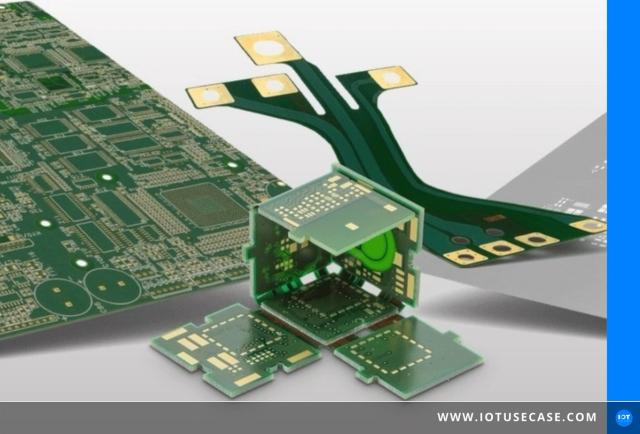
Printed circuit boards, assemblies, and electronic components must be traceable to batch level – from component delivery to the installed unit at the end customer. IoT-based track & trace systems create this transparency automatically and in an audit-proof manner.
Energy efficiency in energy-intensive processes
Furnaces, presses, electroplating tanks, soldering systems, and reflow ovens are energy-intensive. Granular energy monitoring at machine and process level reveals load peaks and savings potential – and provides the data foundation for CO₂ reports and ESG documentation.
Tool and fixture management
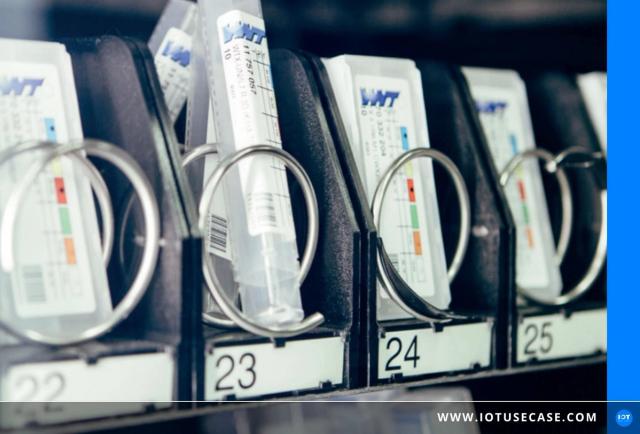
Precision tools, molds, electrodes, and fixtures have limited service life and must be maintained or replaced. IoT-based tool monitoring automatically records usage cycles and prevents quality-degrading overuse or costly emergency replacements.
Digital Product Passport and material documentation
EU regulations increasingly require seamless material documentation – alloy compositions, origin, processing conditions, and CO₂ footprint at component level. Without structured IoT data from production, providing this evidence efficiently is barely feasible.
Real-world solution examples: Metal and Electronics



































































IoT in Metal and Electronics: What Actually Works in Practice
Metal and electronics companies are under double pressure: technological complexity and global cost competition. Tolerances in the micrometer range, welding parameters at millisecond intervals, solder paste application accurate to 0.01 mm – in these industries, precision determines quality. And IoT makes this precision monitorable, documentable, and optimizable.
The difference from other industries: in the metal and electronics industry, the physical requirements on sensors and data transmission are particularly high – EMC influences, vibrations, temperature fluctuations, and aggressive media test every IoT hardware for resilience. Solutions must be industrially rated, not just lab-grade.
Typical Application Areas
Process Monitoring in Metal Processing
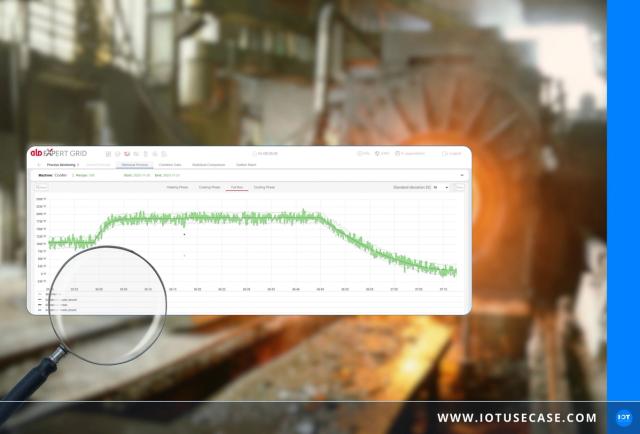
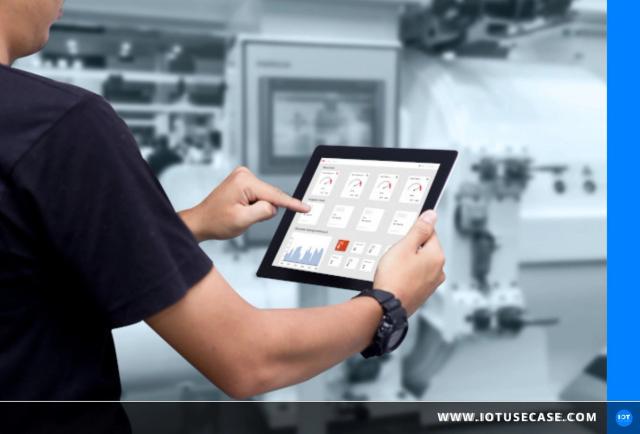
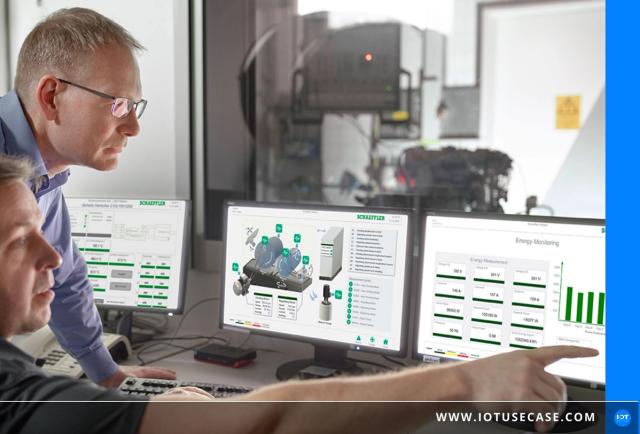
Welding processes, bending, stamping, laser cutting, and surface treatment are monitored with inline sensors: current, voltage, pressure, temperature, and geometry in real time. Deviations are detected immediately – not only at the final dimension or in end-of-line quality control.
Predictive Maintenance for Presses, Lasers, and Welding Systems
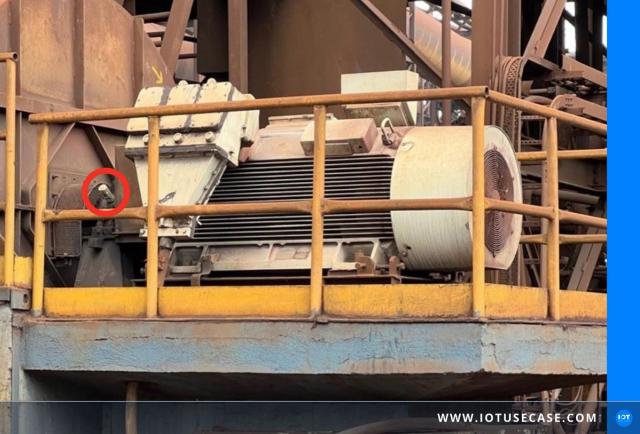
Hydraulic presses, laser cutters, welding robots, and CNC machines are equipped with vibration, temperature, and current sensors. AI models detect wear patterns early and trigger condition-based maintenance orders – before costly failures or quality problems arise.
Quality Assurance in Electronics Manufacturing
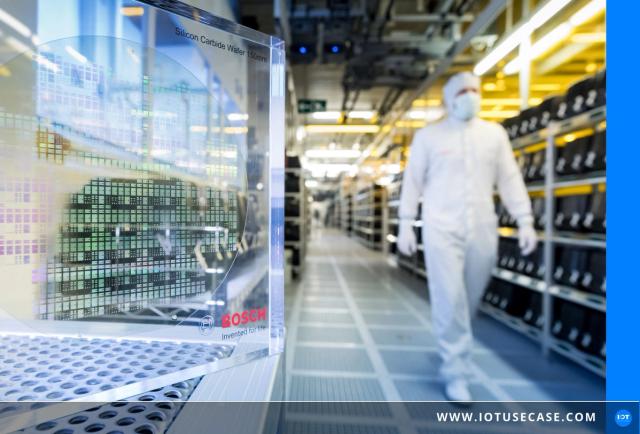
Automated optical inspection (AOI), X-ray inspection, and in-circuit testing are linked with IoT systems: test results flow into quality databases in real time, defect patterns are automatically classified, and process parameters are automatically adjusted when deviations occur.
Batch Traceability and Material Documentation
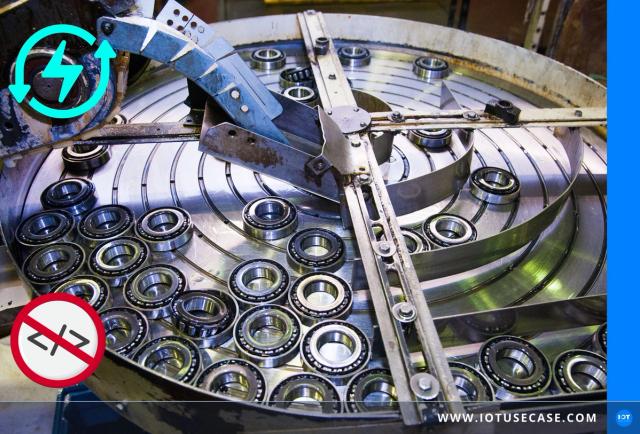
Every printed circuit board, every stamped part, every assembly receives a digital identity. Material batch, supplier, process parameters, and test result are stored in linked form. In the event of a complaint, the cause and scope can be reconstructed in minutes – rather than days of manual searching.
Energy Monitoring and Electroplating Surveillance
Electroplating tanks, etching systems, reflow ovens, and climate chambers are continuously monitored: bath temperature, concentration, flow rate, and energy consumption in real time. Deviations are reported immediately – before defective coatings or solder joints are produced.
What Sets IoT in Metal and Electronics Apart from Other Industries
Electromagnetic compatibility (EMC), high vibration levels at presses and stamping machines, aggressive media in surface treatment – the industrial ambient conditions in metal and electronics plants are more demanding than in most other industries. IoT hardware must be rated IP67 or higher, ATEX-certified where necessary, and still measure precisely.
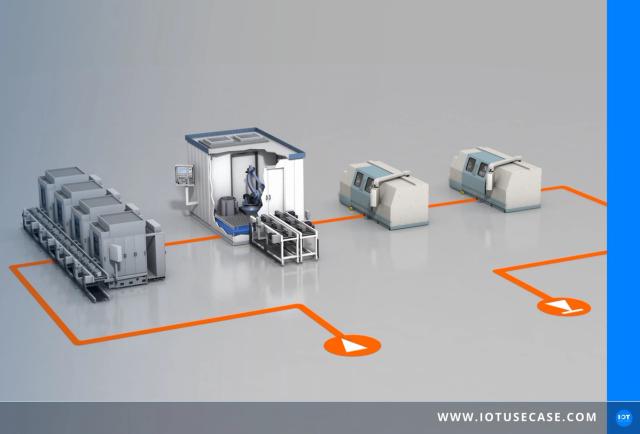
The high vertical integration adds further complexity: many metal and electronics companies master the entire process from raw material to finished part. IoT solutions must deliver consistent data across all production stages and integrate seamlessly into existing MES and ERP systems.
Real-World Examples from the IoT Use Case Network
In our network you will find concrete, verified solution examples from the metal and electronics industry – from process monitoring in welding and laser cutting and predictive maintenance on presses to automated quality assurance in SMT manufacturing and digital material documentation. Every example shows which technologies were used, what challenges existed, and what was concretely achieved in the end.
No marketing fluff. Only practice.
Implementing IoT in metal and electronics – we can help
Are you planning an IoT project in the metal or electronics industry, or do you want to become visible as a solution provider in this area? We help you find the right partners, present solutions in a practical way, and reach real users.
Get in touchHave a concrete IoT project in mind?
We know the vendors who've already done it.