
Logistic
Logistics lives on speed, accuracy, and reliability. Warehouses that don't know where goods are located. Picking errors that generate returns. Forklifts waiting without proof of usage. Loading bays that become bottlenecks: these challenges cost money every day – and can be resolved through targeted IoT solutions.
Unlike supply chain, logistics is primarily about the internal domain: warehouse logistics, intralogistics, transport coordination at your own site, fleet management, and the processes between goods receipt and goods dispatch. IoT makes these processes visible, automatable, and optimisable too.
On this page you will find verified real-world examples from the IoT Use Case network – for logistics managers who want to tackle concrete problems with concrete solutions.
These challenges are driving IoT projects in logistics
Missing real-time warehouse location and high search times
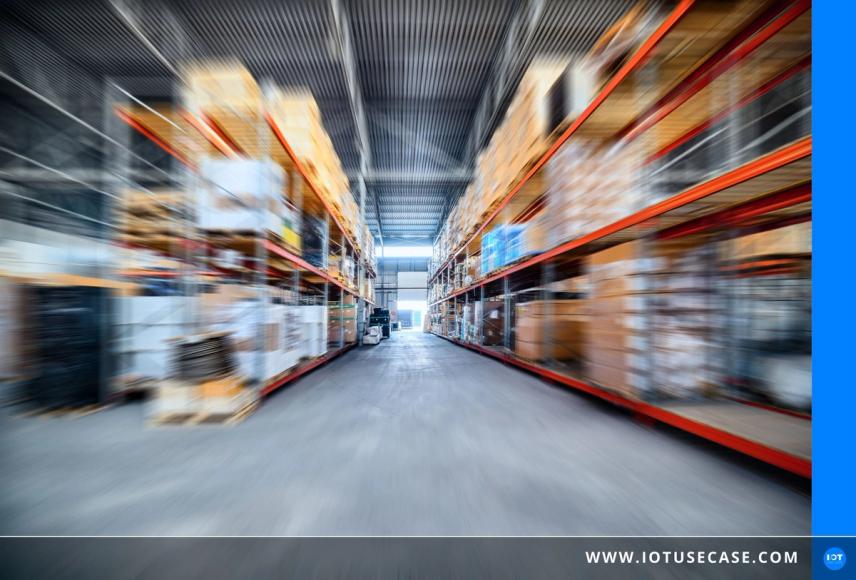
Where is which item? In which shelf, which aisle, which area? Without indoor positioning or RFID-based inventory, searching for articles costs valuable time every day. IoT-supported real-time warehouse location tracking makes inventory visible at item level – reducing search times to near zero.
High error rates in order picking
Wrong item, wrong quantity, wrong storage location: picking errors are expensive. Pick-by-light, pick-by-voice, and vision systems with IoT connectivity guide pickers precisely to the right item and digitally confirm the pick – for near-zero error rates and traceable processes.
Inefficient management of the internal vehicle fleet
Forklifts, tow trains, and industrial trucks: internal fleets are capital-intensive and maintenance-heavy. IoT-based fleet management automatically records operating times, battery status, maintenance due dates, and driver activity. This reduces downtime, prevents unexpected failures, and lowers total operating costs.
Suboptimal warehouse utilisation and process bottlenecks
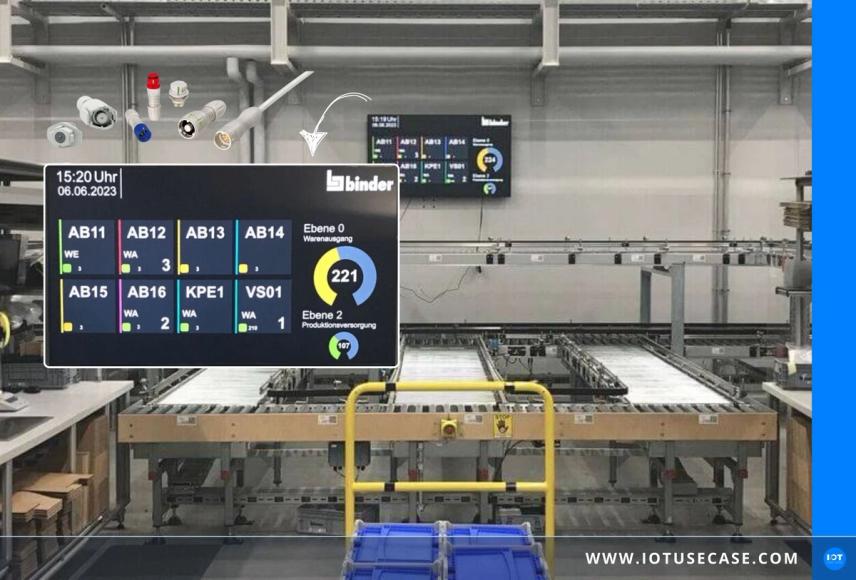
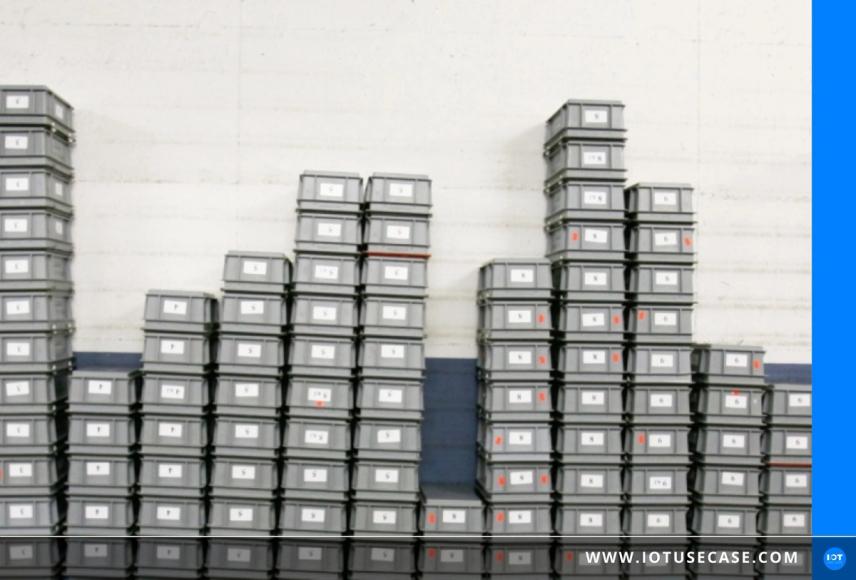
Warehouses cannot be run efficiently if occupancy rates, throughput times, and bottlenecks are unknown. IoT sensors on storage locations and aisles capture occupancy, frequency, and congestion in real time. This enables warehouse layouts, routing, and processes to be optimised on a data basis.
Temperature monitoring and quality assurance in the warehouse
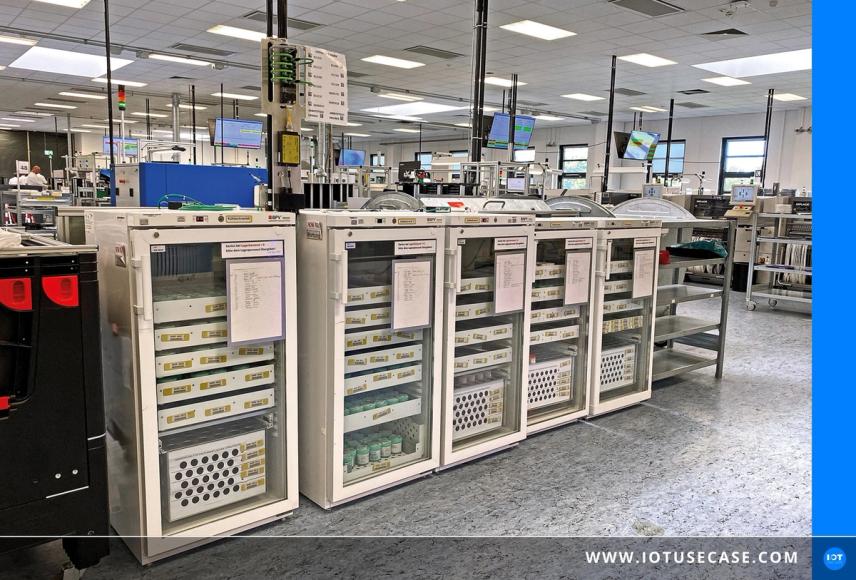
Storage costs are directly linked to temperature management – whether cold stores for food or climate-controlled warehouses for electronics. IoT temperature and humidity sensors continuously monitor storage conditions, alert on deviations, and log without gaps for compliance documentation.
Inefficient yard and dock management
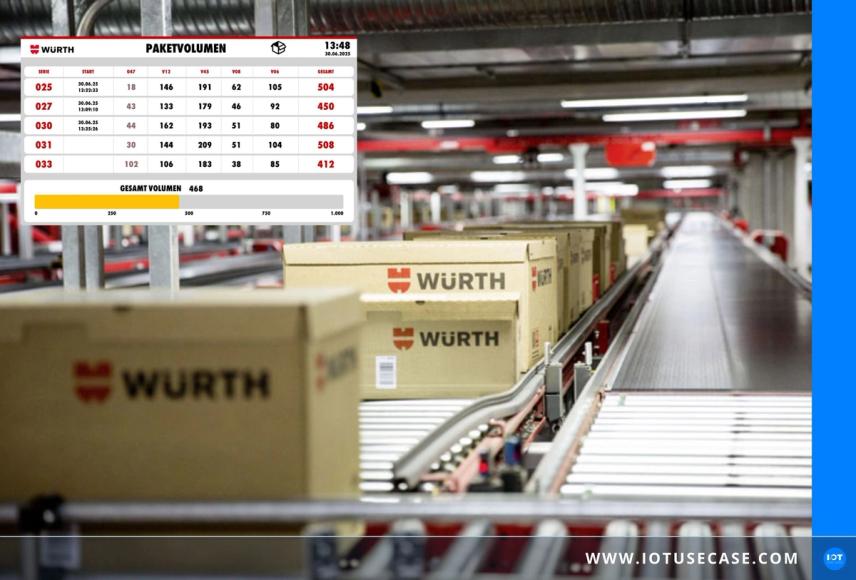
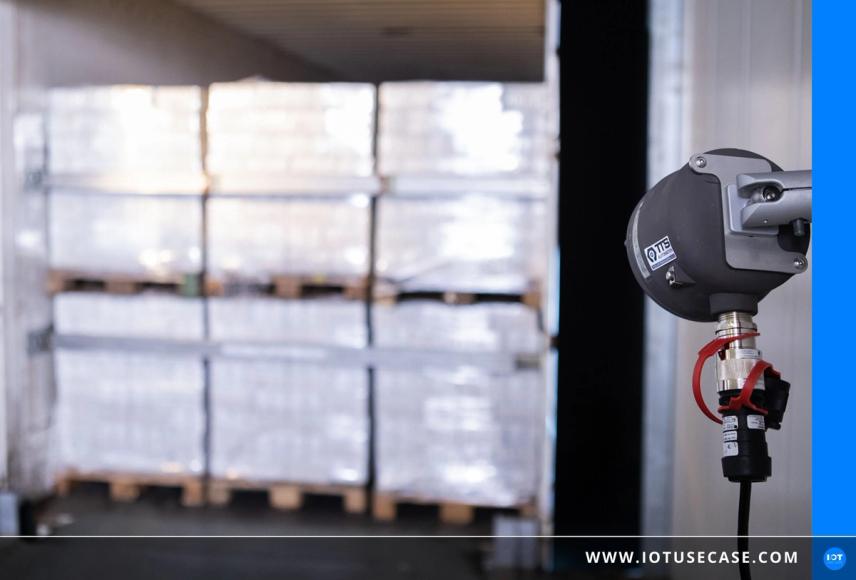
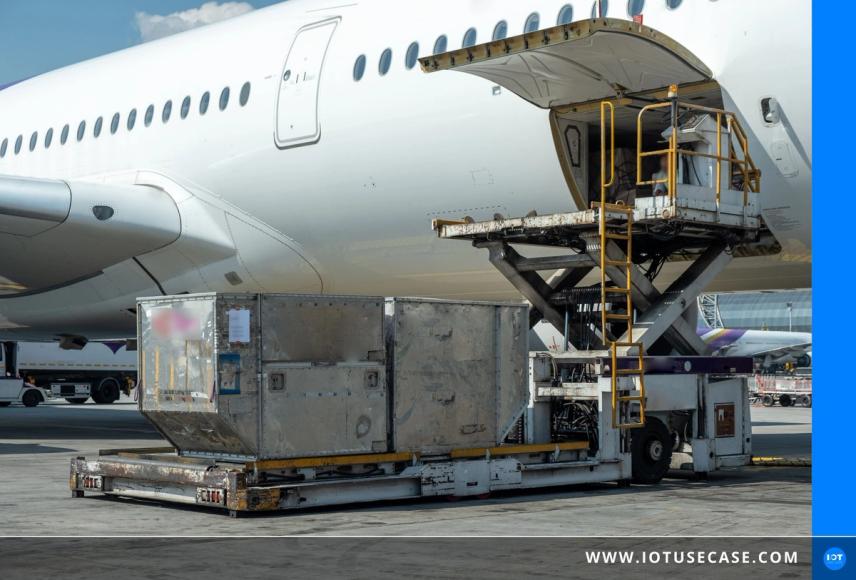
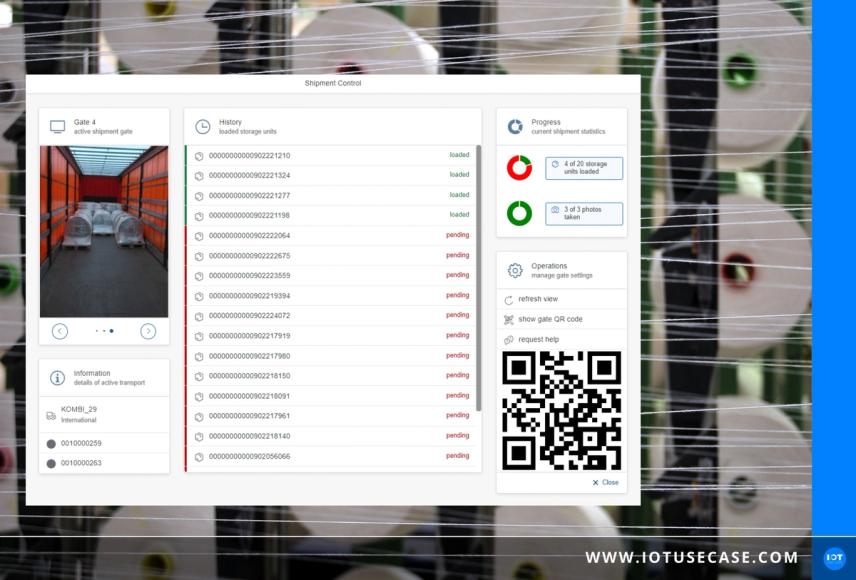
When does which delivery arrive? Which dock is available? How long is the waiting time? Without digital visibility, congestion, idle time, and delayed unloading result. IoT-supported yard and dock management optimises the planning and coordination of truck arrivals and departures in real time.
Real-world solution examples in the Logistic functional area

















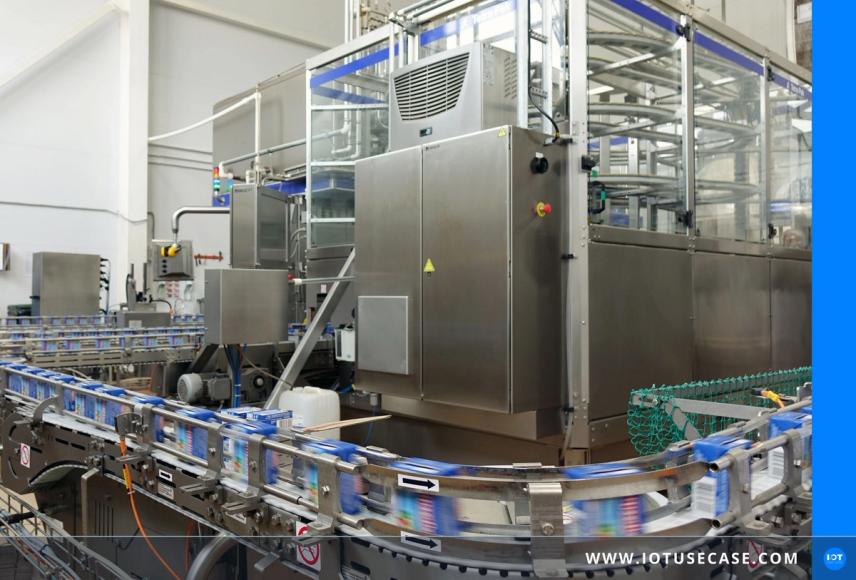






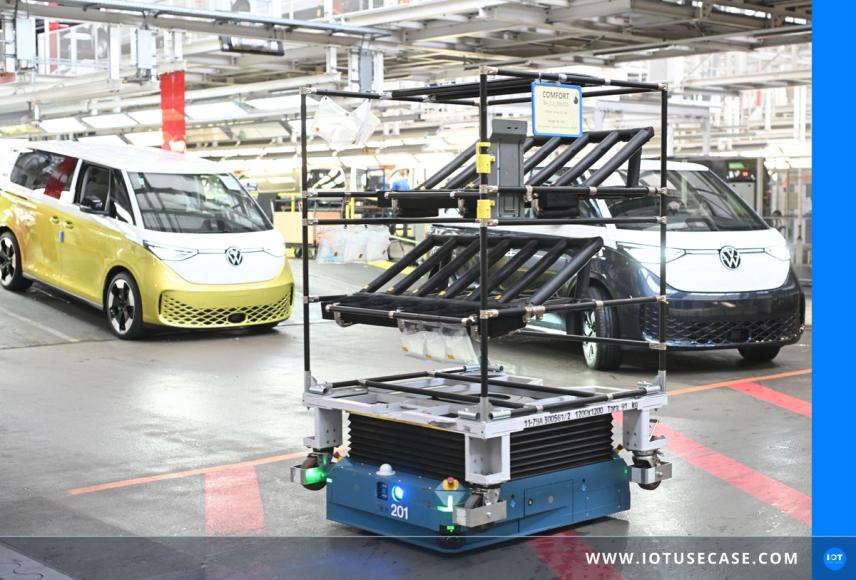


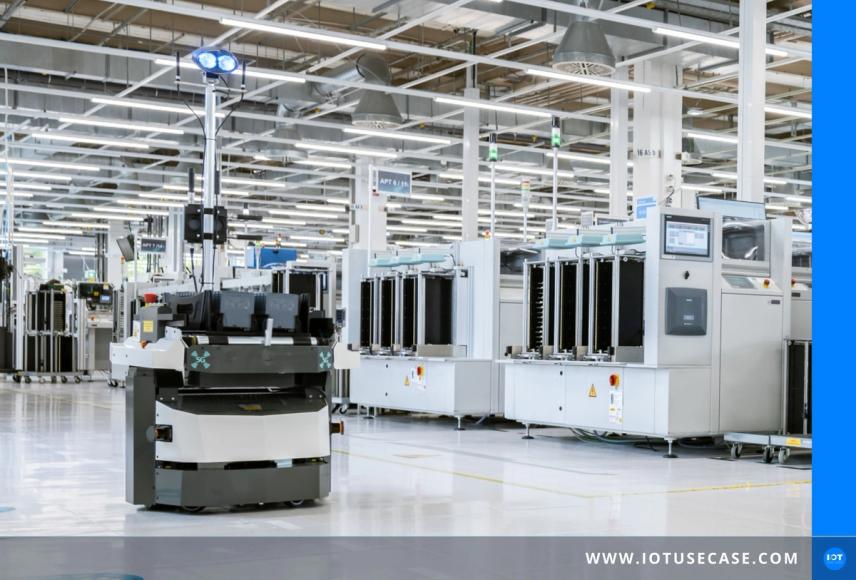

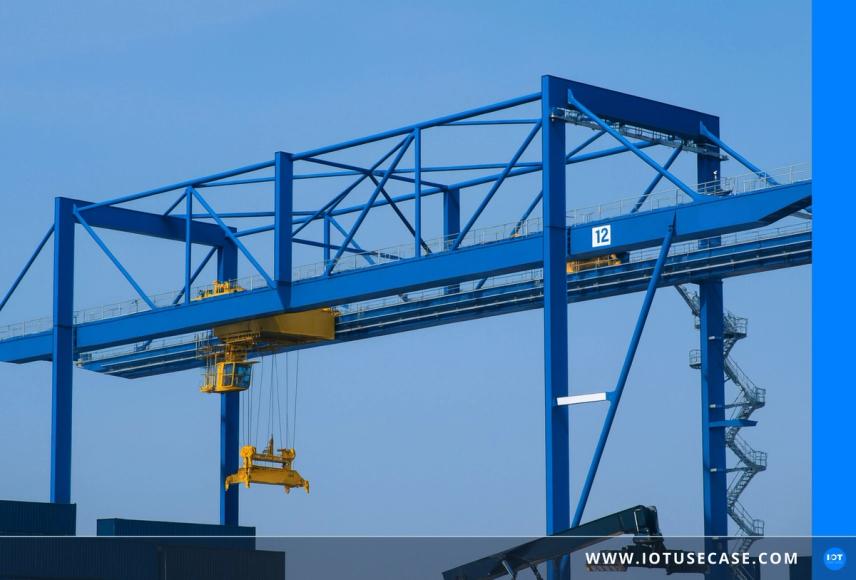









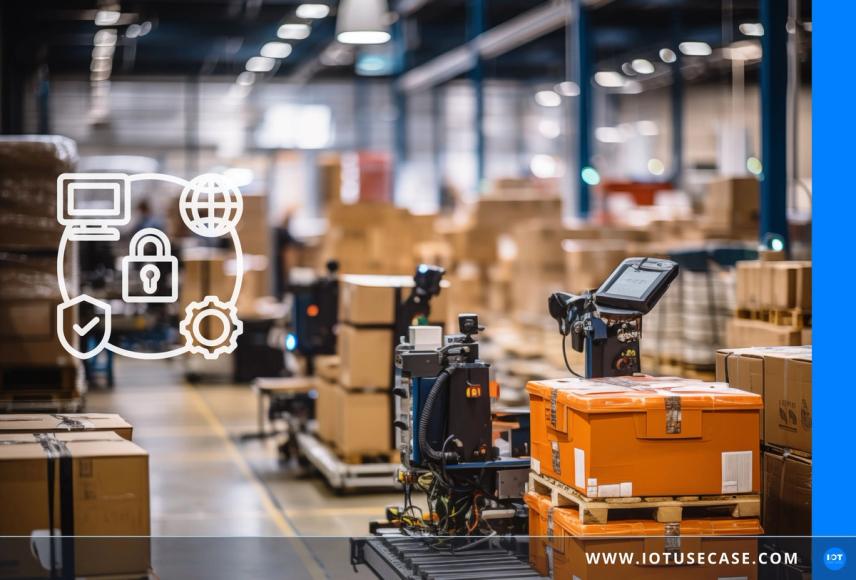




































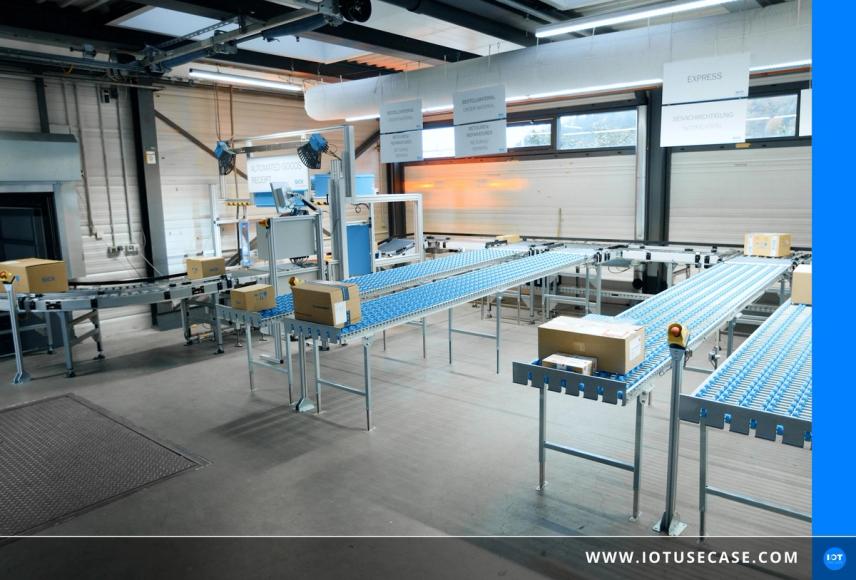
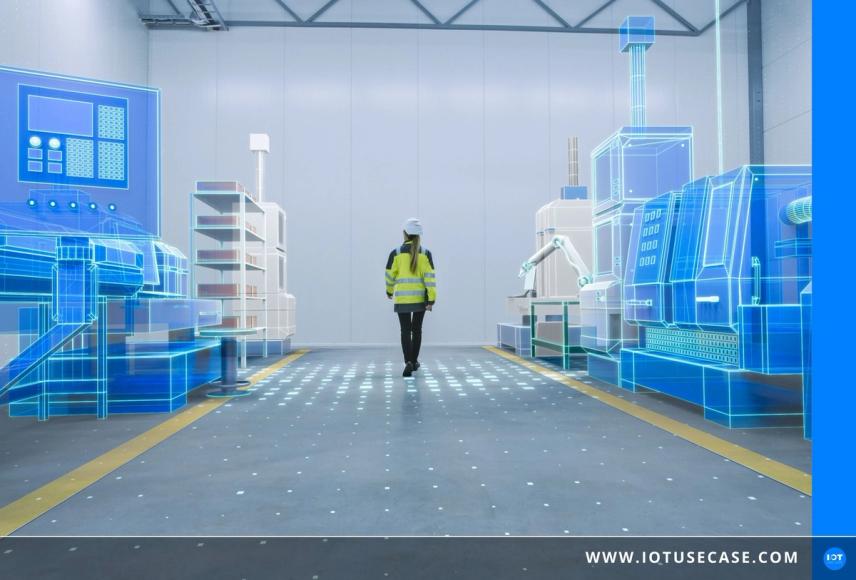

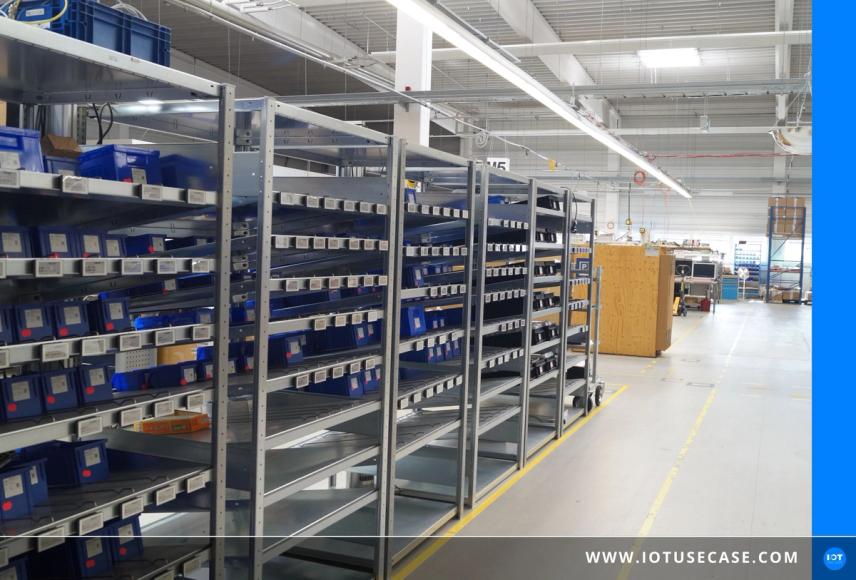

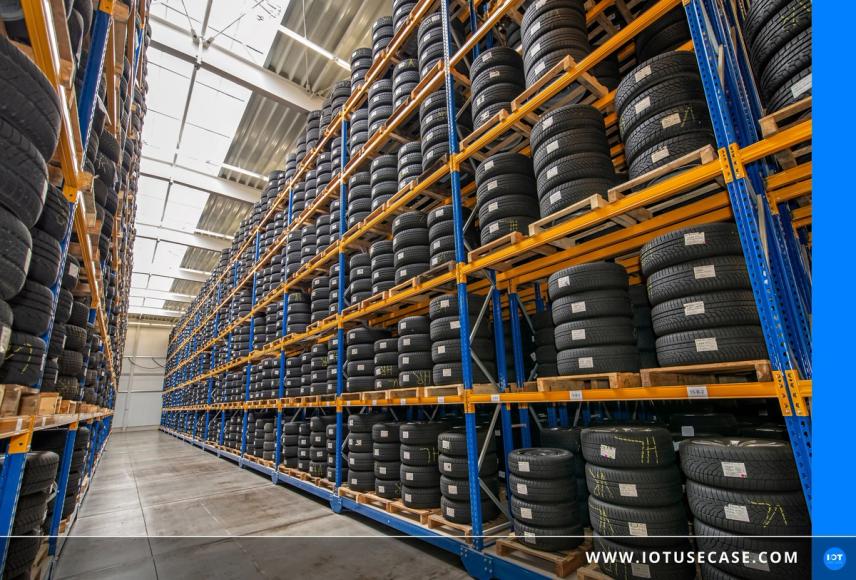









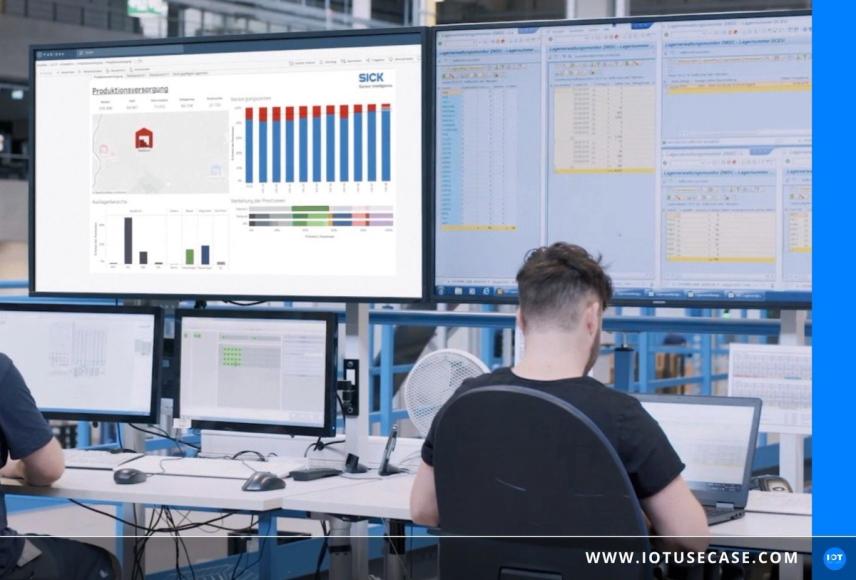
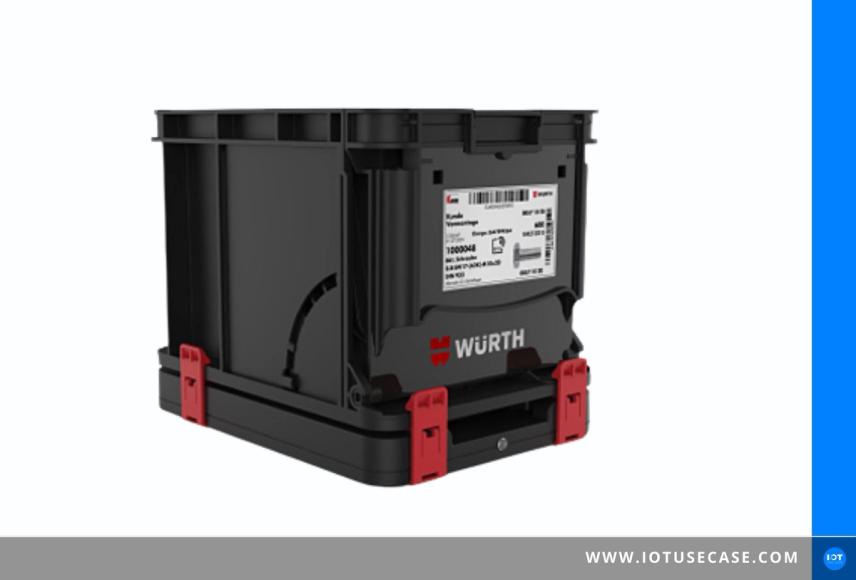







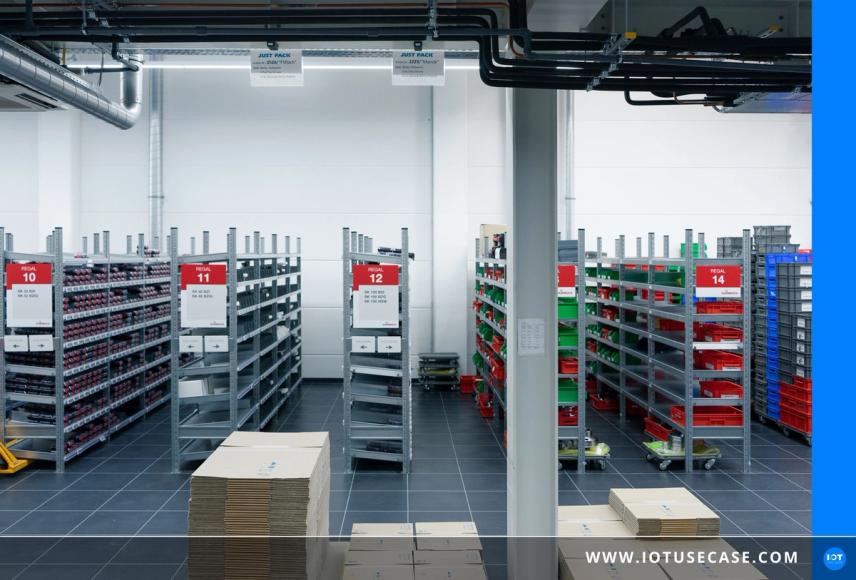


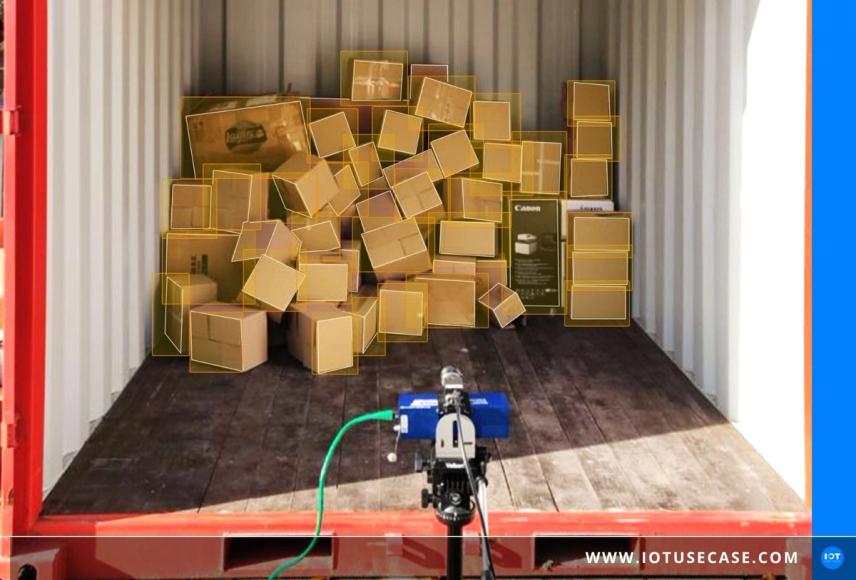



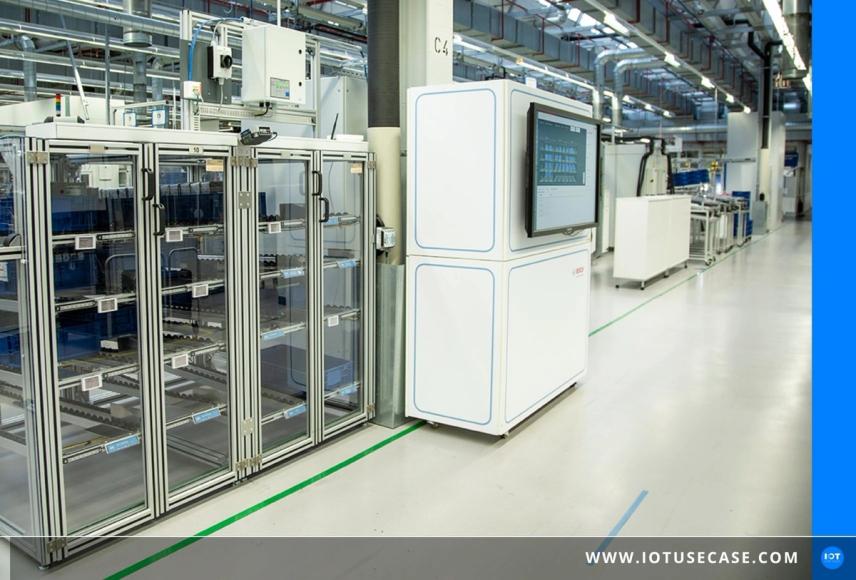

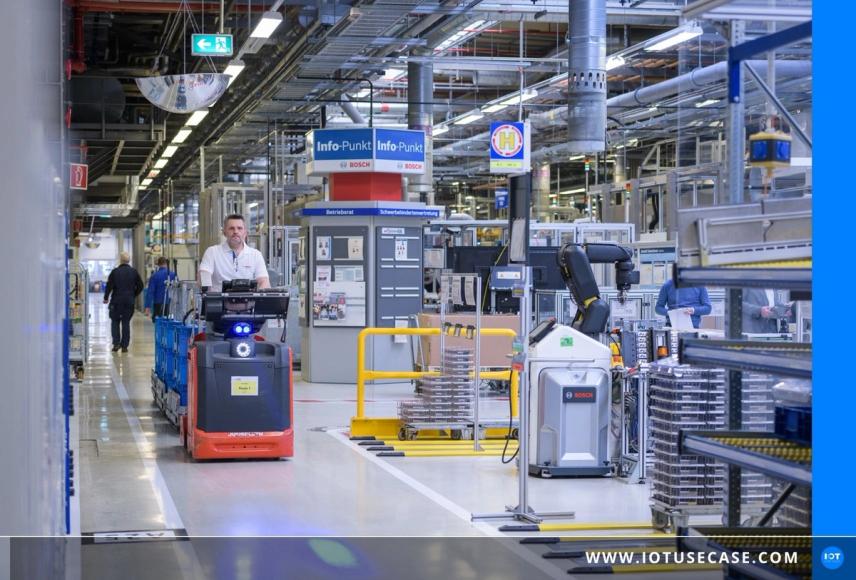



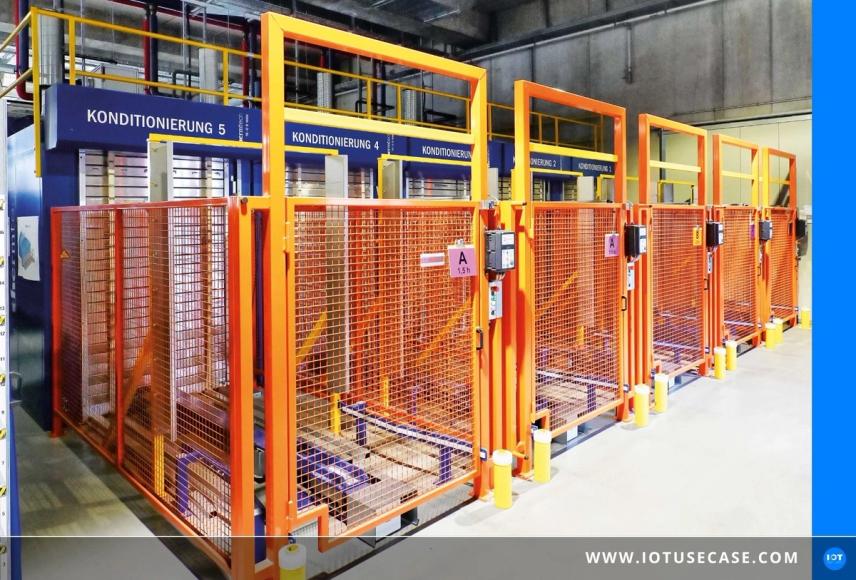

IoT in Logistics: What Actually Works in Practice
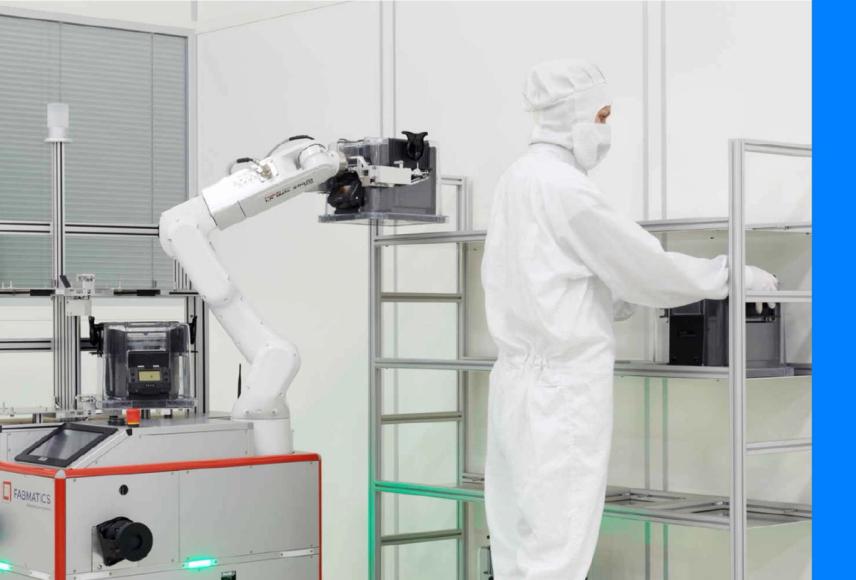
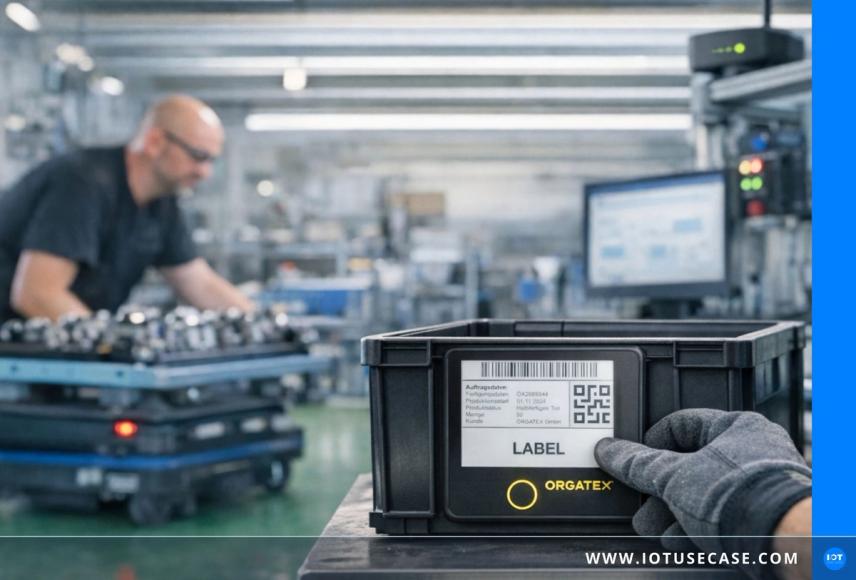
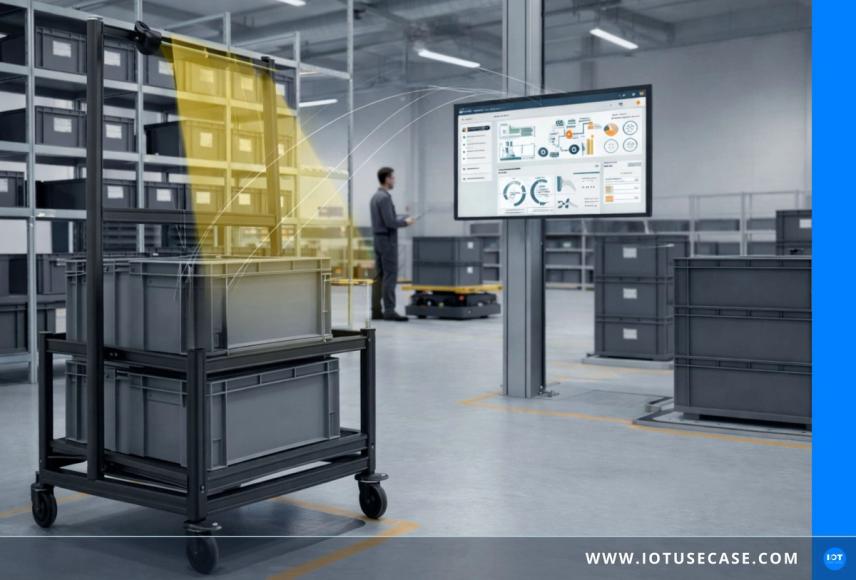
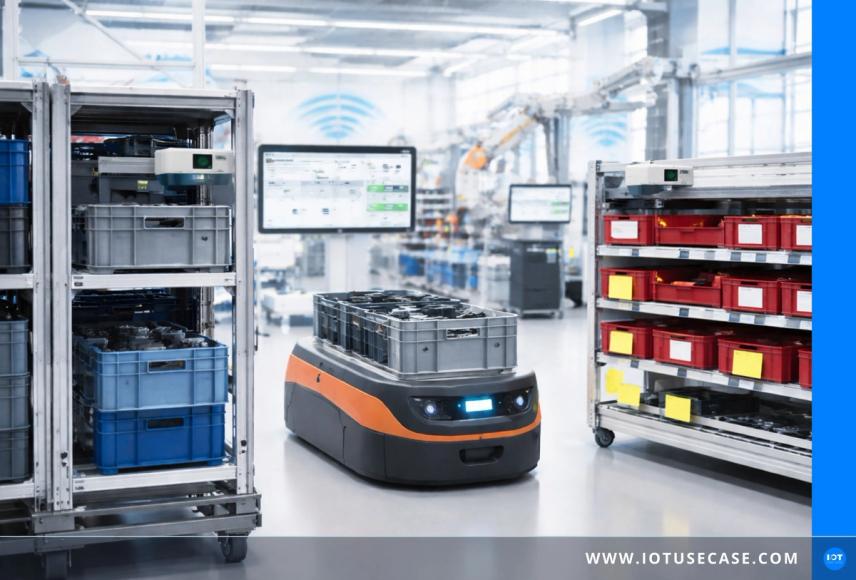
Warehouses and intralogistics are often the neglected areas of digitalisation – because they do not operate machines in the traditional sense. Yet they offer enormous potential: error reduction in order picking, shorter search times, more efficient fleet utilisation, and optimised warehouse occupancy can all be achieved through targeted IoT solutions with comparatively little effort.
Typical Application Areas
Indoor Positioning and Real-Time Warehouse Location
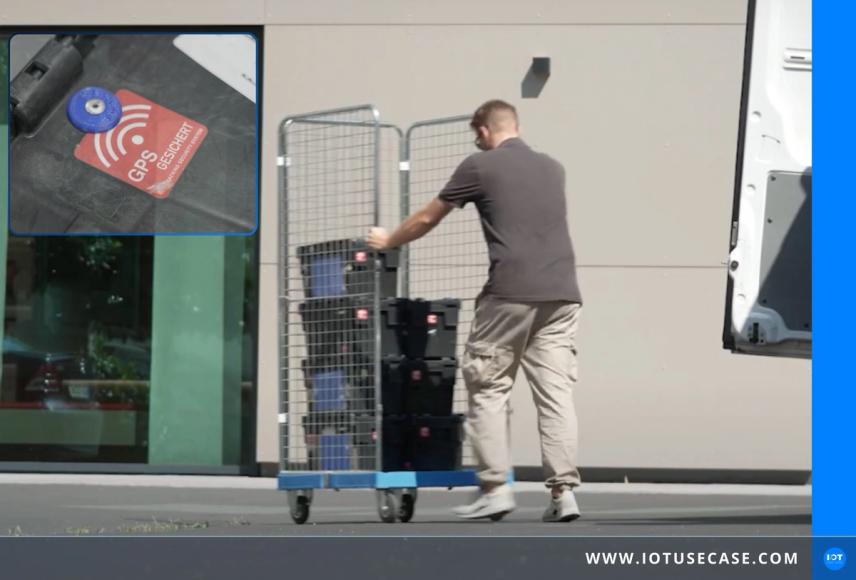
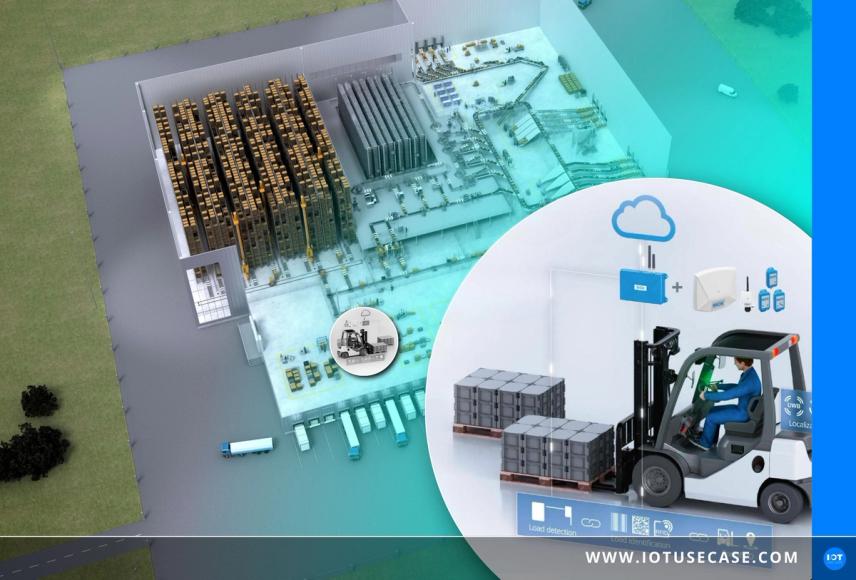
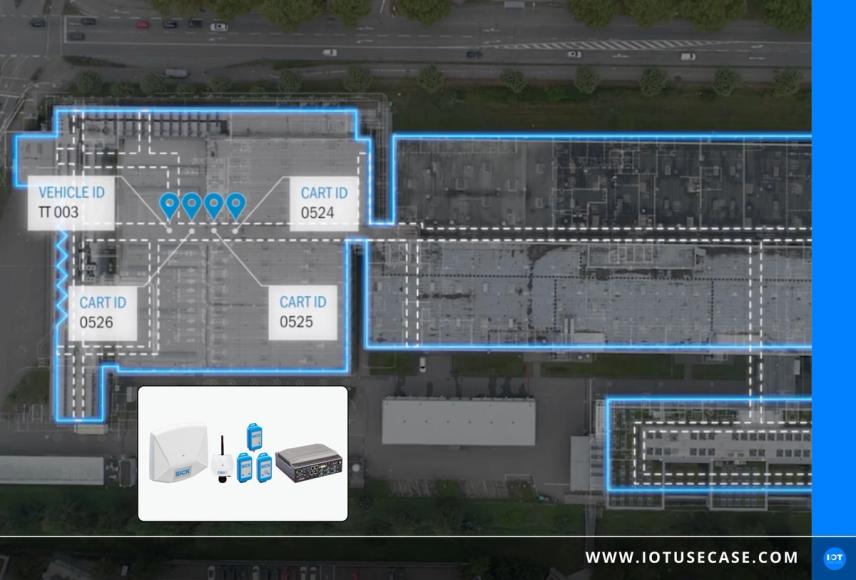
UWB, BLE beacons, or RFID gates enable location of goods, containers, tools, and vehicles to centimetre or metre accuracy – depending on the technology. Storage location and item are automatically linked. Search times drop dramatically, mis-stocking is instantly detected.
Digital Picking Assistance
Pick-by-light guides the picker to the correct storage location via light indicators. Pick-by-voice delivers spoken instructions through a headset. Vision picking shows the shortest route and the searched item via AR headset. All variants reduce error rates to below 0.1% and increase throughput.
Internal Fleet Telematics and Vehicle Management
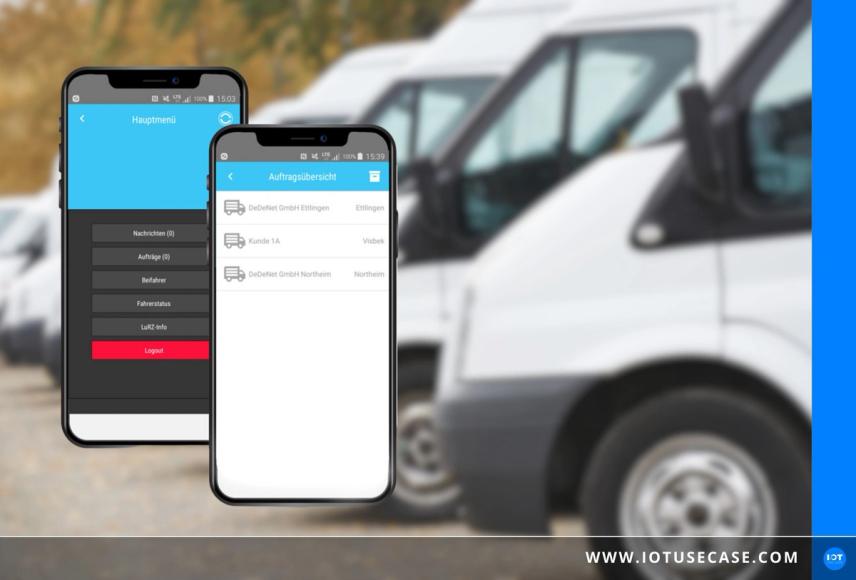
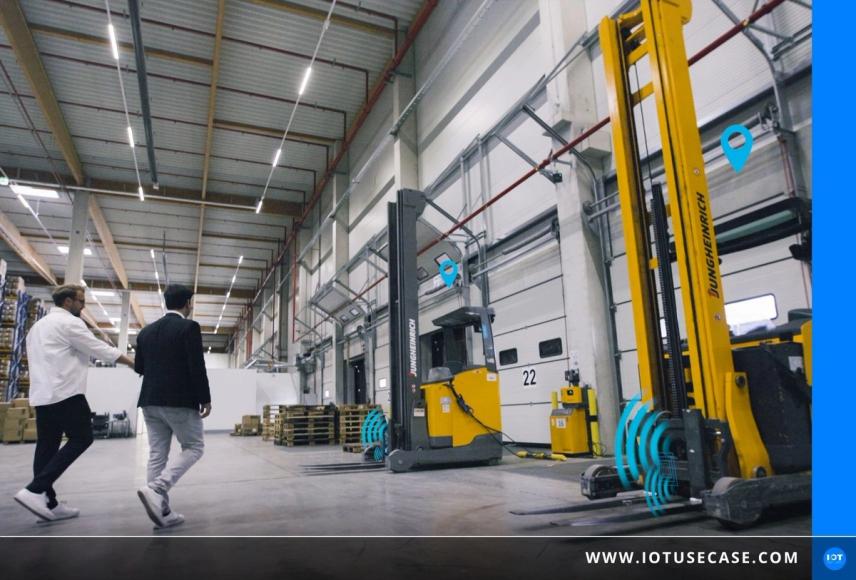
IoT telematics on forklifts and tow trains captures idle time, operating time, battery level, and shock events. Maintenance intervals are planned on a condition basis, shock logs prevent investigations. Utilisation analyses show over- or under-use of the fleet and optimise investment decisions.
Temperature Monitoring in Cold and Specialist Storage
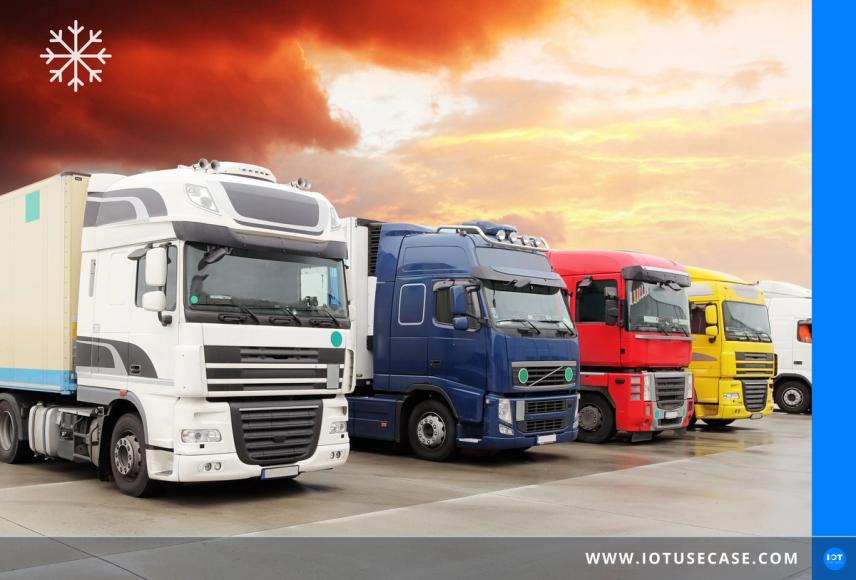
Wi-Fi or LoRaWAN-capable temperature and humidity sensors continuously monitor cold stores, freezers, and specialist warehouses. Deviations trigger immediate alerts. All readings are logged without gaps – as evidence for food safety authorities, pharmaceutical regulators, or customer audits.
Yard Management and Dock Optimisation
Licence plate recognition at entrances, sensors on loading docks, and digital time-slot booking systems coordinate truck movements automatically. Dock occupancy becomes transparent, waiting times decrease, handling teams are scheduled on demand.
What Sets IoT in Logistics Apart from Other Areas
Logistics IoT must be implemented while operations continue – warehouses do not close for pilot projects. Solutions must work without extensive IT infrastructure, run on batteries or wirelessly, and be operable by staff without technical background. Simplicity here is not a nice-to-have but a condition for success.
Real-World Examples from the IoT Use Case Network
In our network you will find concrete, verified solution examples for logistics and warehousing – from indoor positioning in large warehouses and pick-by-light systems in food logistics to fleet telematics for forklift pools and yard management solutions for distribution centres. Every example shows what was actually implemented and what it achieved.
No marketing fluff. Only practice.
Implementing IoT in logistics – we can help
Are you planning an IoT project in warehouse or intralogistics, or do you want to become more visible as a solution provider in the logistics sector? We help you find the right partners and reach real end users.
Get in touch