
Critical Infrastructure (KRITIS)
Critical infrastructures – energy, water, wastewater, transport, health, telecommunications – are the arteries of modern societies. Their failure is not a business question but a matter of public safety. At the same time, many of these facilities are older, more heterogeneous, and less digitalised than industrial standards – and are under increasing regulatory pressure from BSI-KritisV, EU-NIS2, and the IT Security Act.
IoT plays a dual role in KRITIS: as a technology for monitoring and optimising operations – and as a potential attack surface that must be secured. Operating sensor networks in drinking water infrastructure, substations, or control centres requires different security requirements than in a manufacturing operation.
On this page you will find verified real-world examples from the IoT Use Case network – for operators and solution providers planning, implementing, or securing KRITIS-compliant IoT projects.
These challenges shape IoT projects in critical infrastructures
High regulation from NIS2, BSI-KRITIS, and the IT Security Act
EU-NIS2, BSI-KritisV, and the IT Security Act place high demands on operators of critical infrastructure: risk analyses, reporting obligations, minimum security standards, and documentation requirements. IoT systems must fit within this regulatory framework – and operators need tools that automatically generate compliance evidence.
Cyber threats and physical attacks on KRITIS facilities
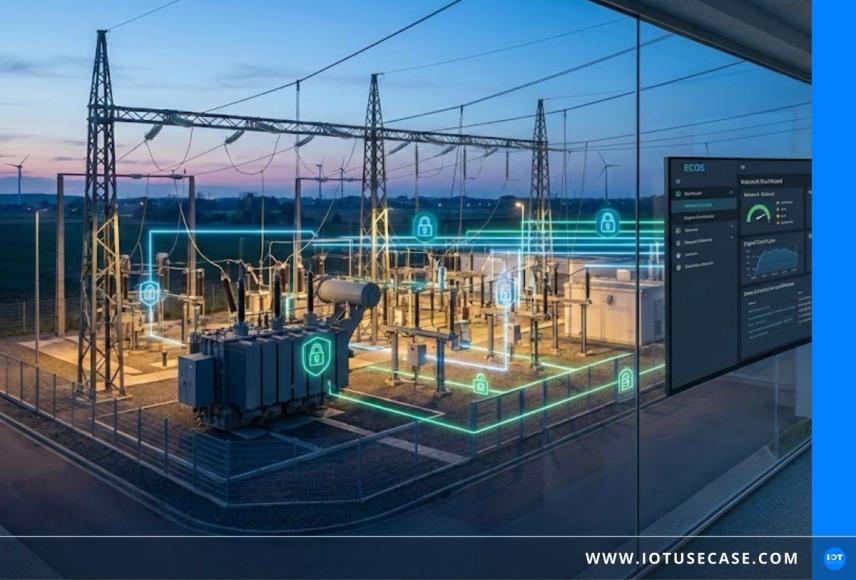
KRITIS infrastructure is a primary target for state and criminal cyber attacks. IoT sensors and gateways in such environments must be hardened against physical manipulation and cyber attacks. Network segmentation, encrypted communication, air-gap concepts, and automatic anomaly detection are mandatory, not optional.
Outdated legacy systems and missing IT/OT integration
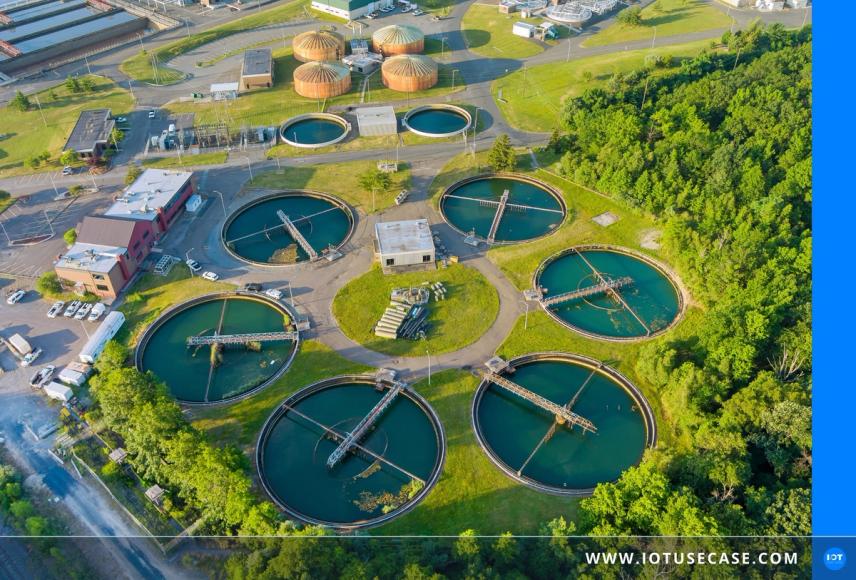
Water treatment plants, substations, sewage treatment plants: many KRITIS facilities were built decades ago and are equipped with proprietary SCADA systems, outdated PLCs, and non-patchable control software. IoT solutions must be integrated passively and non-invasively – without jeopardising ongoing operations.
Lack of early warning capabilities for disruptions and incidents
Pressure drop in the water network, temperature deviations in the power grid, unexpected level changes in sewage plants: early warning systems based on IoT sensors detect anomalies before they become critical incidents. This reduces response times, prevents failures, and delivers the data for regulatory situation reports.
Decentralised infrastructure and monitoring without network access
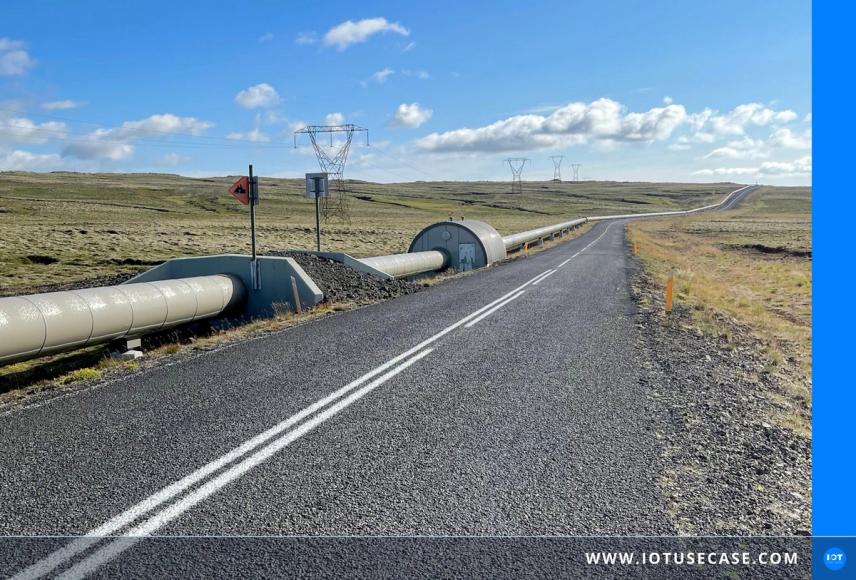
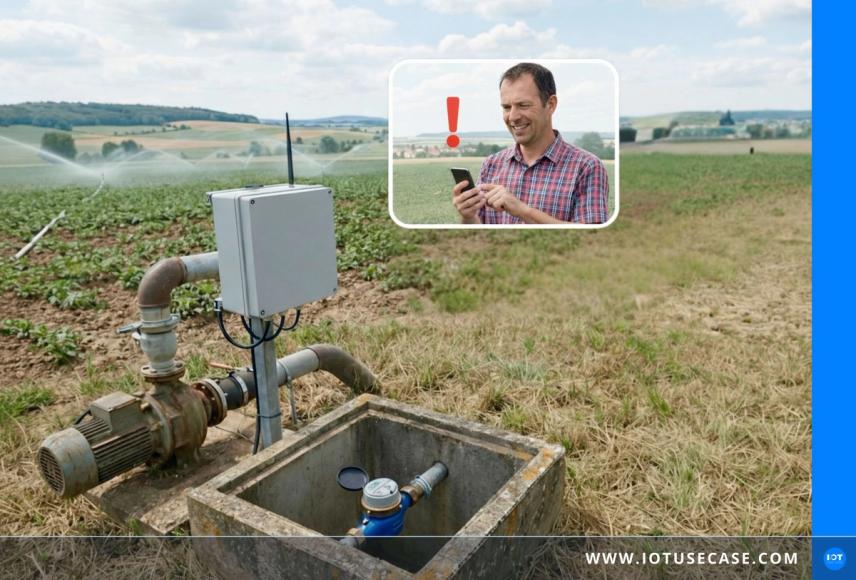
Critical facilities are often distributed across large geographical areas: transformer stations, pump stations, metering stations. IoT remote monitoring supervises decentralised facilities centrally – without costly on-site inspections. Solutions must work even without stable network coverage (NB-IoT, LoRaWAN, satellite) and meet the highest availability requirements.
Physical security and access control at KRITIS facilities
In addition to external attacks, unauthorised internal access is also a threat. Access controls at critical plant components, movement logs in protected zones, and automatic alarms on unauthorised entry – IoT-supported physical security solutions are just as relevant for KRITIS operators as cyber security.
Real-world solution examples in the Critical Infrastructure (KRITIS) functional area






































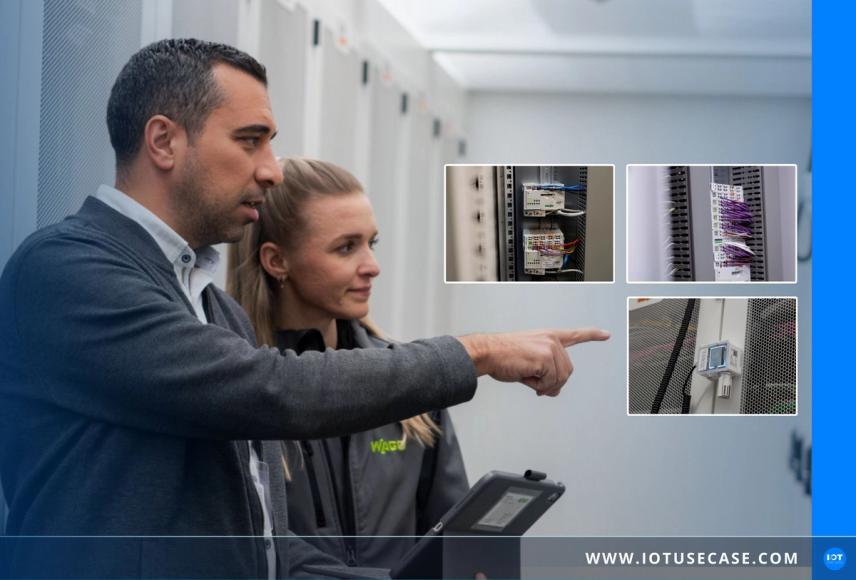


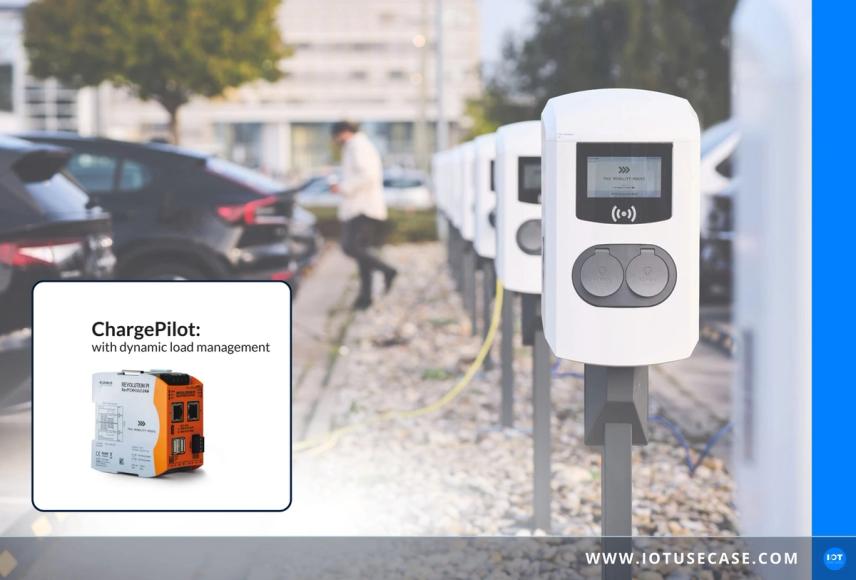

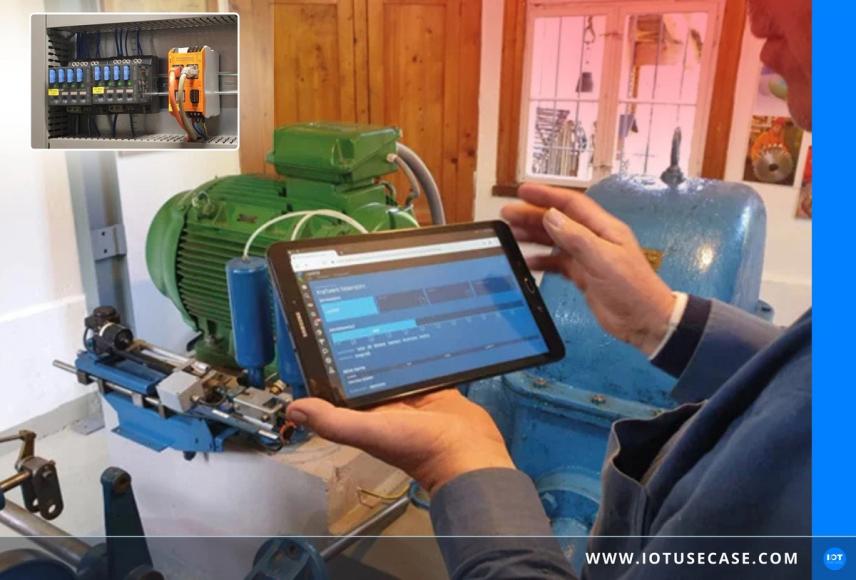
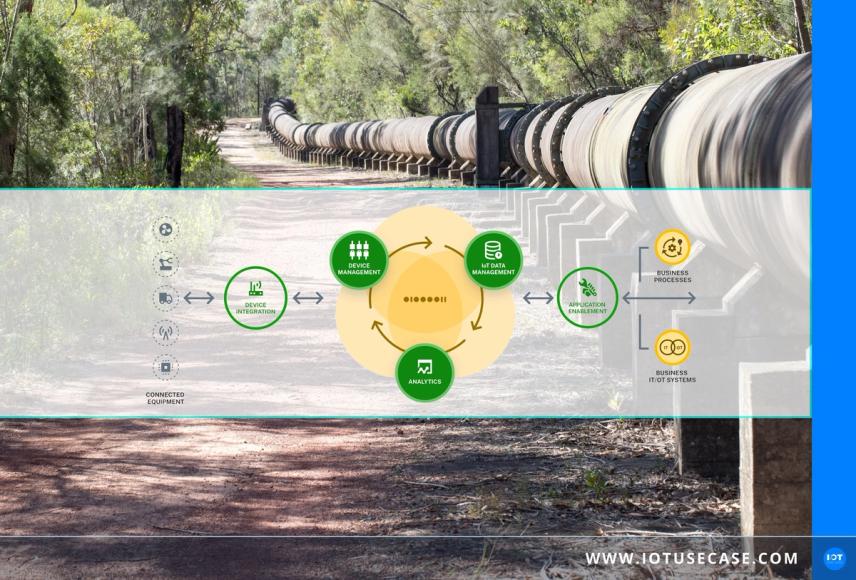

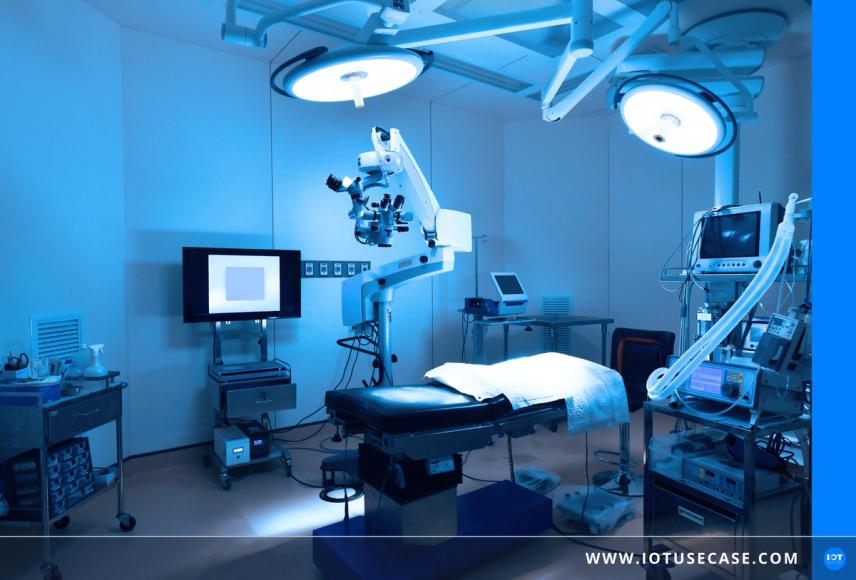
















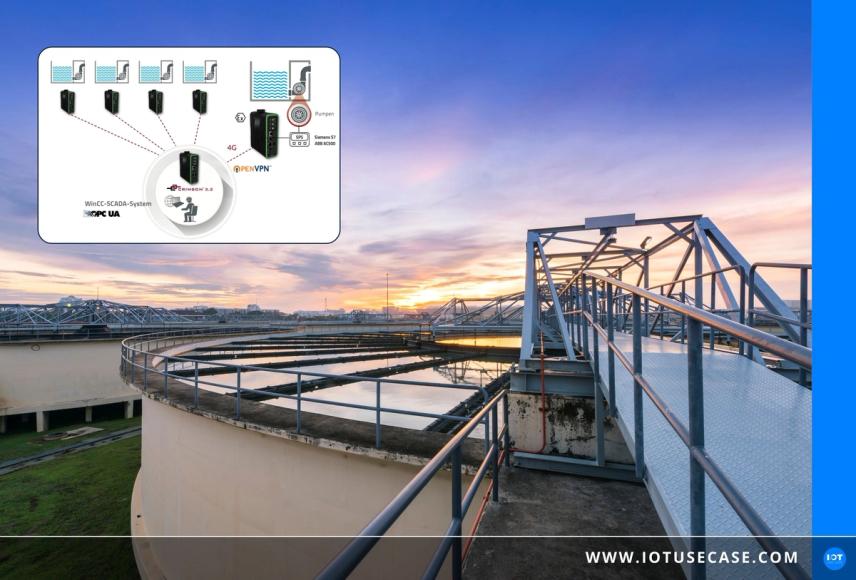










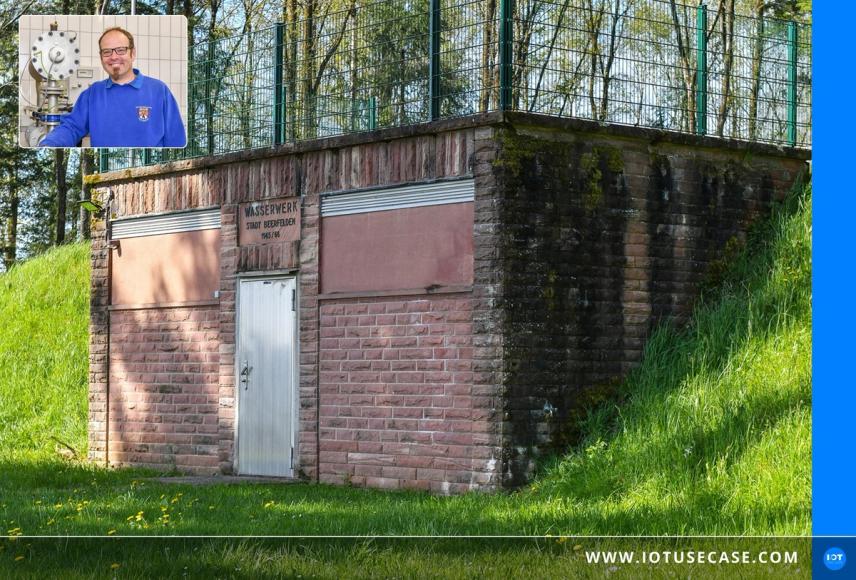











































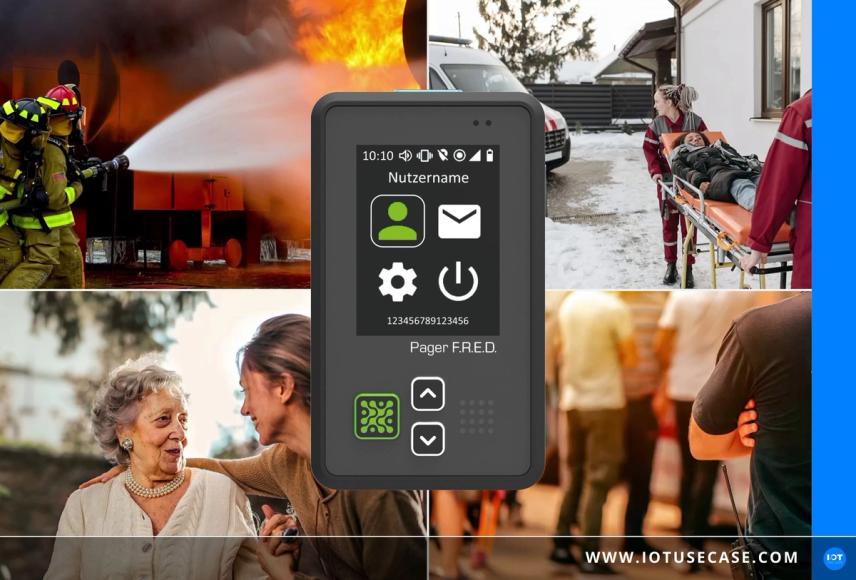






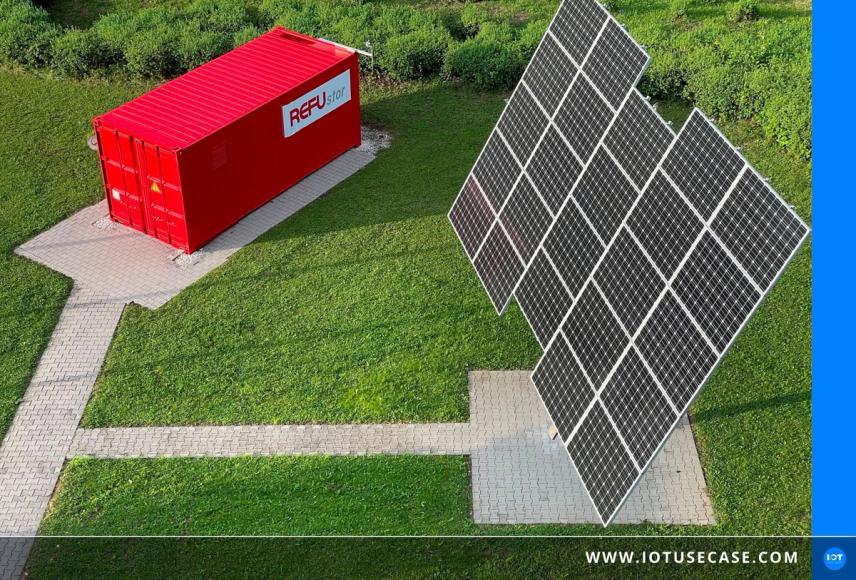


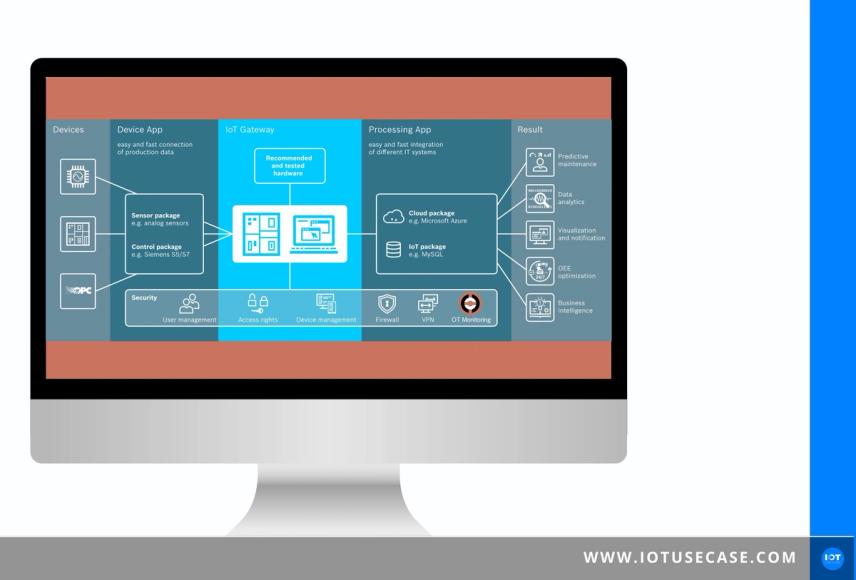









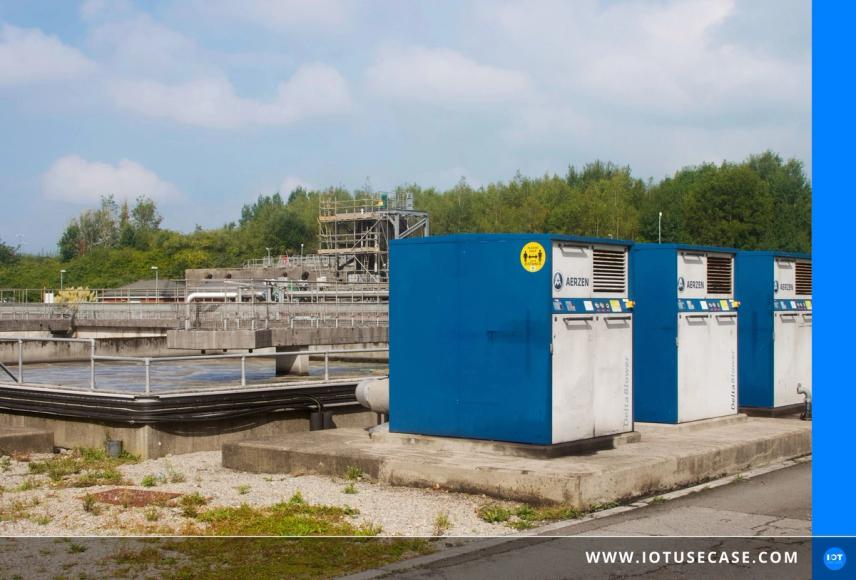

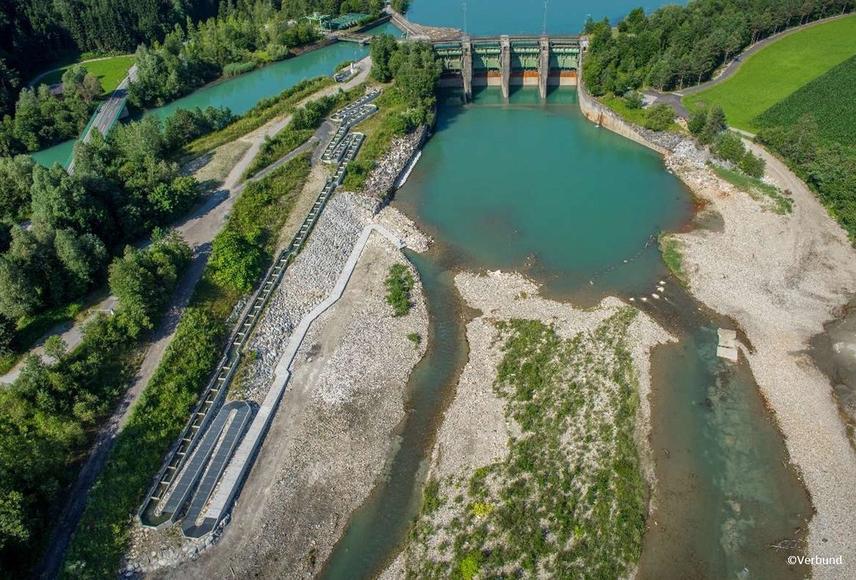














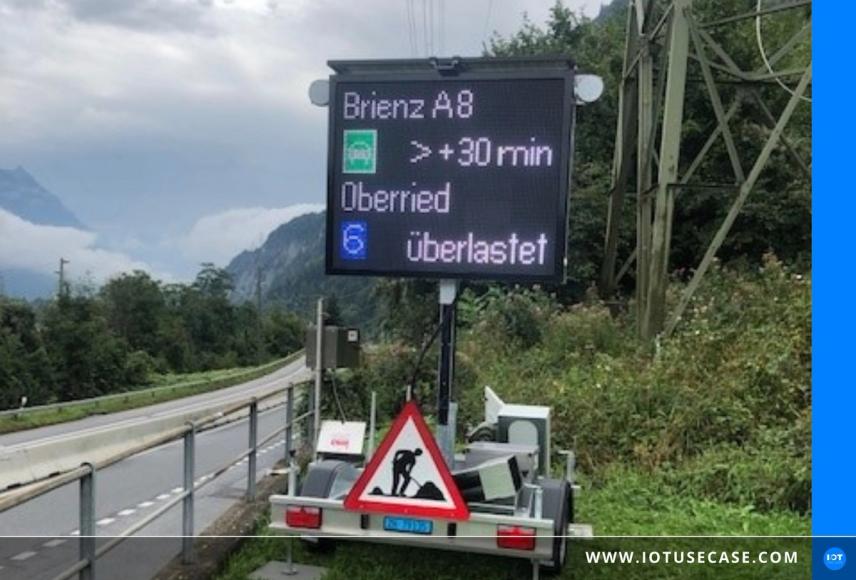



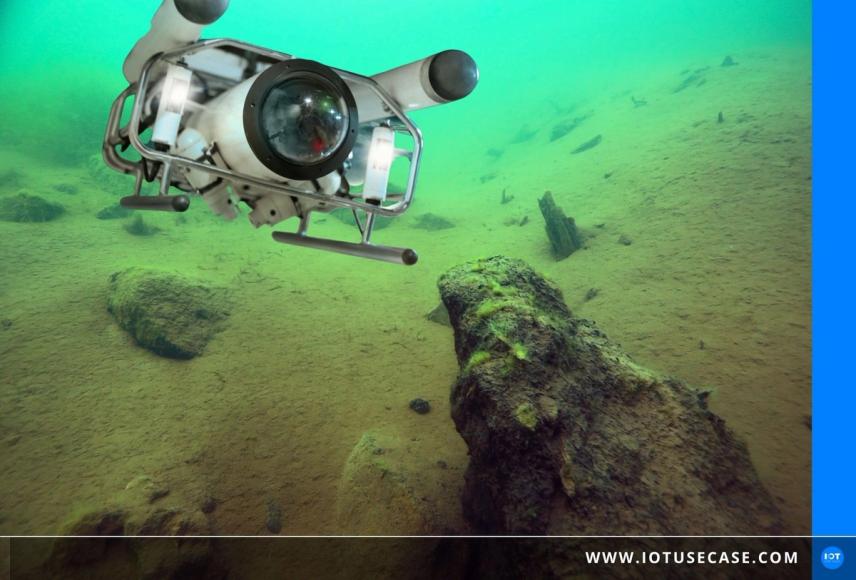











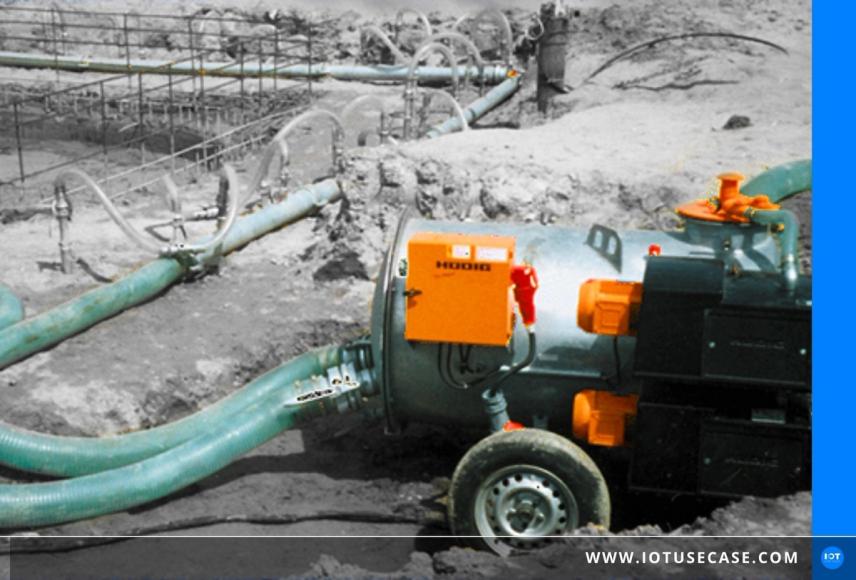





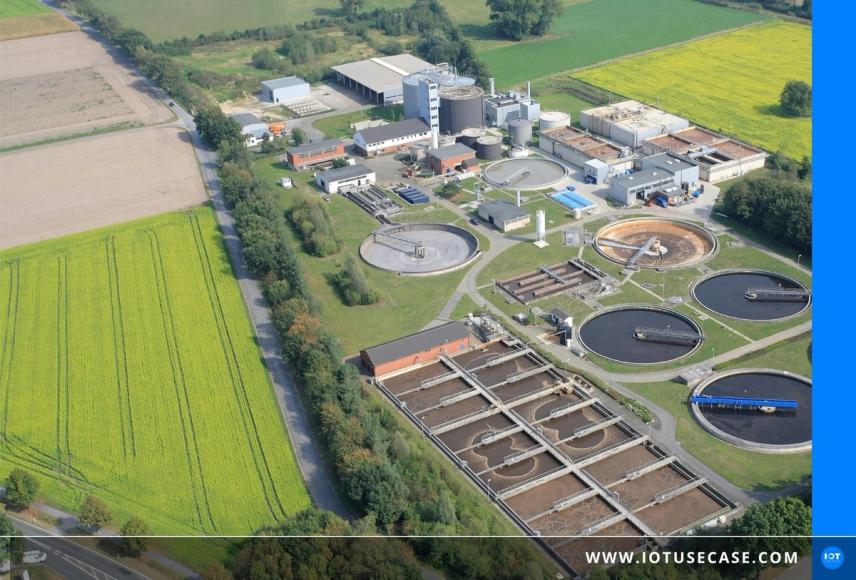










IoT in Critical Infrastructures: What Actually Works in Practice
KRITIS IoT is not a normal industrial project. Security requirements, regulatory specifications, and the criticality of the infrastructure demand concepts that differ significantly from typical Industry 4.0 projects. At the same time, the potential is enormous: better monitoring, early disruption detection, and fewer manual on-site inspections.
Typical Application Areas
Remote Monitoring of Decentralised Facilities
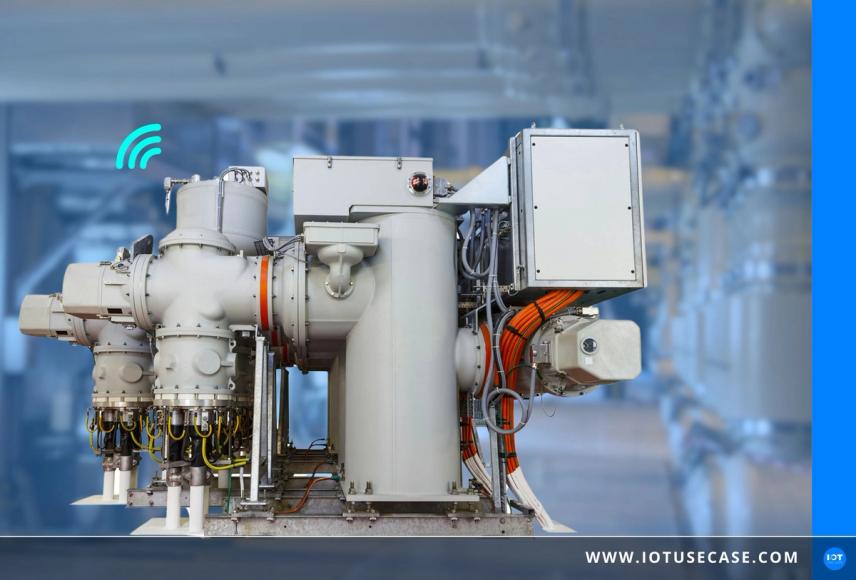
Pump stations, transformer stations, metering stations, and switching systems spread over large areas are too costly for regular on-site inspections. IoT sensors remotely monitor operational parameters such as pressure, flow, voltage, temperature, and fill level. Anomalies are immediately reported. NB-IoT and LoRaWAN work even in areas without broadband coverage.
Early Warning and Situational Management Systems
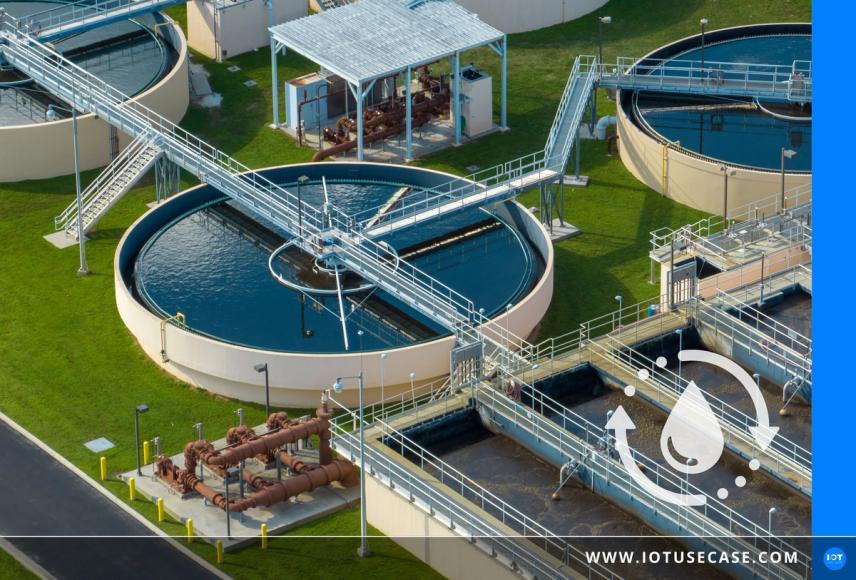
IoT sensor networks in water distribution detect pressure drops or leaks early. In power grids, voltage deviations and feed-in fluctuations are sensorically captured. Intelligent situational systems aggregate measurement data from hundreds of measuring points and automatically generate situation reports for control centres and authorities.
OT Security and Network Segmentation
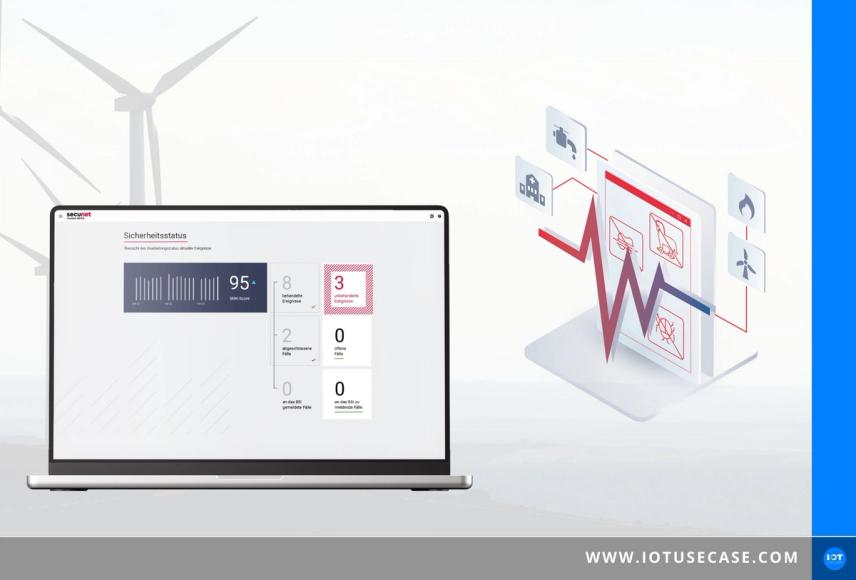
Passive network monitoring instantly detects new, unknown devices in the OT network. Anomaly detection based on baseline profiles of communication behaviour identifies attacks early. Network segmentation according to IEC 62443 isolates critical subsystems. All of this works without intervening in existing SCADA systems.
Physical Security and Perimeter Protection
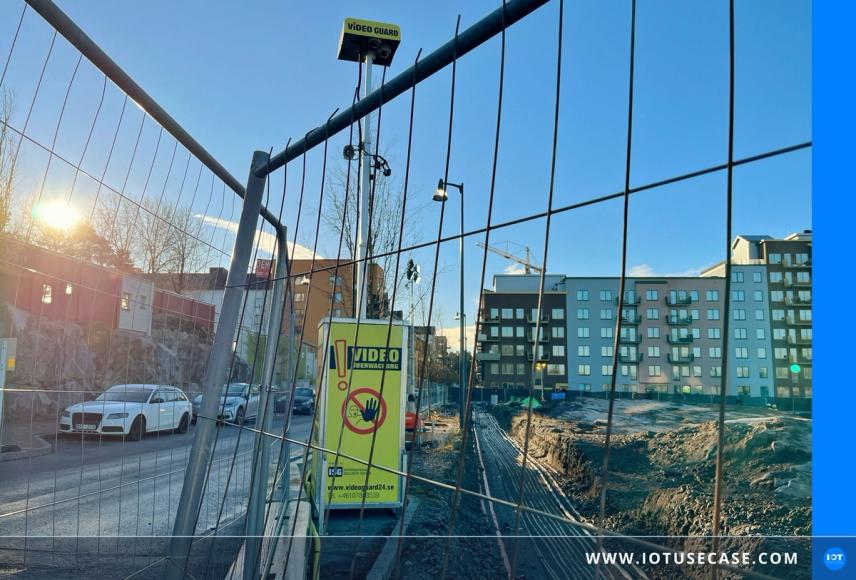
Motion detectors, fence monitoring with AI video systems, biometric access control, vibration sensors at protected zones: physical security solutions for KRITIS facilities must work without internet dependency, be tamper-resistant, and log without gaps.
NIS2 Compliance and Automated Reporting
NIS2 requires demonstrable security measures, risk analyses, reporting obligations, and regular reviews. IoT platforms that continuously monitor and log automatically deliver the data basis for these proofs – without manual documentation.
What Sets IoT in KRITIS Apart from Other Areas
KRITIS IoT is primarily a security and availability project, not an efficiency project. This has direct implications for technology selection, integration strategy, and operating model: redundancy, air gap, fail-safe behaviour, and minimal attack surface take absolute priority. Selected solutions must be explicitly approved or certified for KRITIS requirements.
Real-World Examples from the IoT Use Case Network
In our network you will find concrete, verified solution examples for IoT in critical infrastructures – from remote monitoring for water supply networks and OT security solutions for energy suppliers to physical security systems for substations and NIS2 compliance platforms. Every example shows which technologies were used and what was concretely achieved in the end.
No marketing fluff. Only practice.
Implementing IoT in critical infrastructures – we can help
Do you operate KRITIS facilities and plan IoT projects, or do you want to become more visible as a solution provider in the KRITIS environment? We help you find the right partners and present regulatory-compliant solutions.
Get in touch