
Building
Buildings are the most expensive and longest-lasting economic assets – and at the same time the least digitalised. Heating systems run to failure, energy consumption goes unmeasured, faults are only noticed once they have escalated. IoT closes this gap: sensors continuously monitor buildings, real-time data enables proactive action.
Whether office building, industrial hall, hospital, or data centre – the requirements for smart building technology are similar: reduce energy consumption, lower operating costs, document ESG targets, and keep occupants satisfied. IoT provides the data foundation for all of this.
On this page you will find verified real-world examples from the IoT Use Case network – from energy monitoring and predictive maintenance to indoor climate monitoring and smart access management.
These challenges are driving IoT projects in the building sector
High operating costs and missing energy visibility
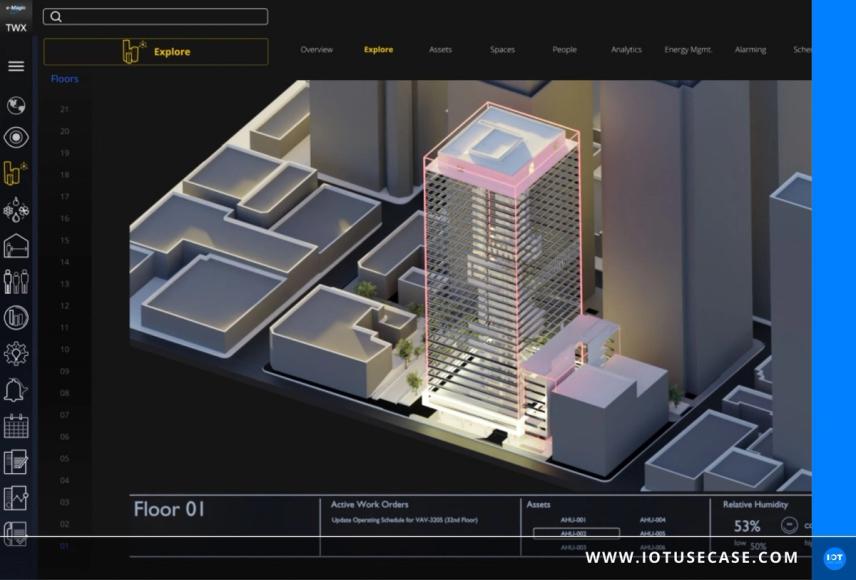
Electricity, heat, and water in buildings are rarely measured at plant or occupancy unit level. Flat-rate billing conceals savings potential. IoT energy monitoring captures consumption granularly – by floor, area, or individual plant – and immediately reveals waste. The data simultaneously provides the basis for ESG reporting and EU taxonomy evidence.
Unplanned failures of building technology
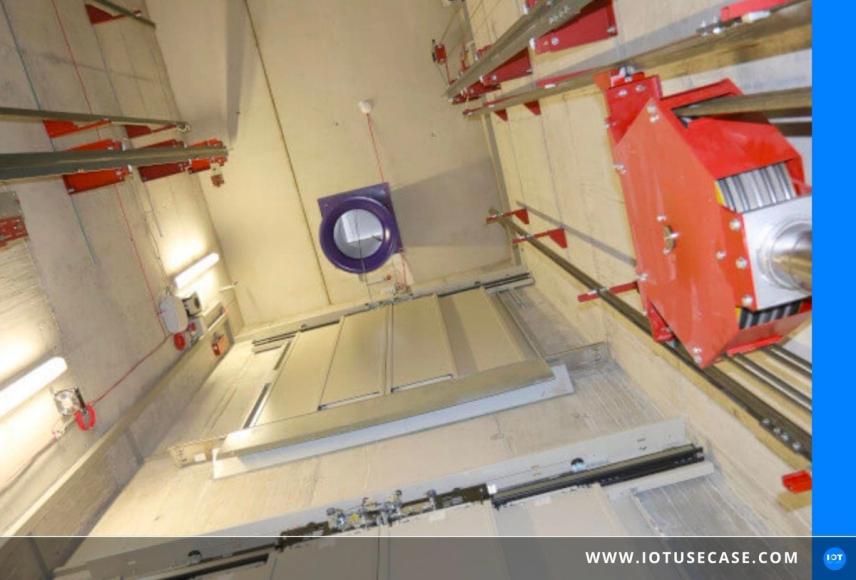
Heating systems, ventilation, lifts, and cooling units frequently fail without warning. Reactive repairs are expensive, disrupt operations, and leave dissatisfied occupants. Sensor-based condition monitoring detects anomalies early – converting unplanned failures into scheduled maintenance windows.
Poor indoor air quality and climate comfort
Poor indoor air quality, insufficient ventilation, and uncomfortable temperatures reduce productivity and wellbeing. CO₂, temperature, and humidity sensors continuously monitor the indoor climate and control ventilation systems on demand – for lower energy consumption and improved occupant comfort.
Inefficient access management and security risks
Traditional key systems are complex to manage, not scalable, and insecure. Digital access management with IoT-based smart locks, automatic visitor logs, and central management across entire properties reduces administrative effort and delivers compliance documentation.
Late detection of building damage and security incidents
Water damage, mould, undetected break-ins, or overheating: many building defects arise from delayed detection. Moisture, smoke, motion, and temperature sensors detect critical conditions in real time and trigger immediate alerts – enabling prevention rather than costly remediation.
Regulatory reporting requirements and ESG pressure
EU taxonomy, CSRD, GEG, and municipal climate targets require documented sustainability data for buildings. Without automated monitoring, these reports remain estimated or manually intensive. IoT systems automatically deliver the standards-compliant data basis for energy certificates, CO₂ balances, and ESG reports.
Real-world solution examples in the Building functional area








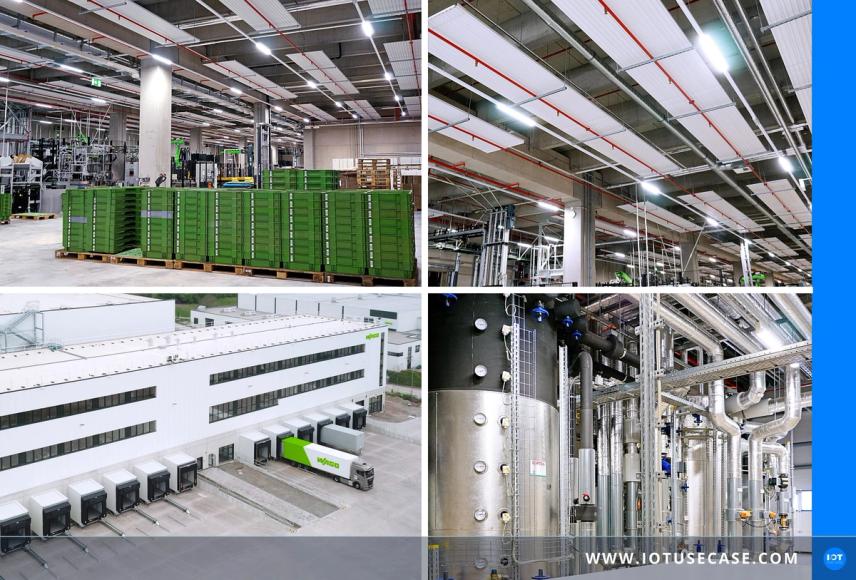

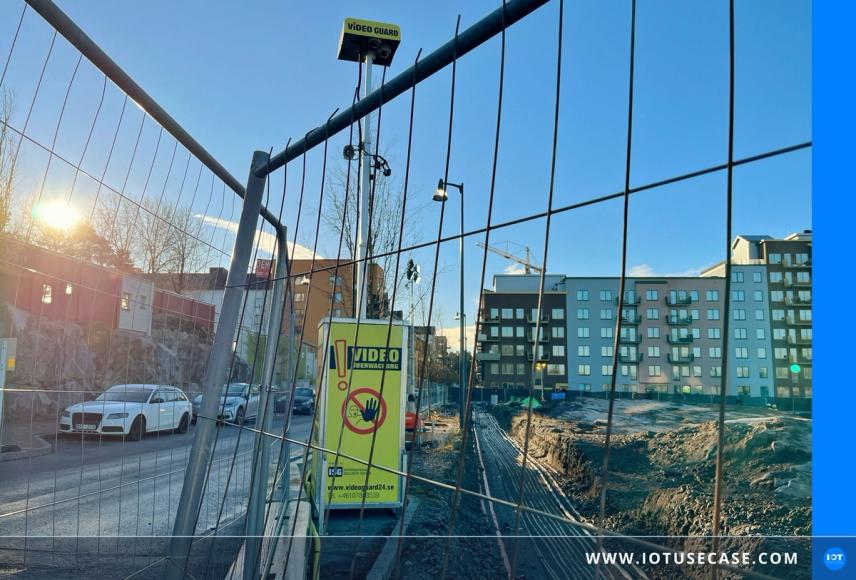


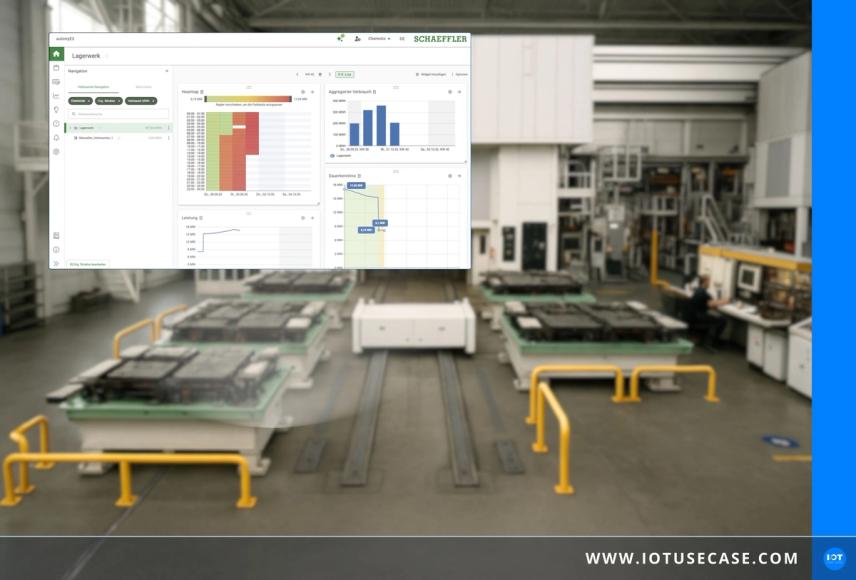















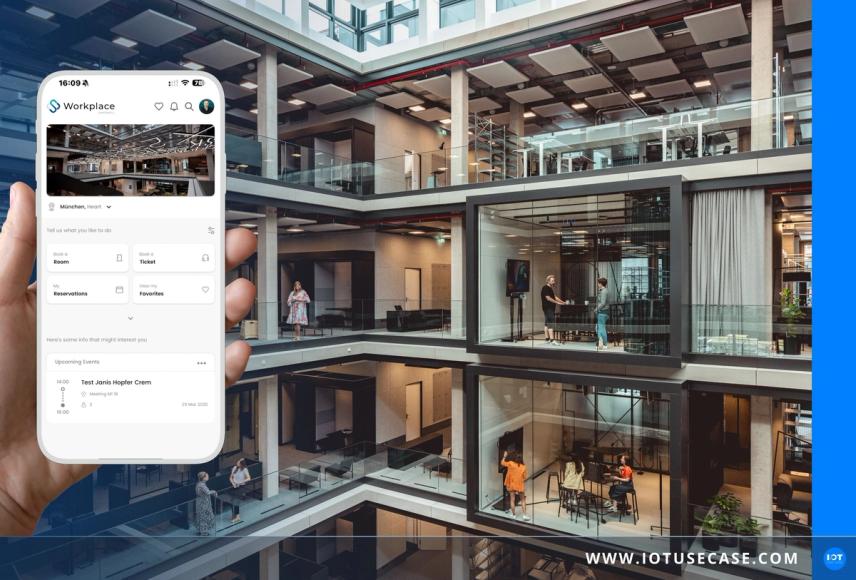


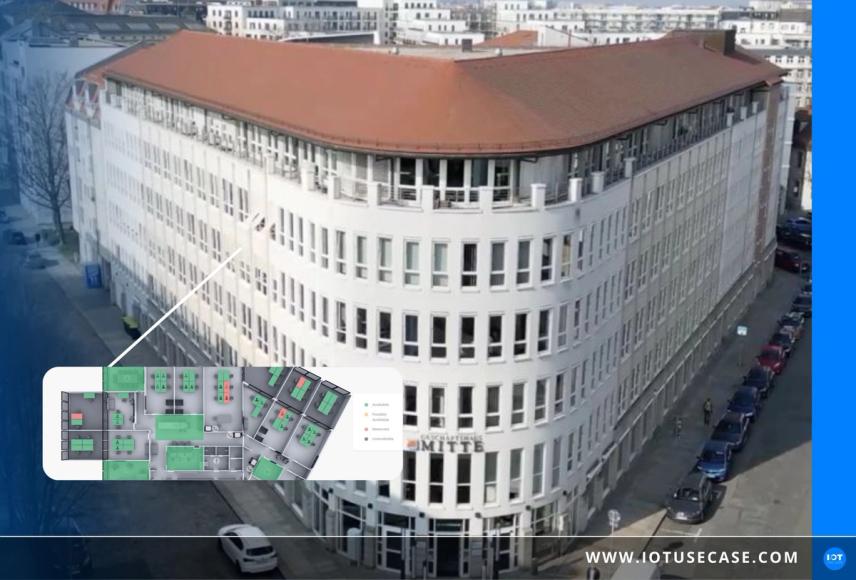


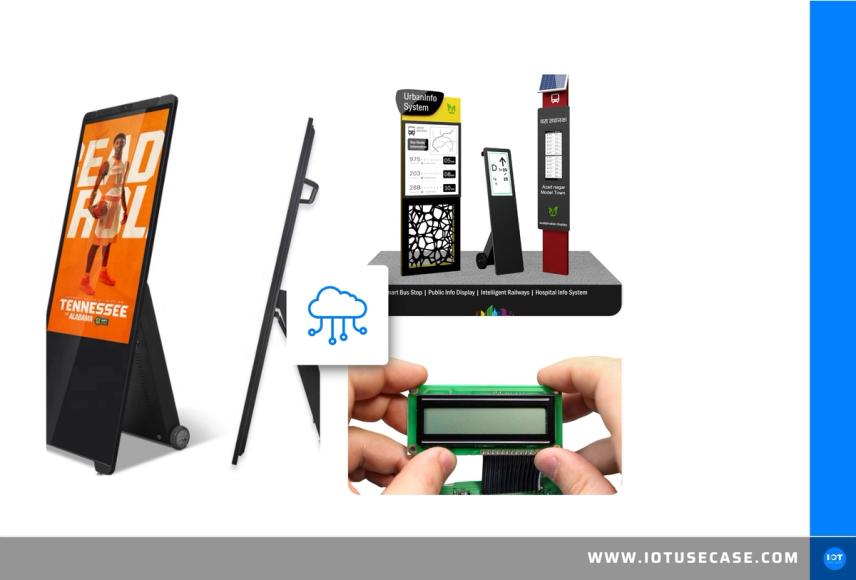









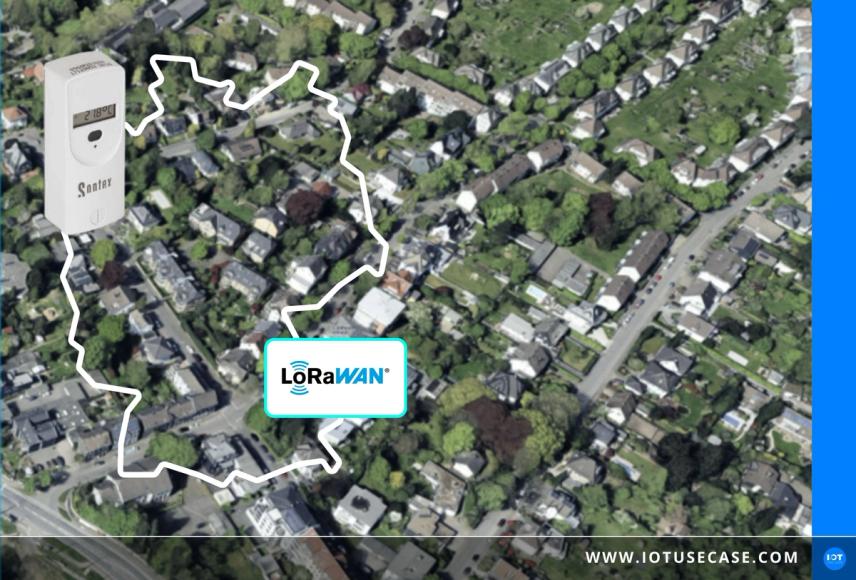






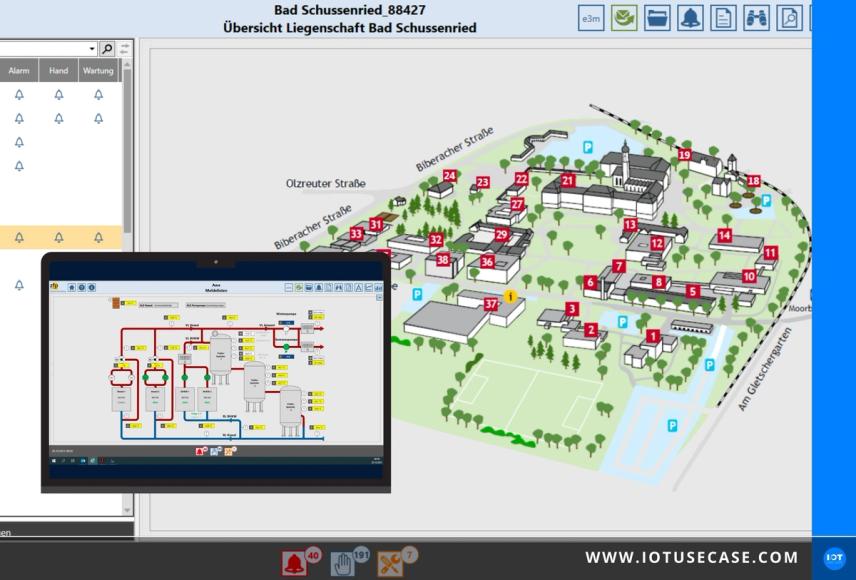




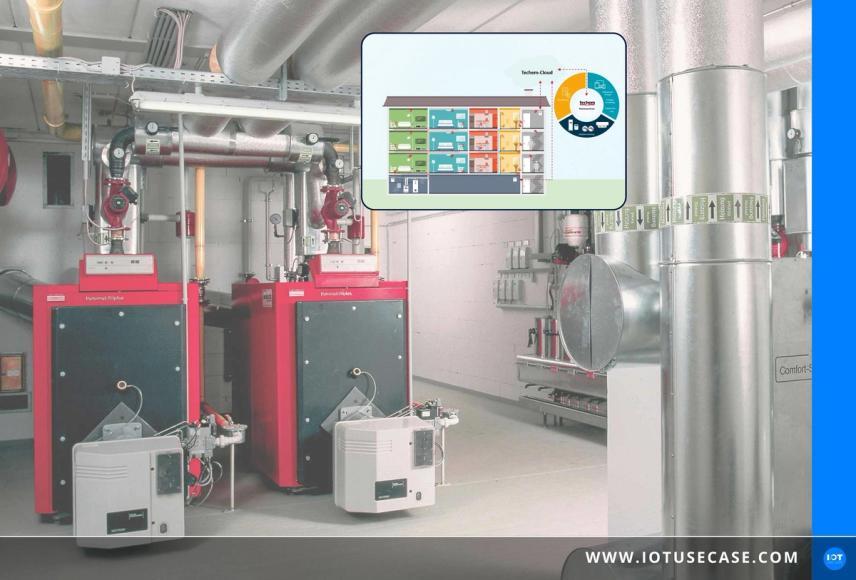



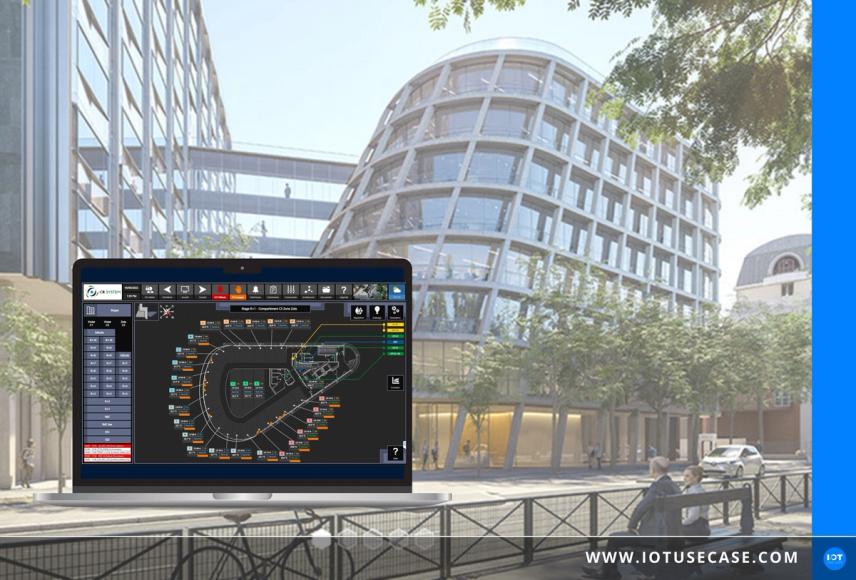

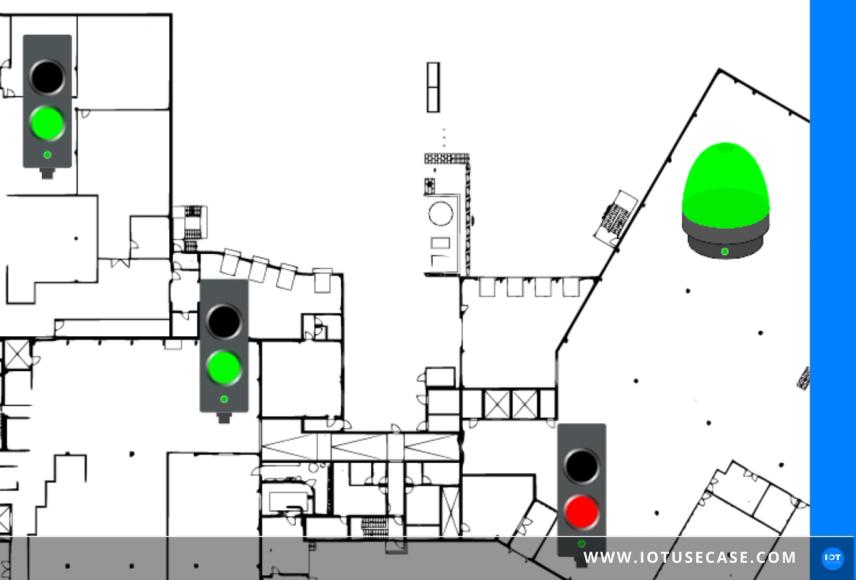

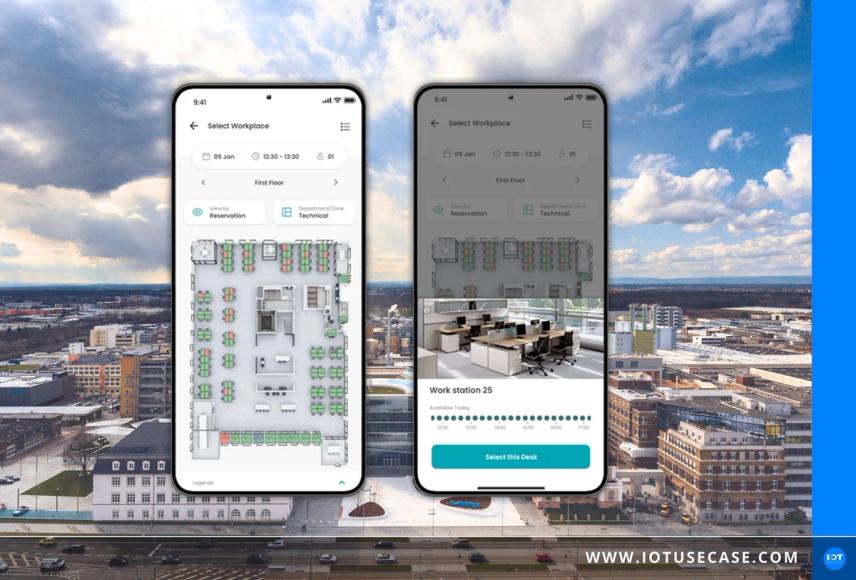

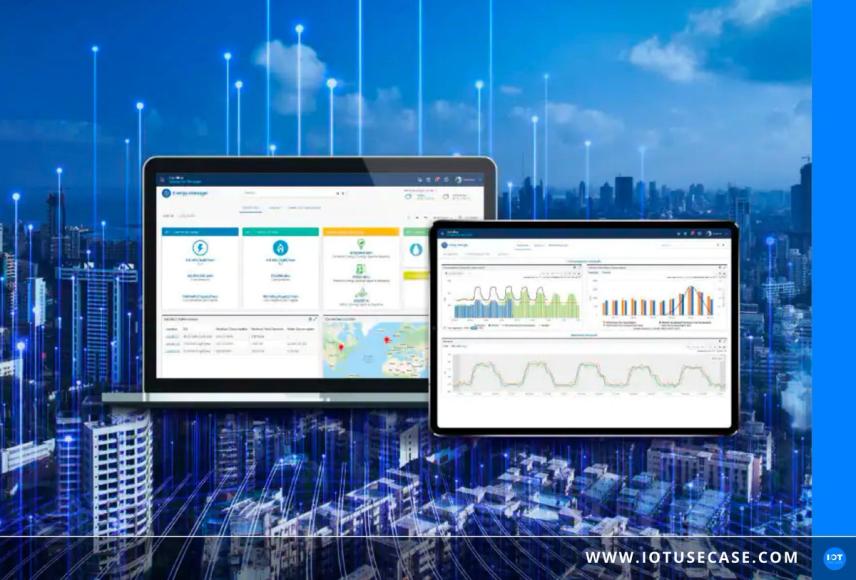


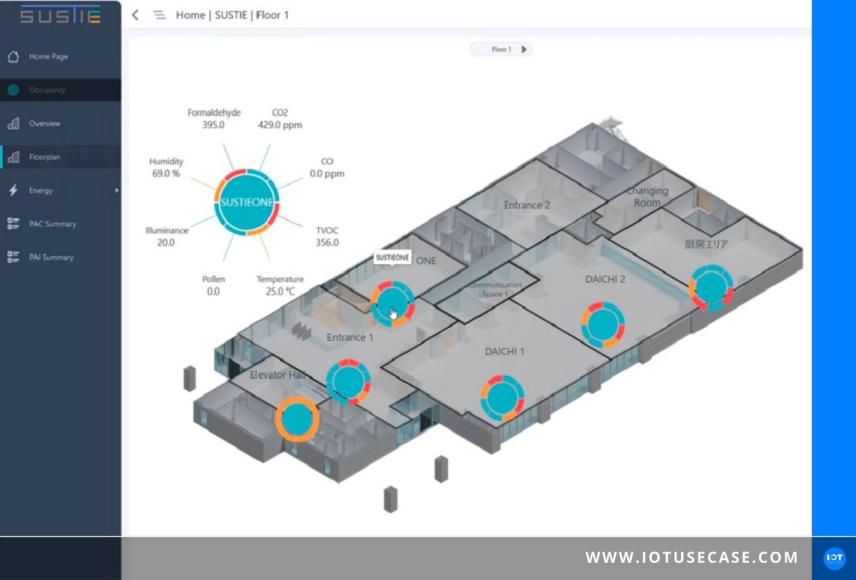
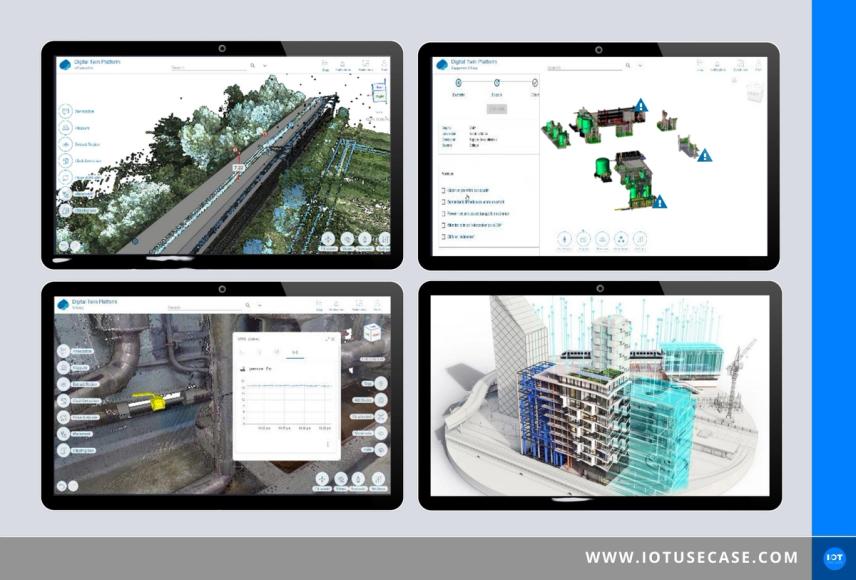





























IoT in Buildings: What Actually Works in Practice
Buildings account for around 40% of CO₂ emissions in Europe – and the greatest lever lies not in new construction but in operating existing buildings. IoT solutions for buildings are not luxury solutions: they pay for themselves through energy savings, avoided failures, and reduced administrative effort – in many cases within two to three years.
Typical Application Areas
Energy Monitoring and Consumption Optimisation
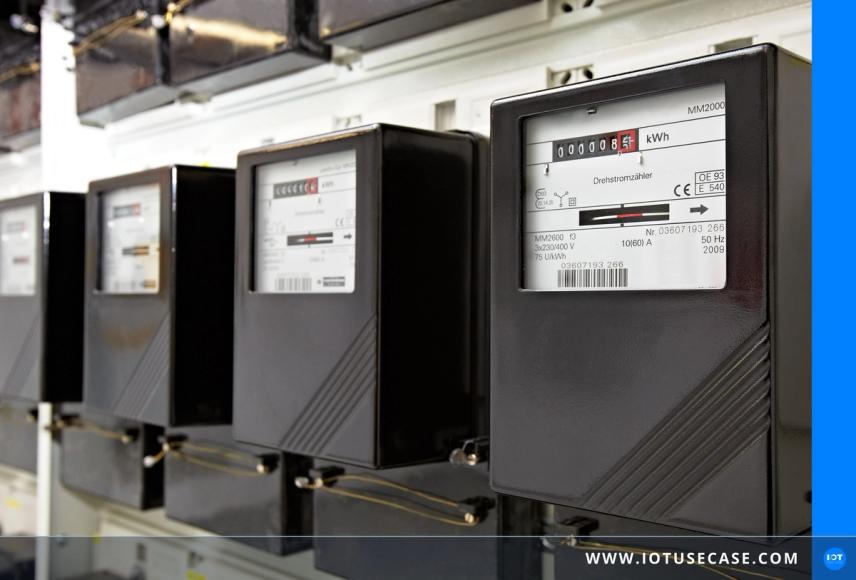
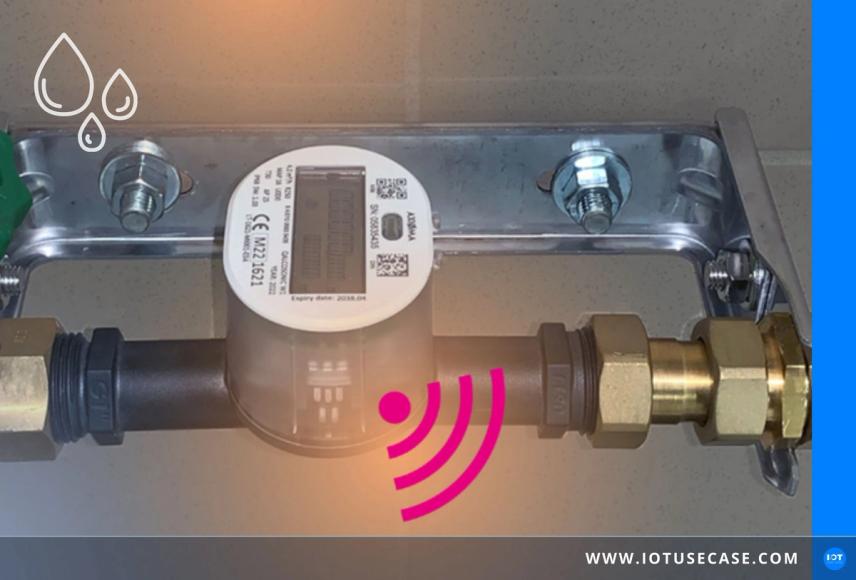
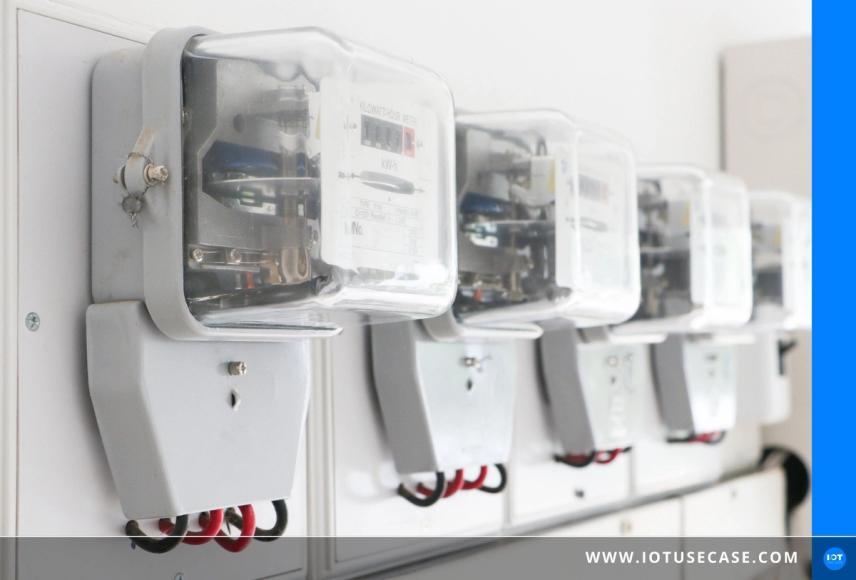
IoT-connected electricity, water, and heat meters capture consumption in real time – by building, floor, area, or individual plant. Comparisons between similar properties or time periods uncover anomalies. Automatic alerts for peak loads or unexpected consumption enable rapid intervention. The result: typically 15–30% lower energy consumption.
Predictive Maintenance for Heating, Ventilation, and Lifts
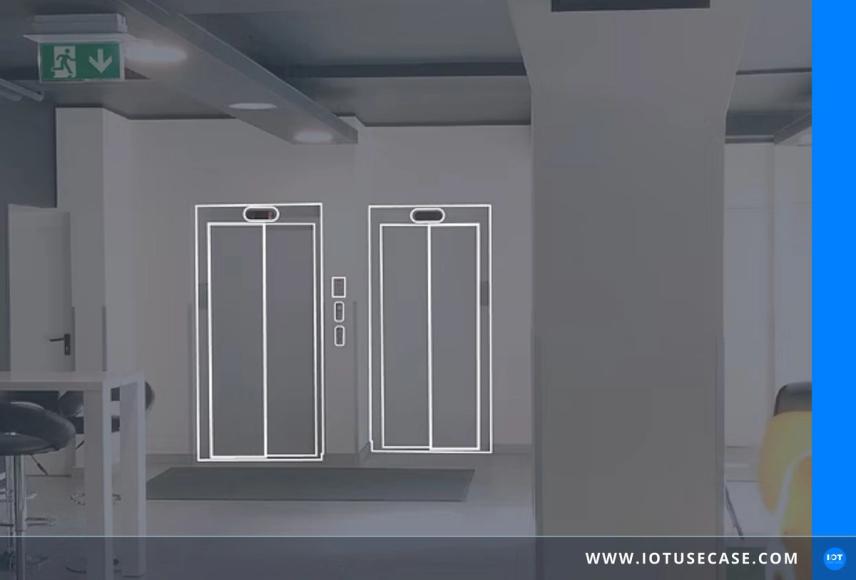
Vibration and temperature sensors on pumps, compressors, and fans detect wear patterns before they lead to failures. Maintenance teams receive notifications based on actual condition, not calendar schedules. This operates similarly to industry – with the difference that buildings often have no in-house maintenance team and external service providers must be coordinated.
Indoor Climate Monitoring and Demand-Controlled Ventilation
CO₂ sensors in offices, meeting rooms, and public buildings measure air quality in real time. When CO₂ levels exceed a threshold, the system automatically increases the ventilation rate. This reduces energy losses from constant ventilation, measurably improves indoor air quality, and demonstrably increases occupants' cognitive performance.
Water Damage Prevention and Building Protection
Moisture sensors under dishwashers and refrigerators, at pipe penetrations, and in basements detect leaks before they become costly water damage. Frost sensors warn of pipe freezing during the heating season. These small, inexpensive devices pay for themselves many times over after the first prevented incident.
Digital Access Management and Smart Access
Digital keys via smartphone, automatic access logs for tradespeople and visitors, time-controlled access areas for different user groups: modern IoT-based access systems replace physical keys, eliminate the risk of unreturned keys, and provide auditable access logs for insurers, authorities, and internal compliance.
What Sets IoT in Buildings Apart from Other Areas
Building IoT only works if solutions can operate without extensive IT infrastructure. Wi-Fi is often not available throughout, cable installations too expensive. LoRaWAN, NB-IoT, and Bluetooth Mesh provide battery-free or long-lasting alternatives that can be retrofitted without structural changes.
A building operator is rarely an IT specialist. Solutions must be easy to install, maintain, and operate – with clear dashboards, understandable alerts, and as few system components as possible.
Real-World Examples from the IoT Use Case Network
In our network you will find concrete, verified solution examples for smart buildings – from energy monitoring in office buildings and predictive maintenance for heating systems to CO₂-based indoor air control in schools and smart access management for commercial properties. Every example shows which technologies were used, what challenges existed, and what was concretely achieved in the end.
No marketing fluff. Only practice.
Implementing IoT in buildings – we can help
Are you planning an IoT project in the building sector, or do you want to become visible as a smart building solution provider? We help you find the right partners, present solutions in a practical way, and reach real end users.
Get in touch