

Economy, Politics, Government, Leisure, and Society
Whether resilient emergency communication for civil protection, smart energy supply by municipal utilities, or intelligent transport infrastructure in the smart city – IoT is fundamentally changing the public sector too. Not as a vision of the future, but as everyday practice at municipalities, districts, utilities, and infrastructure operators already working with it today.
The challenges are real: public infrastructure must function reliably and resiliently – even when mobile networks, the internet, or the power supply fails. Municipal utilities are under pressure to demonstrate energy efficiency and reduce operating costs. And smart cities must digitally manage mobility, supply, and public services with limited IT resources.
This is exactly where IoT comes in: sensors and networked systems make public infrastructure visible, controllable, and more resilient. Remote monitoring replaces costly on-site deployments, automated alarm systems enable rapid response in emergencies, and digital data spaces create transparency for citizens and authorities. The right data at the right time protects people, saves public funds, and strengthens essential public services.
On this page you will find hands-on solution examples from the IoT Use Case network – from municipalities, districts, utilities, and technology providers who have delivered real projects. No marketing, no promises – only what actually works.
These challenges are driving IoT projects in the public and civic sector
Fail-safe emergency communication for civil protection
Public warning systems and emergency communication must function even when mobile or power networks fail. Resilient IoT infrastructures based on LPWAN technologies such as mioty create network-independent fallback layers for emergencies – protecting lives in the process.
Energy efficiency and transparency at municipal utilities
Municipal utilities must make energy consumption transparent, manage load peaks, and provide CO₂ documentation. Granular IoT monitoring at line, building, and device level provides the data foundation for efficient, compliant energy supply.
Smart city: digitally managing traffic and public infrastructure
Smart cities need a digital infrastructure for traffic control, parking management, public lighting, and mobility services. IoT platforms and edge technologies process traffic and movement data in real time – making control processes more efficient and citizen-friendly.
Remote monitoring for municipal water and environmental infrastructure
Water supply, irrigation infrastructure, and sewage systems must be monitored across large areas – often in remote locations without permanent network access. Remote monitoring via LoRaWAN or NB-IoT enables surveillance without permanent on-site presence.
Maintenance and availability of public facilities
Pumps, sewage treatment plants, transformers, and drive units in municipal ownership must be maintained cost-efficiently. Condition-based monitoring replaces rigid maintenance intervals, saves personnel and material costs, and increases the availability of public facilities.
Data sovereignty and cybersecurity for public infrastructure
Critical infrastructure in the public sector is a prime attack target. IoT systems must therefore be secured according to KRITIS requirements: secure device identities, encrypted communication, segmented networks, and documentable access controls.
Real-world solution examples in the Economy, Politics, Government, Leisure, and Society industry




























IoT in the Public Sector: What Actually Works in Practice
The public sector is not a monolithic industry – it encompasses municipalities, districts, municipal utilities, civil protection, public transport, and communal infrastructure. What all these areas share: decisions must be taken in the public interest, budgets are limited, and failures have direct consequences for citizens. IoT here is not an end in itself – it is a tool for better public services.
The difference from other industries: in the public sector, different standards apply than in the private economy. Long-term sustainability beats short-term returns. Resilience is more important than efficiency alone. And systems must be maintainable, explainable, and auditable even for authorities with small IT teams. IoT solutions for this sector must factor this in from the outset.
Typical Application Areas
Resilient Emergency Communication Independent of Public Networks
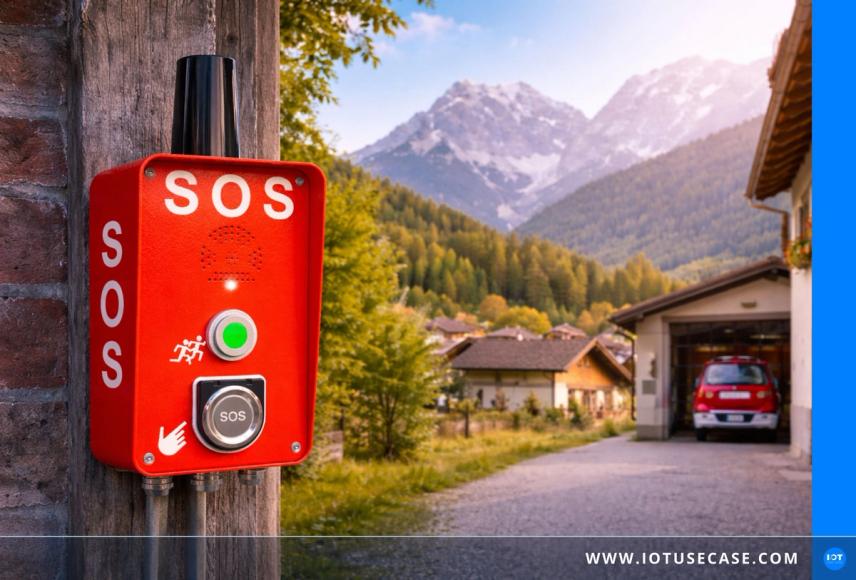
Civil protection needs communication that works even when normal infrastructure fails. LPWAN-based systems such as mioty create comprehensive, energy-efficient emergency networks – with real-time alerting, decentralized architecture, and battery buffering for network outages. South Tyrol demonstrates how such a system is realized for 540,000 people across 7,400 km² with just 50 base stations.
Energy Monitoring for Municipal Utilities
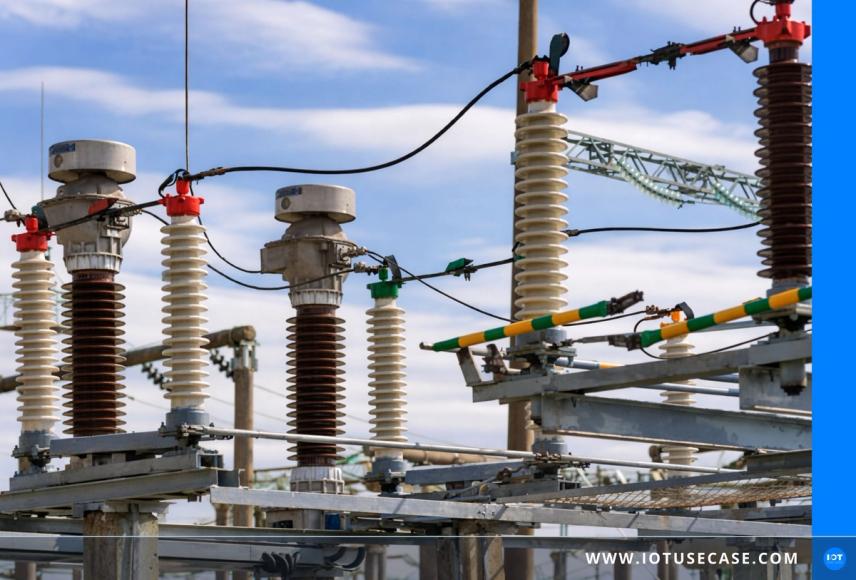
Municipal energy providers can use IoT to make consumption transparent at line, building, and device level, identify load peaks, and implement demand-response models. This creates the data foundation for CO₂ documentation, reduces operating costs, and enables new digital service models for commercial and private customers.
Smart City: Intelligent Traffic Infrastructure and Edge Services
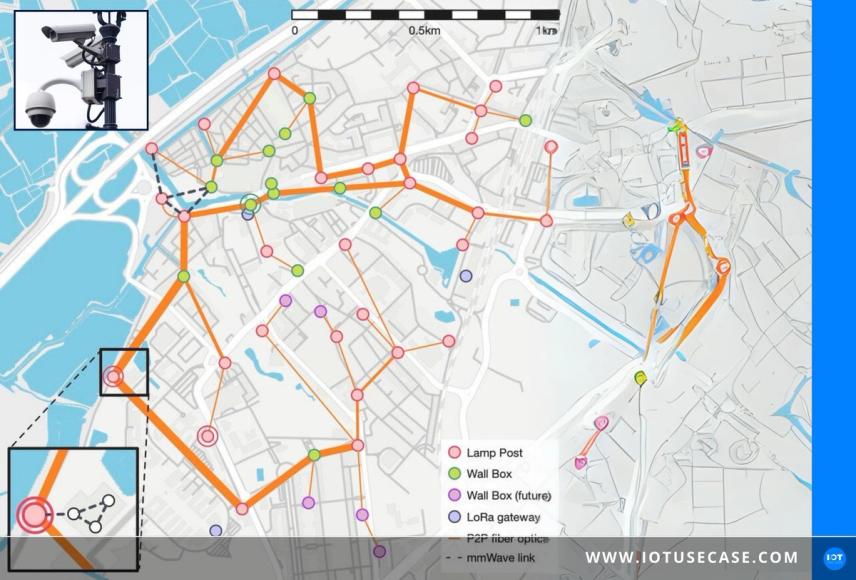
Smart traffic infrastructure processes position and movement data from vehicles, public transport, and infrastructure components in real time directly at the edge. This enables adaptive routing, optimized parking management, and more efficient public transport control – without having to send all data to the cloud.
Remote Monitoring of Municipal Water and Irrigation Infrastructure
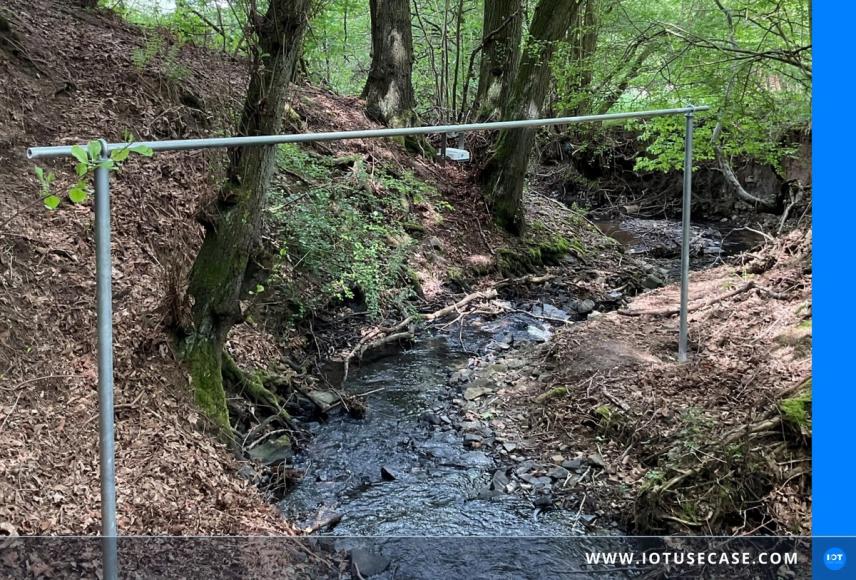
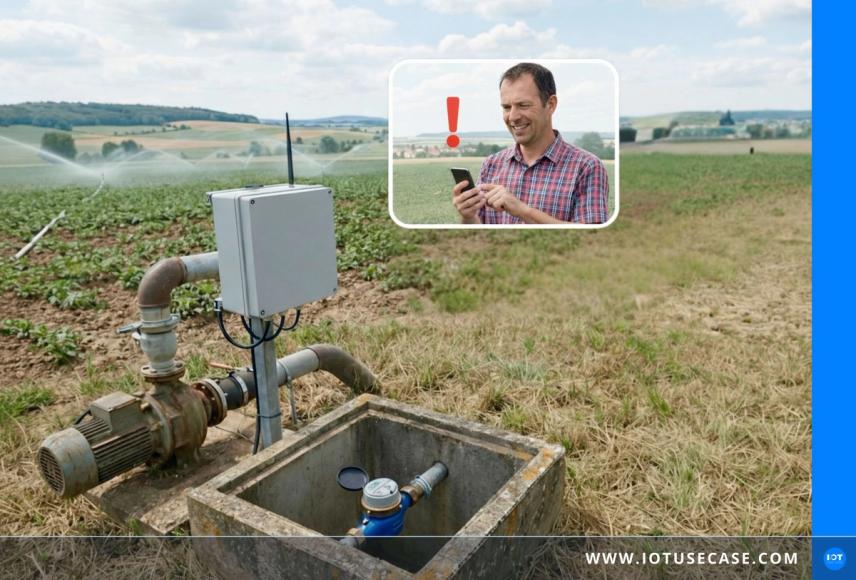
Districts and municipalities monitor wells, pump stations, irrigation systems, and wastewater treatment plants via remote monitoring. Fill levels, pressure values, and flow rates are automatically transmitted, with alerts triggered immediately for deviations. This saves costly inspection trips and enables early intervention in the event of leaks or equipment failures.
Condition-Based Maintenance of Public Drives and Aggregates
Pumps, motors, and aggregates in public facilities are equipped with vibration and temperature sensors. Condition data flows into a monitoring system that signals maintenance requirements early. This extends operating times, reduces emergency repairs, and protects municipal budgets.
What Sets IoT in the Public Sector Apart from Other Industries
In the public sector, different criteria apply than in industry: systems must be operable for decades, remain usable even for small administrations with limited IT expertise, and comply with clear procurement and data protection requirements. This places special demands on interoperability, vendor independence, and open-source components.
What is more: public infrastructure is critical infrastructure. The KRITIS regulation and the NIS2 Directive place clear requirements on cybersecurity, incident reporting, and resilience. IoT solutions in the public sector must meet these requirements – and have them built in from the start, not as an afterthought.
Real-World Examples from the IoT Use Case Network
In our network you will find concrete, verified solution examples from the public sector – from resilient emergency communication in South Tyrol and energy monitoring for municipal utilities through smart city traffic infrastructure to remote monitoring for municipal irrigation and condition-based maintenance of public facilities. Every example shows which technologies were used, what challenges existed, and what was concretely achieved in the end.
No marketing fluff. Only practice.
Implementing IoT in the public sector – we can help
Are you planning an IoT project in the public sector, or do you want to become visible as a solution provider for municipalities, utilities, or smart city projects? We help you find the right partners, present solutions in a practical way, and reach real users.
Get in touch