

Insurance + Real Estate
Whether sensor-based building monitoring, IoT-supported claims management in insurance, or intelligent energy management in real estate portfolios – IoT is fundamentally changing the insurance and real estate industry. Not as a vision of the future, but as everyday practice at insurers, property managers, and building operators already working with it today.
The challenges are real: buildings age, damage is detected too late, operating costs rise, and tenants and owners demand more transparency about the condition of their properties. At the same time, ESG requirements and the EU taxonomy demand measurable and documented sustainability data for entire real estate portfolios.
This is exactly where IoT comes in: sensors continuously monitor building conditions, water damage and break-ins are detected in real time, energy consumption becomes transparent and controllable, and predictive maintenance improves maintenance planning. The right data at the right time reduces costs, minimizes risks, and increases the value of properties.
On this page you will find hands-on solution examples from the IoT Use Case network – from insurers, property managers, and technology providers who have delivered real projects. No marketing, no promises – only what actually works.
These challenges are driving IoT projects in the insurance and real estate industry
Early damage detection and damage prevention
Water damage, mould, break-ins – many building defects develop gradually and are detected too late. IoT sensors for moisture, temperature, and motion detect critical conditions early and enable preventive action before costly damage occurs.
Energy efficiency and ESG compliance in the property portfolio
Buildings account for around 40% of CO₂ emissions in Europe. Rising energy prices, the EU taxonomy, and ESG requirements are forcing real estate portfolios to achieve measurable energy savings and provide documented sustainability evidence. Without monitoring, there are no valid data.
Intelligent claims management for insurers
Insurance claims on properties are frequently preventable. IoT-based prevention solutions reduce claim frequency and severity. At the same time, real-time sensor data in the event of a claim enables faster and more precise claims settlement – with less effort for all parties involved.
Predictive maintenance for building technology
Heating systems, lifts, ventilation systems, and refrigeration units in buildings often fail unexpectedly – with high consequential costs and tenant complaints. Sensor-based condition monitoring and predictive maintenance improve maintenance schedules and prevent costly emergency repairs.
Transparency on building condition for owners and tenants
Owners and institutional investors want an overview of their property portfolio's condition at any time. Tenants expect quick responses to problems. Digital building platforms with IoT data create this transparency – automatically and without on-site inspections.
Access management and building security
Traditional key systems are complex to manage, insecure, and not scalable. Digital access management with IoT-based smart locks, video analytics, and visitor management solves these problems – and simultaneously delivers log data for compliance and insurance purposes.
Real-world solution examples in the Insurance + Real Estate industry




















IoT in Insurance and Real Estate: What Actually Works in Practice
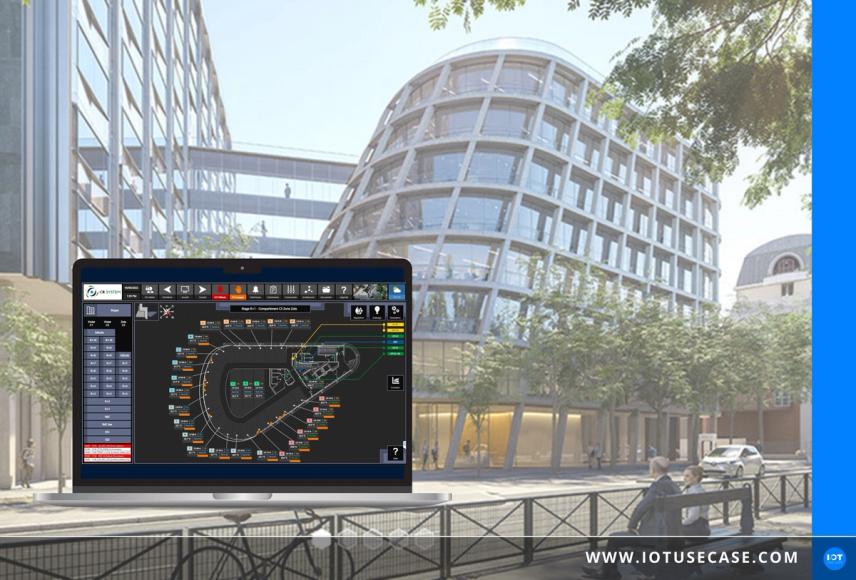
Buildings are the most expensive and longest-lasting economic assets of all. At the same time, many properties still operate ‘blind’ – without real-time information on condition, consumption, or security. IoT closes this gap: sensors make the invisible visible, data enables proactive action, and digital platforms connect owners, managers, tenants, and insurers.
The difference from other industries: in real estate and insurance, the heterogeneity of the building stock is enormous – old and new buildings, residential and commercial properties, individual objects and large portfolios. IoT solutions must be retrofittable without structural changes, easily scalable, and operable with minimal IT effort.
Typical Application Areas
Building Monitoring and Damage Prevention
Moisture sensors under dishwashers and washing machines, cloud-connected smoke detectors, frost protection monitoring in basement rooms – small sensors prevent major damage. For insurers this means fewer and smaller claims; for property managers it means fewer emergencies, shorter response times, and more satisfied tenants.
Energy Monitoring and ESG Reporting for Real Estate Portfolios
Electricity, heat, and water consumption are captured at property, floor, and area level. Comparisons between similar objects uncover savings potential. EU taxonomy-compliant ESG reports are generated automatically from measurement data – without manual surveys and without estimated values.
Predictive Maintenance for Heating, Lifts, and Building Technology
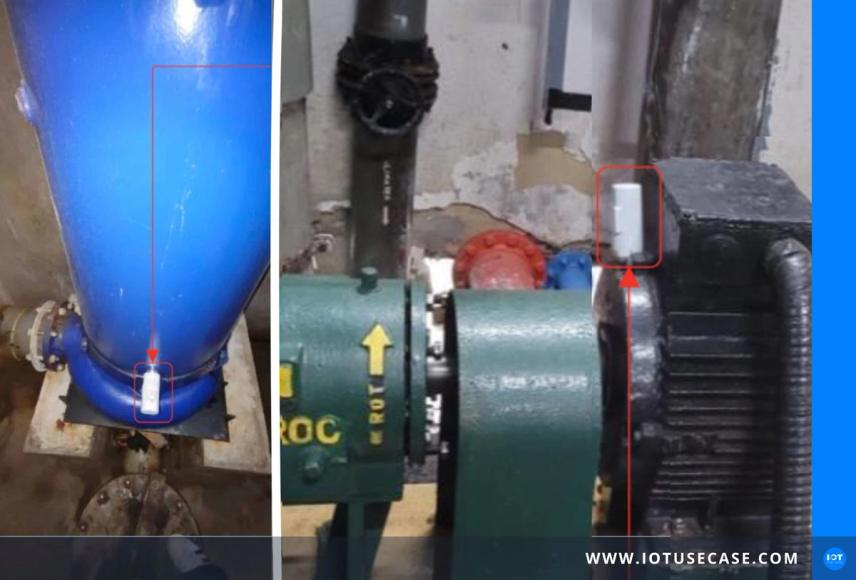
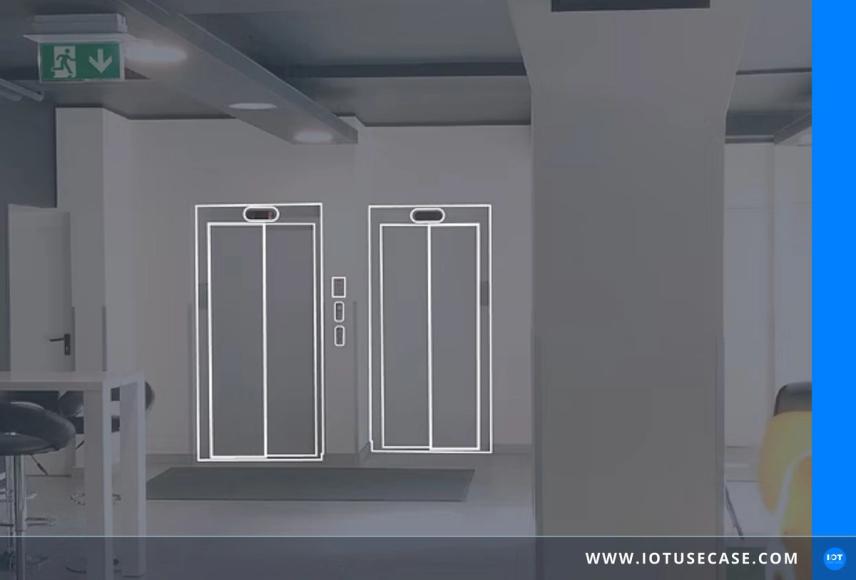
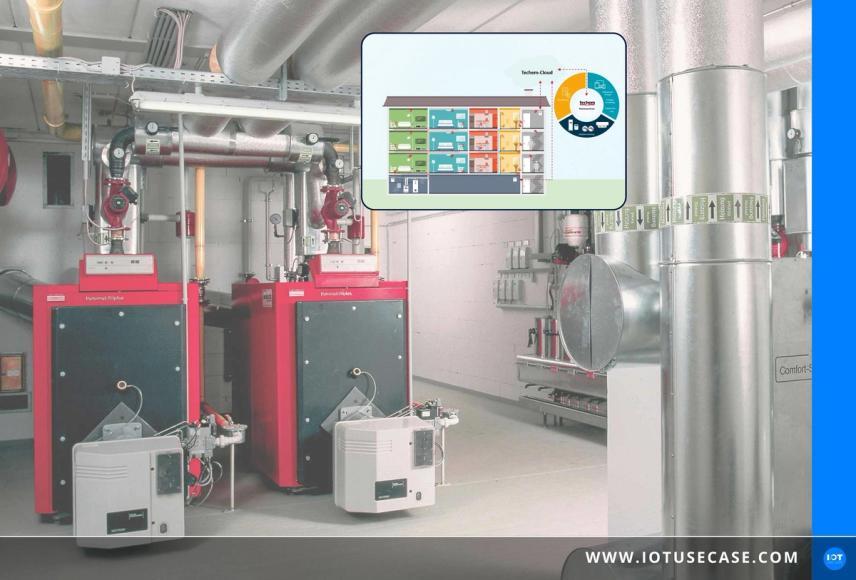
Vibration and temperature sensors on heating systems, lifts, and ventilation units detect wear before it leads to failures. Maintenance intervals are planned on a condition-based rather than calendar-based approach – saving costs, reducing tenant disruptions, and extending service life.
IoT-Supported Claims Settlement in Insurance
In the event of a claim, IoT sensor data provides objective evidence of the time, extent, and cause of damage. Manipulation becomes detectable, settlement times shorten drastically, and disputes can be resolved on the basis of measurement data. Insurers who promote prevention sensors simultaneously reduce their claims expenditure.
Digital Access Management and Smart Building
Digital keys via smartphone, automatic access logs for tradespeople and visitors, central management across entire properties – smart access increases security, reduces administrative effort, and delivers compliance documentation for insurers and authorities.
What Sets IoT in Insurance and Real Estate Apart from Other Industries
Unlike industrial companies, property managers and insurers face a particular challenge: they do not run their own IT department for hundreds of individual properties. Solutions must work plug-and-play, function without Wi-Fi (LoRaWAN, NB-IoT), and be operable by non-technical staff.
What is more: tenancy law, data protection, and insurance law requirements limit what may be measured and stored in residential and commercial properties. IoT solutions must be GDPR-compliant, transparent to tenants, and legally documented in a secure manner.
Real-World Examples from the IoT Use Case Network
In our network you will find concrete, verified solution examples from the insurance and real estate industry – from water damage prevention and building monitoring through energy efficiency platforms to digital access management and IoT-supported claims settlement. Every example shows which technologies were used, what challenges existed, and what was concretely achieved in the end.
No marketing fluff. Only practice.
Implementing IoT in insurance and real estate – we can help
Are you planning an IoT project in the insurance or real estate sector, or do you want to become visible as a solution provider in this area? We help you find the right partners, present solutions in a practical way, and reach real users.
Get in touch