
Transportation and Logistics
Whether real-time shipment tracking across Europe, predictive maintenance for truck fleets, or intelligent warehouse management in fulfillment centers – IoT is fundamentally changing transportation and logistics. Not as a vision of the future, but as everyday practice at logistics service providers, freight companies, warehouse operators, and infrastructure operators already working with it today.
The challenges are real: supply chains must be visible in real time, vehicle fleets run around the clock under high wear, warehouse processes are becoming more complex, and cost pressure from rising energy and personnel costs is growing. At the same time, clients, authorities, and consumers demand more transparency, reliability, and sustainability documentation.
This is exactly where IoT comes in: GPS trackers, sensors, and networked systems make vehicles, cargo, containers, and storage locations visible at any time. Predictive maintenance reduces fleet failures, automated warehouse systems increase throughput, and digital documentation replaces error-prone paper protocols. The right data at the right time makes logistics more efficient, more reliable, and more sustainable.
On this page you will find hands-on solution examples from the IoT Use Case network – from logistics service providers and technology providers who have delivered real projects. No marketing, no promises – only what actually works.
These challenges are driving IoT projects in transportation and logistics
Lack of real-time visibility in the supply chain
Where is the shipment right now? What condition is the cargo in? When will the truck arrive? Without real-time tracking, these questions cannot be reliably answered – with direct consequences for planning, customer communication, and liability.
Fleet availability and unplanned vehicle failures
Commercial vehicles, construction equipment, and transport vehicles fail unexpectedly – often on the road, far from the nearest service location. Predictive maintenance based on vehicle data detects wear patterns early and prevents costly breakdowns and contractual penalties.
Cold chain and quality assurance for sensitive goods
Food, pharmaceutical products, and other temperature- or humidity-critical goods must be monitored without gaps. A cold chain break means spoilage, liability risks, and compliance violations.
Warehouse efficiency and process automation
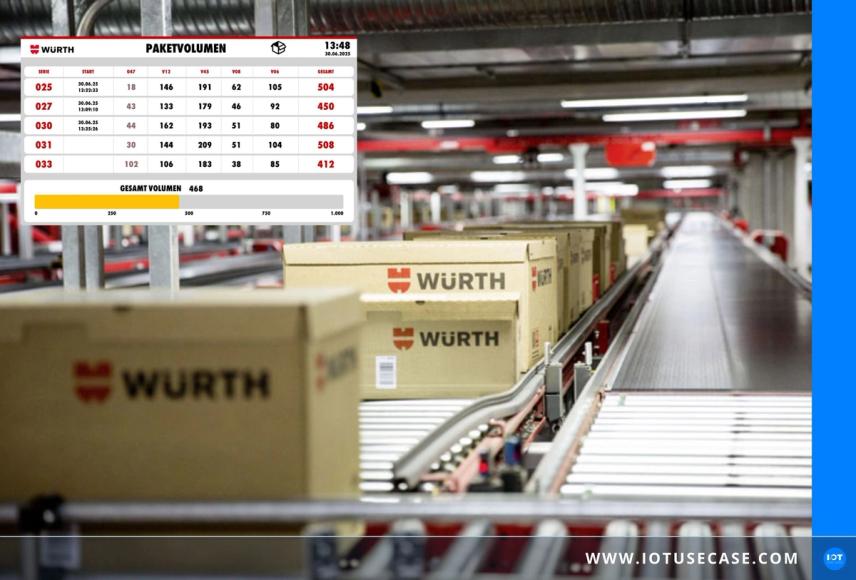
Growing SKU variety, higher order volumes, and increasing demands on delivery speed require ever more efficient warehouse processes. RFID, smart conveyor technology, and mobile systems reduce errors, accelerate throughput, and reduce staffing requirements.
Shrinkage reduction and asset security
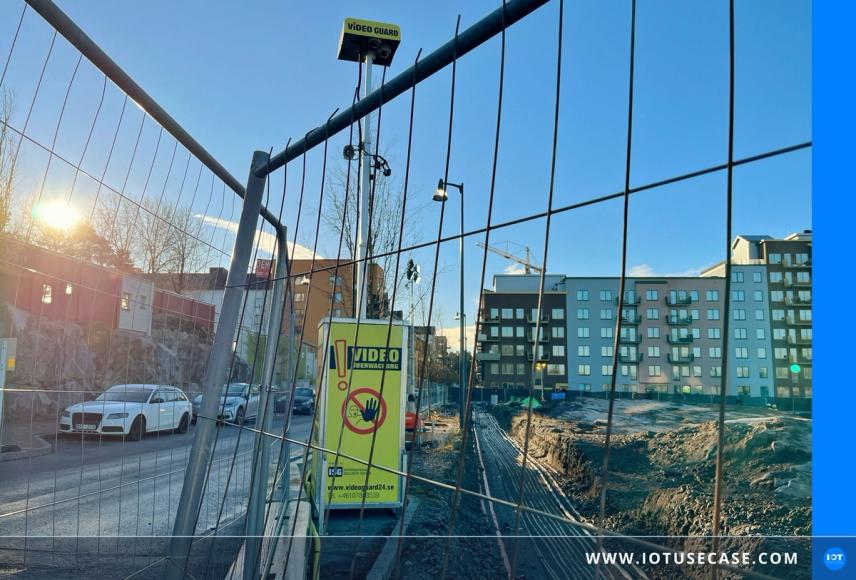
Cargo theft, lost containers, and unreturned transport equipment cause billions in damage annually. GPS tracking, geofencing, and smart access controls make shrinkage visible and reducible.
Emissions documentation and CO₂ reporting for clients
Shippers and clients increasingly demand documented CO₂ footprint data for transport services. Telematics data from vehicles provides the foundation for automated emissions reporting according to ISO 14083 and Scope 3 accounting.
Real-world solution examples in the Transportation and Logistics industry

























































IoT in Transportation and Logistics: What Actually Works in Practice
Logistics is the backbone of the economy – and at the same time one of the most data-rich and data-underutilized industries. Vehicles and shipments constantly generate position data, temperatures, transit times, and condition information. Yet in many companies, this data still ends up in silos or is not captured at all. IoT closes this gap: from the first mile to the last, from the loading dock to the end customer.
The difference from other industries: logistics IoT must be mobile, robust, and reliably functional under the harshest conditions – on the motorway, in a refrigerated container, in the port, on the last mile. Cellular networks, GPS, BLE, and LoRaWAN must be combined depending on the deployment scenario. And systems must respond in real time – not after the next sync.
Typical Application Areas
Real-Time Shipment Tracking and Transport Monitoring
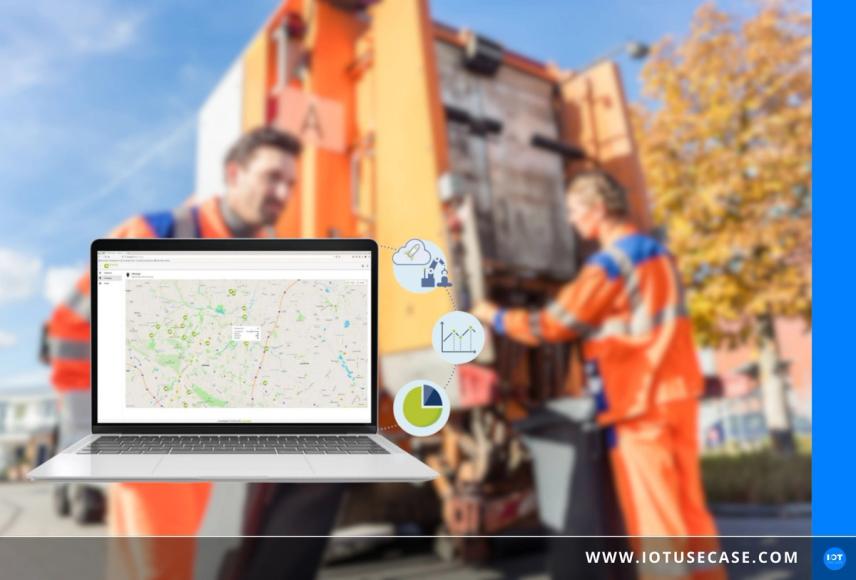
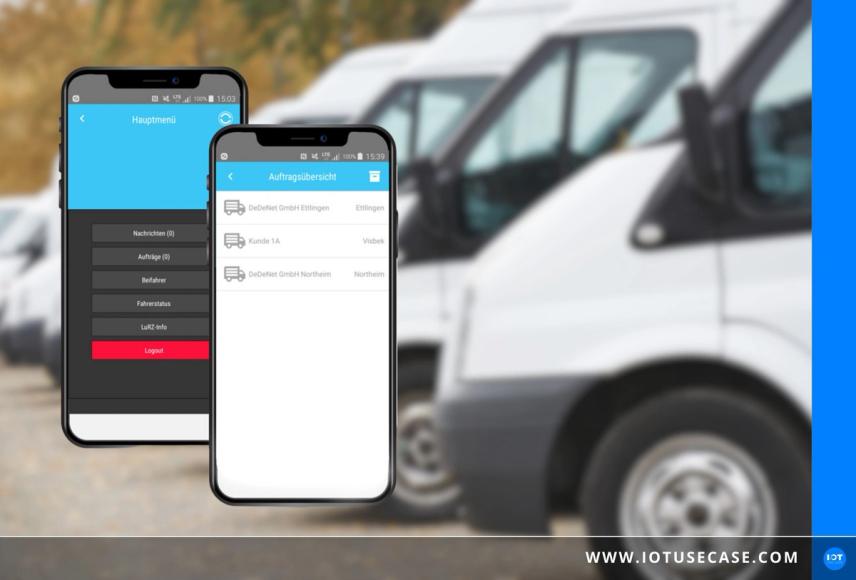
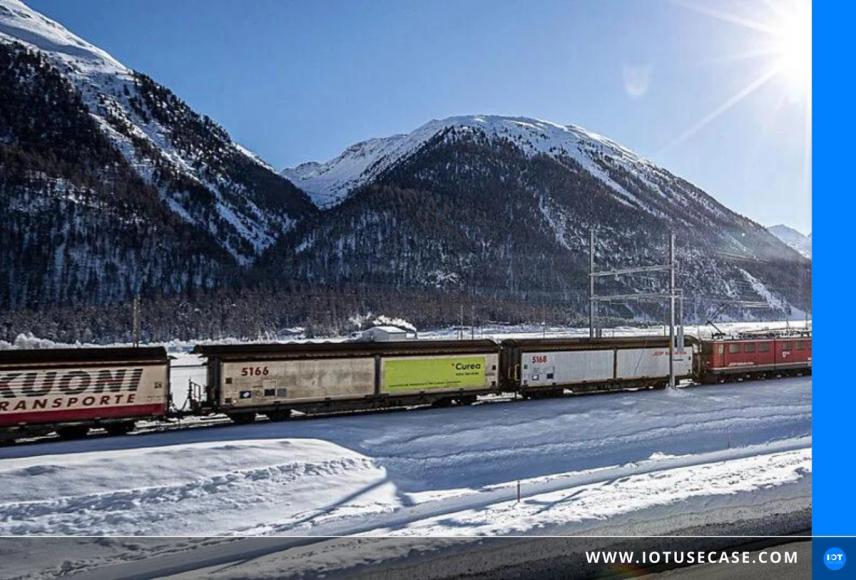
GPS trackers on vehicles, trailers, and load carriers continuously deliver position data. Clients see delivery status in real time, dispatchers can intervene immediately in the event of delays, and customers receive automatic status updates – without phone calls and manual enquiries.
Predictive Maintenance for Commercial Vehicle Fleets
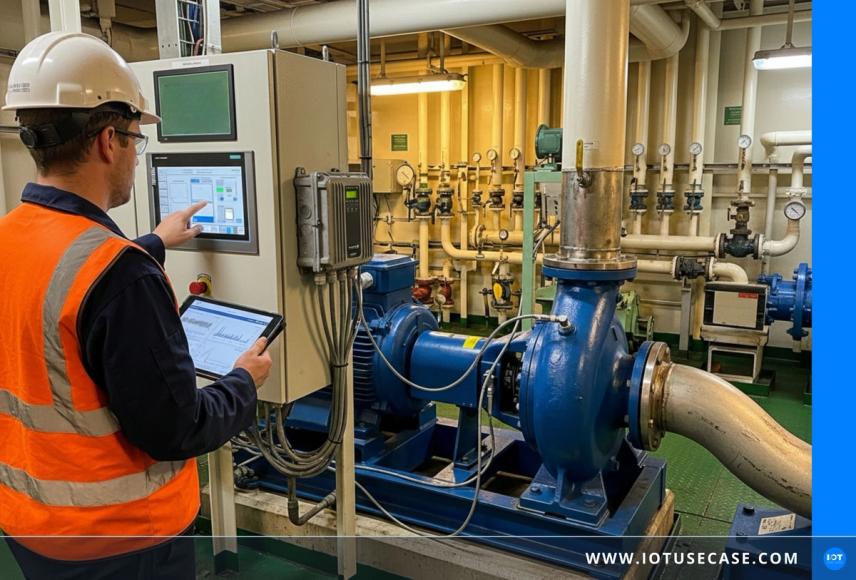
Telematics data from engine, brakes, tyres, and drivetrain is continuously evaluated. AI models calculate failure probabilities and service requirements long before a vehicle breaks down. This reduces breakdown incidents, lowers workshop costs, and significantly increases fleet availability.
Cold Chain Monitoring from Producer to Recipient
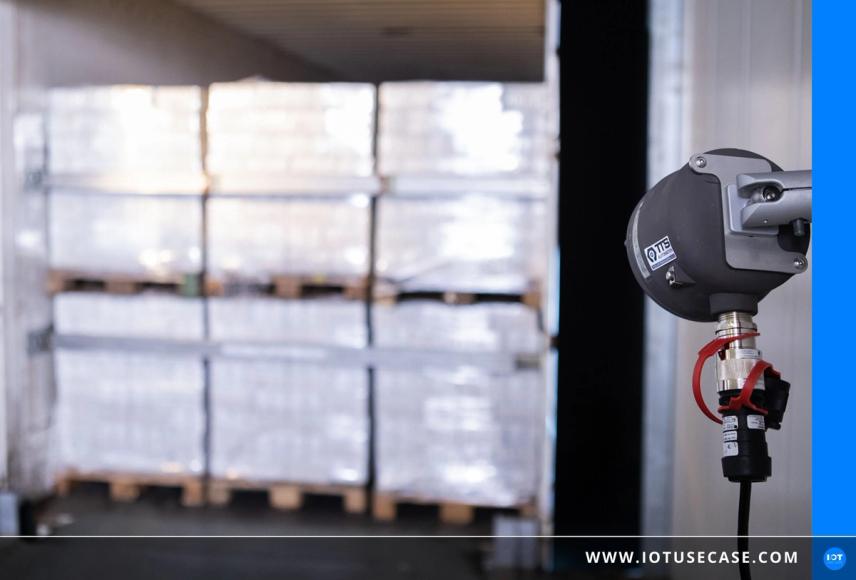
Temperature sensors in refrigerated containers, refrigerated trucks, and warehouses monitor the entire cold chain without gaps. Threshold violations trigger immediate alerts, all data is stored in a tamper-proof manner, and is available for food authorities, pharmaceutical authorities, and quality audits.
Intelligent Warehouse Management and RFID-Supported Processes
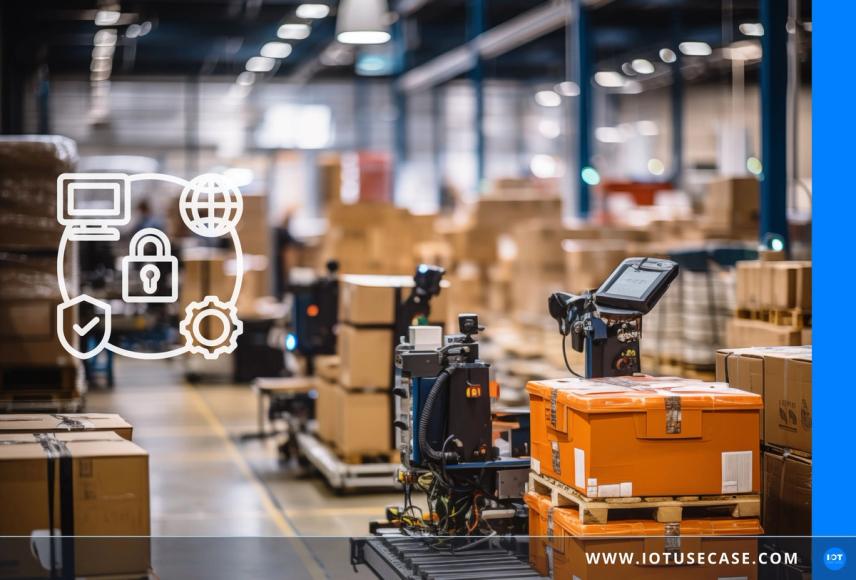
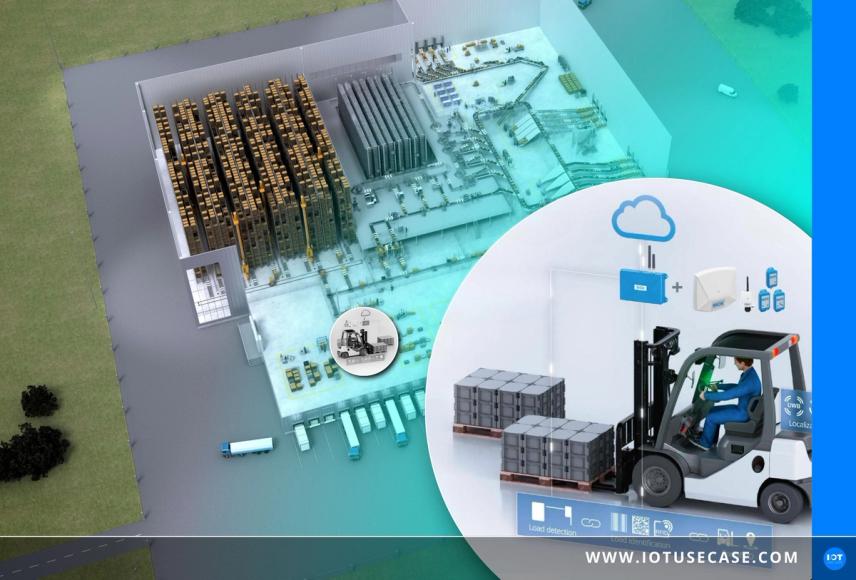
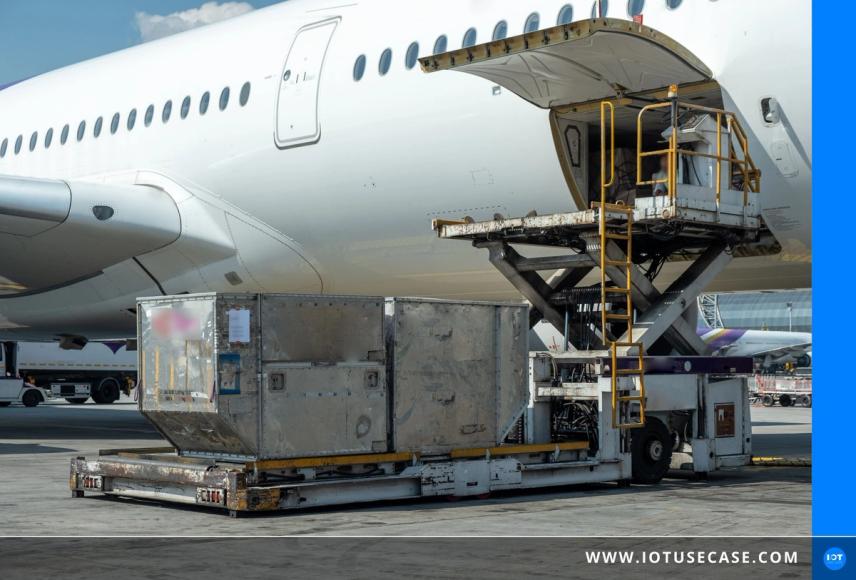
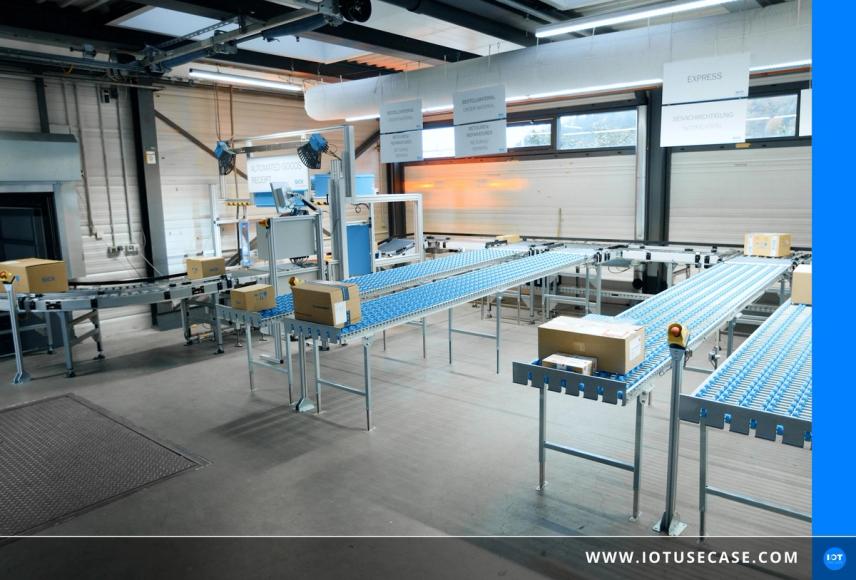
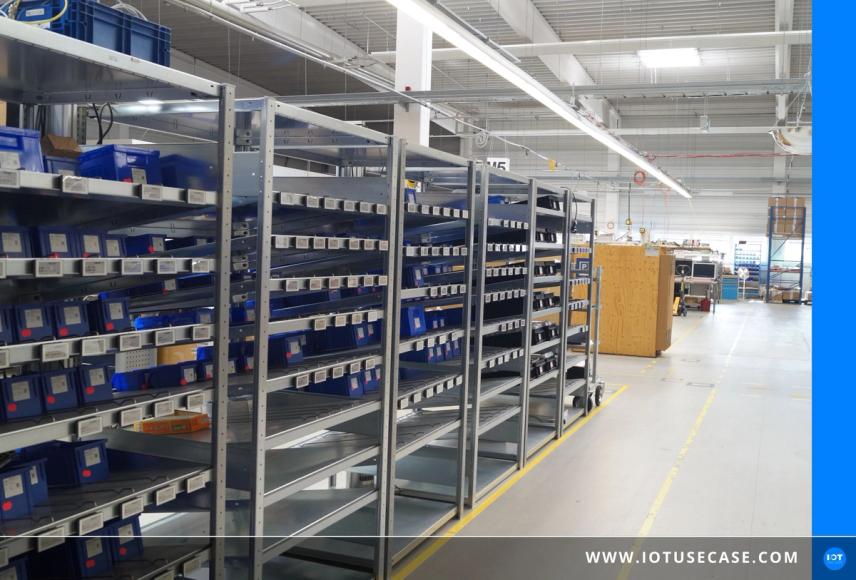
RFID gates at goods receipt and dispatch automatically capture inventory in real time. Warehouse layouts are optimized based on movement data. Mobile scanners and smart shelves accelerate picking and reduce mispicks. The result: higher throughput with the same or fewer staff.
Container and Asset Tracking in Circular Logistics
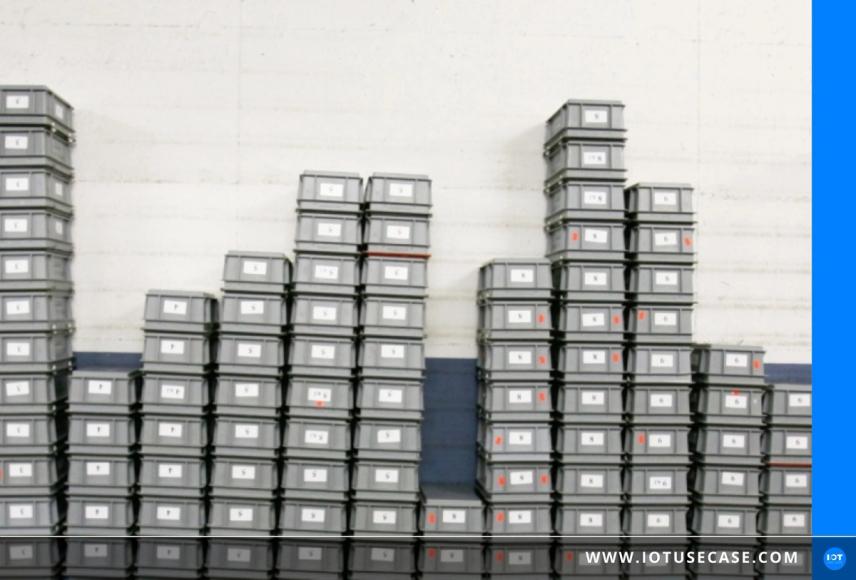
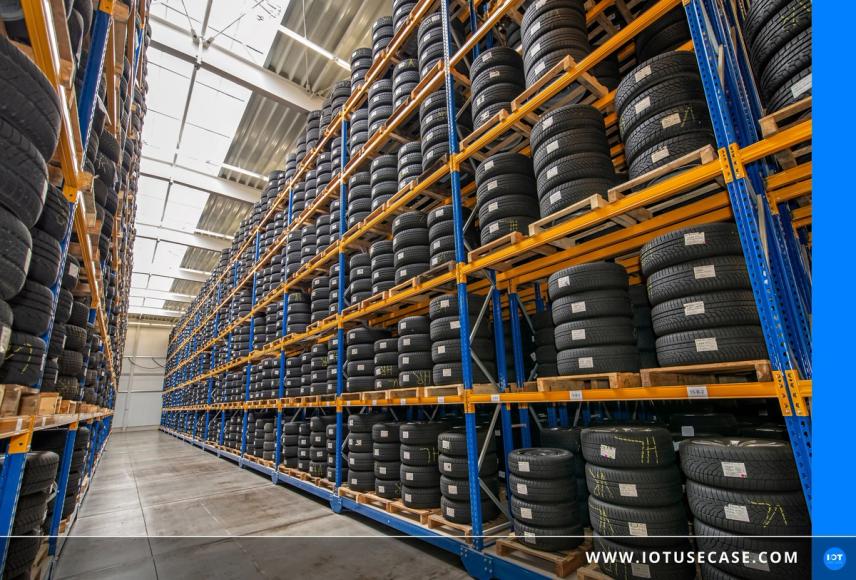
Reusable containers, euro pallets, IBC containers, and special load carriers regularly disappear in the supply chain. GPS and BLE trackers enable real-time location tracking, automated return management, and precise pool accounting – shrinkage is reduced, tied-up capital decreases.
What Sets IoT in Transportation and Logistics Apart from Other Industries
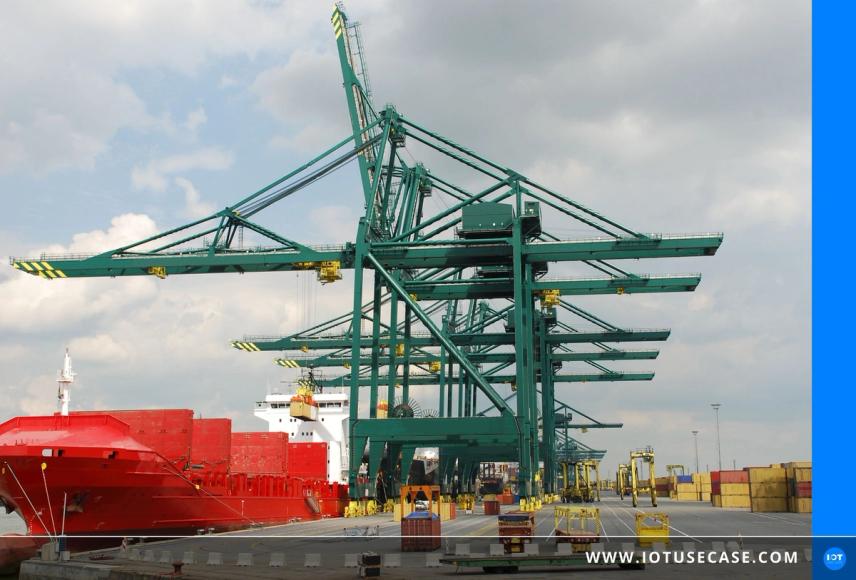
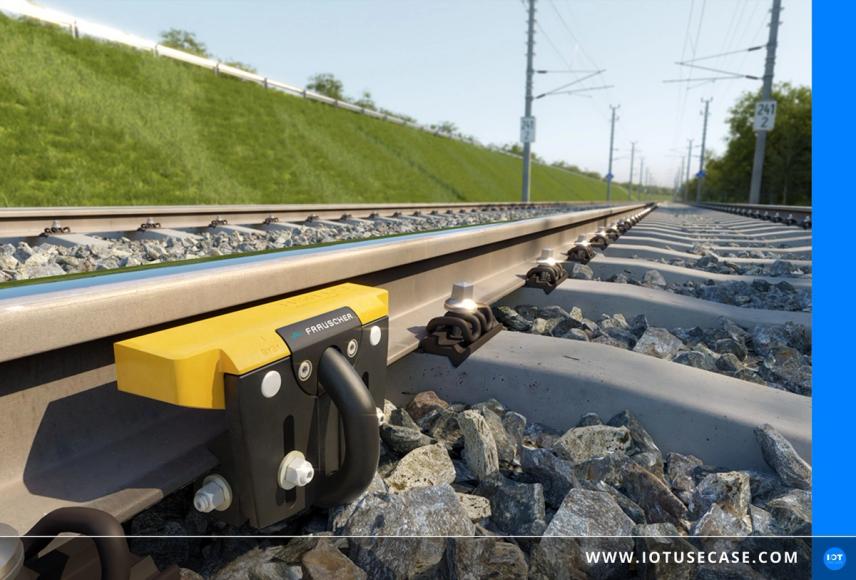
Logistics IoT is outdoor IoT under extreme conditions: heat, cold, vibrations, moisture, and varying network coverage over thousands of kilometres. Hardware must meet the toughest requirements, data must be buffered offline, and battery life must last for months.
What is more: logistics is a network business. IoT data must be shareable securely across company boundaries – with shippers, recipients, authorities, and customs. Data spaces such as Catena-X and GAIA-X are becoming increasingly important in logistics.
Real-World Examples from the IoT Use Case Network
In our network you will find concrete, verified solution examples from transportation and logistics – from real-time shipment tracking and predictive maintenance for truck fleets through cold chain monitoring and RFID warehouse automation to container tracking and CO₂ reporting. Every example shows which technologies were used, what challenges existed, and what was concretely achieved in the end.
No marketing fluff. Only practice.
Implementing IoT in transportation and logistics – we can help
Are you planning an IoT project in logistics or transportation, or do you want to become visible as a solution provider in this area? We help you find the right partners, present solutions in a practical way, and reach real users.
Get in touch