

Mechanical and Plant Engineering
Whether predictive maintenance for machine tools, remote monitoring of systems at the end customer, or digital service platforms for OEMs – IoT is fundamentally changing mechanical and plant engineering. Not as a vision of the future, but as everyday practice at machine builders who are already working with it today and developing new business models from it.
The challenges are real: machines run at customers around the world and the manufacturer often does not know what condition they are in. Service deployments are costly, failures at the customer are a reputational risk, and competition – particularly from Asia – competes on price. Differentiation through data-driven services and digital customer relationships is becoming the decisive competitive advantage.
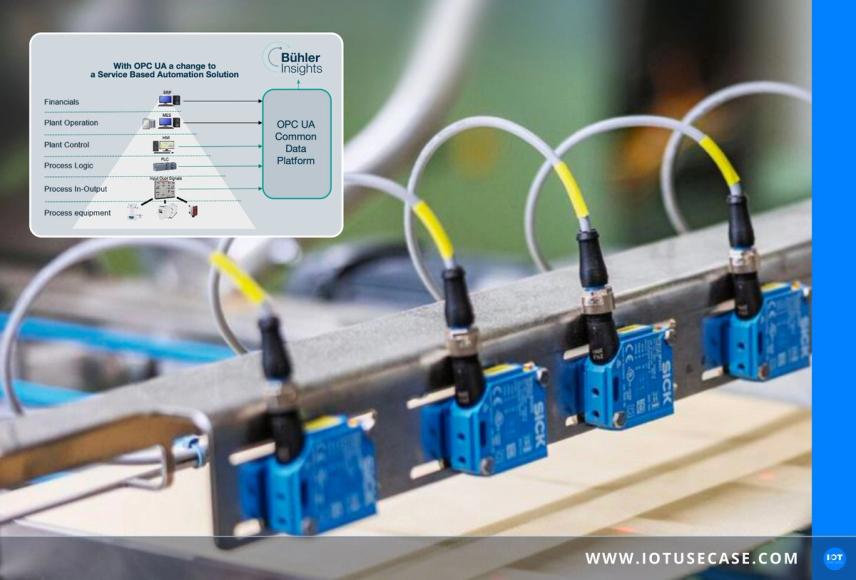
This is exactly where IoT comes in: sensors continuously deliver machine data directly to the manufacturer, service staff know before the customer visit what is defective, and smart service platforms create a permanent digital connection between manufacturer and end user. The right data at the right time transforms a machine builder into a service provider.
On this page you will find hands-on solution examples from the IoT Use Case network – from machine builders and technology providers who have delivered real projects. No marketing, no promises – only what actually works.
These challenges are driving IoT projects in mechanical and plant engineering
Lack of transparency on machine conditions at the customer
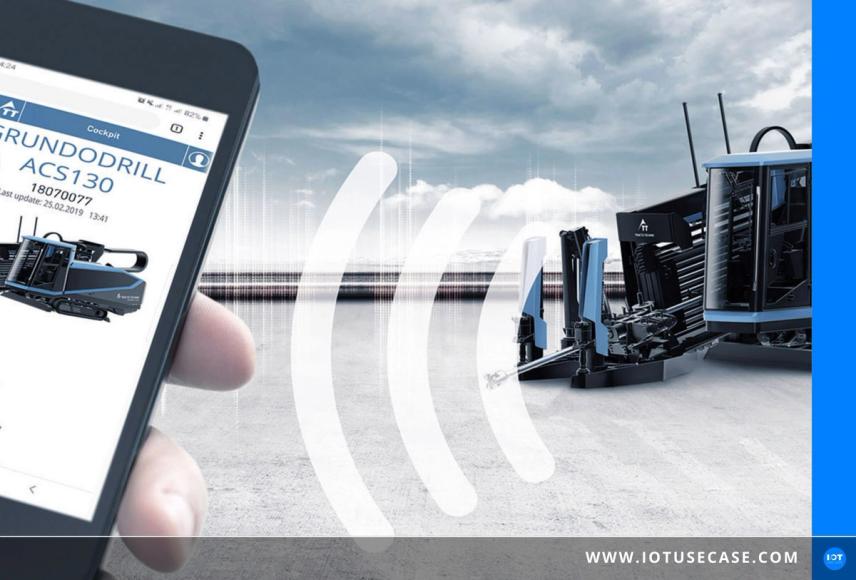
Machine builders deliver their products worldwide – and often lose contact afterwards. Without real-time data on operating conditions, utilisation, and wear, manufacturers can neither act proactively nor offer data-driven services.
High service costs through reactive maintenance
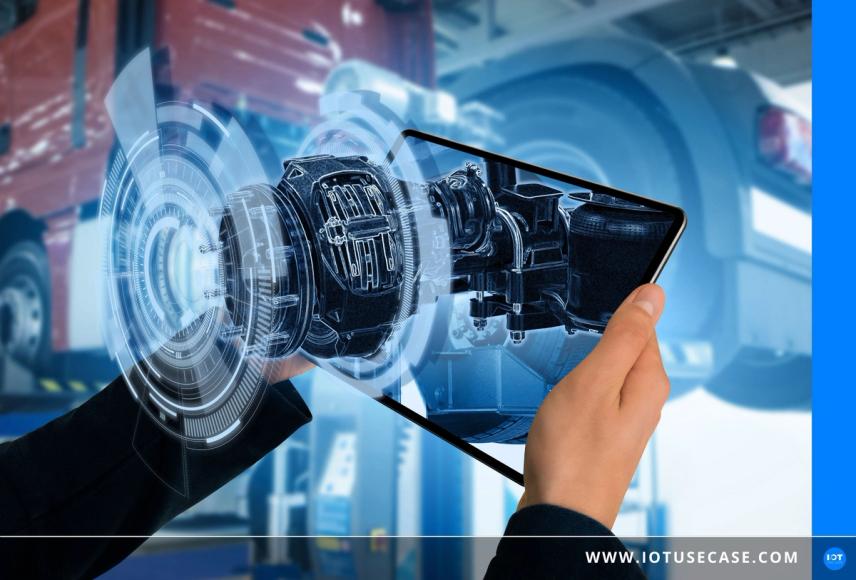
Service deployments at the customer are costly: travel expenses, speculative spare parts, customer production downtime. Those who act proactively on the basis of sensor data reduce service incidents, shorten response times, and significantly protect the service budget.
Competitive differentiation through digital services
Machine builders increasingly compete with low-cost providers from the Far East. The path to differentiation runs through service platforms, data-driven warranties, pay-per-use models, and digital customer relationships – all built on IoT data.
Commissioning and retrofit for complex systems
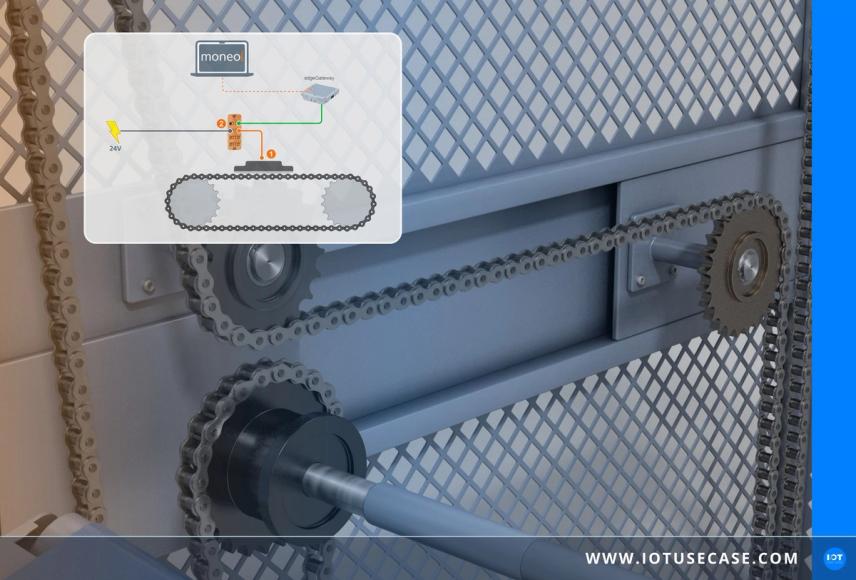
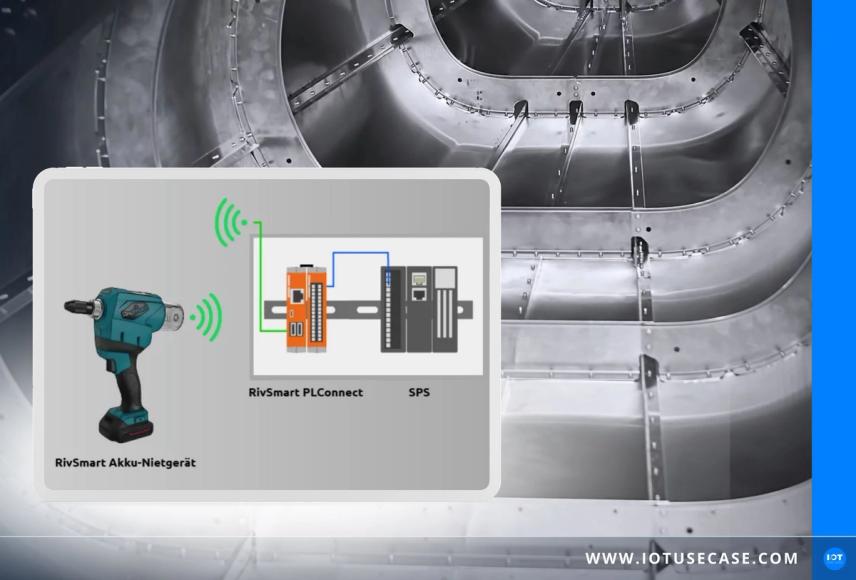
New machines must be commissioned quickly and without errors. Older existing machines at the customer must be retrofitted and made IoT-capable – without production downtime, without intervention in the existing controller.
Quality monitoring and process data for product improvement
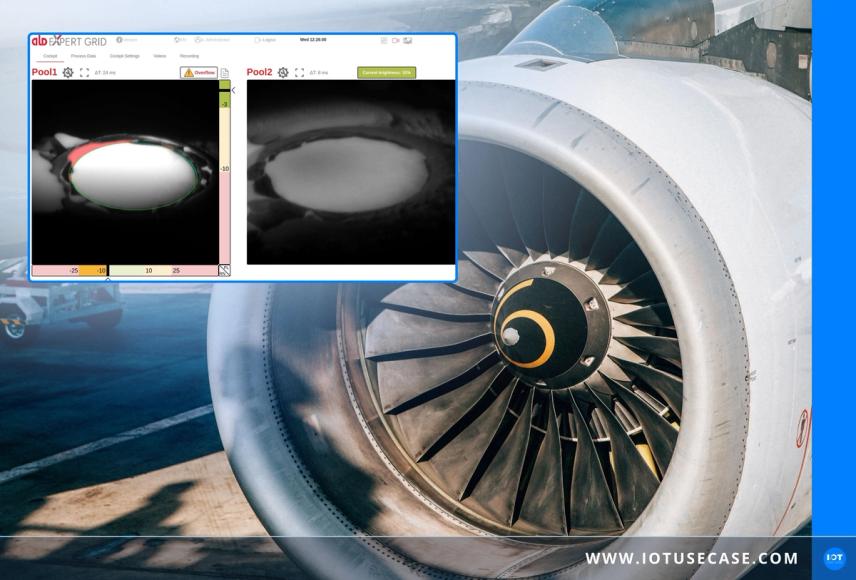
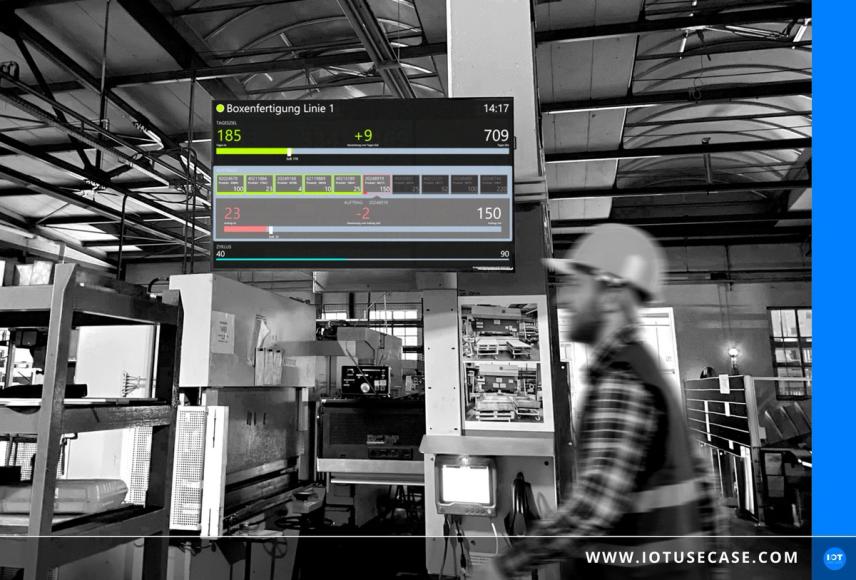
How does the customer actually use the machine? Which parameters are set how? Which errors occur frequently? This data is gold for product development – but only accessible if the machine continuously delivers data.
Cybersecurity and OT security for connected machines
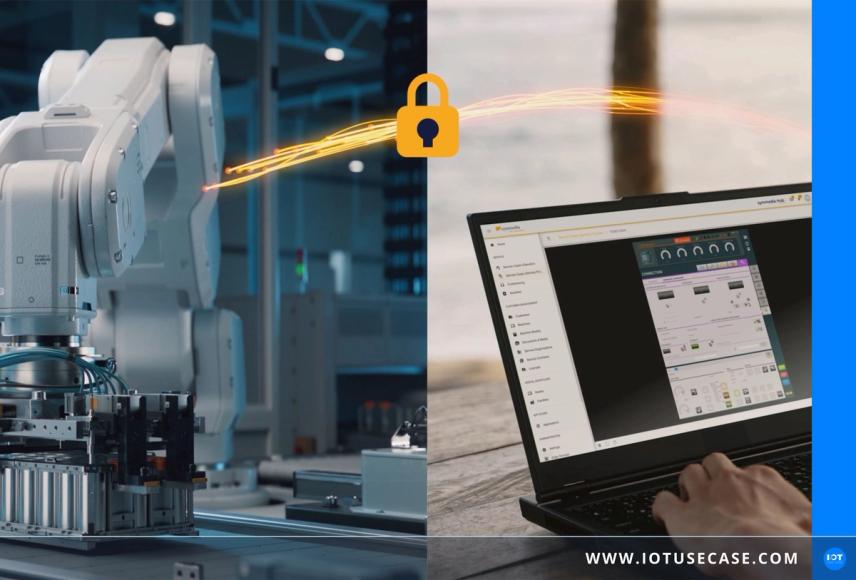
Connected machines are vulnerable. Industrial espionage, ransomware, and sabotage are real threats for machine builders and their customers. Secure communication architectures, device identities, and encrypted data transmission are a necessity, not an option.
Real-world solution examples in the Mechanical and Plant Engineering industry







































































































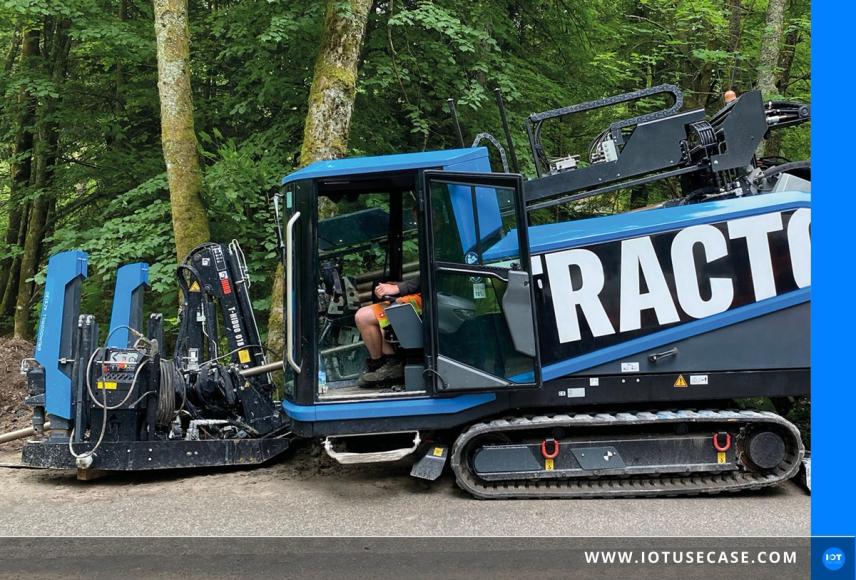


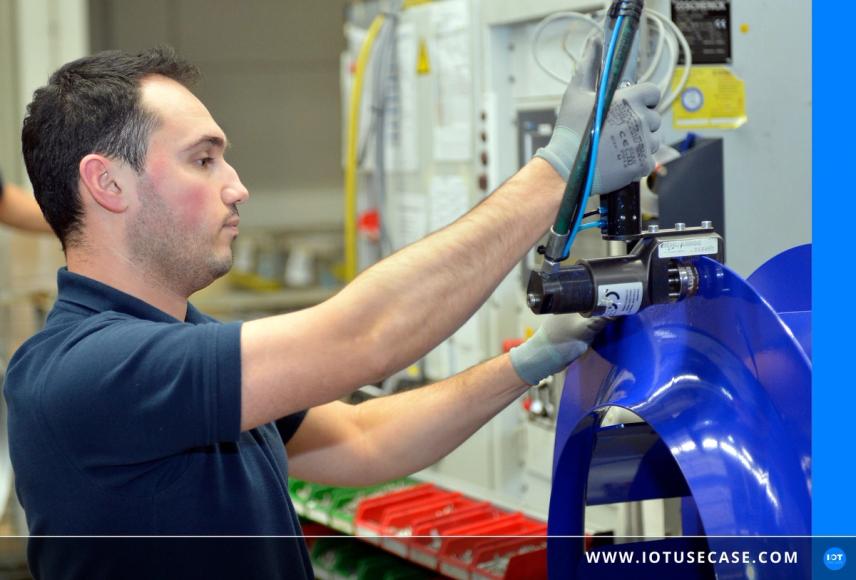

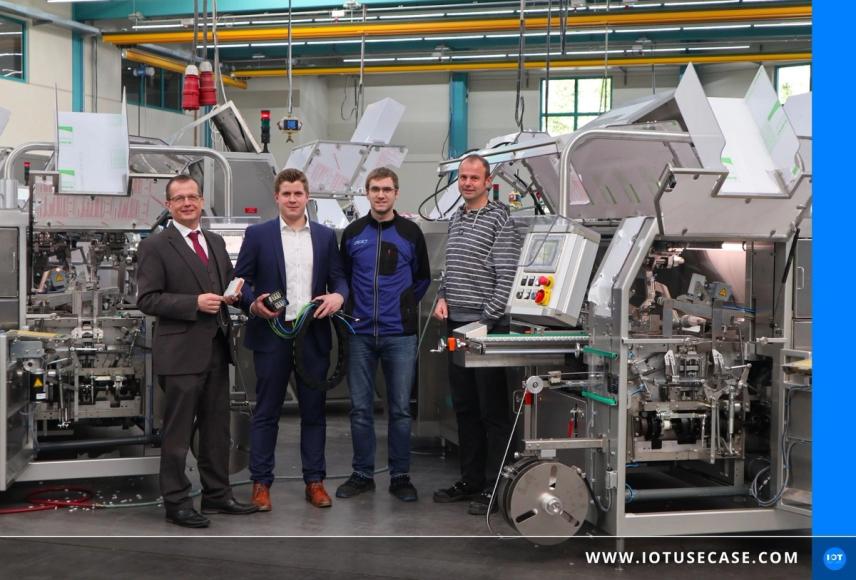


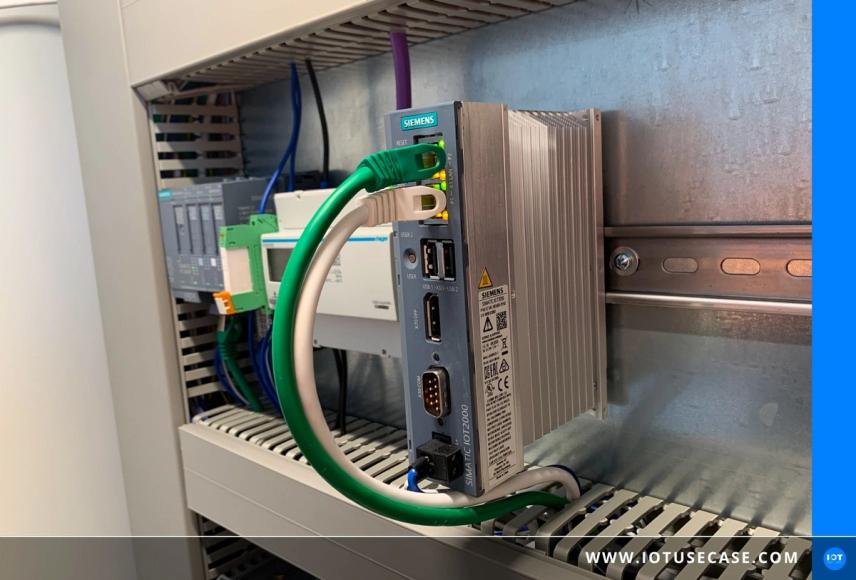











































IoT in Mechanical and Plant Engineering: What Actually Works in Practice
No industrial sector faces a similarly radical transformation as mechanical engineering. The product – the machine – was previously a one-time transaction. IoT turns it into a lasting relationship: the manufacturer stays connected to its machine throughout the entire lifecycle, generates recurring revenues through service contracts, and develops its products further on the basis of real usage data.
The difference from other industries: in mechanical engineering, the manufacturer is not just a producer, but after delivery also a service partner, spare parts supplier, and often a software provider. IoT solutions must therefore function across company boundaries – from the manufacturer’s backend to the customer’s network, worldwide and securely.
Typical Application Areas
Remote Monitoring and Remote Diagnostics Worldwide
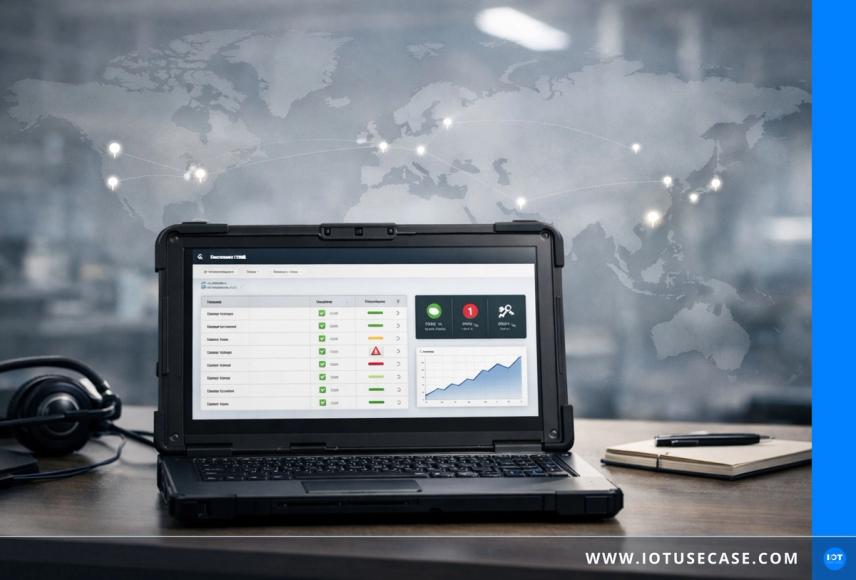
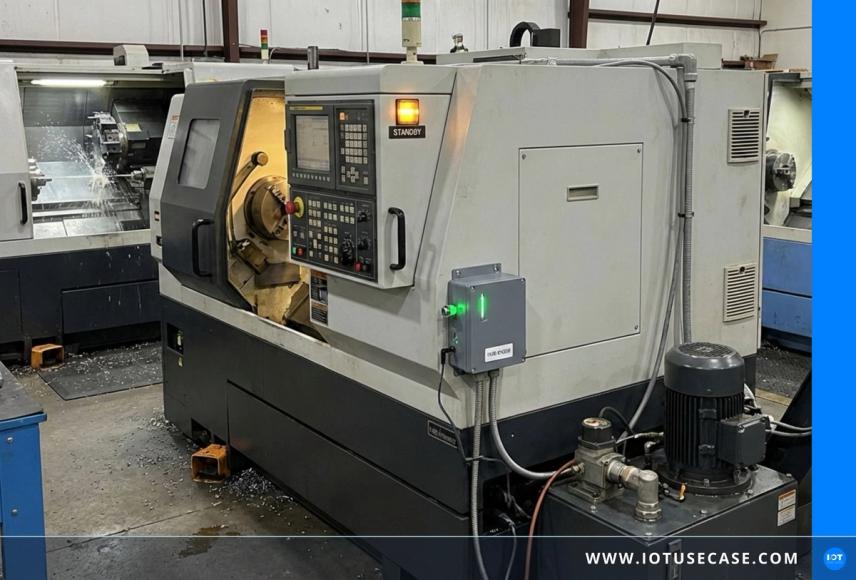
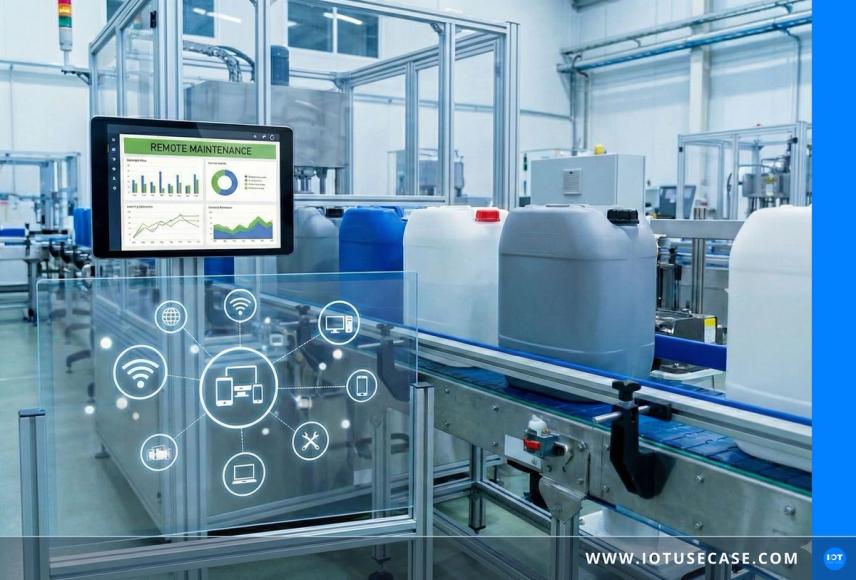
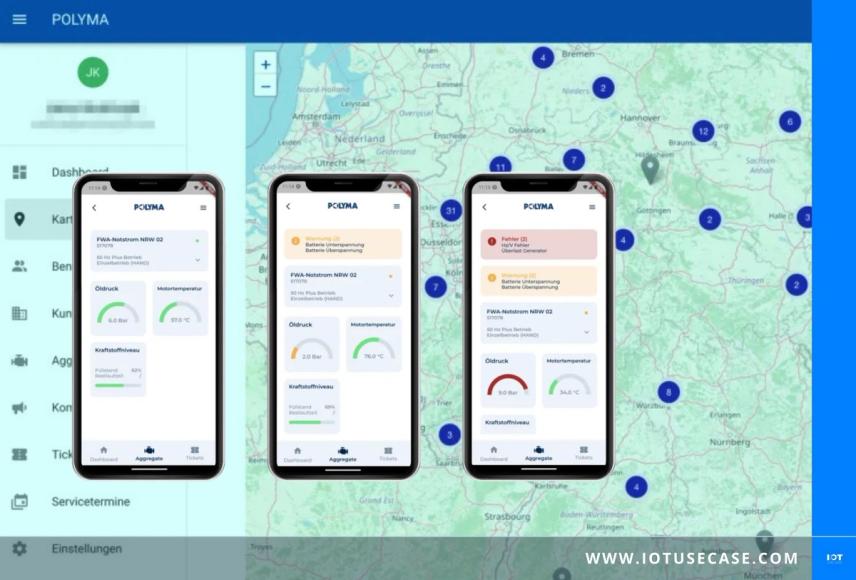
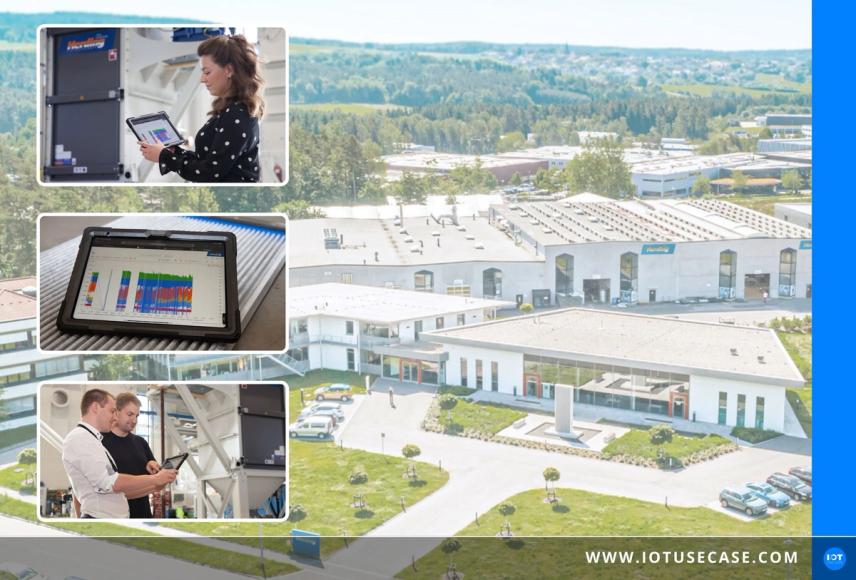
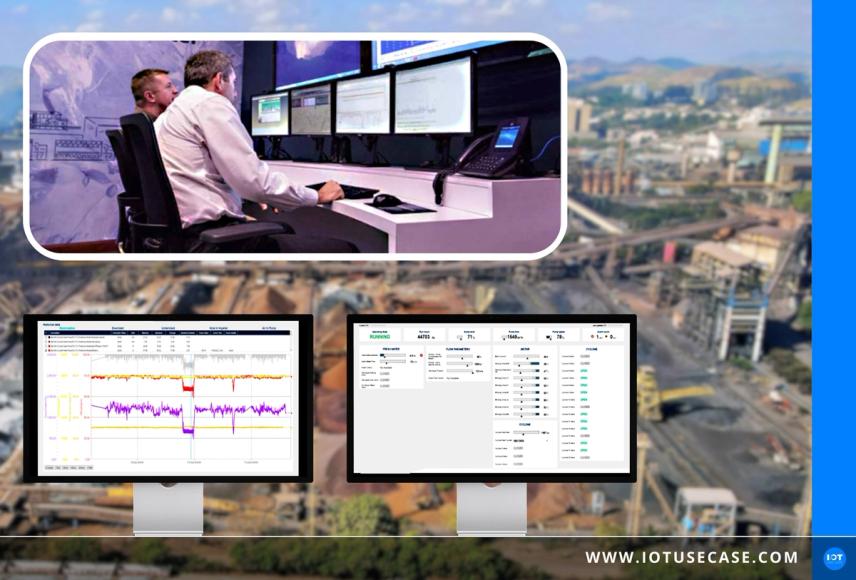
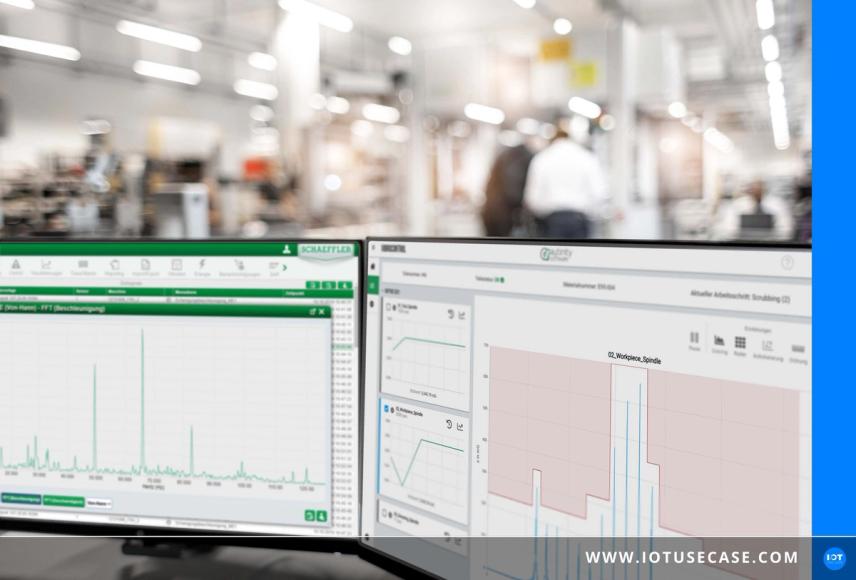
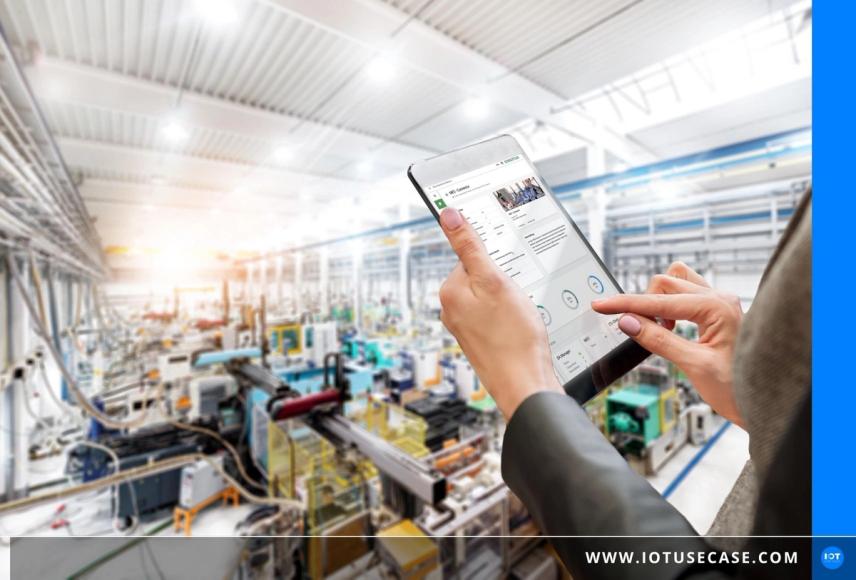
Machine data flows continuously from the customer location – whether in Munich, Mumbai, or Mexico City – into the manufacturer’s service platform. Vibration, temperatures, operating hours, error logs: service staff detect problems before the customer notices them, and can often resolve them remotely.
Predictive Maintenance and Condition-Based Service Contracts
AI models based on sensor data calculate failure probabilities and remaining useful life of components. Manufacturers can offer condition-based service contracts: instead of a fixed maintenance schedule, maintenance is carried out when actually needed – more cost-efficient for the customer, more profitable for the manufacturer.
New Business Models: Pay-per-Use and Outcome-Based Services
IoT data is the foundation for usage-based business models: the customer pays per piece produced, per operating hour, or per result delivered rather than a purchase price. This significantly lowers the investment barrier for customers and creates predictable, recurring revenues for manufacturers.
Digital Customer Portals and Self-Service Platforms
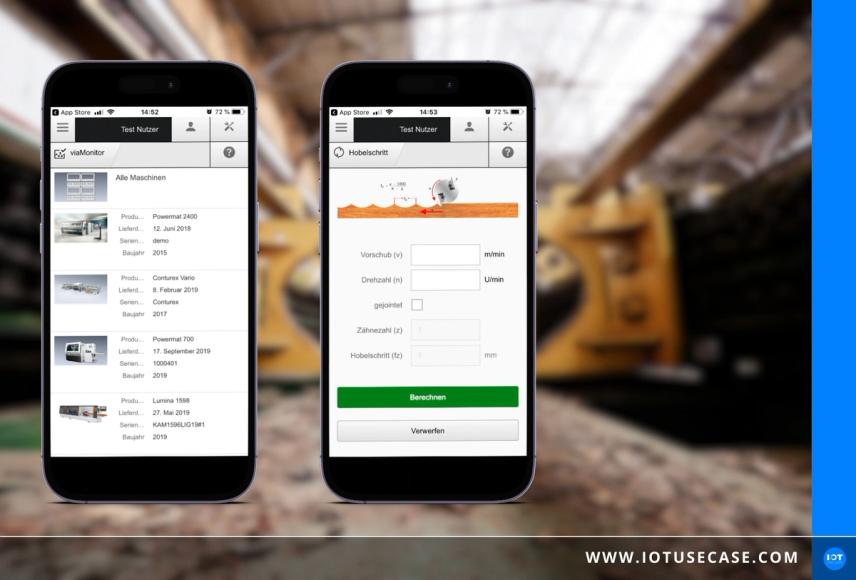
Customers access machine performance, service history, documentation, and spare parts ordering at any time via portals. The manufacturer reduces service effort, increases customer loyalty, and differentiates itself as a modern service partner – not just a machine producer.
Product Development Based on Real Usage Data
Which features do customers actually use? Which parameters are set how? Where do problems repeatedly occur? These insights from real-time data are more valuable than any customer survey – and lead to subsequent generations genuinely designed for real-world usage.
What Sets IoT in Mechanical and Plant Engineering Apart from Other Sectors
Machine builders operate in a unique tension: they must develop IoT solutions that function reliably at their customers in the most diverse production environments – from the modern smart factory to decades-old production facilities. At the same time, they must respect the data sovereignty and data protection of their customers.
What is more: for mechanical engineering, IoT is not a cost question but a revenue question. Those who succeed in building recurring services from machine data transform their business model – from one-time machine purchases to lasting customer relationships with predictable revenues.
Real-World Examples from the IoT Use Case Network
In our network you will find concrete, verified solution examples from mechanical and plant engineering – from remote monitoring and predictive maintenance through digital service platforms and customer portals to pay-per-use business models. Every example shows which technologies were used, what challenges existed, and what was concretely achieved in the end.
No marketing fluff. Only practice.
Implementing IoT in mechanical and plant engineering – we can help
Are you planning an IoT project in mechanical engineering, or do you want to become visible as a solution provider in this area? We help you find the right partners, present solutions in a practical way, and reach real users.
Get in touch