
Consumer Goods
Whether real-time traceability in food production, smart packaging with digital product passports, or predictive maintenance in FMCG manufacturing – IoT is fundamentally changing the consumer goods industry. Not as a vision of the future, but as everyday practice at brand manufacturers, consumer goods producers, and their supply chains already working with it today.
The challenges are real: consumers demand more transparency on origin, ingredients, and sustainability standards. Market regulation through EU product regulations, supply chain due diligence laws, and the Digital Product Passport is increasing compliance pressure. And at the same time, production costs must fall, quality must remain consistent, and time-to-market must shorten.
This is exactly where IoT comes in: sensors continuously monitor production processes, digital labeling creates seamless traceability from raw material to shelf, and smart logistics ensure the right goods are in the right place at the right time. The right data at the right time protects the brand, reduces costs, and strengthens consumer trust.
On this page you will find hands-on solution examples from the IoT Use Case network – from consumer goods manufacturers and technology providers who have delivered real projects. No marketing, no promises – only what actually works.
These challenges are driving IoT projects in the consumer goods industry
Traceability and transparency along the supply chain
Food, pharma, and consumer goods manufacturers must be able to trace every batch seamlessly from raw material source to end customer. IoT-based track & trace systems replace error-prone paper records and create audit-proof transparency at the push of a button.
Quality assurance and scrap reduction in production
Quality deviations in FMCG production – whether in filling, packaging, or processing – mean scrap, recalls, and brand damage. Inline sensors and AI-supported process monitoring detect deviations in real time before defective products leave the line.
Compliance with EU product regulations and sustainability documentation
The Digital Product Passport, the Supply Chain Due Diligence Act, and sector-specific sustainability regulations require measurable, documented data on CO₂ footprint, material origin, and production conditions. Without structured IoT data, providing this evidence is barely feasible.
Cold chain monitoring for temperature-sensitive consumer goods
Fresh food, beverages, cosmetics, and pharmaceutical products must be produced, stored, and transported under defined temperature conditions. Cold chain breaks lead to quality loss, product recalls, and compliance issues.
Predictive maintenance for filling and packaging lines
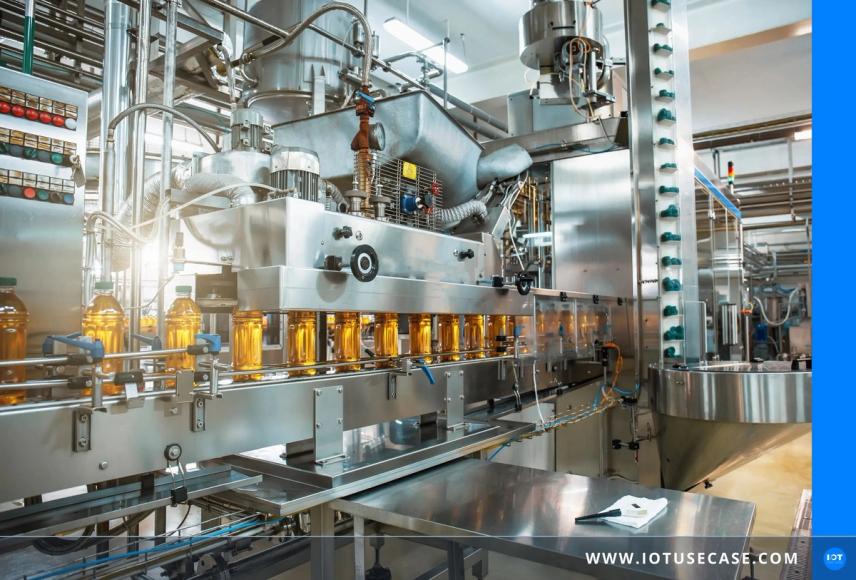
High-speed filling lines, labeling machines, and packaging equipment must run at maximum availability. An unplanned stoppage on an FMCG line costs significant sums within a very short time. Sensor-based condition monitoring and predictive maintenance prevent this.
Energy efficiency and CO₂ reduction in production
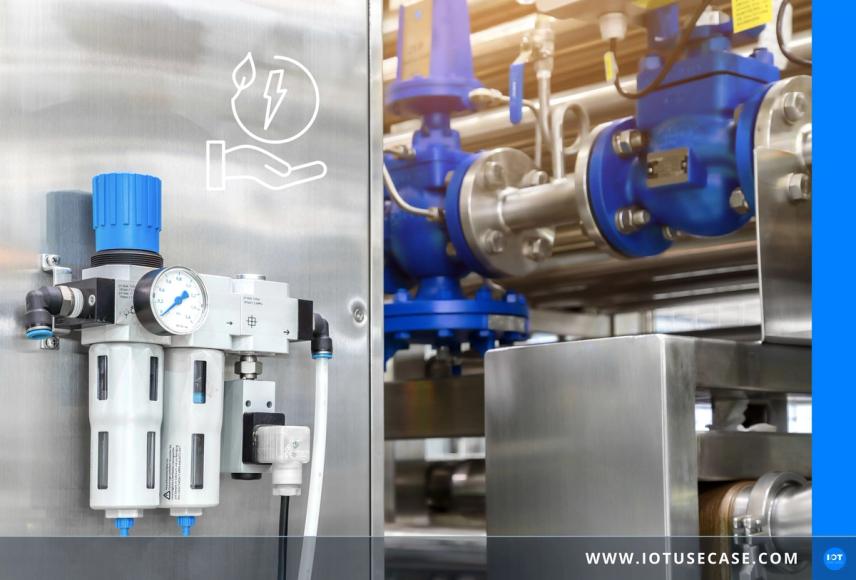
Consumer goods manufacturers are under growing pressure to reduce their environmental footprint – from buyers, investors, and EU legislation. Granular energy monitoring at line and machine level reveals savings potential and provides the data foundation for CO₂ reports.
Real-world solution examples in the Consumer Goods industry































IoT in the Consumer Goods Industry: What Actually Works in Practice
The consumer goods industry is under double pressure: consumers are becoming more demanding and want transparency, sustainability, and quality. At the same time, energy and raw material costs rise, supply chains become more fragile, and regulatory requirements increase. IoT is the tool that addresses both – efficiency and transparency simultaneously.
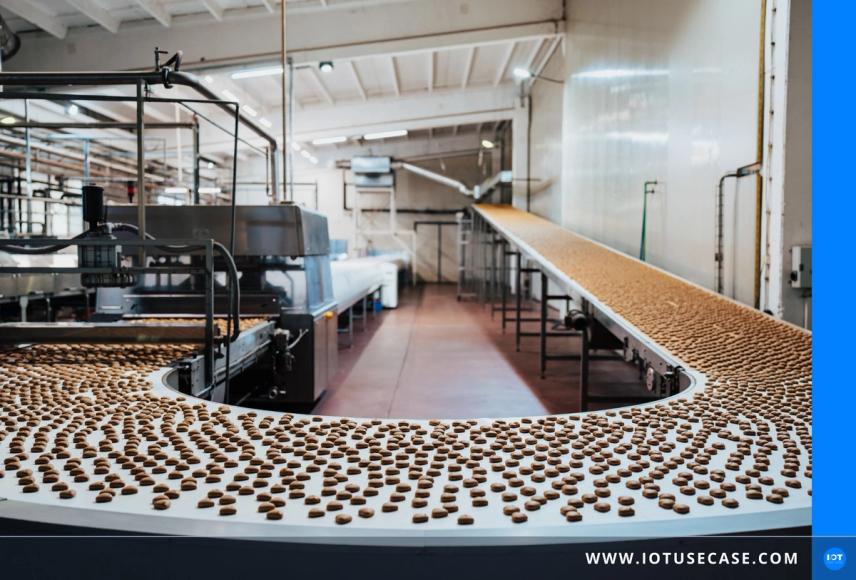
The difference from other industries: in the FMCG industry, cycle times are short, margins are thin, and brand reputation is extremely valuable. A product recall costs not just money – it damages the trust of millions of consumers. IoT solutions must therefore function reliably and in real time in high-speed production environments.
Typical Application Areas
Seamless Traceability from Raw Material to Shelf
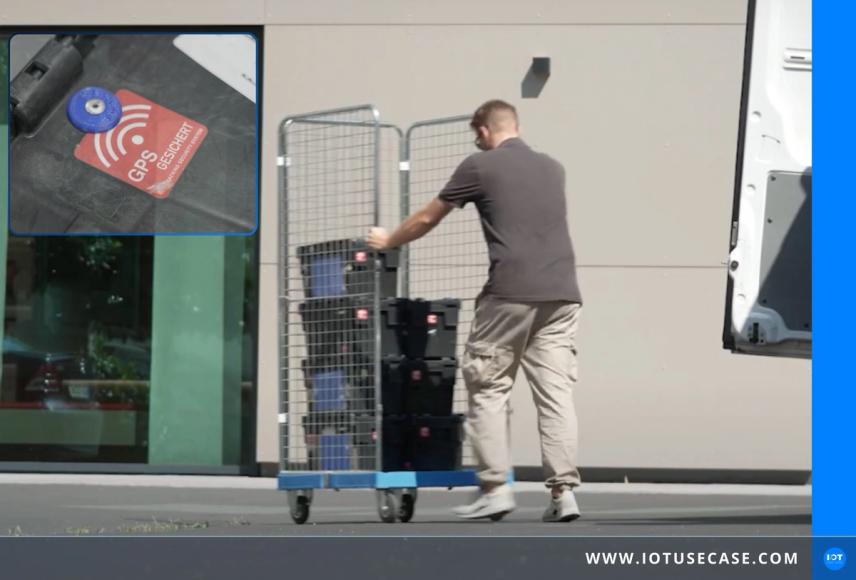
Every batch, every supplier, every production step is digitally recorded and linked. QR codes, RFID tags, and digital nameplates on packaging allow the end consumer to trace the origin of a product – and enable the manufacturer to respond in minutes rather than days in the event of a recall.
Inline Quality Assurance in FMCG Manufacturing
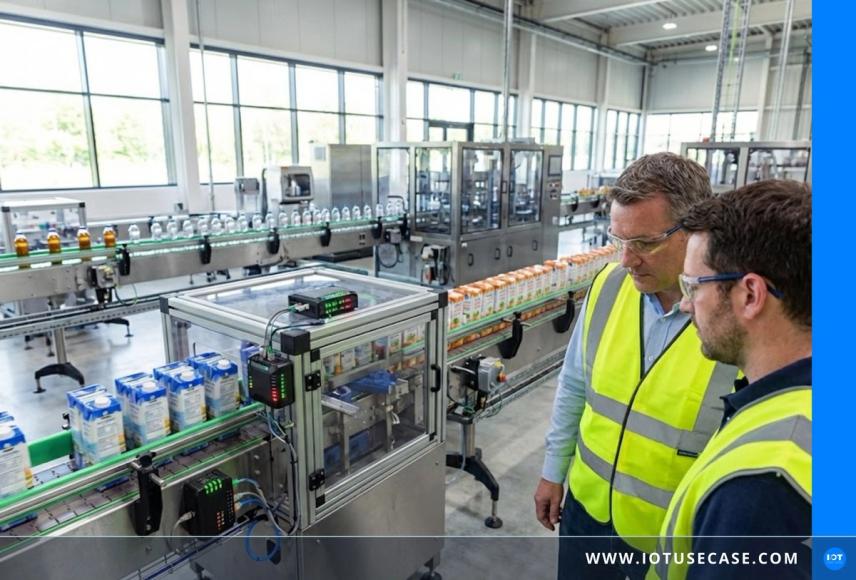
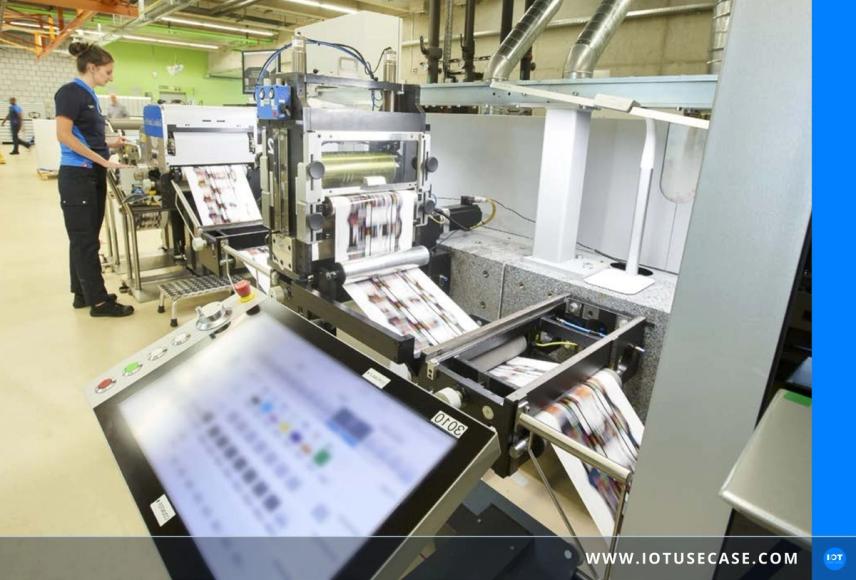
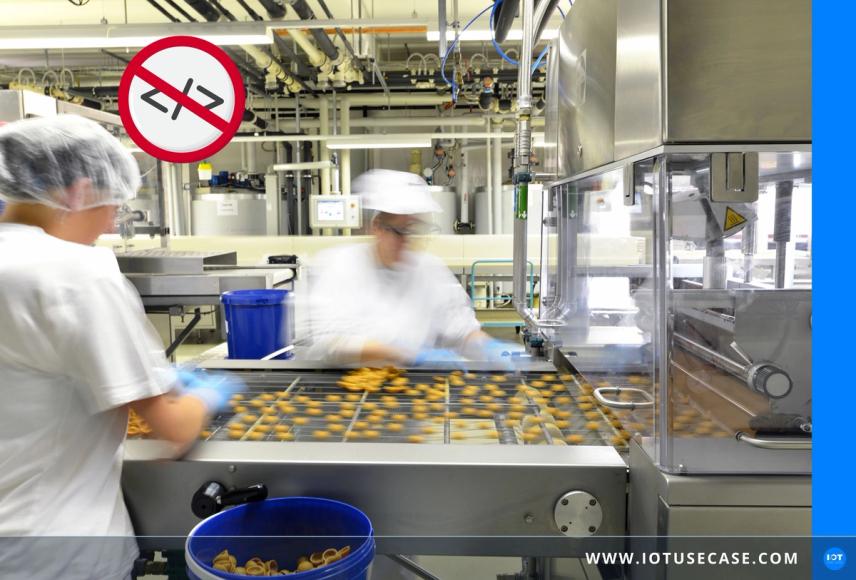
Camera systems, weight control, and spectral sensors check fill volumes, seal quality, labeling, and product integrity directly on the line. Defective units are automatically ejected before reaching the trade – and the cause is immediately logged for analysis.
Predictive Maintenance on High-Speed Lines
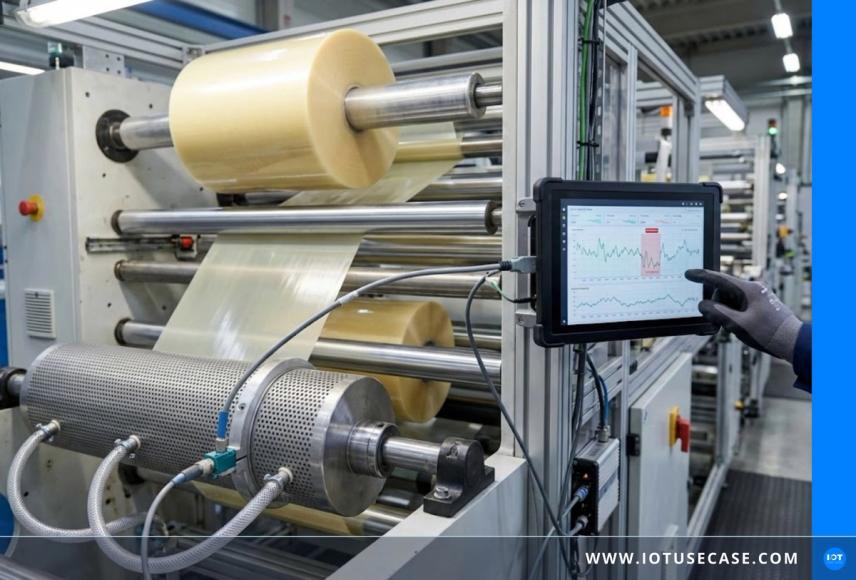
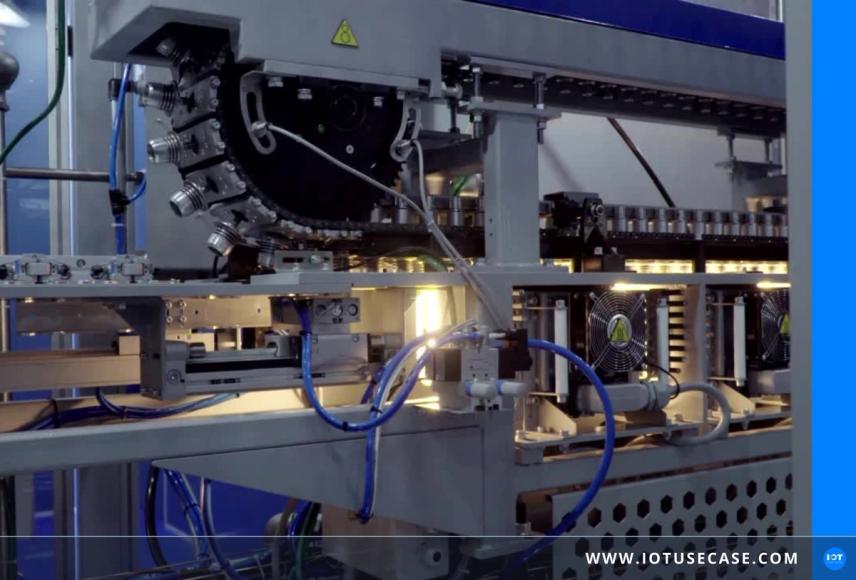
Filling systems, capping machines, labeling units, and wrap-around packers run under extreme cycle time pressure. Vibration and temperature sensors on critical components continuously deliver data – AI models use this to calculate failure probabilities long before damage occurs.
Cold Chain Monitoring for Freshness and Compliance
Temperature and humidity data are captured without gaps from production output through storage and transport to delivery. Threshold violations trigger immediate alerts. All data is stored in a tamper-proof manner and retrievable on demand for regulatory inspections and recall analysis.
Digital Product Passport and ESG Documentation
IoT data from production, energy, and material monitoring forms the foundation for the Digital Product Passport and robust ESG reports. Material origin, CO₂ footprint, and production conditions are automatically documented – without manual surveys and without estimated values.
What Sets IoT in the Consumer Goods Industry Apart from Other Sectors
In no other industry is direct contact with the end consumer as relevant as in consumer goods. Every product carries the brand – and with it, trust. A single recall can damage years of brand loyalty. IoT systems here are not just efficiency tools, but instruments of brand protection.
Speed is another factor: FMCG lines produce hundreds to thousands of units per minute. IoT solutions must respond in milliseconds, be edge-capable, and function reliably even during brief network interruptions. Latency is not an option.
Real-World Examples from the IoT Use Case Network
In our network you will find concrete, verified solution examples from the consumer goods industry – from traceability and inline quality assurance through cold chain monitoring to predictive maintenance on filling lines and digital ESG reporting. Every example shows which technologies were used, what challenges existed, and what was concretely achieved in the end.
No marketing fluff. Only practice.
Implementing IoT in the consumer goods industry – we can help
Are you planning an IoT project in the consumer goods industry, or do you want to become visible as a solution provider in this area? We help you find the right partners, present solutions in a practical way, and reach real users.
Get in touch