

Retail and Wholesale
Whether real-time inventory monitoring in the warehouse, automated reordering via IoT fill level sensors, or smart shelves in brick-and-mortar retail – IoT is fundamentally changing retail and wholesale. Not as a vision of the future, but as everyday practice at retailers, distributors, and logistics service providers already working with it today.
The challenges are real: warehousing costs rise, inventory inaccuracies lead to out-of-stock situations or overstock, supply chains are vulnerable, and pressure on margins keeps growing. At the same time, customers and business partners expect ever greater transparency on availability, delivery status, and returns.
This is exactly where IoT comes in: sensors monitor inventories, temperatures, and locations in real time, automated processes replace manual steps, and digital visibility along the entire supply chain creates the foundation for faster and better decisions. Whether warehouse management, cold chain monitoring, or vendor managed inventory: the right data at the right time reduces costs and raises service quality.
On this page you will find hands-on solution examples from the IoT Use Case network – from retailers, wholesalers, and technology providers who have delivered real projects. No marketing, no promises – only what actually works.
These challenges are driving IoT projects in retail and wholesale
Inventory inaccuracies and lack of warehouse visibility
Manual stock counts are error-prone, time-consuming, and deliver only snapshots. Real-time inventory monitoring via RFID, barcode, and IoT sensors creates permanent transparency on location, quantity, and condition – preventing costly inventory discrepancies.
Out-of-stock and overstock simultaneously
Many retailers simultaneously struggle with empty shelves for top sellers and excessive storage costs for slow-movers. Sensor-based reorder triggers and demand-driven replenishment automatically optimize order quantities and timing.
Cold chain monitoring for temperature-sensitive goods
Fresh produce, pharmaceutical products, and other temperature-sensitive goods must be monitored without gaps. Cold chain breaks lead to spoilage, compliance violations, and liability risks. IoT temperature loggers and real-time alerts secure quality and document seamlessly.
Supply chain transparency and shipment tracking
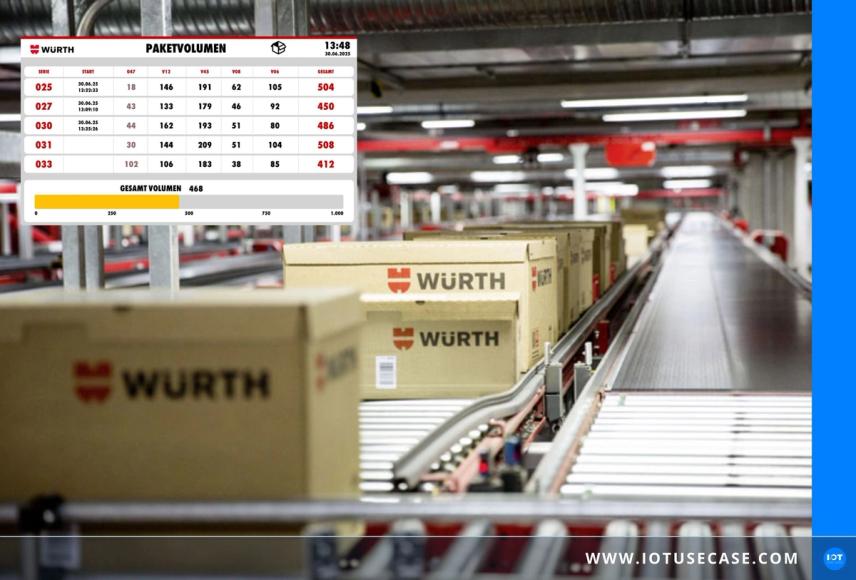
In wholesale, goods are simultaneously at suppliers, in transit, and in the warehouse. Real-time tracking of shipments, containers, and pallets creates transparency, reduces shrinkage, and enables early response to delays.
Manual processes in warehouse and store
Goods receipt, picking, stocktaking, and shelf allocation are frequently still carried out manually. Automation through RFID, scanning systems, and mobile devices reduces errors, saves time, and enables staff to focus on value-adding activities.
Customer experience and omnichannel transparency
Customers expect real-time availability information online and in-store, seamless click-and-collect processes, and fast returns handling. IoT creates the data foundation for consistent omnichannel experiences – through cross-channel inventory visibility and automated processes.
Real-world solution examples in the Retail and Wholesale industry














IoT in Retail and Wholesale: What Actually Works in Practice
In retail, efficiency is not an option but a question of survival. Margins are thin, competition comes from all directions, and customers decide in seconds whether to buy – online or offline. IoT makes retail companies faster, more precise, and more transparent: from goods receipt to customer handover, from supplier to end-customer shelf.
The difference from other industries: in retail, the demands on scalability are particularly high – thousands of SKUs, dozens of stores, seasonal fluctuations, and a constantly changing assortment. IoT solutions must function reliably in this complexity, be integrated with existing ERP and WMS systems, and remain operable for staff without a technical background.
Typical Application Areas
Real-Time Inventory Monitoring and Automated Reordering
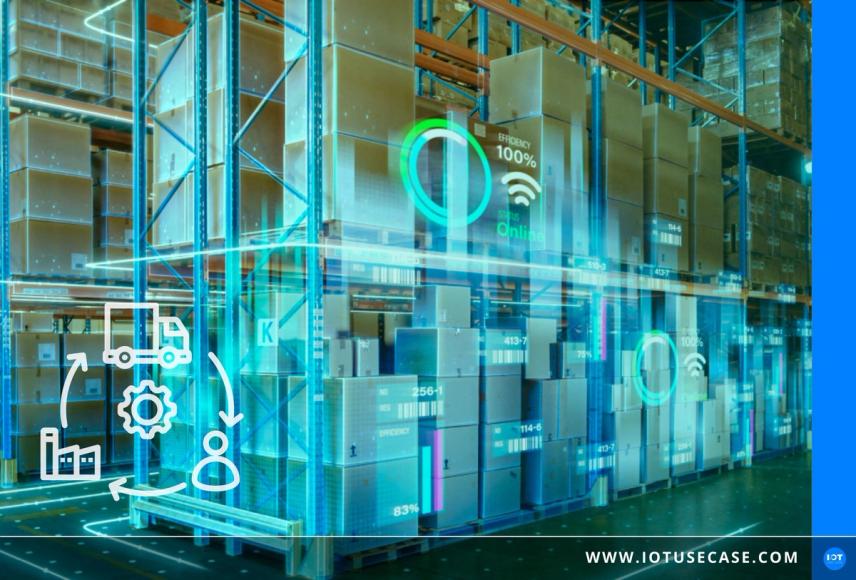
RFID tags, weight sensors, and smart shelves capture inventory automatically and continuously. When an item falls below the minimum stock level, reordering is triggered automatically – without manual intervention. This reduces out-of-stock situations, lowers overstock, and significantly relieves warehouse staff.
Cold Chain Monitoring for Freshness and Compliance
Temperature and humidity sensors monitor cold chains without gaps from supplier to shelf. Alerts when thresholds are exceeded are issued in real time. In the event of a complaint or regulatory inspection, all data is documented in a tamper-proof manner – a clear advantage for food and pharmaceutical retail.
Asset Tracking and Shrinkage Reduction
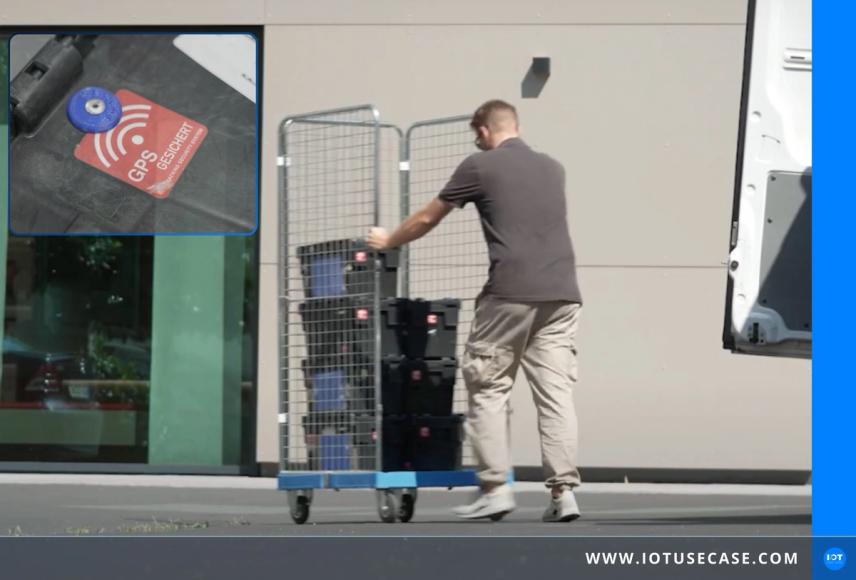
Roll containers, pallets, reusable packaging, and transport equipment are expensive assets that are often lost or searched for at length. GPS and BLE trackers enable real-time location tracking across site and company boundaries – shrinkage is reduced, search times drop to zero.
Vendor Managed Inventory (VMI) in Wholesale
Wholesalers take over inventory responsibility for their customers. IoT-based fill level sensors at the customer's site deliver real-time consumption data directly to the supplier – who replenishes automatically before the customer even notices the stock is running low. This strengthens customer loyalty and creates new service models.
Warehouse Automation and Mobile Assistance
Scan-supported putaway, mobile picking guidance, and RFID-based goods issue significantly reduce errors in goods handling. Employees are guided by systems rather than searching – increasing throughput, reducing mispicks, and shortening onboarding times.
What Sets IoT in Retail and Wholesale Apart from Other Industries
Retail operates under extreme cost pressure and with partly very heterogeneous IT landscapes – from modern e-commerce platforms to decades-old merchandise management systems. IoT solutions must integrate seamlessly into both worlds without requiring complex migrations.
What is more: data protection and employee rights requirements when deploying tracking technologies in retail are high. GDPR-compliant concepts, transparent communication with employees, and clear limits on monitoring are a requirement – not an option.
Real-World Examples from the IoT Use Case Network
In our network you will find concrete, verified solution examples from retail and wholesale – from automated reordering and cold chain monitoring through asset tracking and VMI to warehouse automation and smart shelf. Every example shows which technologies were used, what challenges existed, and what was concretely achieved in the end.
No marketing fluff. Only practice.
Implementing IoT in retail and wholesale – we can help
Are you planning an IoT project in retail or wholesale, or do you want to become visible as a solution provider in this area? We help you find the right partners, present solutions in a practical way, and reach real users.
Get in touch