
Chemicals + Raw Materials
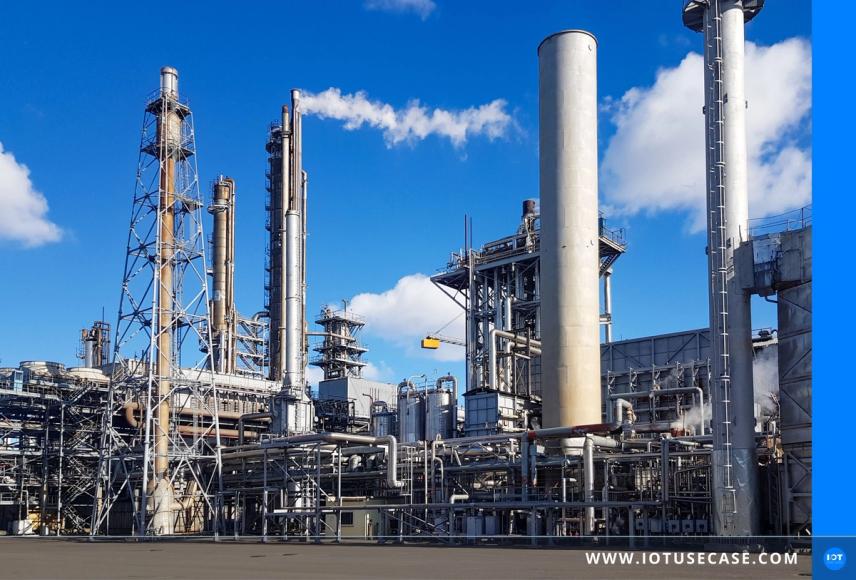
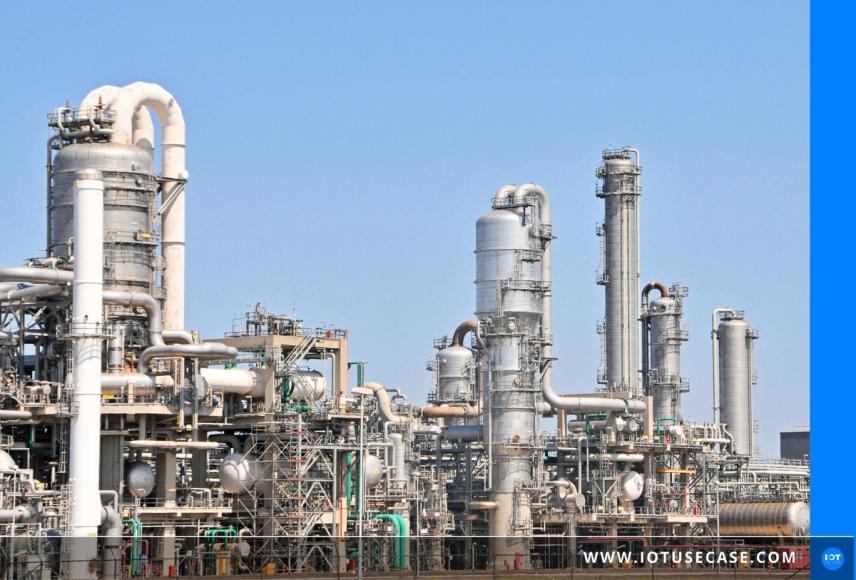
Whether continuous process monitoring in a chemical plant, seamless traceability of hazardous substances, or real-time monitoring of storage tanks and pipelines – IoT is fundamentally changing the chemicals and raw materials industry. Not as a vision of the future, but as everyday practice in facilities already working with it today.
The challenges are real: processes run under extreme conditions – high pressures, aggressive media, explosive atmospheres. Plant availability is critical, compliance with REACH, SEVESO, and occupational safety regulations is non-negotiable, and every operational disruption can be not just costly but dangerous.
This is exactly where IoT comes in: sensors continuously monitor process parameters, threshold violations trigger automatic alarms, and digital systems document seamlessly – for authorities, insurers, and internal quality assurance alike. Whether predictive maintenance, level monitoring, or emissions surveillance: the right data at the right time protects people, plant, and environment.
On this page you will find hands-on solution examples from the IoT Use Case network – from chemical companies and technology providers who have delivered real projects. No marketing, no promises – only what actually works.
These challenges are driving IoT projects in the chemicals and raw materials industry
Process safety and plant availability
Chemical plants operate under extreme conditions: pressure, temperature, aggressive media. An unplanned failure can be not only costly but safety-critical. Real-time monitoring and predictive maintenance minimize failure risks and keep plants reliably operational.
Compliance with REACH, SEVESO, and occupational safety regulations
The chemicals sector is one of the most heavily regulated industries. Seamless documentation of process parameters, emissions, and substance quantities is mandatory – and manual recording is error-prone. IoT-based systems generate audit-proof records automatically.
Emissions monitoring and environmental compliance
Pollutant emissions into air, water, and soil are subject to strict limits. Continuous emissions monitoring systems (CEMS), automatic reporting, and early warning systems are regulatory requirements and simultaneously protect against liability risks.
Traceability of raw materials and hazardous substances
From raw material delivery to finished product, batches, concentrations, and processing steps must be fully traceable. IoT-supported track & trace systems replace error-prone manual documentation and create transparency across the entire process chain.
Level monitoring in tanks and silos
Incorrect fill levels in chemical tanks can lead to overfills or run-dry situations – with serious consequences for safety and production. Permanent IoT-based level monitoring prevents critical conditions, automates reorder processes, and optimizes storage logistics.
Energy efficiency and CO₂ footprint in process chemistry
Chemical processes are highly energy-intensive. Reactors, distillation columns, and compressors consume enormous amounts of energy. Granular energy monitoring reveals savings potential, reduces operating costs, and provides the data foundation for CO₂ accounting and ESG reporting.
Real-world solution examples in the Chemicals + Raw Materials industry















IoT in the Chemicals and Raw Materials Industry: What Actually Works in Practice
The chemicals and raw materials industry is among the most demanding sectors for IoT implementations. Processes run around the clock under extreme conditions, consequential failure costs are high, and the regulatory framework is denser than in almost any other industry. At the same time, the potential is enormous: every percentage point of efficiency gain in a large plant translates directly into significant cost savings.
The difference from other industries: in chemicals, safety is not a quality feature but an absolute prerequisite. IoT solutions must be ATEX-certified, tamper-proof, and designed for maximum availability. At the same time, they must integrate into existing distributed control systems (DCS) and SCADA architectures – without production downtime.
Typical Application Areas
Continuous Process Monitoring and Plant Safety
Temperature, pressure, flow rate, pH value, and concentration – critical process parameters are continuously captured and monitored for threshold violations. Automatic alarms and emergency shutdowns respond in real time before critical conditions develop. This significantly increases plant safety and reduces the risk of operational accidents.
Predictive Maintenance for Pumps, Compressors, and Reactors
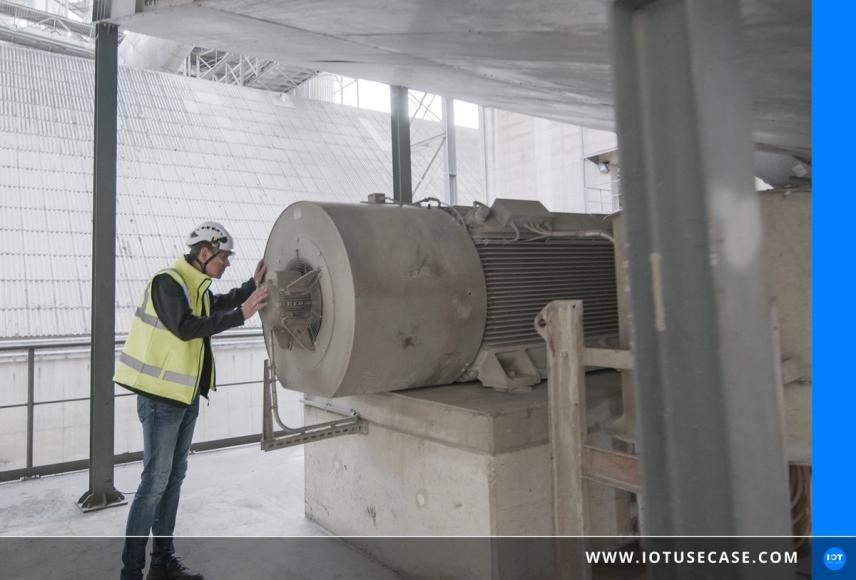
Pumps, compressors, agitators, and heat exchangers are the most critical components in chemical plants. Vibration and temperature sensors detect wear patterns early. ML models calculate remaining useful life and automatically trigger maintenance orders – well before a failure occurs.
Emissions Monitoring and Environmental Compliance
Continuous emissions monitoring systems (CEMS) automatically monitor pollutants in exhaust gas streams. Data is stored in a tamper-proof manner and transmitted directly to authorities. Early warning systems alert when limit values are at risk of being exceeded – before the reporting obligation, not after.
Tank and Silo Monitoring in Storage Logistics
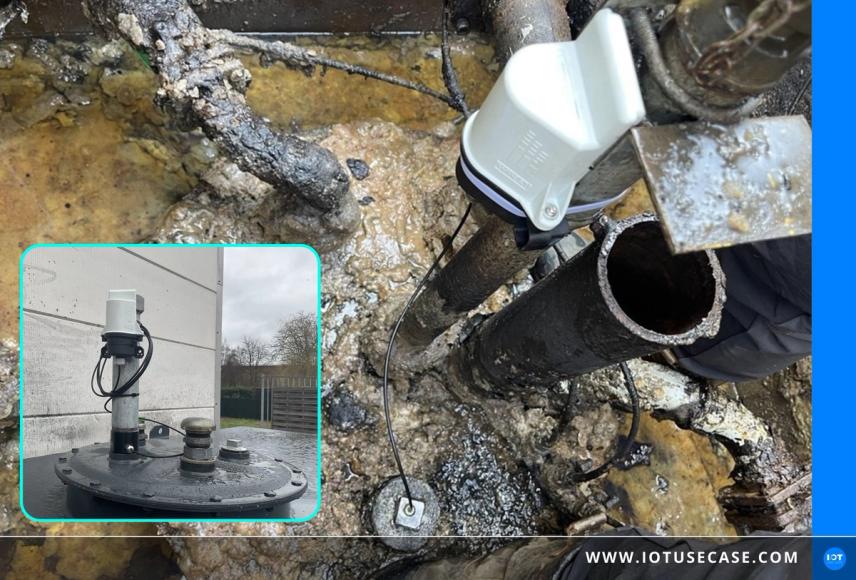
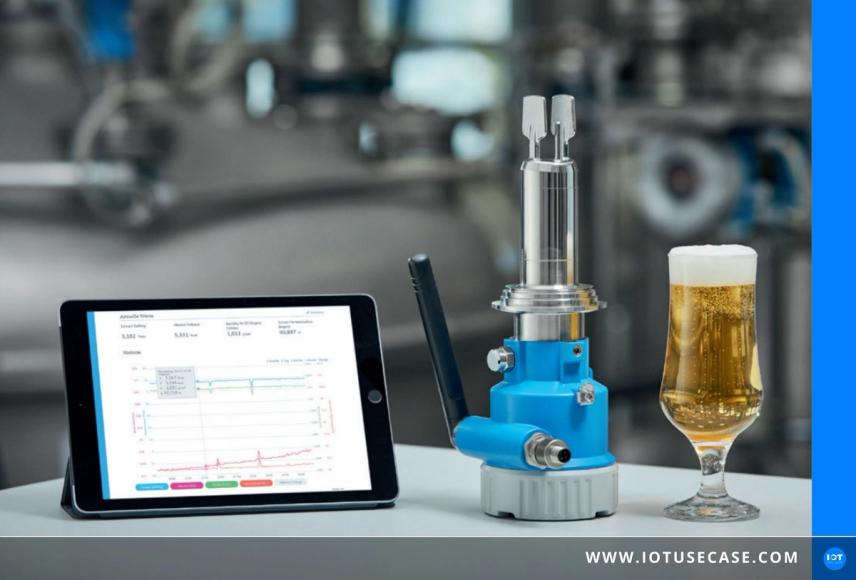
Chemicals, raw materials, and intermediates are stored in tanks, silos, and IBC containers. IoT-based level monitoring delivers real-time current stock, automatically triggers reorders, and prevents critical underfills or dangerous overfills.
Raw Material and Hazardous Substance Traceability
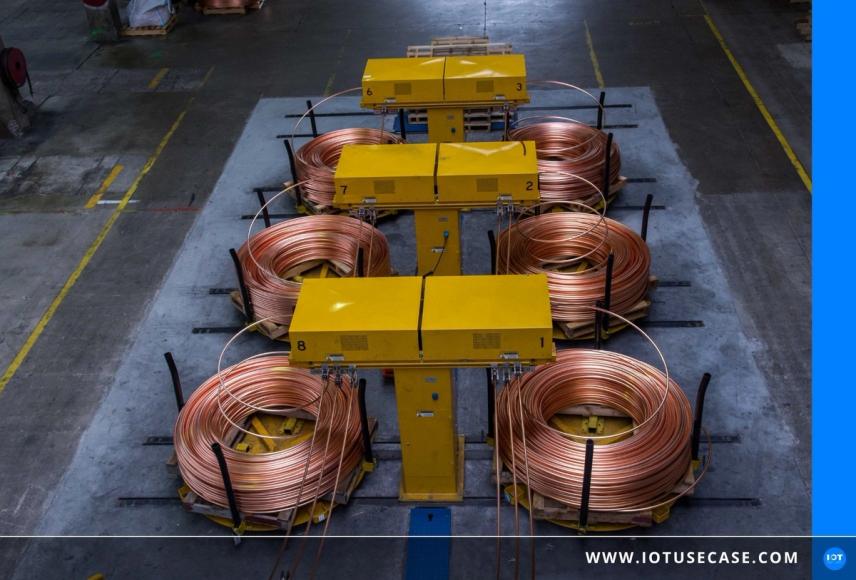
Every batch, every supplier, every processing step is digitally recorded and linked. In the event of a complaint or quality issue, it can be reconstructed within minutes which raw materials were used in which products – and which customers might be affected.
What Sets IoT in the Chemicals Industry Apart from Other Sectors
In the chemicals industry, the interface between IoT and functional safety is particularly demanding. Sensors must be ATEX-approved, data systems must be tamper-proof and audit-compliant, and every change to a process control system requires extensive qualification and validation processes.
Long investment cycles and often decades-old plant infrastructure add further complexity. IoT solutions must be compatible with legacy process control systems (DCS, SCADA) and integrate step by step – without production downtime and without compromising safety.
Real-World Examples from the IoT Use Case Network
In our network you will find concrete, verified solution examples from the chemicals and raw materials industry – from predictive maintenance on pumps and compressors and emissions monitoring through to tank traceability and hazardous substance management. Every example shows which technologies were used, what challenges existed, and what was concretely achieved in the end.
No marketing fluff. Only practice.
Implementing IoT in the chemicals and raw materials industry – we can help
Are you planning an IoT project in the chemicals or raw materials industry, or do you want to become visible as a solution provider in this area? We help you find the right partners, present solutions in a practical way, and reach real users.
Get in touch